Carless Reef
Hurghada Egypt Posted by bazartravelsAdmin
Carless Reef Overview
Carless Reef sits in the Red Sea off the coast of Hurghada, Egypt, roughly 12 to 15 kilometers from the main harbor. This shallow coral formation attracts snorkelers and divers from across the region who want to experience vibrant marine life without venturing to deeper offshore sites. The reef is accessible by boat in under an hour, making it a practical choice for a half-day excursion or part of a larger day trip itinerary.
The reef gets its name from a ship that ran aground here decades ago. Today, the wreck itself has become part of the reef ecosystem, attracting small fish and creating an additional point of interest for underwater explorers.
Why This Place Matters
The Red Sea's coral reefs are among the most biodiverse marine ecosystems on Earth. Carless Reef represents an accessible entry point into this underwater world for visitors who may lack advanced diving certification or prefer the simplicity of snorkeling. The shallow sections of the reef allow you to observe coral formations and schooling fish without extensive training or equipment.
The reef also illustrates the fragility of these environments. You'll notice both healthy coral sections and areas recovering from past damage, which makes Carless Reef a meaningful place to learn about marine conservation while on holiday.
Quick facts
- Distance from Hurghada harbor: approximately 12 to 15 kilometers
- Boat travel time: 25 to 40 minutes depending on sea conditions and boat type
- Best suited for: snorkelers and recreational divers with basic certification
- Typical water depth over the reef: 5 to 25 meters
- Common marine life: parrotfish, grouper, angelfish, damselfish, sea turtles, and various coral species
- Season: accessible year-round, though conditions vary by month
Getting There
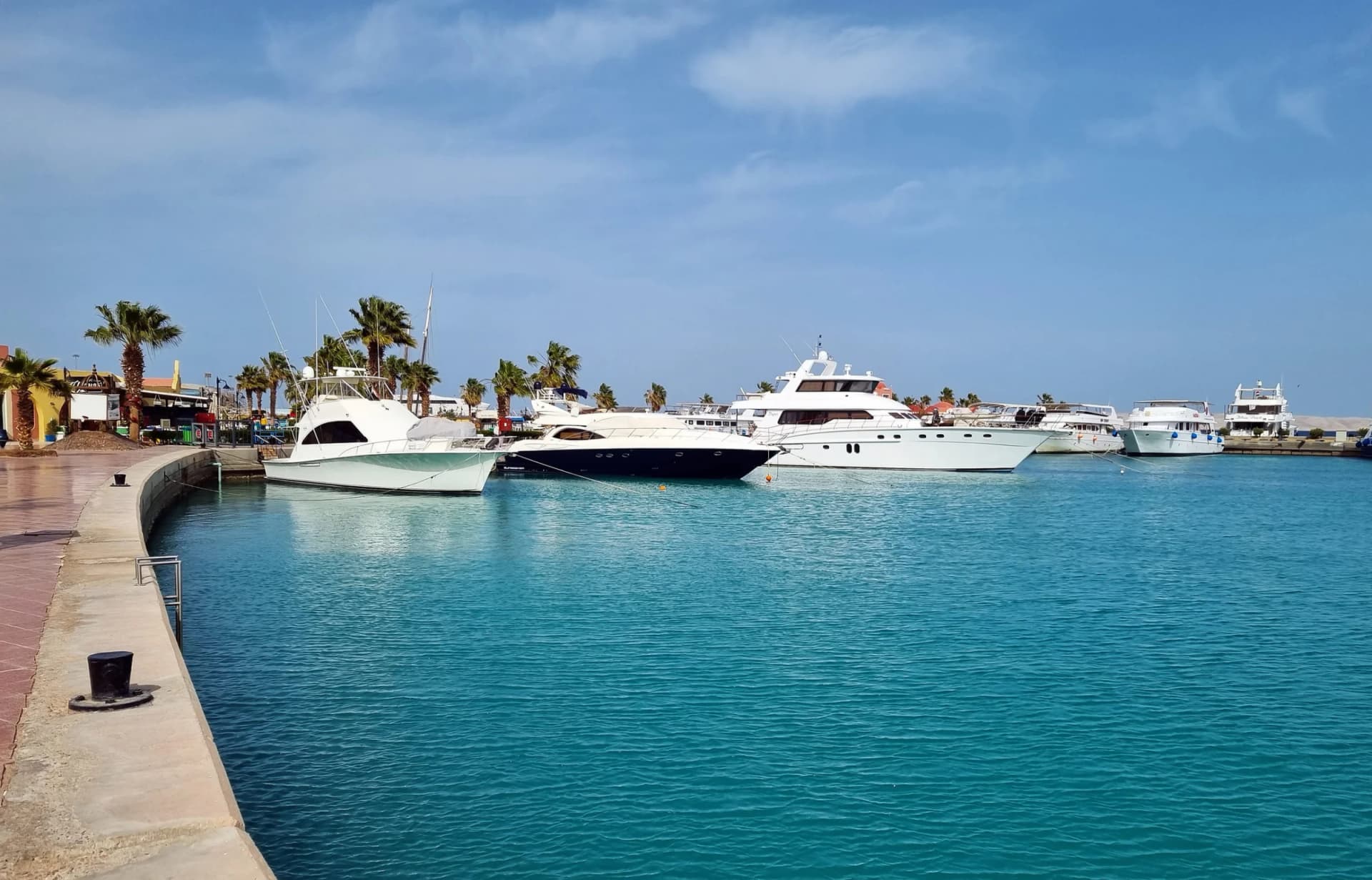
You'll depart from one of Hurghada's main dive centers or boat operators, most of which are concentrated in the harbor area or along the Marina Boulevard waterfront. Hotels can typically arrange boat transport, or you can walk to the harbor and book directly with an operator. Many boats depart in the early morning, around 8 or 9 AM, to take advantage of calmer sea conditions.
The boat journey itself becomes part of the experience. You'll pass through busy shipping lanes and smaller fishing vessels before reaching the reef. The Red Sea's waters are usually calm in the morning, though winter months can bring choppier conditions.
If you're prone to seasickness, take preventive measures before boarding. The boat ride is manageable for most people, but waves do occur depending on wind and time of day.
The Layout and Experience
Carless Reef is not a single defined structure but rather a system of coral formations and sandy channels. When you arrive, the boat anchors in a designated spot, and you enter the water either by ladder or by giant stride (a common diving entry technique). Most operators keep groups together using a guide who stays with snorkelers and divers throughout the excursion.
The reef's shallow side begins in about 5 meters of water and slopes gradually deeper. Snorkelers typically stay in the upper 5 to 12 meter range, while certified divers can explore deeper sections. The wreck sits at a moderate depth and is often the focal point of guided dives.
Visibility tends to be good, especially in calm conditions, allowing you to see coral detail and fish behavior clearly. The reef doesn't have dramatic drop-offs or caves; instead, it offers a steady, explorable underwater landscape with plenty of photogenic angles.
Main Highlights
The coral formations are the primary draw. Brain coral, table coral, and branching acropora create a three-dimensional landscape that supports thousands of small fish. You'll see parrotfish grazing on the coral surface, their bright colors standing out against the polyps. Grouper tend to hold their ground near coral heads, allowing close observation if you approach slowly.
The wreck section is another focal point. The deteriorating metal structure has been colonized by coral and fish, turning it into an artificial reef within the natural reef. Divers can navigate through accessible sections while snorkelers often observe from a distance above.
Depending on the season and time of day, you might encounter larger species like reef sharks, sea turtles, or barracuda. These encounters are not guaranteed, but they happen regularly enough that guides keep an eye out and point them out when spotted.
History and Background
The Carless was a cargo ship that encountered trouble in the Red Sea during the mid-20th century. The exact circumstances of the wreck remain part of local maritime lore, with details varying depending on who tells the story. Over the decades, the ship has settled into the reef ecosystem, and the hull has deteriorated significantly. What remains today is a jumble of metal beams and hull sections rather than an intact wreck.
The reef itself formed over thousands of years as coral polyps built their calcium carbonate structures in the shallow Red Sea. The Red Sea is one of the world's most important coral reef regions, supporting species found nowhere else on Earth. Carless Reef represents just one small section of this larger ecosystem.
Tickets and Entry
Entry to Carless Reef is typically arranged through a boat operator or dive center. There is no formal admission fee to access the reef itself, but you pay for the boat transport and guided service. Prices vary depending on whether you're snorkeling or diving, and whether you're joining a group or booking a private boat.
Most operators require you to sign liability waivers and may ask about your swimming ability or diving certification. If you're a snorkeler, no certification is needed. If you want to dive, you must have an open-water certification card or be willing to do a confined-water training session first.
Some operators include basic snorkel equipment in the boat fee, while others charge extra for rental. It's worth asking what's included when you book.
Best Time to Visit
Carless Reef is accessible year-round, but conditions shift with the seasons. November through March tends to bring the calmest seas and clearest water. Daytime temperatures are mild, and the weather is generally dry.
April through October brings warmer water but also stronger winds and occasional rougher seas. Summer months (June to August) see higher water temperatures, which some divers prefer for comfort, but visibility can drop due to plankton blooms and wind chop.
Most days are diveable, but occasional storms or strong winds can close the reef to boat traffic. If you're visiting for only a few days, plan your reef trip early in your stay so you have time to reschedule if needed.
Photography Tips
Underwater photography at Carless Reef rewards patience. Bring a waterproof camera or smartphone housing, or rent an underwater camera from your boat operator. Shoot in the morning when light penetrates the water most clearly. The shallow sections of the reef are ideal for natural light photography without artificial strobes.
Focus on close-ups of coral polyps and fish faces rather than wide reef vistas. The wreck section offers dramatic silhouettes if you position yourself with light behind it. Avoid touching coral or stirring up sand, as this clouds the water and harms the reef.
If you're using a smartphone, position yourself so sunlight comes from above and behind you. This creates better color saturation and contrast compared to shooting toward the sun.
Facilities and Preparation
Boats typically provide basic safety equipment including life jackets, though you should confirm this when booking. Most operators supply snorkel gear (mask, fins, snorkel), though the fit may not be perfect. Bringing your own gear ensures comfort and proper fit.
Wear reef-safe sunscreen and a rash guard or wetsuit to protect your skin from the sun and minor scrapes. The sun reflects intensely off the water, and you'll spend several hours in direct exposure. Dehydration happens quickly at sea, so drink water regularly and eat a light meal before boarding.
Bring a towel, flip-flops, and a dry change of clothes. Many boats have limited shade, so consider bringing a hat or cap for between-water time. If you have a dry bag, pack any valuables in it rather than leaving them on the boat.
Combining with Nearby Attractions
Carless Reef pairs well with other Hurghada day trips. Many operators offer combination tours that visit multiple reefs in a single day, typically stopping at Carless and then moving to another site like Giftun Island or Paradise Reef. These multi-reef days allow you to compare different formations and marine communities.
If you're based in Hurghada, you can visit Carless Reef in the morning and spend the afternoon exploring the town's waterfront, visiting the Hurghada Marine Museum, or dining at restaurants along the Marina. The reef trip usually concludes by early afternoon, giving you time for shore-based activities.
Sample Visit Plan
Book your boat the evening before or early the morning of your visit. Arrive at the harbor 30 to 45 minutes before departure so you can complete paperwork and prepare your equipment. Most boats depart between 8 and 9 AM.
Expect to spend 2 to 3 hours in the water, either snorkeling or diving in multiple shorter sessions with surface intervals. The boat will anchor at the reef, and you'll enter and exit the water several times depending on your certification level and the guide's plan. Mid-morning is typically the best time for clarity and fish activity.
The boat returns to harbor by early afternoon, usually between 1 and 2 PM. You'll have time to rinse off at the harbor showers, collect your belongings, and head back to your hotel to rest or pursue other activities.
Practical Tips
- Book directly with established dive centers rather than through random street touts to ensure safety and quality equipment
- Confirm the boat's safety record, guide experience, and insurance before booking
- Bring anti-nausea medication if you're sensitive to boat motion, and take it before boarding
- Start with snorkeling if you're new to the reef environment, then try diving on a subsequent visit
- Respect the reef by not touching coral, not standing on it, and not feeding fish
- Ask your guide about what marine life you're seeing rather than trying to identify everything yourself
- Check the weather forecast the night before and be prepared to reschedule if seas are rough
- Bring more water than you think you'll need and eat a substantial breakfast beforehand
FAQ
Do I need diving certification to visit Carless Reef? No. You can snorkel without any certification. If you want to dive, you'll need an open-water certification or the willingness to do a quick training dive with an instructor first.
How far underwater is the wreck? The wreck sits at depths ranging from about 12 to 25 meters depending on which section you're exploring. Snorkelers can see the top sections from the surface or by freediving, while divers can explore deeper portions.
What if I get seasick? Take seasickness medication before boarding. Sit in the middle of the boat where motion is least noticeable. Look toward the horizon rather than at the water. Most people adapt after the first 15 to 20 minutes.
Is the reef suitable for beginners? Yes. The shallow sections are ideal for snorkelers with minimal experience. For diving, you'll need certification or a training session, but the reef's moderate depths make it manageable for newer divers under professional guidance.
Can I visit Carless Reef if I'm staying in a hotel outside Hurghada? Possibly, depending on how far away you are. Hotels in nearby towns like Makadi Bay or Sahl Hasheesh often have direct access to the same boats, or you can arrange transport to Hurghada's harbor. Check with your hotel concierge for options.
Reviews
Sign in and mark this place visited to leave a review.
No reviews yet.
Free Trip Planner
Plan your Egypt trip with our free planner
Build a day-by-day itinerary with AI suggestions, hand-picked places, and friends. Free forever — no credit card.