Catedral Diocesana
Calle 6 N0 7-23, Zipaquira 250252 Colombia Posted by bazartravelsAdmin
Overview
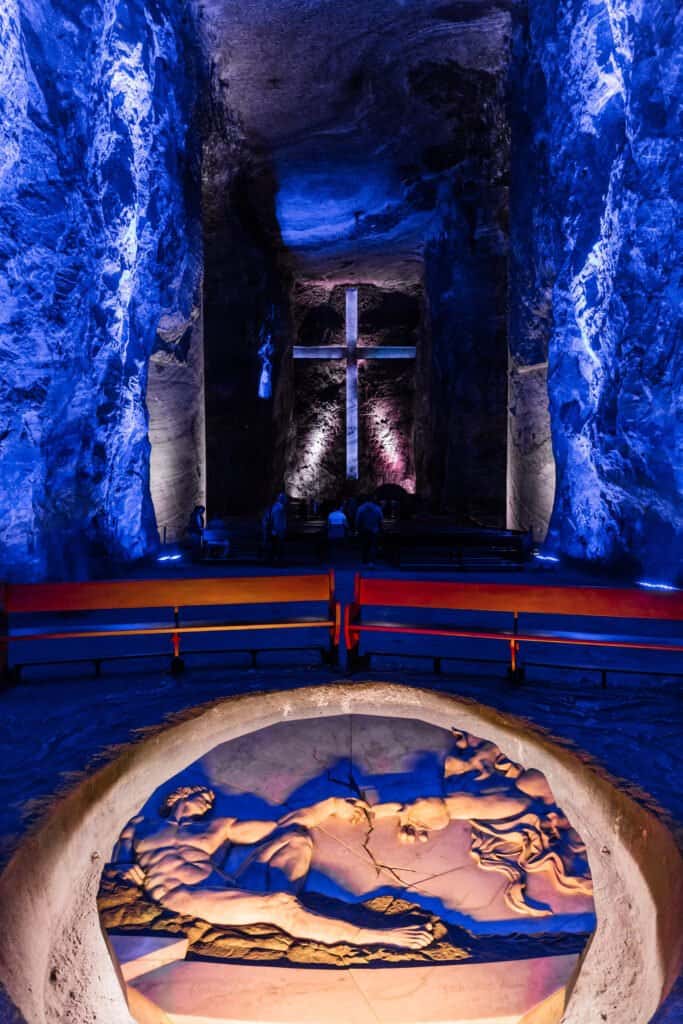
Catedral Diocesana in Zipaquira sits at the heart of this Andean town, about 50 kilometers north of Bogota. The cathedral is one of Colombia's most distinctive religious structures, built inside a hollowed-out salt mine 180 meters below street level. This subterranean setting makes it unlike any other cathedral in the country, and arguably in the world. The main nave and altar are carved directly from salt deposits, creating an otherworldly atmosphere that blends spiritual reverence with geological wonder.
The cathedral draws visitors from across Colombia and beyond, not as a functioning parish church for daily worship but as a pilgrimage site and cultural landmark. Its underground location meant that construction and carving required decades of careful planning and labor, transforming an industrial salt-mining operation into a sacred space. You'll find yourself in a cool, dimly lit chamber where every surface tells a story of both faith and human engineering.
Why this place matters
Catedral Diocesana represents a convergence of faith, geology, and ingenuity that defines how Colombians have adapted their landscape to their beliefs. The site honors both the country's Catholic heritage and the indigenous salt-mining traditions that predate European arrival. Zipaquira itself has been known for salt extraction since pre-Columbian times, and the cathedral transformed what was once purely industrial into something sacred.
The cathedral also serves as an economic anchor for the town. Pilgrims and tourists visiting the site support local businesses, and the site itself has become a point of regional pride. On religious holidays, particularly around Easter and Christmas, the cathedral fills with faithful visitors who descend into the earth to pray in this unique setting.
Quick facts
- Location: Calle 6 No 7-23, Zipaquira, approximately 50 kilometers north of Bogota
- Elevation: 180 meters below street level
- Built: The current cathedral was inaugurated in 1995, though salt mining at the site dates back centuries
- Entry: Requires a ticket; access is by guided tour or self-guided descent
- Best months: Year-round destination, though Easter week sees the largest pilgrimages
- Temperature: Stays around 12 to 14 degrees Celsius underground regardless of season
Getting there
From Bogota, take the highway north toward Zipaquira. The drive takes roughly 45 minutes to an hour depending on traffic. If you're using public transport, buses from Bogota's northern terminals run regularly to Zipaquira's town center. Once in Zipaquira, the cathedral is centrally located and walkable from the main plaza, or a short taxi ride if you prefer.
The entrance to the cathedral complex is accessed from street level, but you'll descend a long set of stairs or take an elevator into the salt mine itself. The descent itself is part of the experience. If you have mobility concerns, confirm elevator availability when you arrive, as access options can vary depending on maintenance schedules.
The layout and experience
The cathedral occupies a vast chamber within the salt mine. The main nave stretches out in front of you as you reach the bottom of the descent. The altar sits at the far end, typically illuminated to draw your eye deeper into the space. The walls, ceiling, and floor are all carved from crystalline salt deposits, which catch and reflect light in subtle ways.
Smaller chapels branch off from the main chamber. These side spaces were created for private prayer and devotion. Some visitors spend time in these quieter alcoves before approaching the main altar. The temperature underground remains constant year-round, so the air feels cool and still in a way that amplifies the sense of being in a sacred, removed space.
Walking the cathedral requires some physical stamina. The descent can be steep, and you'll be walking on salt-carved floors that can be slippery if wet. Comfortable, sturdy shoes are essential. The air underground is dry and clean, though some visitors find the enclosed environment slightly claustrophobic. Most people spend 45 minutes to an hour exploring the full space.
Main highlights
The altar is the centerpiece, typically adorned for the liturgical season. The craftsmanship in its design and placement shows careful planning to create a focal point within the natural salt chamber. Standing before it, you feel the weight of both the earth above and the intention of those who carved this space.
The Cross of Salt is another significant feature. This large cross dominates one section of the cathedral and serves as a powerful visual anchor. Its scale and the material from which it's carved create an immediate sense of presence.
The side chapels each hold their own character. The chapel dedicated to Mary, mother of Jesus, is a point of particular devotion for pilgrims. Others are designed for personal prayer and reflection. The variation in these spaces prevents the visit from feeling monotonous despite the singular material throughout.
History and background
Zipaquira's salt deposits were known and exploited long before Spanish colonization. Indigenous peoples mined salt here using methods suited to the landscape. After the Spanish arrived, salt extraction became formalized and intensified, with the mines supplying salt across the region for centuries.
The idea of transforming the salt mine into a cathedral emerged in the late 20th century as a way to honor the region's heritage and create a pilgrimage destination. The current cathedral was inaugurated in 1995 after years of careful carving and design. The project required both spiritual vision and practical engineering to ensure the structure would be safe and stable within the salt formation.
Prior to the 1995 cathedral, a smaller chapel existed in the mines starting in 1954, serving miners and the faithful. That earlier space was eventually replaced by the more extensive cathedral you see today, which allows for larger gatherings and provides a more developed spiritual environment.
Tickets and entry
Entry to Catedral Diocesana requires purchasing a ticket at the visitor center above ground. Ticket prices fall into a mid-range category, with discounts typically available for children, seniors, and students. Family passes may also be available depending on the season.
Most visits are self-guided after you descend, though guided tours in Spanish are offered and can enhance your understanding of the site's history and spiritual significance. If you speak limited Spanish, the self-guided approach with a map or printed guide is straightforward enough to follow. Photography is generally permitted in most areas, though specific restrictions may apply in certain sacred zones. Confirm current policies when you purchase your ticket.
Best time to visit
Catedral Diocesana is open year-round, and the underground environment means weather above ground doesn't affect your visit. The temperature remains constant, so you won't need to adjust for seasons in that respect. However, visiting during major religious celebrations like Easter or Christmas means you'll encounter larger crowds and a more festive, pilgrimage-focused atmosphere.
If you prefer a quieter experience, weekday visits outside of holiday periods tend to draw fewer visitors. Early morning is often less crowded than afternoons. The constant cool temperature underground makes any time of day comfortable, so your choice can be based on crowd preference rather than climate.
Photography tips
The lighting underground is carefully designed but still quite dim compared to outdoor settings. Bring a camera or phone capable of performing well in low light. A tripod can help if you want to capture longer exposures without blur, though check whether tripods are permitted before attempting to use one.
The salt walls have interesting texture and reflectivity. Angles that capture both the carved details and the scale of the chamber tend to work well. The altar area is typically the most dramatically lit section, making it a natural focal point for photography. Respect any posted restrictions on flash photography, as it can damage both the salt structure and the spiritual atmosphere for others.
Facilities and preparation
The visitor center above ground has restrooms and a small gift shop. Water and snacks are available, though options are limited, so consider bringing your own water bottle to carry down. The descent involves stairs and potentially an elevator, so plan accordingly if you have mobility limitations.
The cool temperature underground means you'll want to bring a light jacket or sweater even if it's warm above ground. The air is dry, so your skin may feel the effects of the mineral-rich environment. Wear sturdy, closed-toe shoes with good grip, as salt-carved floors can be slippery. Avoid wearing anything you're concerned about getting salt dust on.
The site is generally accessible for visitors in reasonable physical condition, but the descent and walking involved shouldn't be underestimated. Allow enough time for a leisurely visit rather than rushing through.
Combining with nearby attractions
Zipaquira's main plaza sits directly above the cathedral and is worth spending time in before or after your underground visit. The town has a colonial character with churches and buildings from the Spanish period. Local restaurants and cafes around the plaza serve typical Colombian fare and make for a good meal break.
The Salt Museum, also in Zipaquira, provides context for the salt-mining history that shaped the region. Visiting both the cathedral and the museum gives you a fuller picture of how salt shaped the town's identity and economy. The museum is within walking distance of the cathedral.
If you're traveling from Bogota, you might consider staying overnight in Zipaquira or nearby towns to explore more thoroughly, or make it a half-day excursion combined with other northern Colombian destinations.
Sample visit plan
Start your morning in Bogota and drive north to Zipaquira, arriving mid-morning. Explore the town plaza and grab coffee at a local cafe. Visit the Salt Museum to understand the mining context. By early afternoon, purchase your cathedral ticket and begin your descent. Spend 45 minutes to an hour exploring the main nave, side chapels, and the altar. Climb back up and eat lunch at a restaurant near the plaza. If time allows, visit any local shops or smaller churches in town before returning to Bogota in the late afternoon.
Practical tips
- Bring a light jacket or sweater regardless of the season above ground, as it's consistently cool underground
- Wear sturdy shoes with good grip; salt-carved floors can be slippery
- Bring your own water bottle; while water may be available, having your own ensures you stay hydrated
- Visit during the week or outside major holidays if you prefer fewer crowds
- Allow at least two hours total for the experience, including descent, exploration, and ascent
- Confirm photography policies and any current restrictions before entering
- If you're sensitive to enclosed spaces, the underground cathedral may feel claustrophobic; spend time in the larger main chamber first before exploring side chapels
- Cash is often preferred for tickets and gifts, though card payment may be available
FAQ
How far below ground is the cathedral? The main cathedral chamber is approximately 180 meters below street level, requiring a descent into the salt mine.
Is the cathedral still used for worship? Yes, Mass and religious services are held in the cathedral, particularly during holidays and special occasions. Check ahead if you're hoping to attend a service.
Can I visit if I have mobility limitations? An elevator is available to help with the descent, though you should confirm its operation status before arriving. Contact the visitor center directly if you have specific accessibility concerns.
What's the best time of year to visit? Any time of year works from a weather perspective since the underground temperature is constant. Easter and Christmas see larger pilgrim gatherings. Weekdays outside holidays tend to be less crowded.
How long does a typical visit last? Most people spend 45 minutes to an hour exploring the cathedral itself, plus time for the descent and ascent. Budget at least two hours total including arrival and any time spent in the visitor center.
Reviews
Sign in and mark this place visited to leave a review.
No reviews yet.
Free Trip Planner
Plan your Colombia trip with our free planner
Build a day-by-day itinerary with AI suggestions, hand-picked places, and friends. Free forever — no credit card.
Things to see near Catedral Diocesana

Barrio La Candelaria

Plaza de Bolívar

Avenida Jimenez