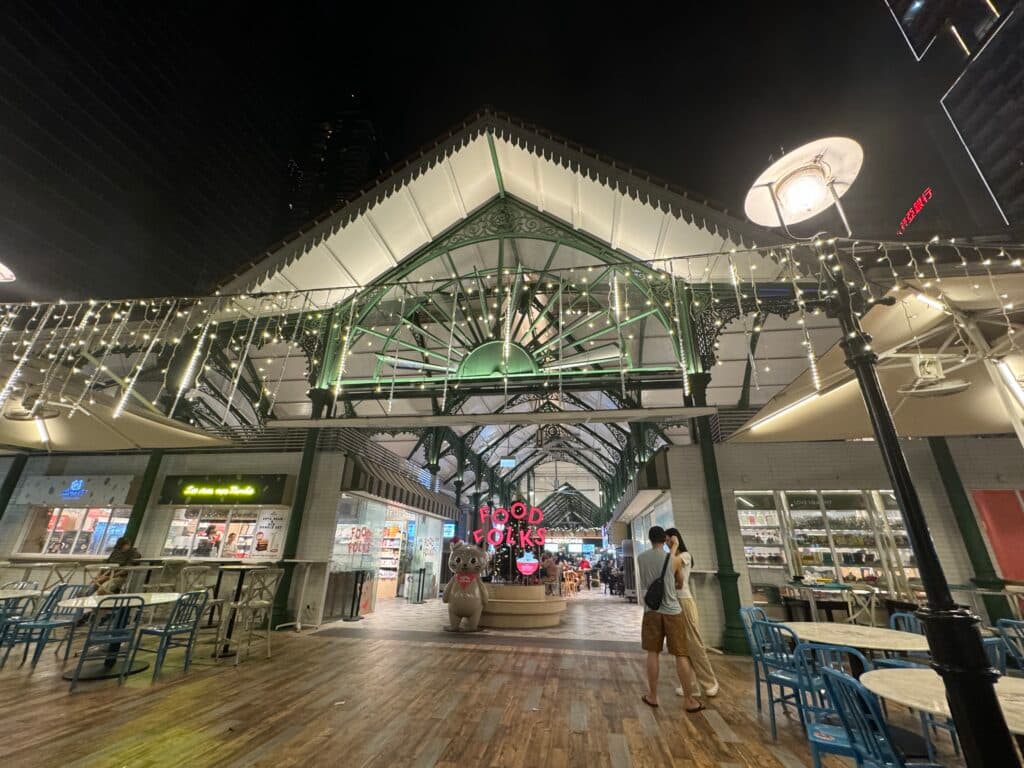
Chinatown (Singapore)
Crot Trengganu, Singapore 048942 Singapore Posted by bazartravelsAdmin
Chinatown Singapore
Chinatown Singapore sits in the heart of the city's historic core, just south of the Singapore River. This densely packed neighborhood of narrow streets, temple incense, and shophouses represents the oldest Chinese settlement on the island, dating back to the 1820s. Walking through Chinatown means stepping into layers of Singapore's past while encountering living traditions that have survived rapid modernization. The area pulses with energy, street food vendors, Buddhist temples, and shops selling everything from medicinal herbs to paper offerings. Unlike polished tourist zones, Chinatown feels genuinely inhabited and worked in, which is much of what draws visitors back.
Why this place matters
Chinatown is essential to understanding Singapore's identity. The neighborhood emerged when early Chinese merchants and laborers arrived to build the colonial port city. Rather than being dispersed, they clustered in this area, establishing clan associations, temples, and businesses that became the backbone of Singapore's economy and culture. The architecture tells this story: five-story shophouses with narrow frontages and deep interiors, designed to maximize trade space while minimizing property taxes. These buildings survived World War II and multiple rounds of urban redevelopment that erased similar neighborhoods elsewhere in Asia.
The spiritual life of Chinatown remains active. Thian Hock Keng temple, completed in 1841, still functions as a place of worship. Sri Mariamman temple, the oldest Hindu temple in Singapore (built in 1827), sits at the neighborhood's edge. These spaces are not museum pieces. On any given day you'll encounter worshippers making offerings, burning incense, and seeking guidance. For visitors, this authenticity is what distinguishes Chinatown from manufactured heritage zones.
Quick facts
- Location: South of the Singapore River, bounded roughly by New Bridge Road, Outram Road, and Maxwell Road
- Best entry points: Outram Park MRT station or Chinatown MRT station
- Area size: Approximately 1.4 square kilometers
- Primary streets: Pagoda Street, Smith Street, Temple Street, Trengganu Street
- Key temples: Thian Hock Keng (1841), Sri Mariamman temple (1827), Buddha Tooth Relic Temple (built 2007 but sits in historic Chinatown)
- No admission fee: The neighborhood is free to explore
- Best time: Early morning or late evening to avoid crowds and heat
Getting there
The easiest approach is via Chinatown MRT station on the Northeast Line. Exit at Pagoda Street and you're immediately in the neighborhood's commercial heart. Alternatively, use Outram Park MRT station (East West and North East lines) and walk east through the neighborhood for about 10 minutes. If you're coming from Marina Bay or the Colonial District, a 15-minute walk south crosses the Singapore River and deposits you at the neighborhood's northern edge near Ann Siang Hill.
Walking is the only sensible way to explore Chinatown. Streets are narrow, congested with foot traffic and vendor stalls, and designed for pedestrians. If you arrive by car, parking fills quickly and is expensive. Most visitors either use the MRT or combine Chinatown with a walking route that includes nearby areas like the Outram Keramat or Tanjong Pagar.
The layout and experience
Chinatown's geography is straightforward but feels labyrinthine when you're inside it. The neighborhood is roughly rectangular, with main commercial arteries running east-west (Pagoda Street, Smith Street, Temple Street) and residential lanes running north-south (Trengganu Street, Keong Saik Road). Traffic is one-way in many spots, which creates natural walking routes.
The sensory experience is immediate. Incense smoke drifts from temple doorways. Vendors call out in Mandarin, Hokkien, and English. You'll smell roasted chestnuts, herbal soups, and wet concrete. Shophouse facades display hand-painted signs, many in traditional Chinese characters. Ground floors are almost always commercial: coffee shops, noodle stalls, medicinal halls, souvenir shops. Upper floors are residential, and you can see washing hanging from windows and air conditioners protruding from walls.
Foot traffic clusters around Pagoda Street (especially the wet market area) and Smith Street (the evening food street). Temple Street is quieter and more residential. Trengganu Street, where the official address points, runs north-south and is lined with restored shophouses, some now housing cafes and small restaurants. Keong Saik Road, on the neighborhood's eastern edge, has become a nightlife hub in recent years with bars and clubs occupying historic spaces.
Main highlights
Thian Hock Keng temple anchors the neighborhood spiritually and geographically. Located on Telok Ayer Street at the southern edge, it's the oldest Chinese temple in Singapore and one of the most ornate. The main hall features elaborate roof decorations, carved wooden beams, and an active altar where locals burn incense. The temple is open to visitors outside of prayer times, though you should remove your shoes and observe quietly. Photography is generally permitted but be respectful of worshippers.
Sri Mariamman temple sits on South Bridge Road, just east of the main Chinatown grid. Its entrance is marked by a towering gopuram (temple tower) painted in bright colors. Inside, the space is cool and dimly lit, with intricate carvings and deity statues. This temple serves Singapore's Hindu community and hosts major festivals like Deepavali. Unlike Thian Hock Keng, it's less crowded with tourists.
Buddha Tooth Relic Temple on Sago Street is a newer addition (opened in 2007) but worth visiting for its contemporary interpretation of traditional Buddhist architecture. The temple houses what is claimed to be a tooth relic of Buddha. The building is immaculate and less atmospheric than older temples, but the rooftop garden offers views across Chinatown and the river. Entry to the temple is free, though there is a donation box.
The wet market on Pagoda Street, open most mornings, offers an authentic glimpse of how locals shop. Vendors sell fresh vegetables, dried goods, meats, and seafood. It's crowded and can be chaotic, especially around 9 AM. If you're squeamish about animal products, prepare yourself. The market is a place to observe, photograph (ask permission), and understand daily life rather than necessarily to purchase.
Shophouse interiors are worth exploring. Many have been restored and now house restaurants, galleries, or boutiques. The Old Parliament House, technically just north of Chinatown proper, exemplifies the 19th-century colonial architecture that influenced the neighborhood's look. Several streets have plaques identifying historic buildings and their original uses.
History and background
Chinatown emerged almost by accident. When Sir Stamford Raffles established Singapore as a trading post in 1819, he designated zones for different communities. Chinese merchants and coolies gravitated to the area south of the river, partly because land was cheaper and partly because of existing Chinese business networks. By the 1830s, the neighborhood was established. The shophouse form became standardized: narrow frontage to minimize taxes, deep interior for storage and living, and upper floors for family quarters or rental income.
The neighborhood thrived as a mercantile hub through the 19th and early 20th centuries. Clan associations formed (you can still see their names on buildings), secret societies fought for control, and temples were built to serve specific dialect groups. Hakka, Hokkien, Cantonese, and Teochew communities coexisted, each with their own associations and temples. This diversity is part of why Chinatown feels complex rather than monolithic.
World War II caused severe disruption. Singapore fell to Japanese occupation in 1942, and the neighborhood suffered like the rest of the city. Post-war, Chinatown declined as newer commercial zones opened and younger Chinese moved to public housing estates. By the 1980s, the area was run-down and facing demolition. Instead, the government designated it a historic district and began restoration. This process, which continues today, preserved shophouses while upgrading utilities and introducing modern businesses. The result is a neighborhood that looks historic but functions as a living, working area rather than a museum.
Best time to visit
Early morning, between 7 and 9 AM, is ideal if you want to see Chinatown before crowds arrive. The wet market is in full swing, shopkeepers are opening shutters, and the neighborhood has a working rhythm that tourists see less of later in the day. The air is cooler, and light is better for photography.
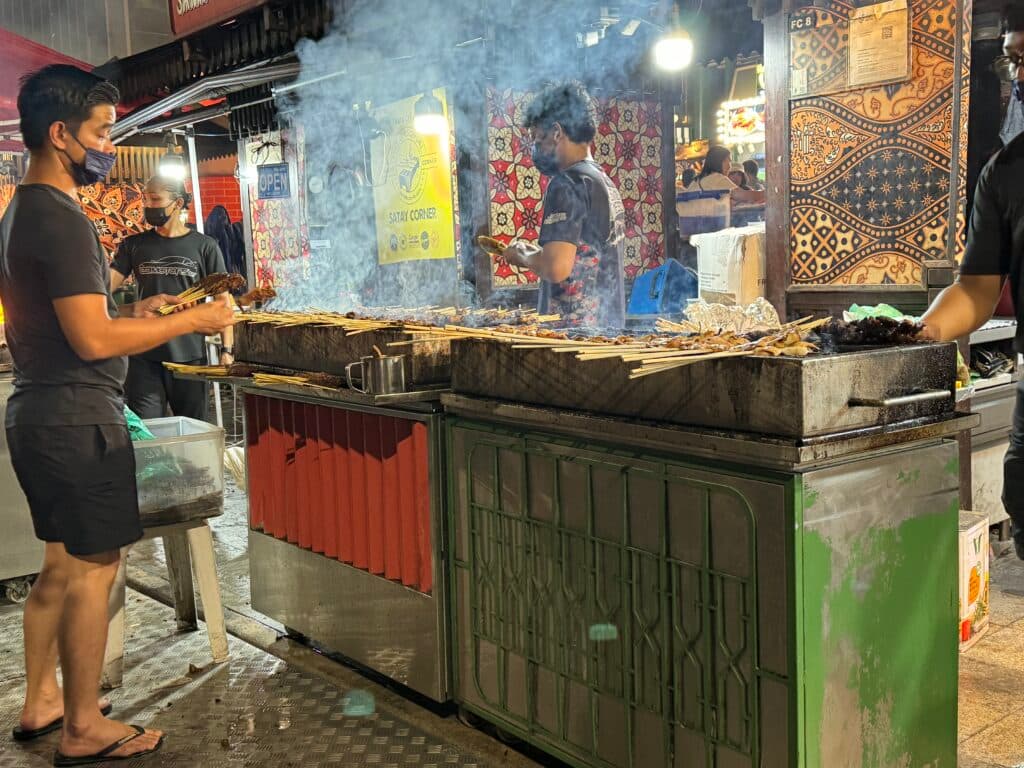
Late afternoon into evening, after 5 PM, brings a different energy. Smith Street transforms into a food street with vendor stalls and outdoor seating. Locals come for dinner. The neighborhood is animated but less touristy than midday.
Avoid midday between 11 AM and 3 PM. The sun is brutal, crowds are heaviest, and many shopkeepers close for lunch. Humidity is also at its peak, making walking uncomfortable.
During Chinese New Year and Mid-Autumn Festival, Chinatown hosts celebrations and decorations. Lanterns hang from buildings, and the streets are more crowded than usual. This is when to visit if you want to experience cultural events, but be prepared for serious crowds.
Photography tips
The narrow streets and overhanging shophouses create dramatic shadows and layers. Shoot early morning when light is soft and angled. The wet market is visually rich but crowded and ask before photographing vendors or their goods. Temple interiors are dark and incense creates atmospheric haze. A higher ISO or faster lens helps capture the mood without a flash, which can be disruptive.
Rooftop views from Buddha Tooth Relic Temple or Ann Siang Hill offer context shots of the neighborhood's shophouse density. Street-level details like old signage, doorways, and vendor stalls are more interesting than broad vistas. Look for patterns: rows of red lanterns, repetitive shophouse facades, colorful temple decorations.
Ask permission before photographing people, especially in temples and at food stalls. Most vendors are used to tourists and don't mind, but it's a courtesy that often leads to better interactions and better photos.
Facilities and preparation
Chinatown has good infrastructure. There are numerous cafes, restaurants, and hawker stalls throughout the neighborhood, so food is never far away. Public restrooms are located at malls and temples, though they're not always obvious. The nearest major shopping mall with full facilities is Pinnacle@Duxton, just east of the neighborhood.
The neighborhood is pedestrian-friendly but requires walking and navigating crowds. Wear comfortable shoes and bring water. Humidity is high year-round. Sunscreen and a hat are essential, especially if visiting midday. If you have mobility issues, the narrow streets, uneven pavements, and crowds can be challenging, though main streets like Pagoda and Smith are relatively accessible.
There are ATMs throughout the neighborhood. Most vendors accept both cash and card, though some older stalls prefer cash. If you plan to visit temples, dress respectfully: covered shoulders and knees are appreciated, though not strictly enforced.
How it compares to similar places
Singapore has other heritage neighborhoods. Little India, to the north, is similar in scale and character but centers on Hindu temples and Indian businesses rather than Chinese ones. Kampong Glam, to the east, preserves Malay and Arab heritage around the Sultan Mosque. Chinatown differs in being more densely packed, more architecturally uniform (due to the shophouse form), and more commercially vibrant. It feels less sanitized than some other heritage zones, partly because it remains a working neighborhood rather than primarily a tourist attraction.
Compared to Chinatowns in other cities, Singapore's is smaller and less economically dominant. San Francisco's Chinatown or Bangkok's Yaowarat are larger and more sprawling. Singapore's version is compact enough to explore thoroughly in a few hours, which makes it accessible for travelers with limited time. It's also less touristy than some overseas Chinatowns, meaning you encounter more everyday life and fewer tourist traps.
Combining with nearby attractions
Chinatown's location makes it easy to combine with other districts. A walk north across the Singapore River brings you to the Colonial District, home to the National Museum, City Hall, and the Padang (cricket green). This walk takes 15 minutes and crosses the historic Cavenagh Bridge or the modern Millennium Bridge. East of Chinatown lies Tanjong Pagar, a neighborhood of converted warehouses now housing restaurants, galleries, and bars. South of Chinatown is Outram, quieter and more residential, but home to the Outram Keramat (a historic shrine) and various shophouses being slowly converted to cafes.
Marina Bay is a 20-minute walk east from Chinatown's eastern edge. Combining a morning in Chinatown with an afternoon at Marina Bay and the Merlion is a common itinerary. The Peranakan Museum sits on the northern edge of the neighborhood and covers the history of Peranakan Chinese culture, a distinct blend of Chinese and Malay traditions.
Sample visit plan
For a two-hour visit: Start at Chinatown MRT at 7:30 AM. Walk Pagoda Street to see the wet market and morning activity. Explore the smaller lanes (Trengganu, Temple Street) for shophouses and cafes. Visit Thian Hock Keng temple by 8:45 AM. Grab breakfast or coffee at a local shop by 9:30 AM. Walk back to the MRT by 10 AM.
For a half-day visit (four hours): Add Sri Mariamman temple, Buddha Tooth Relic Temple, and the rooftop views. Have lunch at a hawker stall or restaurant. Explore Keong Saik Road or Ann Siang Hill for the neighborhood's evolution into a nightlife zone. Spend more time in temple interiors and shophouse galleries.
For a full day: Start early, walk the entire neighborhood methodically, have lunch, rest in a cafe, return in late afternoon for Smith Street food stalls and dinner. Visit museums like the Peranakan Museum or the Chinese Heritage Centre (located nearby). Walk to Marina Bay or the Colonial District in the late afternoon.
Practical tips
- Use Chinatown MRT station as your primary entry and exit point. It's centrally located and connections are clear.
- Bring cash. Many small vendors and older stalls don't accept cards. There are ATMs throughout the neighborhood.
- Visit temples between 9 AM and 5 PM when they're most accessible. Avoid during private prayer times, though these are flexible.
- The wet market is most active between 7 and 10 AM. After 10 AM, vendors begin closing and the energy drops.
- Smith Street food stalls typically open around 5 PM. Arrive after 6 PM when selection is full and the street is crowded with locals and tourists.
- Rent a locker or leave large bags at your hotel. Chinatown's streets are crowded and narrow, and carrying luggage is cumbersome.
- Walking maps are available at Chinatown MRT station. Several apps provide heritage walking routes with historical information.
- If you're interested in shophouses, the Urban Redevelopment Authority (URA) publishes detailed guides to the architecture. These are sometimes available at information centers.
FAQ
Is Chinatown safe? Yes. It's a well-policed, busy neighborhood with constant foot traffic. Petty theft does occur in crowded areas, so watch your belongings as you would in any dense urban area. The neighborhood is safe to walk at night, though lighting on side streets can be dim.
How long should I spend in Chinatown? Two to three hours is sufficient to see the main temples, walk the main streets, and eat. If you want to explore less-visited lanes, visit museums, or spend time in cafes, plan four to five hours.
Are there restrooms in Chinatown? Public restrooms are available at temples and shopping malls, but they're not abundant on the streets. Use facilities at cafes or temples when you encounter them.
Can I visit temples as a non-Buddhist? Yes. Temples are open to visitors of all faiths. Remove your shoes, dress respectfully, and observe quietly. Avoid touching altars or religious objects unless invited.
What's the best food to eat in Chinatown? Laksa, chicken rice, noodle soups, and dim sum are popular. Hawker stalls offer these cheaply. For sit-down meals, restaurants on Keong Saik Road, Ann Siang Hill, and Tanjong Pagar side streets offer local and fusion cuisine.
Reviews
Sign in and mark this place visited to leave a review.
No reviews yet.
Free Trip Planner
Plan your Singapore trip with our free planner
Build a day-by-day itinerary with AI suggestions, hand-picked places, and friends. Free forever — no credit card.