
Copper Mountain on the map
3 places from this guide. Tap a pin to open the listing.
Overview
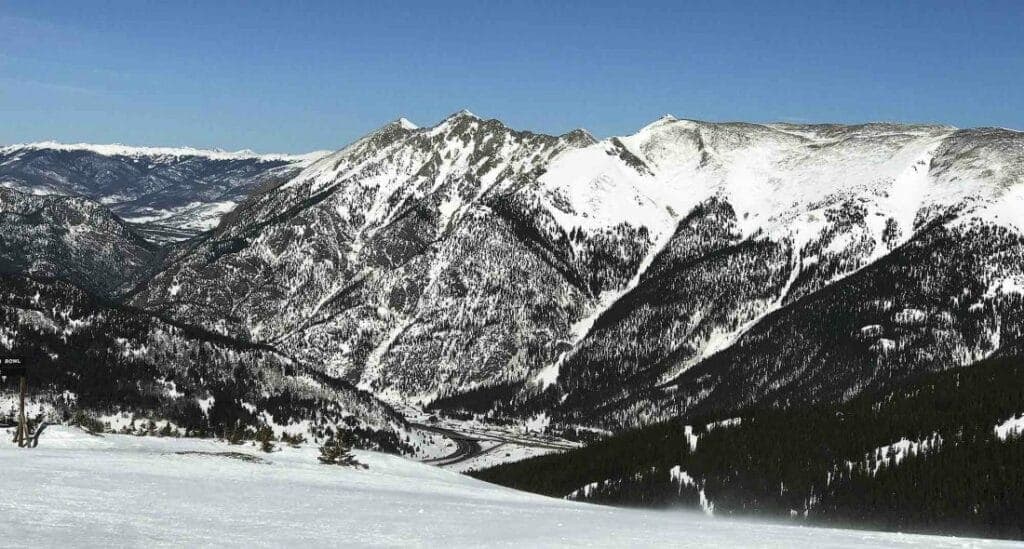
This Copper Mountain travel guide covers a resort that the US Forest Service has singled out as one of the best ski areas in North America, largely because it handles beginners, intermediates and experts without any one group feeling like an afterthought. Copper Mountain sits about 77 miles (120 km) from Denver, a straight shot down I-70, and spreads across roughly 2,465 acres below the jagged line of the Tenmile Range. The terrain naturally separates by ability, which is part of why the mountain works so well for mixed groups: beginners and families tend to stay on the west side, intermediates spread through the center, and experts head toward the more exposed bowls to the east.
The resort runs 125 trails over 22 lifts, including a six-person high-speed lift, five doubles, five triples and a scatter of surface lifts and quads, some moving fast enough to get you up the hill in a hurry. Of those trails, about 18% are rated expert, 36% advanced, 25% intermediate and 21% beginner, so the skew favors stronger skiers even though there's plenty for people still finding their edges. Lifts open at 9am on weekdays and roughly half an hour earlier on weekends, and the upper lifts close by 3pm, which gives you a firm 30-minute window to squeeze in a last run before the day ends.
The base area, Copper Mountain Resort - Center Village, is where most of the lodging, dining and rental shops cluster, and it's the easiest place to orient yourself on your first morning. A short walk from there is the Woodward Copper Barn, a year-round training facility built around foam pits, trampolines and indoor ramps that let skiers and riders of any age work on tricks before taking them outside. It's one of the reasons Copper has built a reputation as a place where people learn to ski and then keep coming back.
When to Visit
Ski season at Copper Mountain generally runs from November through April, though exact opening and closing dates shift with snowfall each year. In one season on record, November through April brought nearly 284 inches of total snowfall, and in the author's own experience, late February into early March tends to produce the best snow conditions, when the base is deep but the storms are still frequent. Early season (November, early December) can be thinner and more weather-dependent, so check snow reports before locking in a trip.
Holiday weeks and President's Day in February are the busiest stretches, with longer lift lines and higher lodging demand. Weekdays, especially January into early February, tend to be quieter and often cheaper. Outside winter, Copper shifts to hiking, mountain biking and scenic chairlift rides, with the Tenmile Range providing some of the more dramatic backdrops for trail running and day hikes in the summer months.
Where to stay
Copper Mountain Resort - Center Village is the obvious choice if you want to walk to the lifts and skip driving altogether. Rooms and condos here are convenient but tend to run on the pricier side, especially during peak weeks.
- Center Village (at the resort): ski-in/ski-out convenience, restaurants and rental shops within walking distance, best for anyone prioritizing ease over price.
- Frisco: about a 15 to 20 minute drive, with a walkable Main Street, lake views and a mix of budget and mid-range hotels.
- Silverthorne: slightly farther but often cheaper, with chain hotels and a large outlet mall for non-ski days.
- Breckenridge: a bit further south, worth considering if you want a livelier nightlife scene alongside your skiing.
If the resort's on-mountain lodging is out of budget, Frisco and Silverthorne are the two towns locals point to first, both offering a wide range of short-term rentals and standard hotels at a noticeably lower price point.
How to reach the destination
Denver International Airport is the main gateway. From the airport, follow Peña Boulevard to I-70 West, then take exit 195 for Copper Mountain, a drive that typically takes around an hour and a half outside of storm or holiday traffic. Eagle County Regional Airport, near Vail, is a smaller alternative with some direct flights (including from DFW), though most routes connect through Denver anyway.
If you're not driving, Bustang, operated jointly by Greyhound and the Colorado Department of Transportation, runs daily service to Copper Mountain and is a reasonable option if you'd rather skip winter driving on I-70 altogether.
Getting around the destination
There's a shuttle at the resort that covers the immediate base area, but plan on having a car if you want flexibility, especially if you're staying in Frisco, Silverthorne or Breckenridge and commuting in. I-70 is a straightforward drive from Denver, but winter storms can slow things down or close the interstate briefly, so build in extra time and check CDOT road conditions before you leave.
Top destination travel tips
- Copper Mountain sits at a base elevation close to 9,700 feet, so give yourself a day to adjust if you're coming from sea level. Hydrate more than feels necessary and go easy on alcohol the first night.
- Arrive at opening if you want first tracks, particularly after a big overnight snowfall. Powder gets skied out fast once the lifts start turning.
- Keep an eye out for gas station promotions that pair a fuel purchase with a buy-one-get-one lift ticket deal. These run periodically during ski season and can meaningfully cut costs.
- If you're learning, book a lesson through the Woodward Copper Barn program rather than figuring it out solo. The indoor training setup makes the learning curve less punishing.
- Dress in real layers. Base elevation is cold, but exposed ridgelines near the Tenmile Range can be windy and feel considerably colder than the forecast suggests.
- Buying a lift ticket at the window around midday, rather than first thing in the morning, often gets you a discounted half-day rate if you're not planning to ski the full day.
- Parking fills up fast on weekends and holidays, so arrive early or expect to park farther from the base than you'd like.
Typical costs in the destination
Lift tickets at Copper Mountain fall into the upscale range for a full day, with prices varying by date, demand and how far in advance you book, so check current rates directly with the resort before planning your trip. Buying at the window around midday typically gets you a discounted partial-day rate, and watching for seasonal gas station BOGO promotions can knock a meaningful chunk off the cost of a multi-day trip.
Lodging at Center Village runs upscale, especially during peak weeks, while Frisco and Silverthorne offer budget to mid-range hotels and a wide pool of short-term rentals. Food and rentals on-mountain tend to sit at the higher end, so packing your own snacks and comparing rental shops in Frisco or Silverthorne before you drive up can save some money.
Must try food and drinks
- Green chile: a Colorado staple, often served smothered over breakfast burritos or fries at base-area restaurants.
- Elk burger: a mountain-town menu regular, leaner than beef and usually served with a side that leans toward comfort food after a cold day.
- Colorado craft beer: the state's brewing scene is deep, and several local breweries pour at bars around Center Village and in nearby Frisco.
- Hot chocolate or mulled cider: the standard apres-ski warm-up, available at most of the base lodges.
- Breakfast burrito: a common fuel-up before an early lift line, widely available at cafes near the base.
FAQ
Can you visit Copper Mountain as a day trip from Denver?
Yes, Copper Mountain works well as a day trip from Denver since it sits about 77 miles (120 km) away on a direct I-70 drive. Lifts open around 9am on weekdays and slightly earlier on weekends, so leaving early maximizes your time on the mountain. Winter weather and traffic can slow the drive, so check road conditions before you set out.
Is Copper Mountain good for beginners?
Yes, Copper Mountain has terrain for every level, though beginners get a smaller share of the 125 trails than advanced skiers do. Roughly 21% of trails are rated beginner, 25% intermediate, 36% advanced and 18% expert. The Woodward Copper Barn adds a dedicated indoor space for first-timers to build skills before heading outside, and booking a lesson there is worth the extra cost if you're new.
When is the best time to visit Copper Mountain?
Late February into early March tends to bring the best snow conditions, based on seasonal patterns at the resort. The ski season generally runs November through April, so other months within that window work too, but snow quality varies year to year. Check current snow reports before locking in dates.
What is there to do at Copper Mountain besides skiing?
Copper Mountain offers snow tubing, snowshoeing, hiking, biking and snowmobiling alongside its ski and snowboard terrain. The freestyle parks are floodlit, so riding can continue after the lifts shut down for the day. Availability of specific activities shifts by season, so confirm what's running with the resort before you go.
How many days do you need at Copper Mountain?
Two to three days covers most of what Copper Mountain offers for the average skier or snowboarder. With 125 trails spread across 2,465 acres, you can ride varied terrain without repeating the same runs too often. Add a day if you want to try tubing, the freestyle parks, or a session at the Woodward Copper Barn, and consider basing yourself in Frisco or Silverthorne for easier access to both the mountain and nearby towns.
Will altitude be a problem at Copper Mountain?
Altitude can affect visitors coming from lower elevations, since the base sits near 9,700 feet and some lifts climb well above that. Mild headaches, fatigue or shortness of breath are common in the first day or two. Drinking more water than usual, pacing your first day on the slopes, and limiting alcohol intake early on all help you adjust faster.
Is Copper Mountain better than other Colorado ski resorts?
Copper Mountain stands out for its natural separation of terrain by ability, which keeps beginners, intermediates and experts from constantly crossing paths. Whether it's "better" than resorts like Breckenridge or Vail depends on what you're after, but for a mixed-ability group looking for an affordable, easy-to-reach option from Denver, this Copper Mountain travel guide would put it near the top of the list.
Top Places to Visit in Copper Mountain
View all See & Do
Copper Mountain Resort - Center Village
 See & Do
 See & Do