Cuyahoga Valley National Park
Ohio, USA Posted by bazartravelsTraveler
Overview
Cuyahoga Valley National Park sprawls across 33,000 acres of northeastern Ohio, stretching roughly 22 miles between Cleveland and Akron. The park protects a landscape of steep ravines, dense forests, and the Cuyahoga River itself, which winds through the valley in a series of dramatic loops. Unlike many national parks, this one sits within an urban corridor, making it unusually accessible for day trips and weekend escapes. You can reach major sections by car in under an hour from either city, or by the Cuyahoga Valley Scenic Railroad that runs through the park's heart.
Why this place matters
The Cuyahoga River was once so polluted it caught fire in 1969, becoming a symbol of industrial decline. Today the park represents an environmental recovery story. The river now supports fish and wildlife, and the surrounding valley has transformed from a post-industrial landscape into a place where people actively recreate and reconnect with nature.
The park also protects a legacy of American innovation. The Ohio and Erie Canal, built in the 1820s to connect Lake Erie and the Ohio River, runs through the valley. The canal turned Akron into a rubber manufacturing hub and shaped the region's entire economic history. You can still walk sections of the towpath that parallels the canal.
Quick facts
- Established as a national park in 2000, one of the youngest in the system
- 33,000 acres across eight counties in northeastern Ohio
- Cuyahoga Valley Scenic Railroad operates seasonally with multiple stops in the park
- Free general admission to the park and most facilities
- Over 125 miles of hiking trails ranging from short walks to full-day treks
- Home to Ledges Trail, one of the most popular hikes in the region
Getting there
From Cleveland, take I-77 south toward Akron. The park's northern entrance and visitor center are roughly 30 minutes away. From Akron, head north on I-77 for about 20 minutes to reach the southern sections. Most major trailheads have dedicated parking lots along Ohio Route 8 and local roads that cut through the park.
If you prefer not to drive between trailheads, the Cuyahoga Valley Scenic Railroad offers a practical alternative. The train stops at multiple points including Peninsula Station, Ledges Trail, and Boston Mill Visitor Center, allowing you to hop on and off throughout the day during operating seasons.
The layout and experience
The park is not a single concentrated area. Instead, it's a chain of connected properties and natural areas spread along the river valley. This means you'll choose specific destinations rather than "doing the whole park" in one visit.
The northern section near Cleveland includes the Ohio and Erie Canal Towpath Trail, which is relatively flat and popular with cyclists and casual walkers. The middle section around Peninsula and the Ledges is the most dramatic, with steep ravine walls, waterfalls, and the river's tightest curves. The southern section near Akron tends to be quieter and offers different trail networks.
Because the park threads through towns and neighborhoods, you'll encounter a mix of wild forest and human infrastructure. This isn't remote wilderness. It's rewilded land that's been reclaimed from industrial use and sits comfortably alongside suburban development. That proximity to cities is part of its appeal.
Main highlights
Ledges Trail is the signature hike. The full loop runs 8.1 miles and descends into a steep ravine with hemlock forests, several small waterfalls, and the Cuyahoga River. Most people do it as a point-to-point hike using the railroad for a return trip. The elevation change is significant but the trail is well-maintained and marked.
Towpath Trail follows the original Ohio and Erie Canal for about 20 miles through the park. You can walk or bike any section. The northern portions near Cleveland are flattest and most accessible. The trail passes through both forested areas and restored canal infrastructure, letting you experience the landscape and the history simultaneously.
Brandywine Falls is a 65-foot cascade and the highest waterfall in Ohio. The falls sit within Ledges Trail, but you can also reach them via a short spur. They're most impressive during spring snowmelt and after heavy rain, though water flows year-round.
Boston Mill Visitor Center serves as the main information hub. It's a good starting point if you're new to the park, with staff who can recommend trails based on your fitness level and interests. The building itself sits in a historic mill building.
The Ohio and Erie Canal towpath and restored sections offer a chance to understand the 1820s engineering that transformed the region. Lock 39 is one of the best-preserved canal structures you can actually walk around.
History and background
The Ohio and Erie Canal was completed in 1832 and ran 308 miles from Lake Erie to Portsmouth on the Ohio River. The section through Cuyahoga Valley was crucial to the region's growth. Akron exploded as a canal town and became the world's rubber capital by the early 1900s. Cleveland grew as a major port and industrial center.
The canal declined after railroads arrived in the mid-1800s, and the valley became dominated by factories, mills, and refineries. By the 1960s and 1970s, the Cuyahoga River had become one of the most polluted rivers in the country. The 1969 fire, while dramatic, was one of at least ten documented fires on the river between 1868 and 1969.
The environmental movement of the 1970s led to cleanup efforts. The Clean Water Act of 1970 provided federal funding. Local activists and organizations pushed for preservation of remaining green space. In 2000, Congress officially established Cuyahoga Valley National Park, one of the few national parks created in the 21st century and the first in Ohio.
Tickets and entry
There is no entrance fee to Cuyahoga Valley National Park. You can park at any designated trailhead or visitor area for free. Some specific attractions or services (like the Scenic Railroad rides or tours) charge separate fees, but general park access is open to everyone.
The park operates 24/7, though most facilities have standard daytime hours. Visitor centers typically close at sunset.
Best time to visit
Spring brings wildflowers and full water flow in the waterfalls, especially Brandywine Falls. The forest floor blooms with trillium and other native plants. It's also when the Cuyahoga Valley Scenic Railroad typically begins its seasonal schedule.
Fall is peak season for hiking. Temperatures are mild, the foliage turns brilliant, and the river is usually at a comfortable level for wading if you choose. Weekends can be crowded on popular trails like Ledges.
Summer is warm and humid, and mosquitoes can be active near the river. Most visitors still come, and the park stays busy.
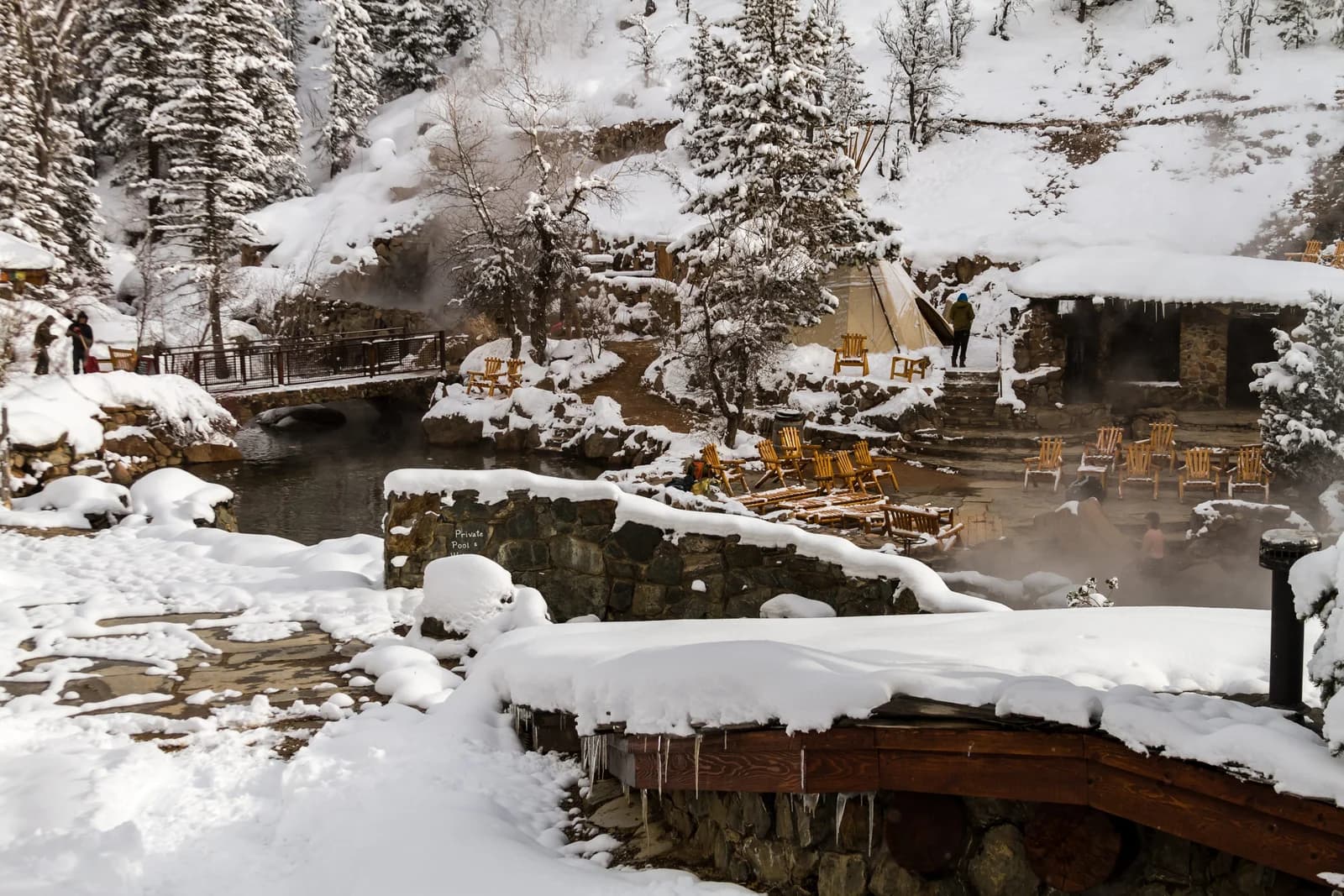
Winter is quieter and reveals the landscape's structure. If you hike after a light snow, trails are peaceful and the ravines feel especially dramatic. Heavy snow can make trails slippery.
Photography tips
Brandywine Falls photograph best in morning light, and you'll want a wide-angle lens to capture the full height and the ravine context. Approach from the official viewpoint rather than scrambling off-trail, which damages soil and vegetation.
The Ledges Trail offers countless composition opportunities: the river's loops from overlooks, hemlock groves with dappled light, and the contrast between dense forest and open water. Overcast days actually work well because the soft light suits the shaded ravine environment.
The Ohio and Erie Canal towpath is excellent for long compositional shots in early morning light, when the restored sections and water reflect the sky.
Facilities and preparation
There are no lodges, hotels, or campgrounds inside the park itself. However, the surrounding towns of Peninsula, Boston, and Akron have restaurants, shops, and accommodations. Many people day-trip from Cleveland or Akron, which are both 20 to 40 minutes away depending on which park section you're visiting.
Bring plenty of water, especially for longer hikes. Cell service is spotty in the ravine areas. Trails are well-marked, but a map or offline GPS app is smart to have. Mosquito repellent is useful, particularly near the river in warm months.
Parking lots fill on weekends, particularly at Ledges Trail and Towpath Trail popular access points. Arriving before 9am on Saturday or Sunday helps avoid crowds.
Combining with nearby attractions
Peninsula, the small village on the park's northern edge, has restaurants and shops. It's a good place to grab lunch or coffee before or after hiking.
The Summit County area around Akron, to the south, includes other outdoor recreation opportunities and the Akron Art Museum if you want cultural activities alongside nature.
Cleveland's museums, restaurants, and waterfront are 30 to 45 minutes north. You could combine a park visit with time in the city.
Sample visit plan
If you have half a day, start at Boston Mill Visitor Center in the morning. Walk the short paved path to Brandywine Falls, then pick one section of Ledges Trail (the lower loop is 3.3 miles and doable in two hours). Grab lunch in Peninsula on your way out.
For a full day, drive to Peninsula and take the Scenic Railroad south to Ledges Trail. Hike the 8.1-mile loop, which takes four to five hours depending on pace and photo stops. Ride the train back north. End the day at a restaurant in Peninsula or Cleveland.
If you're interested in canal history, combine Towpath Trail exploration with a stop at the Canal Visitor Center in downtown Akron, which has exhibits on the canal's impact on the region.
Practical tips
- Ledges Trail parking fills quickly on weekends. The Scenic Railroad stops directly on the trail, so that's a smart alternative to driving
- Dogs are allowed on leash throughout the park and on most trails
- The Cuyahoga River is generally not safe for swimming due to water quality, though wading is possible in shallow areas
- Ticks are present, especially in spring and early summer. Do a full-body check after hiking and wear long pants in tall grass
- Thunderstorms develop quickly in the ravines. If you hear thunder, move to higher ground or exit the ravine
- The park spans multiple towns and counties, so cell service varies by location
FAQ
Can I bike in Cuyahoga Valley National Park? Yes. The Ohio and Erie Canal Towpath Trail is open to cyclists and is the flattest, most accessible biking option. Some other trails allow bikes, but most are foot-traffic only. Check the park website for specific trail regulations.
Is the Cuyahoga Valley Scenic Railroad worth the cost? If you want to hike Ledges Trail without worrying about parking or driving between two trailheads, yes. The train also offers a different perspective on the landscape. It's not essential, but it's a practical and scenic option.
How crowded does the park get? Popular trails like Ledges are busy on weekends and moderate on weekdays. The Towpath Trail sees steady foot and bike traffic. Smaller side trails are often quiet. You'll encounter other people, but it's not an overcrowded experience on most days.
Are there restrooms and water fountains? Yes, at visitor centers and major trailheads. Bring extra water anyway, especially on longer hikes. Facilities are not present on remote trail sections.
Opening hours
Reviews
Sign in and mark this place visited to leave a review.
No reviews yet.
Free Trip Planner
Plan your Ohio trip with our free planner
Build a day-by-day itinerary with AI suggestions, hand-picked places, and friends. Free forever — no credit card.