Dunton Hot Springs
8532 Road 38, Dolores, CO 81323, USADunton Hot Springs sits at the end of a dirt road in the West Fork valley outside Dolores, Colorado, tucked into a pocket of the San Juan Mountains that most people driving the region's scenic byways never actually see. It began as a mining camp in the 1880s, emptied out once the ore ran thin, and spent much of the 20th century as a quiet collection of weathering log buildings before being rebuilt into one of the more unusual resorts in the American West. The cabins are original or rebuilt log for log. The saloon still has its bar. And the hot springs that drew prospectors here in the first place still surface in several spots around the property, including, famously, under the saloon floor itself.
This is not a place you pull off the highway to soak for an hour. Dunton Hot Springs operates almost entirely as a private resort, typically booked by the cabin or reserved in full as a buyout of the entire town. It sits at the upscale end of Colorado hospitality, and the remoteness is part of the deal rather than an inconvenience to work around.
Why Dunton Hot Springs matters
Colorado's mining country is littered with ghost towns, and most of them end up one of two ways. Either they're bulldozed flat and forgotten, or they're turned into a roadside attraction with a parking lot and a gift shop selling fool's gold. Dunton took a different route. When the restoration happened, the original buildings weren't cleared to make room for something new. The saloon, the bathhouse, and the cluster of log cabins stayed more or less where they'd always stood, rebuilt log by log rather than replaced wholesale.
The result doesn't feel like a themed resort dressed up to look old. It feels like an actual mining town that happens to have good linens and working plumbing now. For anyone curious about 19th-century mining history, the geology of Rocky Mountain hot springs, or simply the novelty of soaking in mineral water that bubbled up under a 19th-century bar, Dunton is a genuinely strange and specific stop, unlike almost anywhere else in the state.
Quick facts
- Location: 8532 Road 38, Dolores, CO 81323, in the West Fork valley of the San Juan Mountains
- Former identity: an 1880s gold and silver mining camp, later abandoned for much of the 20th century
- Current form: a small luxury resort built from restored and reconstructed log cabins
- Hot springs: natural geothermal water surfaces at several points on the property, including inside the old saloon building
- Booking style: usually reserved as individual cabins or as a full-property buyout, not a pay-per-soak visit
- Price tier: upscale to luxury, among the more expensive overnight stays in the region
Getting there
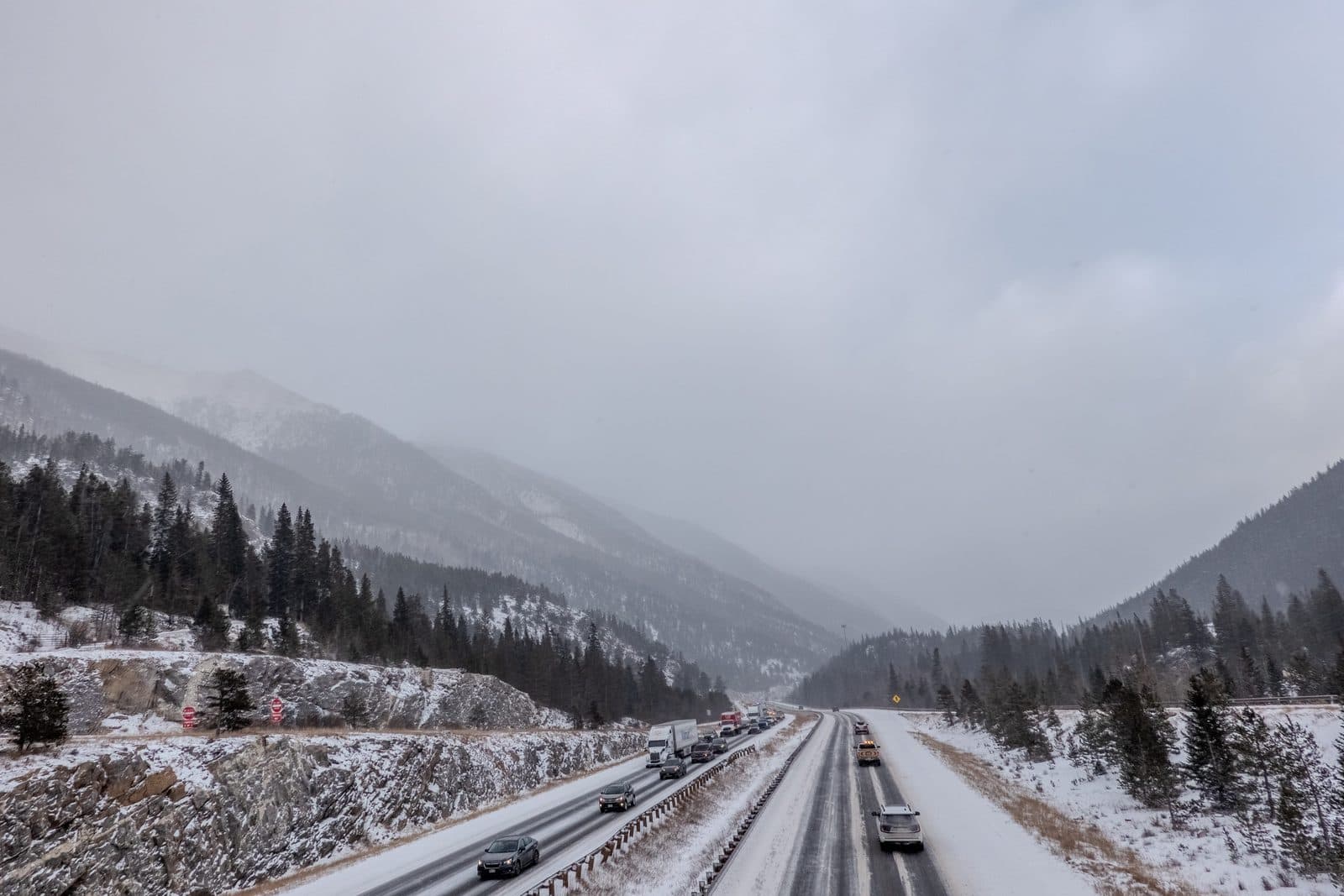
Dunton is remote even by Colorado mountain standards, which is saying something in a state full of dead-end mountain roads. The nearest town of any real size is Dolores, and from there the route climbs into the West Fork valley along forest roads, with the final stretch unpaved. How bad that stretch is depends heavily on the season. Snow closes or seriously complicates access for much of the winter, and even in summer a high-clearance vehicle is worth having. Expect washboard gravel and the occasional stream crossing, both typical of this part of the San Juan National Forest.
Telluride sits roughly over the mountains to the north, and it's tempting to assume you can cut straight through. You can't, not reliably. Reaching Dunton from that direction usually means backtracking around rather than crossing over, since there's no dependable paved connection through the high country between the two. Most guests treat Dunton as a destination in itself rather than a stop on a faster route elsewhere, and build extra driving time into the plan, particularly if you expect to arrive after dark.
History and background
Dunton started as a mining camp during Colorado's silver and gold boom of the 1880s, one of dozens of small settlements that sprang up in the high valleys of the San Juans as prospectors chased ore veins deeper into the mountains. Like most of these camps, it declined once the easy deposits were worked out. The buildings sat empty for decades, slowly weathering under the heavy snow loads this part of Colorado sees every winter.
What saved Dunton from the usual ghost-town ending was a restoration effort, reportedly carried out in the 1990s, in which the townsite was bought and rebuilt as a private retreat rather than left to collapse or torn down for salvage. The approach preserved the original log structures wherever they could be saved, including the saloon, and reconstructed the rest in matching style using the same materials and methods.
The hot springs had always run through the property, and they're almost certainly the reason the camp was sited here to begin with. Rather than treat them as an afterthought, the restoration built the resort around the natural outflow points. Soaking tubs and pools follow where the water actually surfaces. The most talked-about of these sits beneath the saloon floor itself, where guests can soak in mineral water a few feet from where miners once stood at the bar.
The layout and experience
The property reads as a small village rather than a hotel compound with numbered doors off a hallway. Guest cabins, originally homes and bunkhouses built for the mining camp's workers and families, are scattered along the valley floor rather than clustered into a single building. Each has been rebuilt with modern comforts inside while keeping its original log exterior and rough-hewn character outside, so from a distance the town still looks like what it was.
The saloon serves as the social center, much as it would have in the 1880s, and the hot spring beneath its floor is one of the more talked-about features of the whole property. Beyond the saloon and the cabins, there's a bathhouse, and smaller soaking spots are tucked around the grounds wherever the geothermal water naturally comes up. Because the resort is usually booked as individual cabins within a shared property, or taken over entirely by one group, the feel shifts depending on who else is there. A full buyout means the town is effectively yours. A single-cabin booking means you're sharing the saloon, the springs, and the valley with whoever else happens to be in residence.
Best time to visit
Access defines the calendar here more than anything else. Summer and early fall are the most reliable windows, when the dirt roads into the West Fork valley are passable without serious snow concerns and the stream crossings are at their lowest. Winter transforms the valley into something closer to a snowbound hideout, which has its own appeal if deep quiet and snow-covered log cabins sound like your idea of a good trip, but getting in and out becomes a real logistical question rather than a formality. Spring runoff can complicate the final unpaved stretch as well, so it's worth asking directly about current road conditions before locking in dates, particularly outside the main summer season.
How it compares to similar places
Colorado has no shortage of hot springs, from the municipal pools in Pagosa Springs to the mineral baths around Ouray and Glenwood Springs, and most of those operate as drop-in attractions where you pay an entry fee and share a pool with however many other visitors showed up that day. Dunton works almost nothing like that. There's no walk-up soaking here, no day-pass system, no parking lot full of cars from out of state. The closeness to the original mining-camp structures also sets it apart from most other hot springs resorts in the Rockies, which tend to be built new rather than rebuilt from what was already standing. If you're looking for an easy, affordable soak on a road trip, this isn't it. If you're looking for something closer to staying inside a piece of restored mining history, it's hard to find a direct comparison in the state.
Combining with nearby attractions
Dolores and the broader Four Corners region offer a reasonable base for extending a trip around Dunton, including access to Mesa Verde National Park to the south and the mountain towns of Telluride and Silverton over the ridgeline, though reaching either of those from Dunton directly tends to mean a longer drive than the straight-line distance suggests. Because getting to Dunton itself takes real time and planning, most visitors treat it as the anchor of a trip rather than a quick add-on to a Durango-to-Telluride loop.
Practical tips
- Plan for a high-clearance vehicle for the final unpaved stretch into the valley, especially outside of peak summer
- Check road and weather conditions in advance if traveling in late fall, winter, or during spring runoff
- Expect this to function as a destination stay rather than a quick stop, given the drive time and isolation
- Decide ahead of time whether you want a single-cabin booking or a full-property buyout, since the experience differs significantly
- Bring a swimsuit and layers, since the valley's mountain evenings can be cold even in summer
FAQ
Can you visit Dunton Hot Springs for just a soak, without staying overnight?
No. The property functions as a private resort booked by the cabin or as a full buyout, not as a drop-in hot springs facility.
Is the hot spring under the saloon the only one on the property?
No. Geothermal water surfaces in several spots around Dunton, with soaking tubs and pools built at multiple outflow points, though the one beneath the saloon floor is the most distinctive.
Do you need a four-wheel-drive vehicle to get there?
A high-clearance vehicle is strongly recommended given the unpaved road, washboard gravel, and occasional stream crossings, particularly outside of dry summer conditions.
Is Dunton Hot Springs accessible in winter?
Access becomes much more difficult. Snow can close or seriously complicate the route into the valley, so winter travel should be confirmed directly before planning a trip.
How old are the original buildings?
The town dates to the 1880s as a gold and silver mining camp. Many structures, including the saloon, are original or were rebuilt log by log during a restoration reported to have taken place in the 1990s.
Reviews
Sign in and mark this place visited to leave a review.
No reviews yet.
Free Trip Planner
Plan your Dolores trip with our free planner
Build a day-by-day itinerary with AI suggestions, hand-picked places, and friends. Free forever — no credit card.