
 Posted by Brandon B.Admin
Dining at Gaon, Seoul's Benchmark for Korean Fine Dining
There are maybe a handful of restaurants in Seoul that genuinely shift how you think about Korean food. Gaon is one of them. Situated on the mezzanine floor of the Horim Art Center on Dosan-daero in Gangnam, this restaurant has spent years building a reputation as one of the most serious expressions of Korean court cuisine anywhere in the country. It isn't trying to modernize Korean food for a Western audience. It's doing something quieter and more difficult: presenting the cuisine on its own terms, at the highest possible level.
If you have any interest in Korean culinary history, or if you simply want one meal in Seoul that you'll still be thinking about weeks later, Gaon deserves serious attention.
Why Gaon Stands Out
The restaurant currently holds three Michelin stars in the Michelin Guide Seoul, which puts it in rare company. But the stars aren't really the point. What distinguishes Gaon is its grounding in gungjung yori, the cuisine that developed in the royal courts of the Joseon dynasty. This isn't nostalgia cooking or historical reenactment. The kitchen draws on those traditions as a living reference point, working with seasonal Korean ingredients and techniques that stretch back centuries.
The location inside the Horim Art Center adds a layer most fine dining rooms don't have. The Horim is a private museum with a significant collection of Korean antiques and ceramics. Walking through it to reach the restaurant puts you in a specific frame of mind before you've even sat down.
What the Kitchen Is Known For
Gaon serves a tasting menu format that often changes according to the season. The kitchen has built a reputation for dishes that look restrained on the surface and then turn out to be deeply layered once you start eating. Fermented ingredients appear throughout, which is true of Korean cooking broadly, but here the fermentation is treated with unusual precision.
The restaurant often features preparations rooted in traditional banchan culture, elevated into a structured progression rather than a spread of small dishes. Expect slow-cooked proteins, delicate broths, and grains prepared with a care that most kitchens don't bother with. Seasonal vegetables from Korean growing regions tend to feature prominently depending on the time of year.
If you're visiting in autumn or winter, the menu tends to lean into richer, more fortifying flavors. Spring and summer often bring lighter preparations and more fresh produce. Either way, the kitchen's command of balance across a long meal is what most guests remember.
Atmosphere and Setting
The dining room itself is calm in a way that feels intentional rather than cold. Natural materials, muted tones, and Korean craft objects throughout the space create an environment that feels considered without being fussy. The tableware alone is worth paying attention to: much of it reflects traditional Korean ceramics, and some pieces connect directly to the museum collection surrounding the restaurant.
Noise levels stay low. This is not a scene restaurant. Conversations stay at the table, and the pacing of the meal encourages you to slow down. For some people that's exactly what they want. For others, it might feel more serious than they expected.
Service and Experience
Service at Gaon is formal but not stiff. The team explains each course in detail, and English explanations are available for international guests. Staff tend to be knowledgeable about both the food and its cultural context, which matters here more than it would at a purely technique-driven restaurant. Understanding where a dish comes from changes how you experience it.
The full meal takes several hours. Plan your evening around it rather than treating it as a stop before something else.
Reservations and Waits
Gaon requires advance reservations, and availability can be tight, particularly around Korean holidays and during peak travel seasons in spring and autumn. Booking several weeks ahead is advisable. If you're traveling from abroad, check the restaurant's official channels directly for current reservation procedures, as these have changed over time. Walk-ins are not a realistic option.
Best Time to Visit
Any season has a reasonable argument for it, since the menu shifts accordingly. That said, many visitors who've eaten here across multiple visits point to autumn as particularly memorable, when the kitchen works with ingredients like mushrooms, chestnuts, and root vegetables that suit the cooking style especially well. Spring is also popular, and reservations during cherry blossom season in Seoul tend to fill unusually fast.
Neighborhood and Location Context
Dosan-daero runs through one of Gangnam's more composed stretches, lined with design studios, art galleries, and a handful of the city's better independent restaurants. The Horim Art Center sits on this strip and is easy to reach from Apgujeong Rodeo station, roughly a 10-minute walk depending on which exit you use. The neighborhood is quieter than much of Gangnam and has a different character than the areas around Garosu-gil a few blocks away.
If you're making a day of it, the Horim museum itself is worth time before your meal, particularly if Korean ceramics and traditional decorative arts interest you at all.
Who This Is For
Gaon is the right choice if you want a meal that takes Korean cuisine seriously as a fine dining subject, not as a curiosity or a backdrop for fusion ideas. It suits travelers who eat intentionally, who are comfortable with a long tasting menu format, and who want to understand something real about the food culture they're visiting. It's also a strong option for a significant occasion dinner. This is not a casual Tuesday night out, and it doesn't try to be.
FAQ
Does Gaon accommodate dietary restrictions?
The restaurant can work with some dietary needs when notified well in advance. Contact them directly when booking to discuss your situation. Given the complexity of the tasting menu format, last-minute requests are harder to accommodate.
Is there an English menu or English-speaking staff?
Yes. English explanations for each course are part of the service, and staff are accustomed to international guests.
How formal is the dress code?
There's no publicly enforced dress code, but the atmosphere is formal enough that most guests dress accordingly. Smart casual at minimum is appropriate; many guests dress more formally than that.
Is the Horim Art Center museum open before dinner?
The museum operates on its own schedule, which is worth checking before you plan to visit. Arriving early to walk through the collection before your reservation is a reasonable way to spend the time if hours align.
Opening hours
Reviews
Sign in and mark this place visited to leave a review.
No reviews yet.
Free Trip Planner
Plan your Seoul trip with our free planner
Build a day-by-day itinerary with AI suggestions, hand-picked places, and friends. Free forever — no credit card.
Things to see near Gaon

Korean Folk Village

Hwaseong Haenggung

Suwon Hwaseong Fortress

Starfield Suwon
Places to eat or drink near Gaon
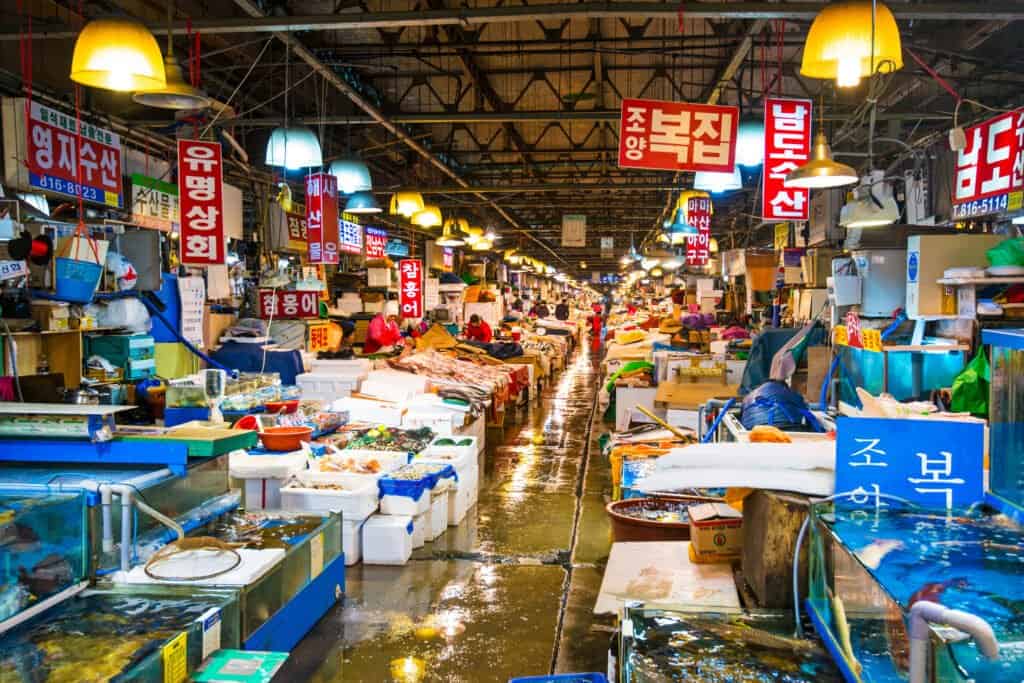
Noryangjin Fisheries Wholesale Market

Gebangsikdang

Mingles

Jungsik
More places in Seoul

Samcheongdong Sujebi

Nodeul Island

War Memorial of Korea
