Grand Prix Historique
Port Hercule, Monte-Carlo 98000 Monaco Posted by Brandon B.Admin
Grand Prix Historique de Monaco: Racing History on the Streets of Monte-Carlo
Every two years, Monaco does something remarkable. It turns back the clock. The Grand Prix Historique brings pre-1980 racing cars back onto the narrow street circuit that winds through Monte-Carlo, past the Casino, down to Port Hercule, and through the tunnel. If you have any interest at all in motor racing, this is one of the most viscerally exciting spectator events on the European calendar.
Unlike the Formula 1 Grand Prix, which draws massive commercial machinery and enormous crowds, the Historique is smaller, more intimate, and in many ways more emotionally charged. You are watching cars that actually raced in period, driven hard on public roads that are still used by residents the rest of the year.
Why the Grand Prix Historique Matters
Monaco has hosted motor racing since 1929, making the circuit one of the oldest continuously used racing venues in the world. The Historique celebrates exactly that legacy. You will see Maseratis from the 1950s, early Formula One machinery from the 1960s, and sports-racing cars that competed at Le Mans alongside their Monaco appearances. These are not replicas. Most are original cars with documented histories, and that provenance matters enormously to the owners who bring them here.
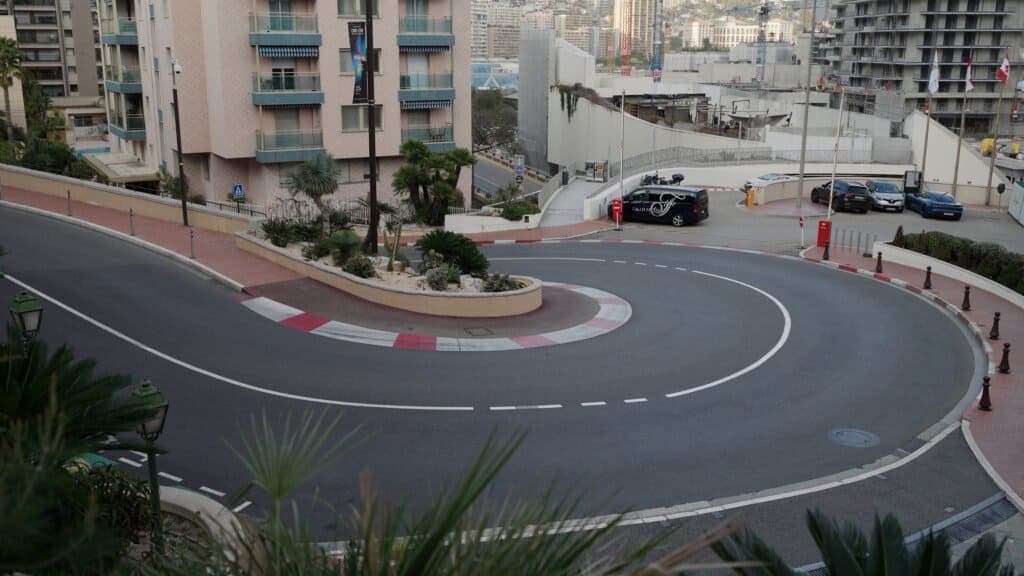
The circuit itself is the same one used for the modern Grand Prix. That means the same barriers, the same Armco, the same impossibly tight Mirabeau corner, and the same chicane at the waterfront. Watching a 1960s Formula Junior car negotiate Rascasse is something you will not see anywhere else.
Quick Facts
- Location: The full Monaco street circuit, centered on Port Hercule and Monte-Carlo
- Frequency: Held every two years, typically in May on alternating years from the Formula 1 Monaco Grand Prix
- Duration: The event typically runs across a long weekend, with practice, qualifying, and race days
- Cars: Pre-1980 single-seaters and sports cars, organized into classes by era
- Organizer: Automobile Club de Monaco
- Nearest rail: Monaco-Monte-Carlo train station, roughly 10 minutes on foot to the circuit
Getting There
Monaco is straightforward to reach by rail from Nice, which is about 25 minutes away by TER regional train. From Ventimiglia on the Italian side, the journey is similar. The Monaco-Monte-Carlo station sits just above the circuit, and you can often hear the cars from the platform during practice sessions.
Driving into Monaco during race weekend is a different story entirely. The circuit closes major roads through the principality, and parking is extremely limited. The train is genuinely the better option, and most experienced visitors use it without a second thought.
If you are coming from Nice Côte d'Azur Airport, buses and taxis connect to the city, though again the train from Nice Ville station tends to be faster and less stressful on event days.
The Layout and Experience
The circuit runs in a rough loop through the streets. From Port Hercule, it climbs up past Sainte Dévote, winds through the Casino Square area, descends through Mirabeau and the Grand Hotel Hairpin, passes through the tunnel beneath the Fairmont, and returns along the waterfront through the chicane and Tabac corner before the final section around Rascasse and back to the start-finish straight.
Different grandstand sections give you very different experiences. The seats along the pit straight at Port Hercule offer the most complete view, including pit lane activity, which during a historic event is genuinely fascinating. Mechanics in period-correct overalls, cars on trolley jacks, the smell of Castrol R. It is quite deliberate theatre, but it is also entirely authentic.
Standing areas are available at various points around the circuit depending on the ticket tier you purchase. The section around Rascasse and the Swimming Pool complex tends to be popular for photographers because the cars are slow enough there to frame properly.
Main Highlights
The Car Classes
The event organizes cars into groups based on era and type. You will typically see pre-war cars running in separate sessions from the postwar single-seaters, with sports cars and Formula Junior machines getting their own races. Each class has its own practice, qualifying, and race, so across the full weekend you are watching quite different machinery at different speeds.
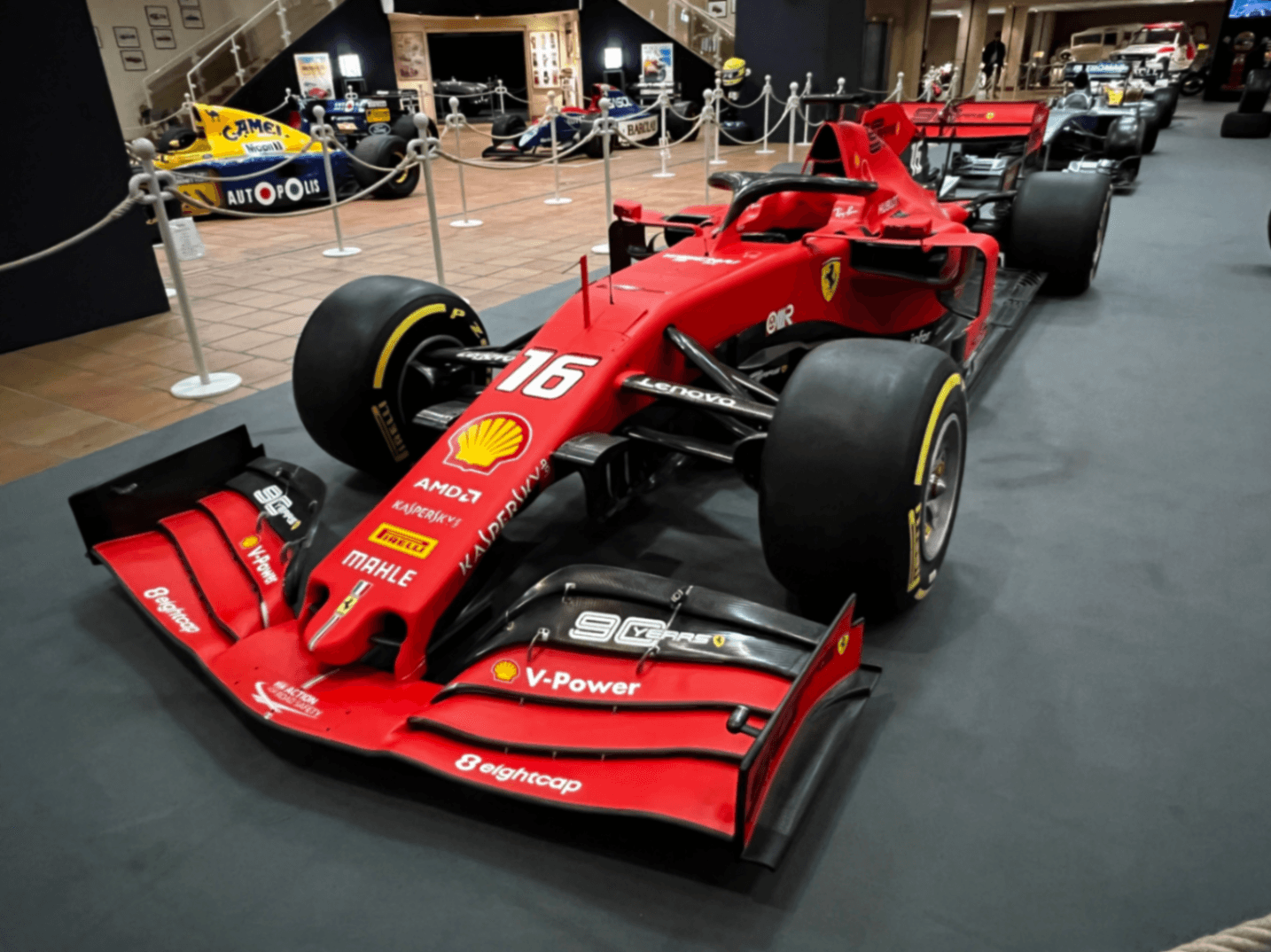
The Series F class, covering Formula One cars from the 1960s and early 1970s, tends to draw the most historically significant entries. Ferraris, Brabhams, Lotuses, and BRMs that actually competed in World Championship rounds have appeared in previous editions.
The Paddock
Access to the paddock depends on your ticket, but if you can get in, it is arguably the best part of the event. Cars are presented openly, owners and drivers are approachable, and the density of significant machinery in a small space is extraordinary. You can stand within arm's reach of cars that would sit behind glass in any museum.
The Sound
This deserves its own mention. Pre-1980 racing engines, unencumbered by modern noise restrictions, on narrow streets with buildings on both sides, produce a sound experience that is almost physical. The tunnel section amplifies everything. If you are positioned near the tunnel exit when a period Formula One car emerges at speed, you will feel it as much as hear it.
Tickets and Entry
Tickets are available through the Automobile Club de Monaco and authorized resellers. There are several tiers, ranging from general grandstand admission through to premium hospitality packages. Grandstand seats along the pit straight and the areas around the Casino are the most sought after and tend to sell out well in advance of the event.
If you are primarily interested in the paddock, check whether a paddock pass is included with your ticket tier or available as an add-on. Some hospitality packages include both grandstand access and paddock entry. Day tickets are typically available for individual race days if you cannot attend the full weekend.
Book early. This is not an event where you can typically show up and find seats available at the gate.
Best Time to Visit
The Historique runs in May, which in Monaco means warm days, occasional brief showers, and long evenings. The principality is at its most animated during race weekends, with the harbor filling with yachts and the restaurants extending their hours.
For the racing itself, qualifying day often offers the best combination of track time and manageable crowds. You can usually move more freely around the circuit and spend longer in the paddock. Race day is the spectacle, but it is also when Monaco is at its most crowded.
Photography Tips
The Rascasse hairpin and the chicane at the waterfront are both good spots for slower cars where you have time to track properly. The tunnel exit is dramatic if you can position yourself there, though access varies by ticket. Early morning practice sessions tend to offer softer light and less crowded grandstands, which is useful if you are working with a longer lens.
Bring a fast lens if you have one. Even at the slower corners, these cars move quickly enough that anything below 1/500 of a second will give you blur you probably did not intend. The port backdrop behind the cars on the main straight is one of the more recognizable sporting images in the world, and it still earns its keep.
Combining with Nearby Attractions
Monaco is small enough that you can cover a great deal between sessions. The Musée de la Collection de Voitures de S.A.S. le Prince de Monaco, the royal family's personal car collection, is worth a visit if you are already in a motoring frame of mind. It sits beneath the old town and contains cars with direct connections to Monaco's racing history.
The Casino de Monte-Carlo is a short walk from the circuit through Casino Square, which is itself part of the race route. The Jardin Exotique, perched on the cliff above the city, gives you a view of the entire principality and the coastline stretching toward Nice and Cap d'Ail.
Practical Tips
- Book accommodation in Monaco or nearby Nice well in advance. Hotels in the principality during race weekend fill months ahead.
- Wear comfortable shoes. Even with a grandstand seat, you will walk considerably more than you expect on event days.
- Earplugs are worth carrying. The tunnel and the pit straight are genuinely loud, and repeated exposure across a weekend adds up.
- Cash is useful for programs, merchandise, and smaller food vendors around the circuit.
- The circuit map in the official program is helpful for planning which corners to visit during free movement periods.
- If you are traveling from Italy, the border crossing at Menton is straightforward by rail, and the coastal train route is beautiful in its own right.
Grand Prix Historique FAQ
How often does the Grand Prix Historique take place?
It runs every two years, on the alternating year from the Formula 1 Monaco Grand Prix. Both events use the same street circuit.
Are the cars on display original racing machines?
Most entries are original cars with period racing histories, not replicas. That is a significant part of the event's appeal and what distinguishes it from many other historic racing meetings.
Can you walk around the circuit between races?
Depending on your ticket, some areas of the circuit are accessible during gaps in the schedule. The paddock is a separate access point and typically requires a specific pass.
Is the event suitable for children?
The racing is visually spectacular and the cars are approachable enough that younger visitors often find it engaging. The noise level is significant though, particularly near the tunnel, so hearing protection for children is sensible.
Do I need to book restaurants in Monaco in advance?
During race weekend, yes. The principality has a relatively small number of restaurants relative to the number of visitors, and popular spots around the harbor tend to be fully booked by the time the event begins.
Reviews
Sign in and mark this place visited to leave a review.
No reviews yet.
Free Trip Planner
Plan your Monaco trip with our free planner
Build a day-by-day itinerary with AI suggestions, hand-picked places, and friends. Free forever — no credit card.
Things to see near Grand Prix Historique

Aux Canards Garden

Port de Fontvieille

Cathedrale Notre-Dame-Immaculee