Huaqinggong Relic Site
China, Shan Xi Sheng, Xi An Shi, Lin Tong Qu, Hua Qing Lu, 华清路 邮政编码: 710699Huaqinggong Relic Site: A Thousand Years of Imperial Bathing
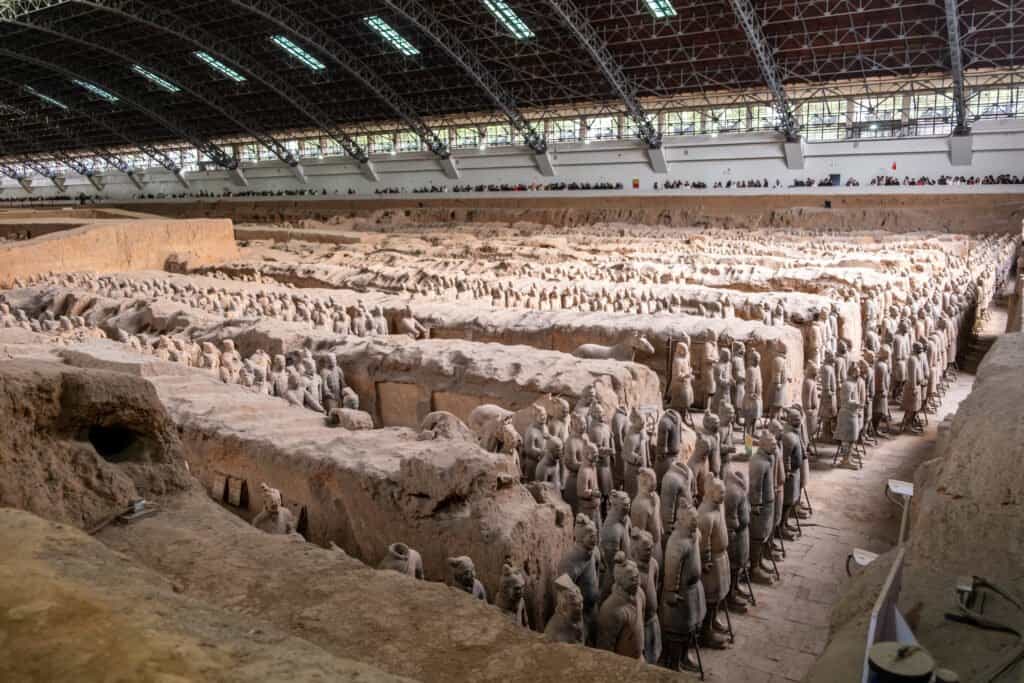
Huaqinggong, or the Huaqing Palace, sits on the slopes of Mount Li about 30 kilometers east of Xi'an's city center in Shaanxi province. This sprawling archaeological site preserves the remains of royal bathing complexes and palace grounds that served emperors across multiple dynasties, most notably during the Tang Dynasty. If you're spending time in Xi'an, Huaqinggong offers a different kind of historical immersion than the Terracotta Army. Instead of witnessing an entire underground army, you're walking through the actual leisure spaces where imperial figures once soaked in naturally heated spring water and enjoyed mountain views.
The site draws visitors interested in Chinese imperial life, bathing culture, and the practical side of ancient luxury. It's less crowded than Xi'an's most famous attractions, which makes it easier to linger and absorb the layered history embedded in the stone pools and pavilion foundations.
Why This Place Matters
Huaqinggong represents something crucial about Tang Dynasty culture: the deliberate blending of natural resources with architectural sophistication. The hot springs themselves are the attraction's foundation. Rather than building a palace elsewhere and importing water, Tang emperors designed their retreat around the geothermal gift already present in the mountain.
The site gained additional historical weight during the 20th century. In 1936, the Xi'an Incident unfolded here when warlords detained Chiang Kai-shek, a pivotal moment in Chinese political history. A museum on the grounds documents this event, adding a layer of modern history to the ancient foundations.
Archaeologically, Huaqinggong matters because the preserved stone structures and bathing pools offer tangible evidence of how imperial bathing complexes actually functioned. You're not inferring from texts alone. You can see where water entered the pools, how chambers were heated, and how different spaces were organized for imperial use.
Quick Facts
- Location: 30 kilometers east of Xi'an city center in Lintong District
- Primary period of use: Tang Dynasty, with activity spanning multiple dynasties
- Main features: Reconstructed bathing pools, museum buildings, Tang-era pavilion foundations
- Estimated visit duration: 2 to 3 hours
- Elevation: Set on Mount Li's slopes, requiring some walking uphill
- Accessibility: Paved paths connect major areas, though terrain is uneven
Getting There
From Xi'an's city center, the simplest approach is hiring a taxi or using a ride-sharing app. The drive takes roughly 45 minutes to an hour depending on traffic. The address is well-known to drivers in Xi'an, so showing the name in Chinese (华清宫) or the address works reliably.
If you prefer public transit, bus routes connect Xi'an to Lintong District. The journey is longer and involves transfers, making it less convenient than a direct taxi ride if you're traveling with luggage or prefer predictable timing.
Many tour operators in Xi'an bundle Huaqinggong with visits to the nearby Terracotta Army or other Lintong-area sites. If you're interested in combining attractions, this can simplify logistics and sometimes reduce overall cost.
The Layout and Experience
The site spreads across the mountainside in distinct zones. You enter through a main gate area with ticket booths and a small plaza. From there, pathways guide you upward and through different periods of the complex.
The lower sections contain the most accessible reconstructed bathing pools and the museum building that documents both the Tang Dynasty use and the 1936 Xi'an Incident. These areas are paved and relatively level. If you're short on time or have mobility concerns, you can see substantial portions of the site without climbing extensively.
As you move upward, you encounter foundations of pavilions and residential chambers. The higher you go, the more you're walking among scattered architectural remains and stone fragments rather than fully reconstructed buildings. This transition reflects the reality of archaeological sites: some areas have been restored for visitor understanding, while others remain closer to their excavated state.
The mountain setting itself shapes the experience. You're not in a flat, controlled museum environment. You're on sloping terrain with vegetation, which means the site feels less managed and more like you've wandered into an actual historical location. The air quality tends to be better than in Xi'an proper, and the views across the valley add to the atmosphere.
Main Highlights
The reconstructed bathing pools are the visual centerpiece. These stone basins with their carefully designed inlets and drainage systems give you a concrete sense of imperial bathing infrastructure. Some pools are large enough to accommodate multiple people, while others appear designed for single bathers. The craftsmanship visible in how the stone was fitted together speaks to the resources devoted to these spaces.
The museum building houses artifacts found during excavation, including ceramics, stone fragments, and explanatory displays. The exhibits use a mix of English and Chinese labels, though English is limited. If you read Chinese or have a translation app handy, you'll gather more detail. The museum section covering the 1936 Xi'an Incident includes photographs and period objects that contextualize this dramatic historical moment.
The Nine Dragon Pool area, located partway up the mountain, consists of nine connected bathing pools arranged in sequence. According to historical records, these were used during the Tang Dynasty, and the remains visible today give shape to those descriptions. Standing among them, you can imagine how water would have flowed from one to the next.
The pavilion foundations scattered across the upper portions of the site offer quieter, less-trafficked areas. You'll find fewer visitors here, and the views across the landscape are expansive. These foundations are less visually dramatic than the pools, but they're valuable for understanding the full scope of the complex as a place where people actually lived and worked, not merely bathed.
History and Background
Hot springs on Mount Li attracted imperial interest as early as the Zhou Dynasty, but Huaqinggong developed into a major palace complex during the Tang Dynasty. Tang emperors, particularly those of the 8th century, invested heavily in expanding and refining the bathing facilities. The name itself translates to "Huaqing Palace," with "hua" referring to the brilliant colors of the landscape and "qing" related to clarity and purity.
The Tang Dynasty valued Huaqinggong as both a practical retreat and a symbol of imperial power. Soaking in natural hot springs was understood to have health benefits, and the palace's location provided an escape from Xi'an's urban center while remaining accessible to the capital. The complex housed not only bathing facilities but also residential quarters, administrative buildings, and entertainment spaces.
Use of the site continued through subsequent dynasties, though with varying levels of investment and attention. During periods of stability, emperors maintained and expanded the facilities. During conflicts or transitions, the site sometimes fell into disrepair. By the time of the Qing Dynasty, Huaqinggong remained important but existed more as a historical landmark than an active center of imperial life.
The 1936 Xi'an Incident transformed Huaqinggong into a site of political significance. Chiang Kai-shek, the Nationalist leader, was detained here by warlords Zhang Xueliang and Yang Hucheng. The incident lasted about two weeks and became a turning point in Chinese history, ultimately leading to negotiations that shifted the political landscape. Visitors can see the buildings associated with this event and view exhibits documenting it.
Tickets and Entry
General admission tickets grant access to most areas of the site, including the museums and the main bathing pool areas. Tickets are purchased at the gate in the lower plaza. Operating hours tend to be morning through late afternoon, though specific hours can vary seasonally. It's worth checking locally or asking at your hotel about current hours before heading out.
Some tour operators offer guided experiences that include transportation from Xi'an and interpretation of the site. If you speak limited Chinese and want detailed historical context, a guide can enhance understanding. Otherwise, you can navigate independently using the map provided at the gate.
Best Time to Visit
Spring and autumn offer the most comfortable temperatures for walking the mountainside. Summer can be hot, especially on the unshaded upper portions of the site. Winter is possible but cool, and some paths may be slippery after rain.
Weekday visits tend to be less crowded than weekends. If you prefer a quieter experience, arriving on a Tuesday or Wednesday morning typically means fewer other visitors. The site doesn't have the overwhelming crowds of the Terracotta Army, but peak times do bring tour groups.
If you're interested in photography, early morning light strikes the stone structures beautifully, and the mountain haze tends to clear as the day progresses. Late afternoon light creates warmer tones but can backlight some of the more interesting architectural details.
Photography Tips
The bathing pools photograph well from multiple angles. Shooting from ground level emphasizes the stone craftsmanship, while elevated perspectives show how the pools relate to each other and the surrounding landscape. The Nine Dragon Pool sequence is particularly photogenic when you capture the progression of pools receding up the hillside.
The pavilion foundations offer strong compositional opportunities because they frame views of the valley beyond. Include foreground stone elements with background landscape to create depth. The paths themselves, lined with stones and vegetation, make interesting leading lines into the middle distance.
Overcast skies are actually advantageous here because the soft light reveals texture in the stone without harsh shadows. Sunny days create dramatic contrasts but can wash out detail in lighter-colored stone.
Facilities and Preparation
Bring water, especially if you're visiting during warm months or planning to spend more than two hours on site. Shade is limited on the upper portions of the mountain, so sunscreen and a hat are practical. Wear comfortable walking shoes with good traction because the paths are paved but uneven, and some areas involve uphill walking.
Restroom facilities exist near the main entrance area. If you venture to the upper sections, you're moving away from these conveniences, so plan accordingly. There are small shops and cafes near the entrance selling basic snacks and drinks, though the selection is limited.
If you're visiting as part of a multi-day Xi'an trip, consider timing this visit for when you're less fatigued. The uphill walking is moderate but real, and you'll appreciate the site more if you're not already exhausted from other activities.
Combining with Nearby Attractions
The Terracotta Army is roughly 15 kilometers away in the same district. Many visitors see both sites in a single day, though this requires careful timing. If you combine them, consider visiting Huaqinggong first (it typically takes 2 to 3 hours) and then heading to the Terracotta Army for the latter part of your day. This order avoids the heaviest crowds at the Terracotta Army in early morning hours.
The Lintong hot spring resorts in the area also capitalize on the geothermal features that made Huaqinggong imperial property. If you're interested in actually bathing in the hot springs rather than just viewing historical pools, several modern facilities operate nearby.
Xi'an's other major sites like the City Wall and the Shaanxi History Museum are in the city center, about 45 minutes away. Most visitors make a separate trip for these rather than attempting to combine them with Lintong attractions on the same day.
Sample Visit Plan
Arrive early, ideally by 9 or 10 AM if possible. Spend 30 to 45 minutes at the main entrance area, viewing the reconstructed pools and museum exhibits. Walk at a comfortable pace upward toward the Nine Dragon Pool, stopping at the pavilion foundations along the way. Budget another 60 to 90 minutes for this section. If time permits, continue to the highest accessible areas for views and to experience the quieter upper portions of the site. Descend slowly, allowing time to notice details you might have missed on the way up. Plan for a total visit of 2.5 to 3 hours.
If you're combining with the Terracotta Army, leave by early afternoon to allow time for the drive and entry procedures at the second site.
Practical Tips
- Bring a translation app or printed Chinese characters for the site name if using public transport
- Ask your hotel or tour operator about current opening hours before traveling
- Wear layers because the mountainside can be cooler than Xi'an city, even on warm days
- If mobility is a concern, focus on the lower sections rather than attempting the full uphill walk
- Photography is permitted throughout the site without special fees
- Most signage includes some English, but it's limited compared to the Terracotta Army
- A taxi back to Xi'an is easier than waiting for return buses, especially if you're tired
FAQ
How long does a typical visit take? Most people spend 2 to 3 hours at Huaqinggong. You can move through the main areas in 90 minutes if you're rushing, or spend 4 hours if you're exploring thoroughly and sitting for rest periods.
Is Huaqinggong worth visiting if I'm only in Xi'an for one day? If your sole focus is the Terracotta Army, Huaqinggong might feel like an extra trip. If you have two days or can dedicate a half-day to Lintong District, it's a worthwhile addition because it offers a different historical perspective and is less overwhelming than the Terracotta Army.
Can I actually bathe in the hot springs here? No, Huaqinggong is an archaeological site where you view historical structures. If you want to bathe, nearby modern hot spring resorts use the same geothermal water. Huaqinggong is about viewing and understanding how imperial figures used these springs.
Do I need a guide? A guide enhances the experience if you want detailed historical context, but it's not essential. The site is navigable independently, and the main features are visually self-explanatory. English-language guides may need to be arranged in advance.
What's the weather like year-round? Spring and autumn are ideal with mild temperatures. Summer can be hot and humid. Winter is cool but rarely extreme. Rain can make upper paths slippery, so check conditions if visiting during wet seasons.
Reviews
Sign in and mark this place visited to leave a review.
No reviews yet.
Free Trip Planner
Plan your Xi An Shi trip with our free planner
Build a day-by-day itinerary with AI suggestions, hand-picked places, and friends. Free forever — no credit card.
Related reading

Things to see near Huaqinggong Relic Site
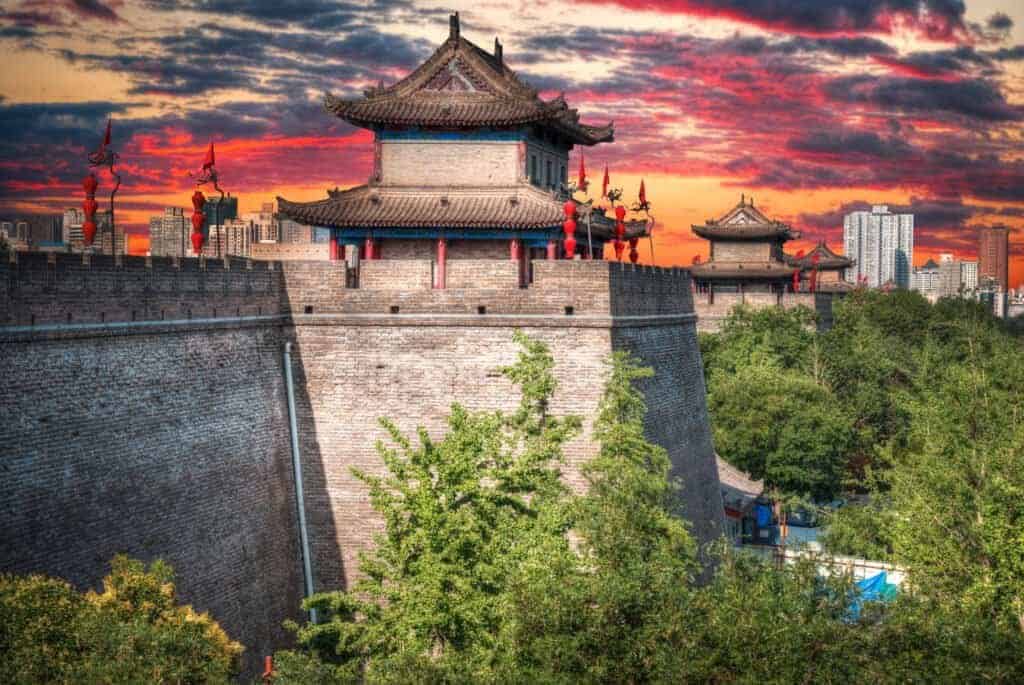
Xi’an Ancient City Wall
Xi’an Muslim Quarter

Jinjiang West Capital Int'l. Hotel