
 Posted by Brandon B.Admin
What Makes I Navigli Worth Your Time in Milan
I Navigli is one of Milan's most visited neighborhoods, built around a network of historic canals that once served as the city's main commercial waterways. The area centers on two main canals, the Naviglio Grande and the Naviglio Pavese, and the streets that run alongside them form one of the few parts of Milan where you can sit outside, watch the water, and feel like you're somewhere other than a financial capital. It's a genuine neighborhood with residents, not a constructed tourist zone.
Most evenings, the towpaths fill up. Locals pour out of aperitivo bars, dogs wander past on leads, and the canal reflects whatever light is left in the sky. It's the kind of place that rewards arriving without a plan.
Why I Navigli Matters
The canals of Milan are older than most people expect. The Naviglio Grande dates to the 12th century, making it one of the oldest artificial waterways in Europe. At its peak, the canal network connected Milan to the Ticino River and the Po, allowing marble and granite to be transported from the Alps directly into the city. Some of the stone used to build the Duomo di Milano arrived this way, which is a fact worth sitting with while you drink your spritz on the bank.
By the early 20th century, most of the canals were filled in and paved over as Milan modernized. The Naviglio Grande and the Naviglio Pavese survived. What you see today is a fragment of a much larger system, and that context gives the neighborhood a particular atmosphere. You're not looking at a canal built for aesthetics. You're looking at working infrastructure that outlasted its purpose and became a place to live.
Quick Facts
- The Naviglio Grande stretches roughly 50 kilometers from Tornavento to Milan, making it one of the longest navigable canals in Lombardy.
- The main neighborhood hub runs along Alzaia Naviglio Grande, starting near the Darsena basin.
- The area is free to visit at any time of day or night.
- The closest metro stop is Porta Genova on the M2 (green) line, about a 5-minute walk from the main canal stretch.
- The neighborhood hosts a large antique market along the canal towpath on the last Sunday of each month.
- Most bars in the area run aperitivo hour from around 6pm, often including food with a drink purchase.
Getting There
The easiest approach is the M2 metro to Porta Genova FS. From the exit, walk south and you'll hit the Naviglio Grande within a few minutes. Trams also run nearby on Via Vigevano and Corso di Porta Ticinese, which is useful if you're coming from the Duomo area. The Darsena, a large harbor basin just north of where the two canals meet, makes a natural entry point if you want to get oriented before committing to a direction.
Cycling is genuinely pleasant here. The towpaths along the Naviglio Grande are wide enough for bikes, and the route extends well beyond the city if you want to go further. Several bike rental options exist in the surrounding streets.
The Layout and Experience
The neighborhood doesn't have a formal boundary. In practice, the action concentrates along Alzaia Naviglio Grande on the south bank and Ripa di Porta Ticinese on the north bank. These two streets run parallel to the water and are lined with bars, restaurants, small galleries, vintage shops, and the occasional workshop that has been there for decades.
The Naviglio Pavese runs south from the Darsena and has a quieter, more residential character. Fewer tourists make it down there, which is either a reason to go or a reason to stay on the Grande, depending on what you're after.
On weekend evenings, the crowds along the Naviglio Grande can get thick, especially in summer. The bars push tables out onto the towpath, people stand along the low stone walls above the water, and the whole thing takes on the energy of a street party that nobody officially organized. Weekday evenings are more relaxed.
Main Highlights
Aperitivo Culture
The Navigli is arguably the best neighborhood in Milan to experience the aperitivo tradition properly. The ritual, for the uninitiated, involves paying for a drink and getting access to a spread of food, typically olives, bread, cold cuts, and pasta dishes. The quality and generosity of the spread varies enormously from bar to bar. Some offer a modest plate of chips. Others put out what amounts to a full dinner. It's worth walking the strip first and seeing what's on offer before you commit to a stool.
The Monthly Antique Market
On the last Sunday of each month, the Mercatone dell'Antiquariato takes over the Naviglio Grande towpath. Around 400 vendors set up stalls stretching for several hundred meters, selling furniture, prints, ceramics, jewelry, vintage clothing, and objects that defy easy categorization. It draws serious collectors alongside casual browsers and gets crowded by mid-morning. Arriving before 10am gives you better access to the stalls and slightly less elbow contact.
Street Art and Studios
The side streets feeding off the main canal road are worth exploring on foot. Several working artists and craftspeople maintain studios in the older buildings, and the area has a long association with Milan's design and arts community. The murals and painted facades in the back streets shift over time, so what you find will depend on when you visit.
Best Time to Visit
Spring and early autumn are the most comfortable seasons. The light on the water is better, the outdoor seating is full without being impossible to navigate, and the temperature makes walking along the towpath genuinely enjoyable rather than an endurance test.
July and August see the bars stay open late and the crowds grow. Some smaller shops and restaurants close for part of August, as they do across Italy. Winter evenings have their own appeal, particularly around the Naviglio Grande when the canal reflects the bar lights and the crowds thin out to mostly locals.
If the antique market is your main reason for coming, check the exact date before you travel. The last Sunday of the month is the consistent schedule, but holidays occasionally shift things.
Photography Tips
The best light for canal photography is early morning, before the towpaths fill up, when the reflections are still and the surrounding buildings are lit from a low angle. The stretch just west of the Vicolo dei Lavandai, where an old outdoor laundry dating back to 1700 still stands with its stone basins and sloped wooden roof, is one of the most photographed spots in the neighborhood. It earns the attention.
In the evening, the warm light from the bars spills onto the water and creates a much more atmospheric shot than the midday version. A wide lens on the Alzaia Naviglio Grande captures both the canal surface and the low buildings on the far bank in a single frame.
Combining with Nearby Attractions
The Darsena basin is a logical first stop, recently restored and now ringed with benches and food stalls. From there it's a short walk north up Corso di Porta Ticinese to the Basilica of Sant'Eustorgio, one of Milan's oldest churches, and the Colonne di San Lorenzo, a set of Roman columns from the 2nd or 3rd century AD that stand in front of a medieval basilica and serve as an informal gathering spot most evenings.
The Fondazione Prada, one of Milan's most significant contemporary art spaces, is a 15-minute tram ride from the Navigli area and makes for a natural pairing if you want to split a day between culture and canal-side wandering.
Practical Tips
- Weekends on the Naviglio Grande get genuinely crowded after 7pm. If you want a table at a specific bar, arrive early or check if reservations are accepted.
- The towpaths are uneven in places. Comfortable shoes matter more than you'd think.
- Pickpocketing is a low but present risk in crowded evening conditions, as it is across central Milan. Keep bags closed and in front of you.
- Several bars offer standing aperitivo without table service. This tends to be cheaper and gives you more flexibility to move along the strip.
- If you're visiting in summer, the canal itself carries a faint smell in hot weather. It doesn't ruin the experience but it's worth knowing.
- The neighborhood is walkable from the Ticinese and Porta Genova areas, and exploring the blocks between the canal and Corso di Porta Ticinese on foot tends to turn up the best independent shops and cafes.
Frequently Asked Questions
Is there a fee to visit I Navigli?
No. The canals and towpaths are public spaces, free to walk at any hour. Individual bars, restaurants, and galleries charge their own rates for what they offer.
How long should I plan to spend here?
A couple of hours covers a relaxed walk and an aperitivo. If you're visiting on antique market Sunday or you intend to eat dinner in the neighborhood, plan for most of an evening. The area tends to hold people longer than they expect.
Is I Navigli suitable for children?
During the day, yes. The towpaths are open and easy to walk, the antique market is interesting for older kids, and the canal itself is accessible. In the evening, the bar-heavy atmosphere on the main strip is oriented toward adults, though it's not exclusive.
When does the antique market run?
The Mercatone dell'Antiquariato takes place on the last Sunday of each month along the Naviglio Grande. It runs through the morning and into the afternoon most days.
Reviews
Sign in and mark this place visited to leave a review.
No reviews yet.
Free Trip Planner
Plan your Italy trip with our free planner
Build a day-by-day itinerary with AI suggestions, hand-picked places, and friends. Free forever — no credit card.
Things to see near I Navigli
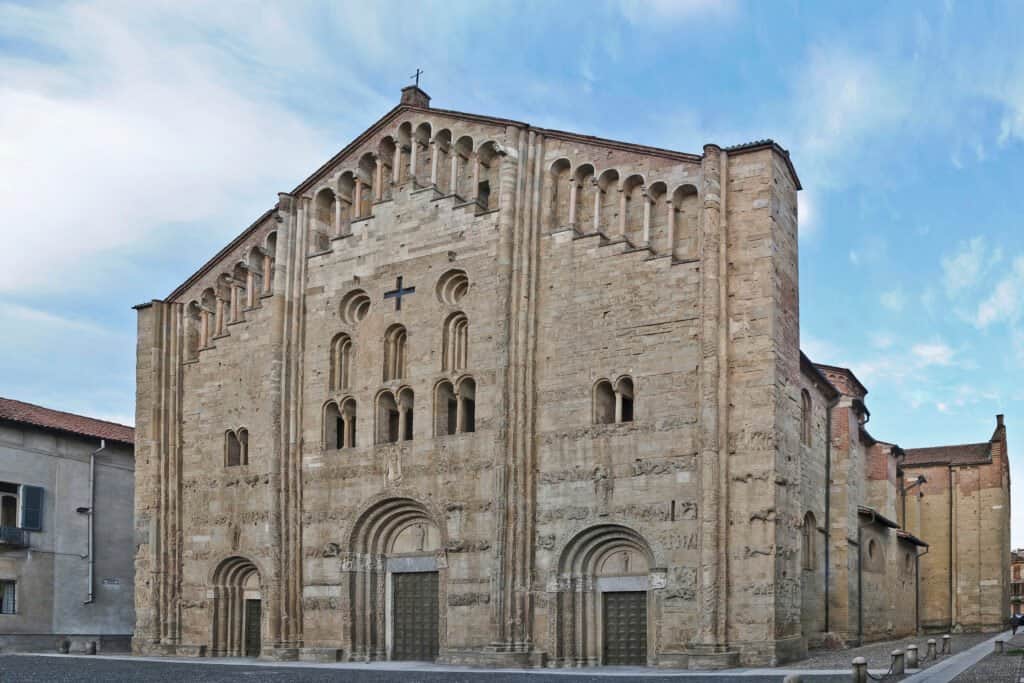
San Michele Maggiore Church
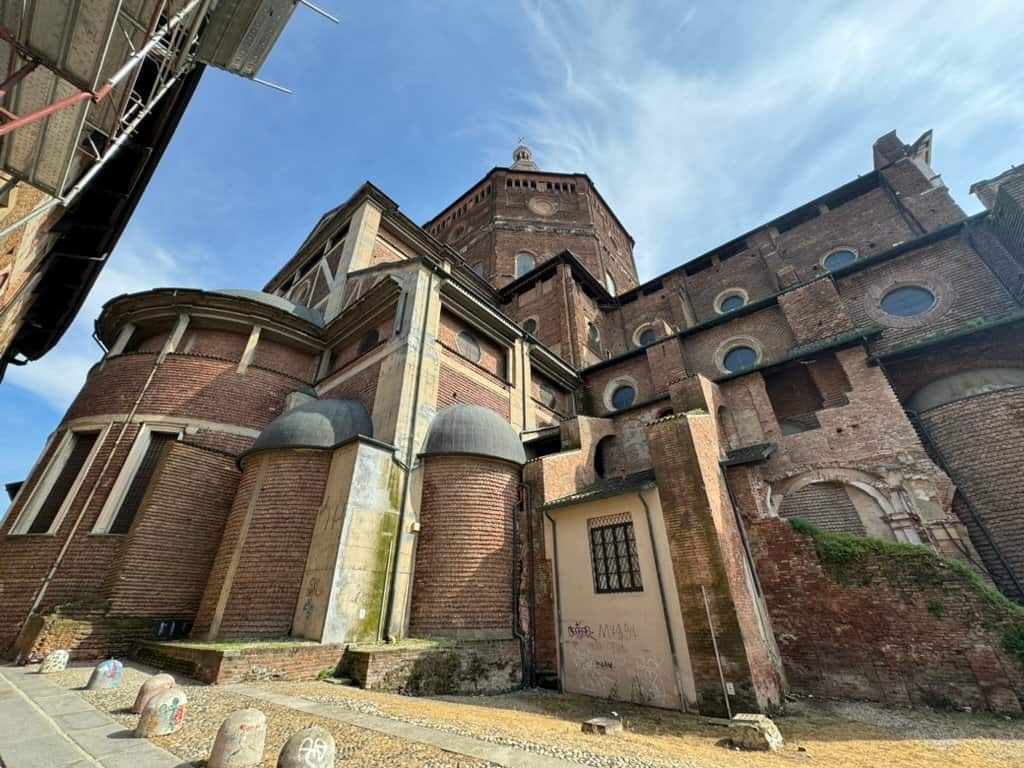
Cathedral of Pavia
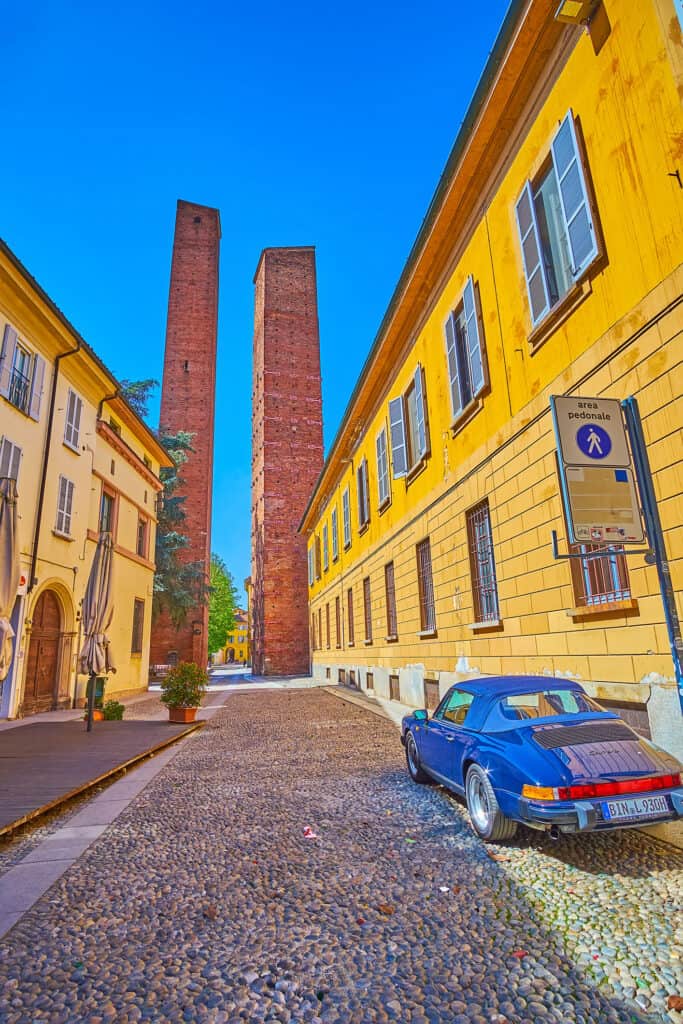
Towers of Pavia (Torri di Pavia)
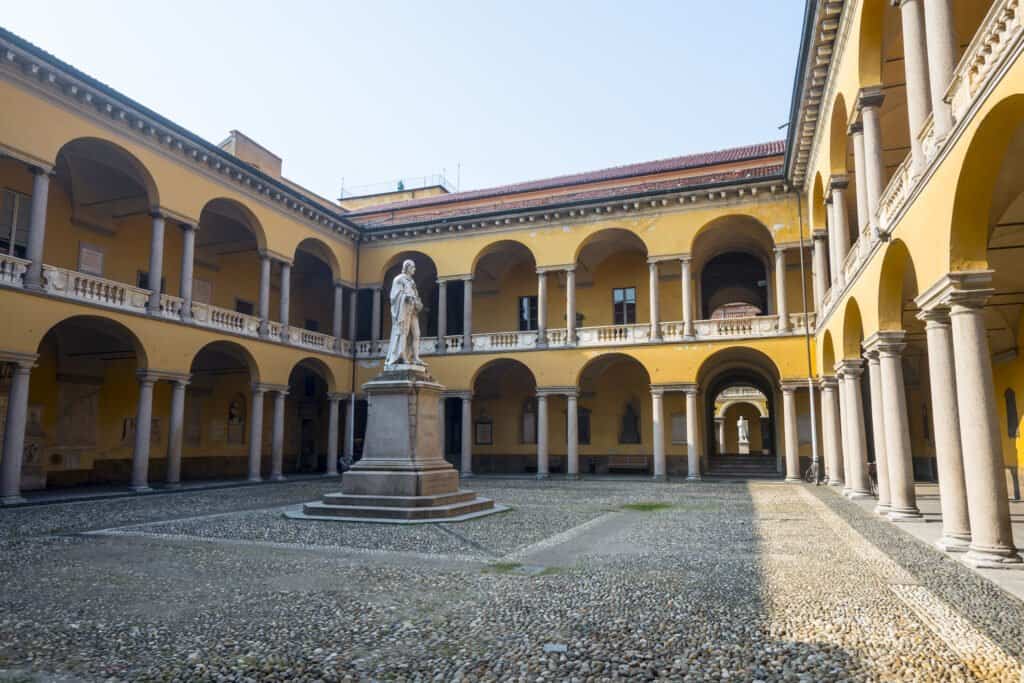
The University of Pavia
Places to eat or drink near I Navigli

Pasticceria Vigoni

Pizza e Mozzarella
![[LA] Gelateria della Musica](https://lh3.googleusercontent.com/grass-cs/AABkmLezQ1aahZ3Sj4IKvguuB34dH27jVTId85hNXzYEv9WG7GfBYHmI1cwHUPQVisLeNLAKCNmd1glh0QlkPrqj2oRaVJ7D4jkdmWOq7BbYLzAtEceYr8t1MxXkfmk96U5ezHE2vYUBkvyeVynx=s4800-w1600-h1600)
[LA] Gelateria della Musica

Officina Milano
More places in Milan

miscusi Milano Centrale

Brera District
Reminisce The Good Ol’ Days At La Scala
