
Çiya Sofrası
Open now
Çiya Sofrası: Istanbul's Reference Point for Anatolian Home Cooking
Walk into Çiya Sofrası on a weekday morning and you'll see the kitchen already moving, the long counter lined with copper pots and earthenware bowls holding the day's dishes. The room fills quickly, locals pulling up chairs at shared tables, pointing at dishes they want without much discussion. The smell is unmistakably home cooking: slow-cooked vegetables, herbs, rendered fat, things that have been simmering since before dawn. This is not a restaurant performing tradition. It's a place that has been quietly defining what Istanbul eats for decades.
Çiya Sofrası sits in Kadıköy, on the Asian side of Istanbul, a neighborhood of steep streets and old apartment buildings where the food culture runs deep. The restaurant opened in 1987 and has become something close to a living archive of Anatolian regional cooking. It's the kind of place where you don't order from a menu in the conventional sense. Instead, you walk up to the counter, look at what's been made that day, and point.
What the Kitchen Is Known For
The restaurant has built its reputation on dishes that come from across Anatolia, not Istanbul. On any given day you might find pumpkin börek, a version made with caramelized onions and herbs that tastes nothing like the tourist-restaurant versions. There are leaf-wrapped preparations: grape leaves, cabbage leaves, chard, each filled with rice and sometimes meat, cooked until they have almost dissolved into sauce. The lentil soups rotate seasonally. The bean stews are cooked low and slow.
What you eat depends on what day you arrive. The kitchen doesn't maintain a fixed menu. Instead, it works from what's in season and what the kitchen staff have decided to make. This means that if you taste something remarkable one visit, you may not find it the next. Some dishes appear regularly enough to be reliable: the hummus, the various preparations of eggplant, the slow-braised meat dishes. Others vanish after a few days and resurface months later.
The restaurant often features dishes from specific regions. You'll see preparations from the Black Sea coast, from the southeastern provinces, from central Anatolia. The labeling helps, but not always in English. If you're uncertain what something is, ask. The staff expects questions.
Atmosphere and Setting
The space is spare and functional. Whitewashed walls, simple wooden furniture, fluorescent light. There's no designed atmosphere here, no effort to create mood through dim lighting or rustic decoration. The atmosphere comes from the crowd itself: the mix of neighborhood regulars, office workers on lunch break, tourists who've heard about the place, and occasionally food writers or chefs. Locals and visitors sit at the same long tables.
The dining room fills and empties in waves. Lunch service is busier than dinner. By 1 PM the room is nearly full. If you come after 2 PM most days, you'll find quieter tables and a smaller selection of dishes still available.
Service and Experience
The service is efficient and matter-of-fact. Staff move quickly, clearing tables, refilling water glasses, bringing bread. They're friendly but not effusive. This is not a restaurant where anyone pretends you're special because you're a customer. You're fed and treated well because that's the job, and the job is done properly.
Ordering happens at the counter. You move along the line of pots, point at what you want, and staff portion it onto your plate. If you don't speak Turkish, gesturing works. The staff have done this thousands of times and understand the basic communication. Bread and water arrive immediately once you sit. Dessert is available but often skipped.
Reservations and Waits
Reservations are not typically taken. You arrive and wait if necessary. Most days the wait is short, perhaps 5 to 10 minutes at lunch. On weekends and during the height of summer tourism, the wait can stretch to 30 minutes or longer. If you arrive outside standard meal times, noon to 1:30 PM or 7 to 8 PM, you'll rarely wait. Mid-afternoon or very late evening, the place is quiet.
Price Tier
Çiya Sofrası is mid-range by Istanbul standards. You'll spend less than you would at a tourist-focused restaurant in Sultanahmet, but more than a street food stall. The meal includes a main dish, bread, water, and often a small side or salad. Dessert and drinks add to the bill. For what you're eating—carefully made food from a skilled kitchen—the price is reasonable.
Best Time to Visit
Lunch is the most vibrant time. The kitchen is fully staffed, all the dishes are available, and the energy is highest. Dinner is quieter and can feel less energized, though the food is just as good. If you want the full experience, come between noon and 1 PM on a weekday. If you want to eat without crowds, come at 3 PM or after 8 PM.
Seasonally, the restaurant changes with the produce calendar. Spring brings lighter vegetable preparations. Summer offers cold dishes and more herbs. Autumn and winter focus on heartier stews and slow-cooked dishes. If you have the chance to visit more than once, you'll eat different meals each time.
Good to Know Before You Go
The restaurant is cash-friendly, though cards are accepted. Bring small bills if you're paying in cash. The menu is not printed in English, though many dishes are labeled. The staff speak some English but not fluently, so having a translation app on your phone helps if you're curious about specific dishes.
The neighborhood can feel unfamiliar to visitors more accustomed to the European side. The walk from the ferry terminal takes about 10 minutes uphill. Güneşlibahçe Sokak is a narrow side street in the Caferağa neighborhood. If you're using a map, zoom in; the street signs are small. The restaurant is marked on Google Maps and most navigation apps will find it.
The restaurant is closed Sundays and Monday mornings. Hours are roughly 11 AM to 10 PM, though this can shift seasonally. If you're planning a specific visit, calling ahead is wise, though the phone line may be staffed only during service hours.
Neighborhood and Location Context
Kadıköy itself is worth exploring. The neighborhood has a strong food culture beyond Çiya Sofrası. There are bakeries, spice shops, produce markets, and other small restaurants within a few blocks. The Kadıköy ferry terminal connects directly to Eminönü on the European side, making the neighborhood accessible from anywhere in Istanbul. If you're staying in Sultanahmet or Taksim, the ferry is often faster than navigating traffic.
The area around Çiya Sofrası is residential and local. You won't find souvenir shops or tour groups. This is where Istanbulites live and eat. The steep streets have old apartment buildings, small courtyards, neighborhood grocers. It feels like arriving somewhere real rather than somewhere packaged for tourists.
Who This Is For
This restaurant serves people who want to eat seriously made food without pretense or performance. If you're interested in Turkish regional cooking, in understanding what home cooks across Anatolia actually prepare, this is where that education happens. If you prefer menus in English, molecular gastronomy, or dining as an aesthetic experience, this isn't the place.
Solo diners fit in easily. You'll sit at a shared table and eat alongside locals. Families with children are common, particularly at lunch. The food is not spicy or challenging by default, though you can ask for heat if you want it. Large groups can be accommodated if you arrive off-peak.
FAQ
- Do I need to speak Turkish to eat here? No. Pointing and gesturing work. A translation app helps if you're curious about specific dishes, but it's not essential.
- What if I'm vegetarian? There are always vegetable-based dishes available. Lentil soups, bean stews, vegetable preparations, hummus, and salads are standard. Tell staff you don't eat meat and they'll guide you to the right pots.
- Is the food spicy? Most dishes are not hot. Herbs and spices are used for flavor, not heat. You can ask for additional chili or hot pepper if you prefer more spice.
- Can I make a reservation? Generally no. The restaurant operates first-come, first-served. Arriving at off-peak hours reduces wait times.
- How much should I expect to spend? Budget for a mid-range meal. A main dish with bread, water, and sides costs less than a dinner at an upscale Istanbul restaurant, but more than street food.
Opening hours
Reviews
Sign in and mark this place visited to leave a review.
No reviews yet.
Free Trip Planner
Plan your Kadıköy trip with our free planner
Build a day-by-day itinerary with AI suggestions, hand-picked places, and friends. Free forever — no credit card.
Things to see near Çiya Sofrası

Princes’ Islands
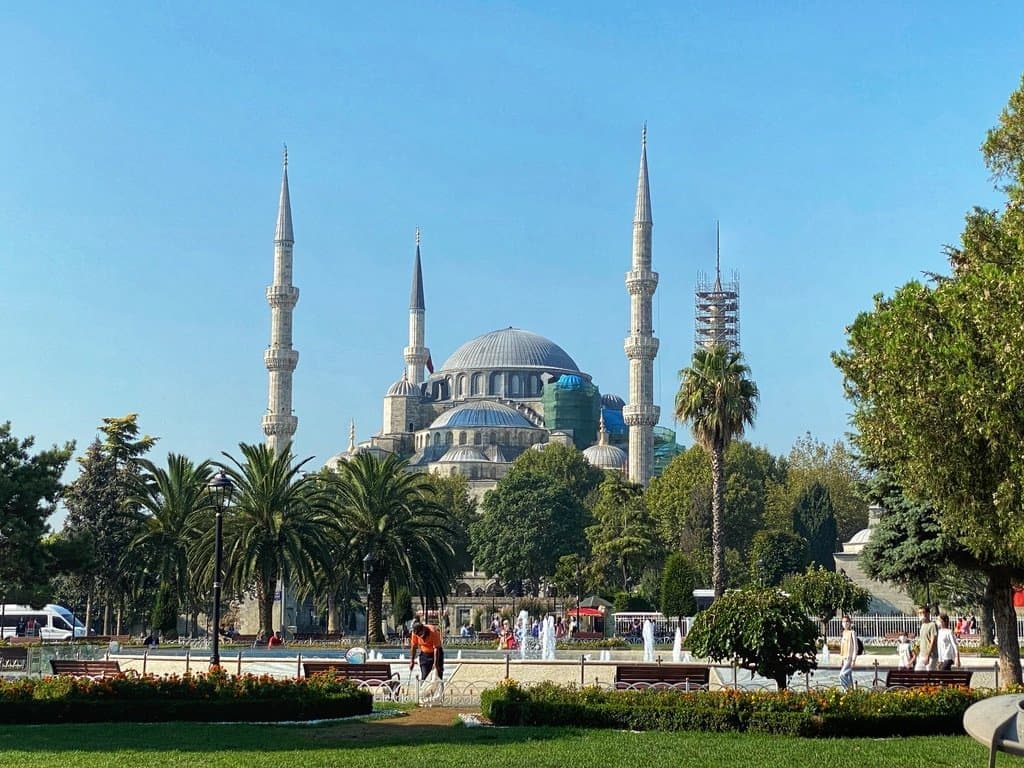
The Blue Mosque

Turkish & Islamic Arts Museum
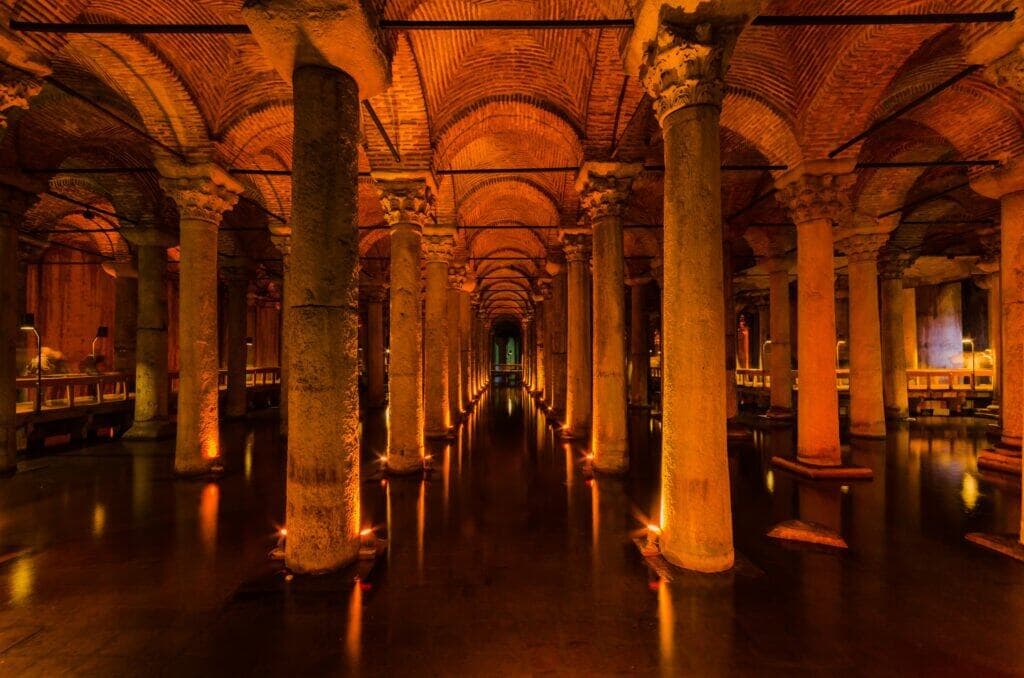
Basilica Cistern
Places to eat or drink near Çiya Sofrası

Dürümcü Raif Usta

Karaköy Güllüoğlu - Nadir Güllü

Sabırtaşı Restoran
