
London on the map
80 places from this guide. Tap a pin to open the listing.
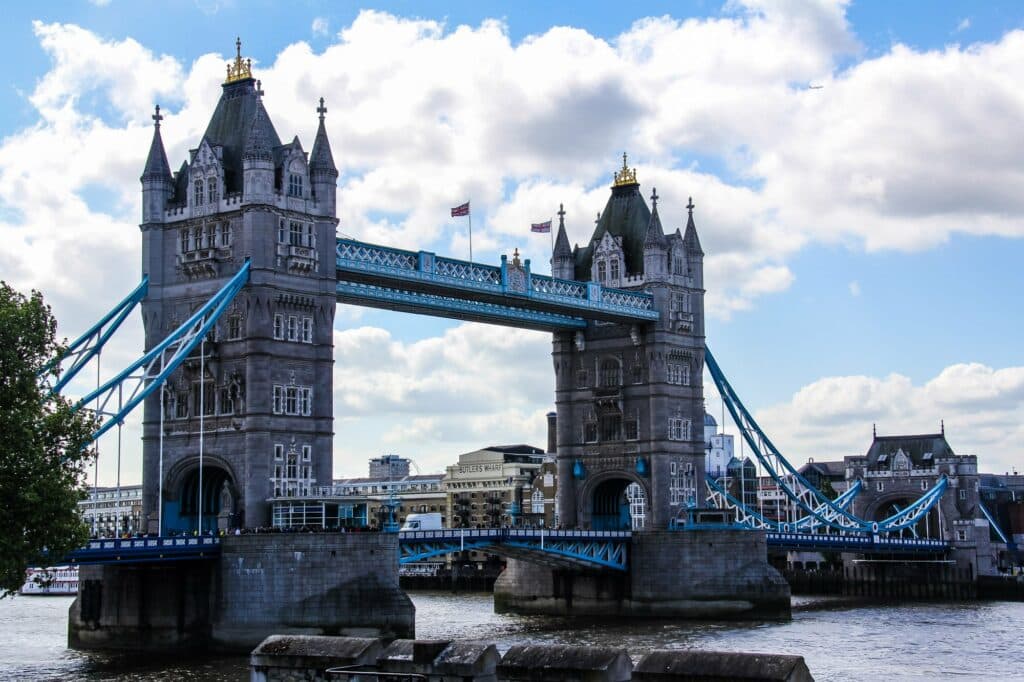
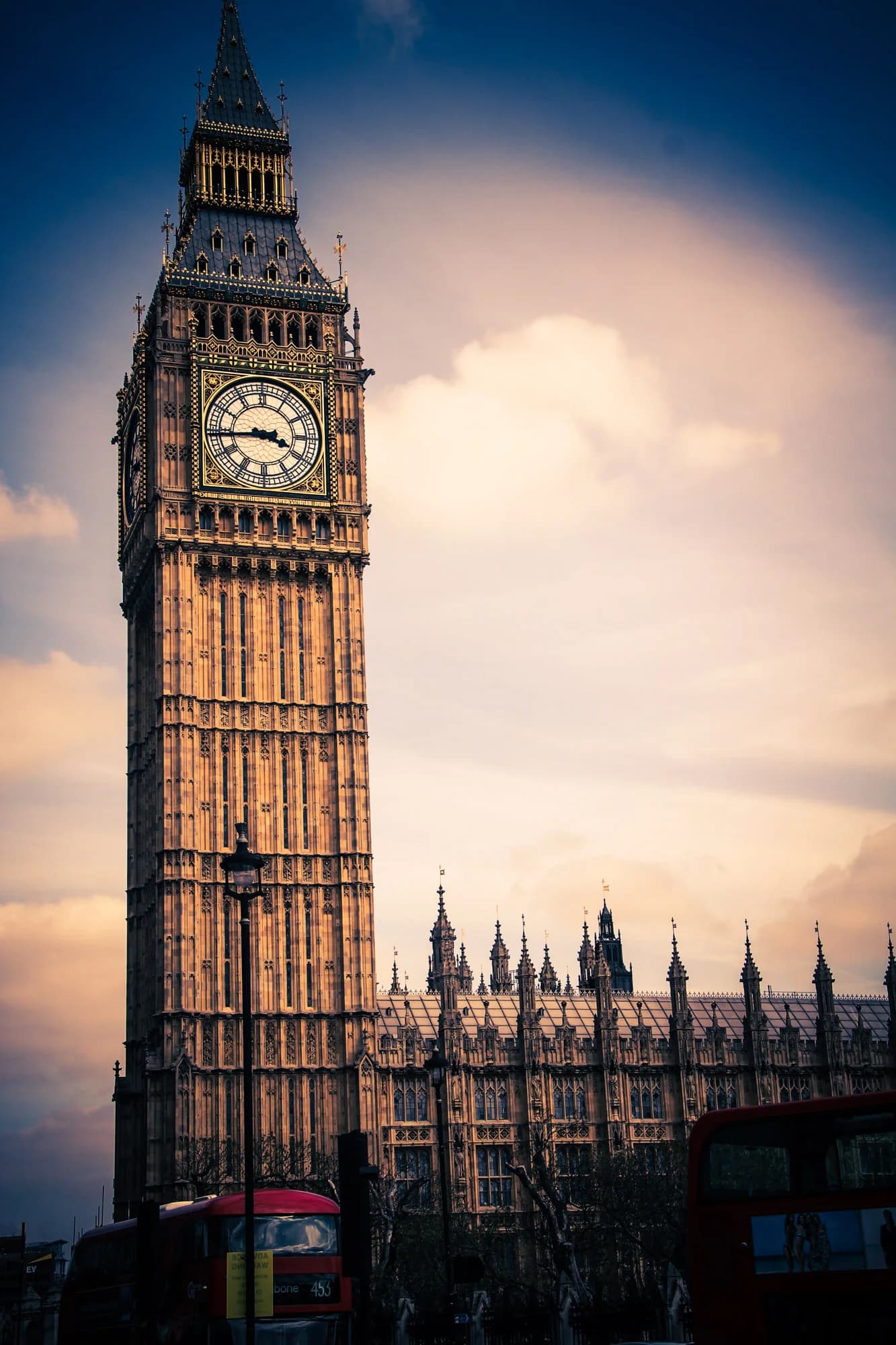
London is the kind of city that rewards both a three-day stopover and a three-week stay, and it rarely runs out of things to show you. This London travel guide covers the practical groundwork, when to come, where to base yourself, how to move around a city that sprawls for miles, and what to eat once you're here, so that you can spend less time figuring things out and more time actually seeing the place. The skyline alone tells you what you're in for: the Gothic revival towers of the Houses of Parliament, the gleam of Tower Bridge over the Thames, and the stone dial of Big Ben, newly restored and ticking away above Westminster.
It's also home to one of the world's best-known royal families, a film and literary legacy that stretches from Sherlock Holmes to Harry Potter, and some of the finest museums anywhere, most of which don't charge admission. London is not cheap. Hotels, meals, and even transport add up fast compared to most European capitals, so a little planning on the cost side goes a long way.
When to Visit
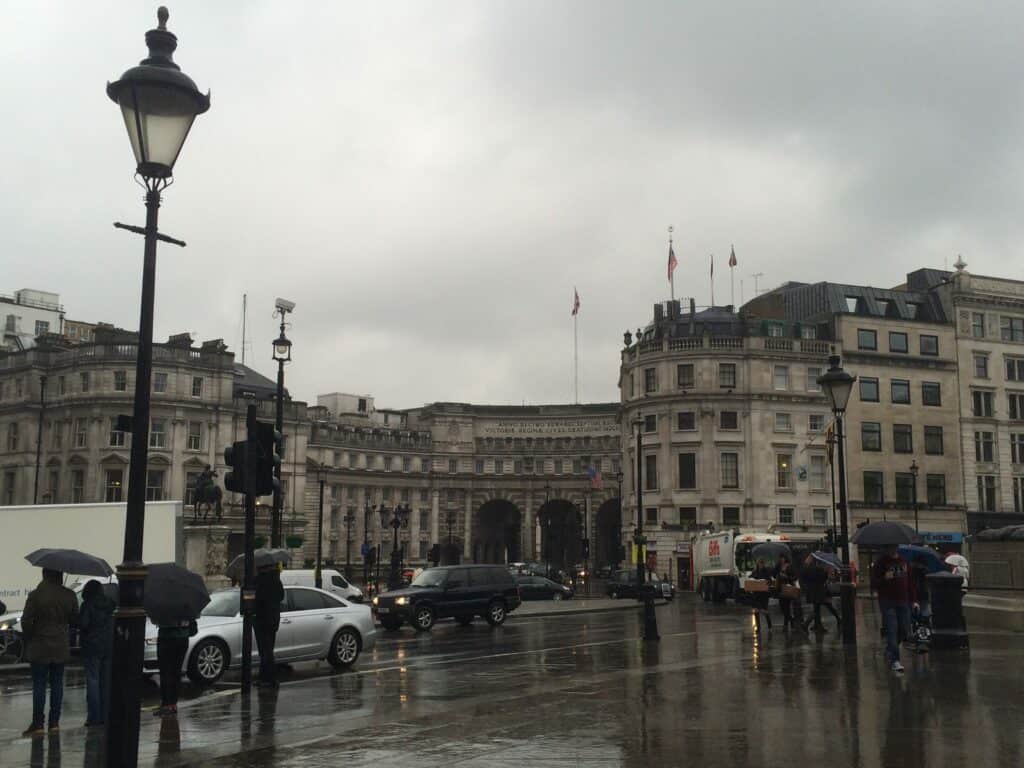
London draws crowds in every season, but some months are gentler than others. Spring, roughly April through early June, tends to bring the best balance: parks like Hyde Park and St. James's Park are in bloom, daylight stretches longer, and the crush of summer tourists hasn't arrived yet. Pack a compact umbrella regardless of the month. Rain in London rarely falls hard, it just falls often, in short bursts that locals mostly ignore.
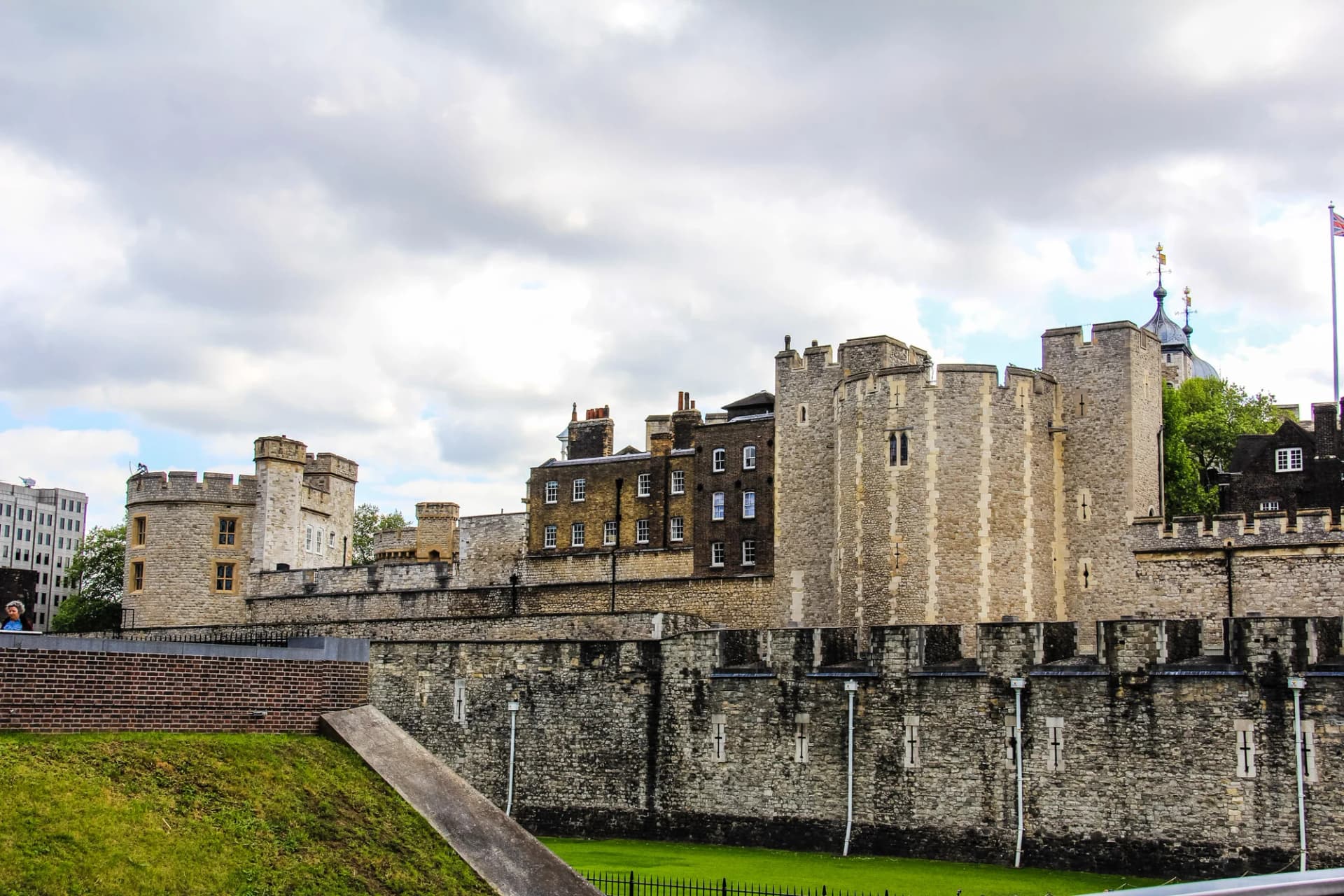
Summer, June through August, is peak season. Expect long queues at the Tower of London and the British Museum, higher hotel rates, and warm (rarely hot) weather that still catches visitors off guard since air conditioning isn't standard everywhere. Winter, December through February, is colder and wetter but noticeably quieter outside the holiday period. Christmas lights along Regent Street and the ice rinks that pop up at places like Somerset House give the city a different kind of charm, and hotel prices often dip in January. If you can live with short, grey days, winter is good value.
Where to stay
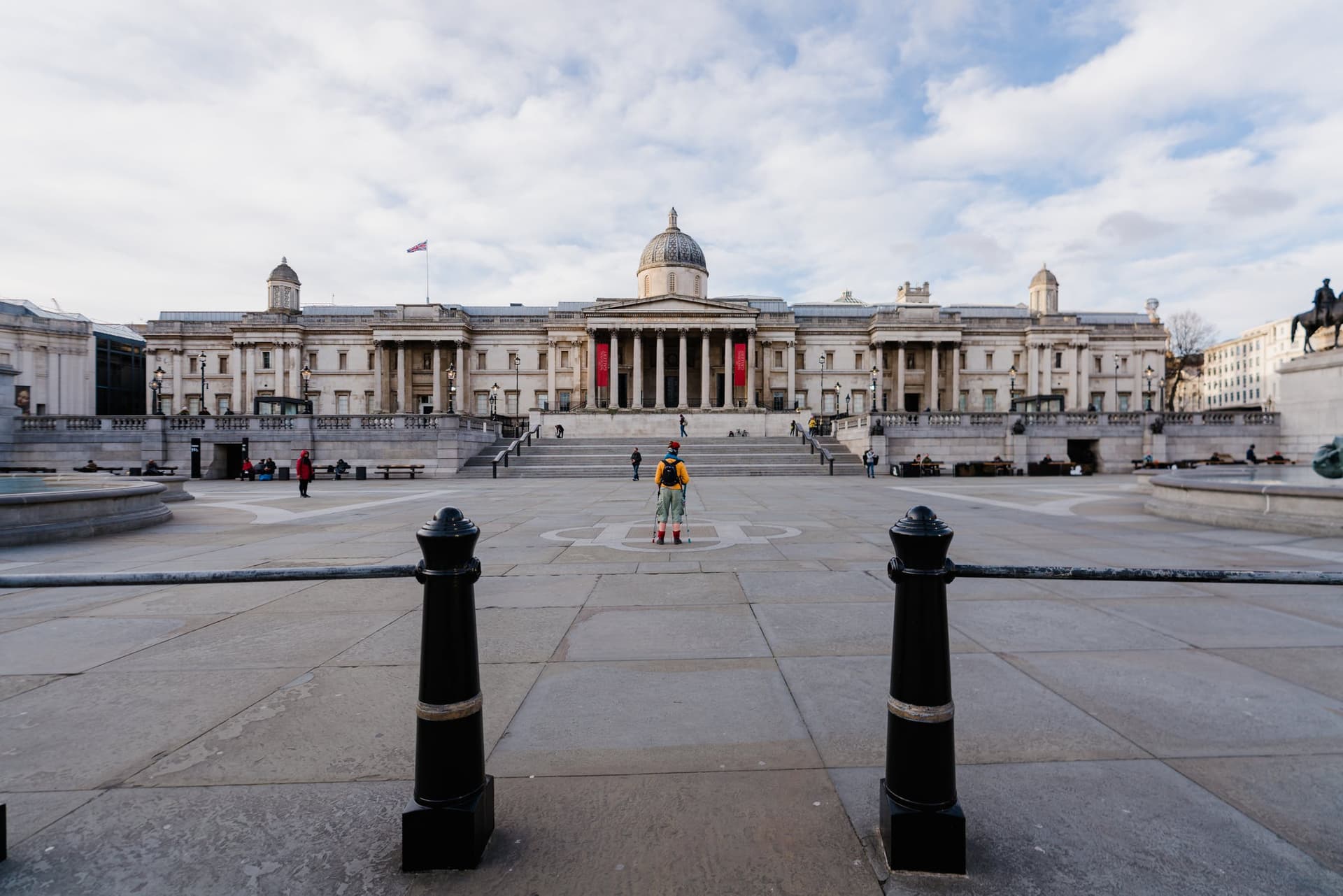
Mayfair and Covent Garden suit first-time visitors best. Both sit centrally enough to walk to Trafalgar Square, the National Gallery, and the theatre district, with Covent Garden's piazza and the secondhand bookshops of Cecil Court tucked just off Charing Cross Road. Expect to pay for that convenience, rooms here run on the higher end.
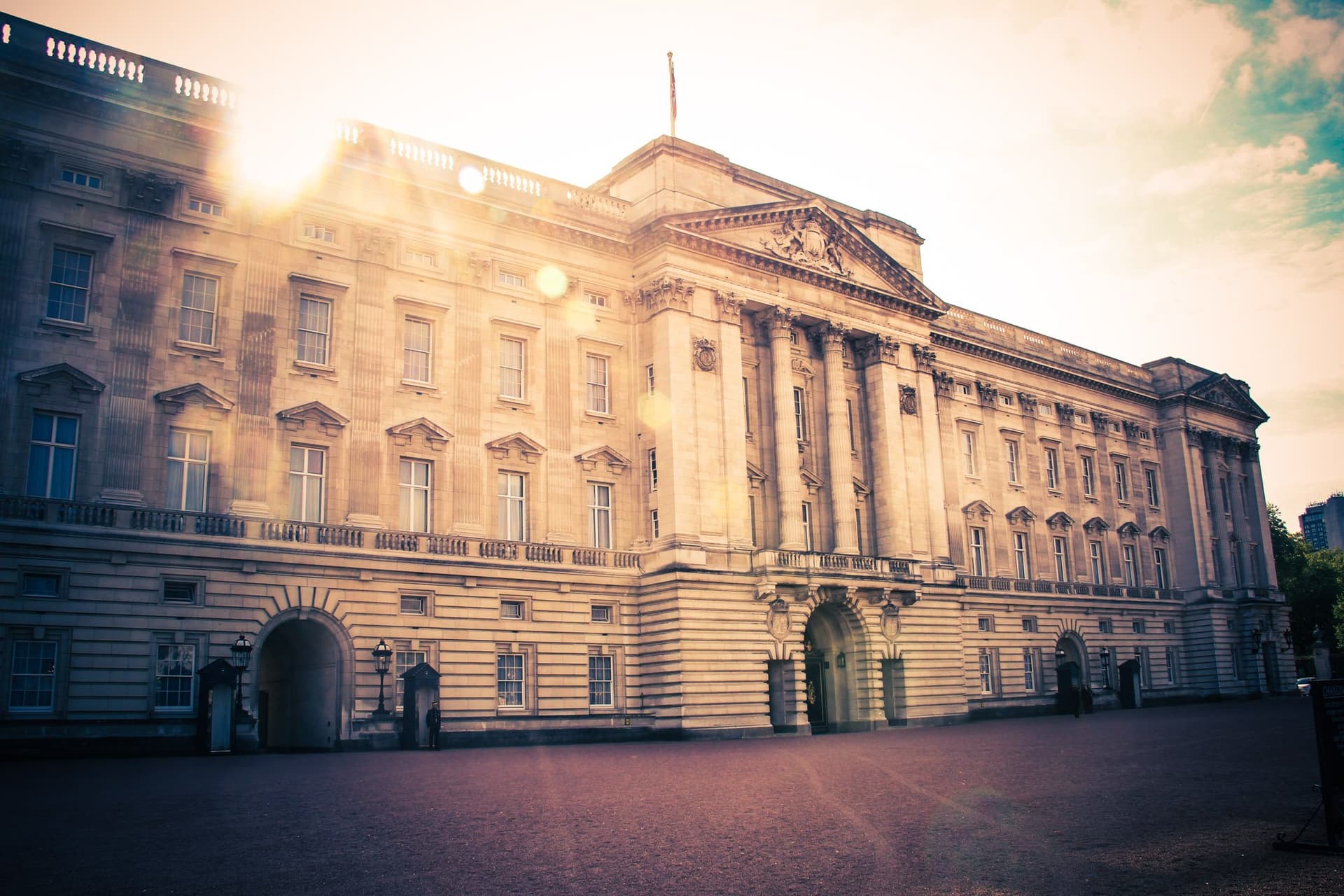
- St. James's: walking distance to Buckingham Palace, the National Gallery, and several of the city's oldest parks. Prices are steep but the location is hard to beat.
- St. Pancras: the practical choice for short trips or anyone arriving by train, since St. Pancras International and King's Cross stations sit side by side here. Hotels are reasonably priced, though it's a longer walk or tube ride to the main sights.
- Shoreditch: the pick for nightlife, with a dense cluster of bars, street art, and a younger, more hipster crowd.
- Chelsea: a quieter, more residential feel with high-end boutiques and far fewer tourists, and it sits close enough to South Kensington's museum cluster, including the Natural History Museum, to make a day of it on foot.
How to reach the destination
London has six international airports, which says something about how much air traffic this city handles. Heathrow is the largest and one of the busiest airports in the world, with direct train and bus links into central London and onward connections across the UK. Gatwick, Stansted, and Luton handle a mix of long-haul and budget carriers, with their own express rail services into the centre, while London City Airport sits closer in but handles smaller aircraft, mostly short-haul.
By train, London functions as the hub of the British rail network, so if you're coming from elsewhere in the UK, there's almost certainly a direct line in. From continental Europe, Eurostar runs from Paris, Brussels, and Amsterdam into St Pancras International, a journey that requires booking in advance rather than turning up and buying a ticket on the day.
By bus, Victoria Coach Station near Buckingham Palace Road handles most arrivals, whether you're coming from elsewhere in the UK via National Express, the country's largest coach network, or from Europe via Eurolines.
Getting around the destination
The Tube is the fastest and generally the cheapest way to cross London. Tap in with a contactless card or an Oyster card and fares are capped per day, so you never pay more than the cost of a day pass no matter how many rides you take. The London Overground, a newer network that runs mostly above ground and loops around the outer boroughs, fills in gaps the Tube doesn't reach well.
Buses cover more ground than people expect and often drop you closer to your actual destination than the nearest Tube stop. The same Oyster or contactless tap works on buses too. Black cabs are worth riding at least once, London's taxi drivers train for years to memorise the city's layout down to the side street, though fares run higher than the Tube or bus.
Don't overlook the river. The Thames Clipper runs regular boat services with stops near Tower Bridge, the Tower of London, and HMS Belfast, continuing downriver toward Greenwich and the National Maritime Museum. It's a genuinely pleasant way to see the city rather than just a novelty.
Top destination travel tips
- Join a free walking tour early in your trip. A few operators run them daily around Westminster and the City, and they're a solid way to get oriented before you start ticking off sights on your own.
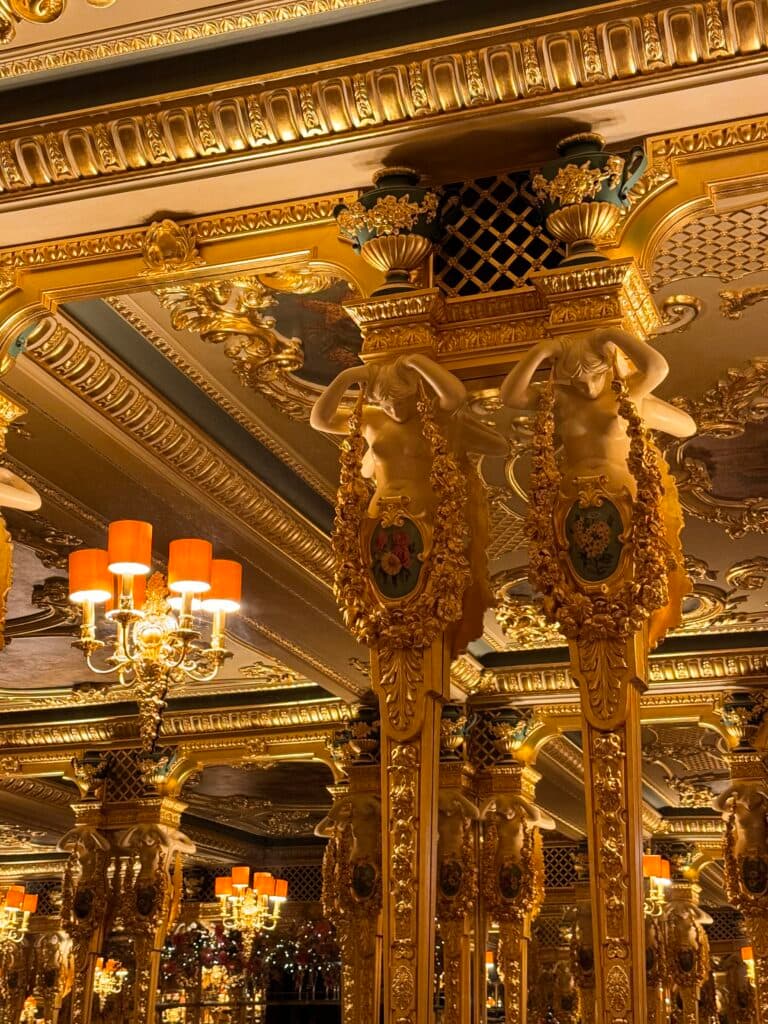
- Book afternoon tea somewhere like Café Royal if you want the full experience, reservations fill up fast at the well-known spots.
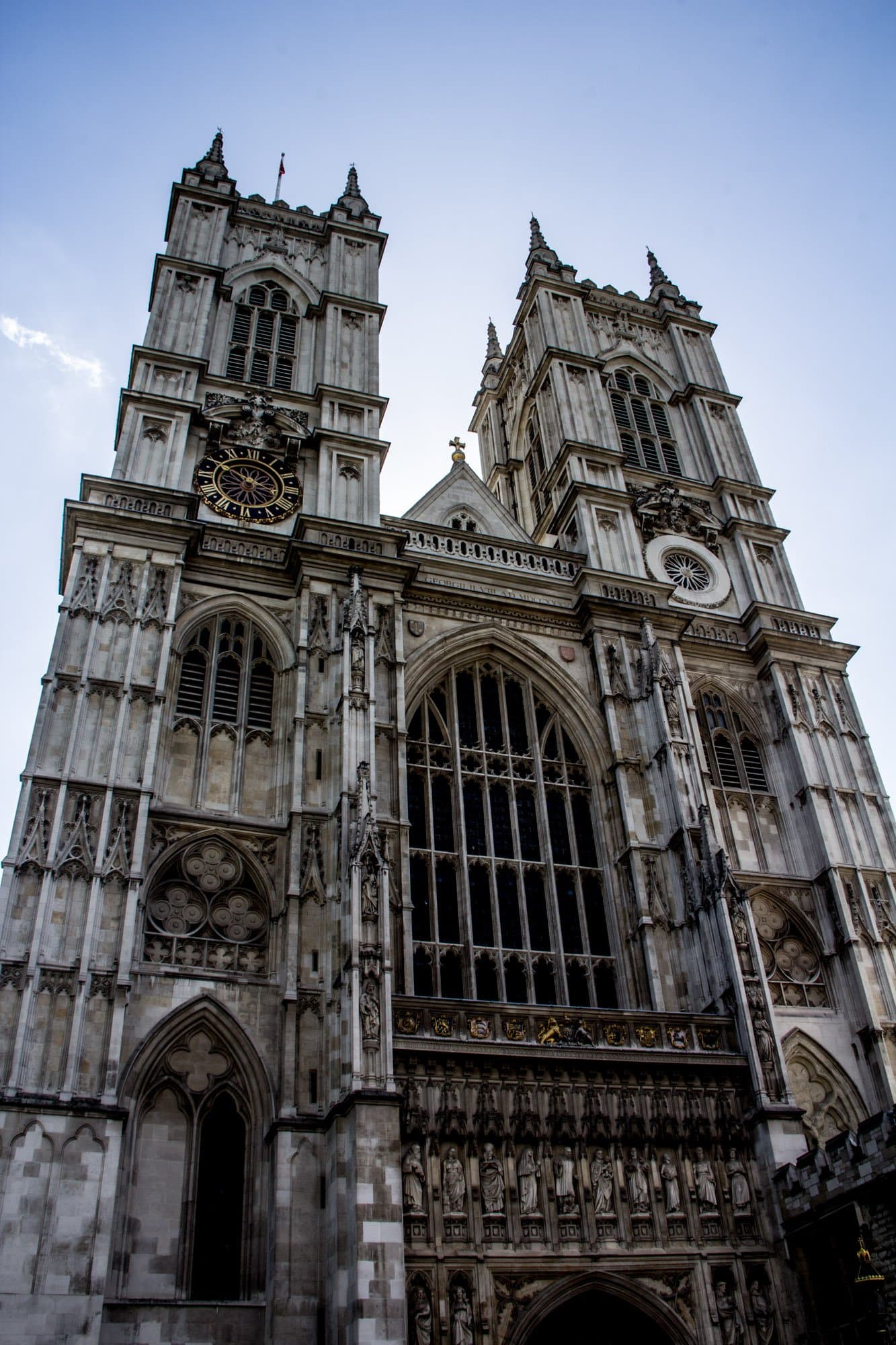
- Get a London Pass if you're planning to hit a lot of paid attractions. It covers entry to more than 90 sites, including the Tower of London, Westminster Abbey, and St. Paul's Cathedral, and can work out cheaper than paying one by one.
- Buy an Oyster card or just tap a contactless bank card at the gates. Both work the same way and cap your daily spend automatically.
- Say please and thank you, even in passing interactions. It's a small thing that gets noticed when it's missing.
- Visit the British Museum or the Natural History Museum right at opening time. Both are free and both get genuinely crowded by midday.
- Keep moving on busy pavements and Tube platforms. Londoners walk fast and expect you to step aside rather than stop dead to check a map.
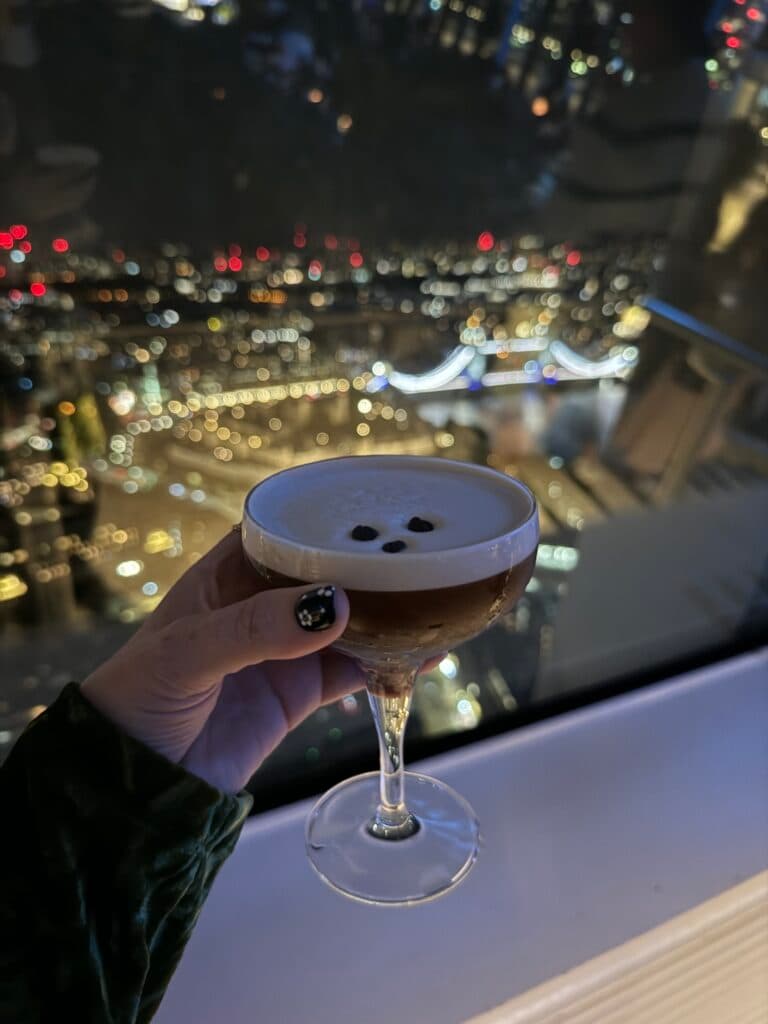
- Book timed entry for the Churchill War Rooms and Sky Garden in advance. Sky Garden is free to visit but requires a reservation slot, and it's one of the few rooftop views in the city that doesn't cost anything.
Typical costs in the destination
Prices are in pounds sterling (GBP). Budget accommodation, hostel dorms or basic hotel rooms, generally falls in the £20 to £60 per night range depending on location and season, with anything in Zone 1 pushing toward the higher end. Mid-range hotels cost considerably more, and central options near Mayfair or St. James's sit firmly in upscale territory.
Food spans the full range too. A casual lunch, a sandwich shop or a market stall at Borough Market, costs relatively little, while a sit-down dinner at a mid-range restaurant runs noticeably higher, and tasting menus at the city's fine dining rooms sit well above that. Pints at a pub are a reliable mid-range expense wherever you go. Museum entry is often free (the British Museum, National Gallery, Tate Modern, and Natural History Museum charge nothing for general admission), but special exhibitions, the London Eye, and the Tower of London all carry separate, non-trivial ticket prices worth checking before you go. Transport is manageable if you use the daily Oyster/contactless cap rather than buying single paper tickets, which cost far more per ride.
Must try food and drinks
- Fish and chips: the classic, served everywhere from sit-down restaurants to paper-wrapped takeaway stalls, with batter styles varying by shop.
- Sunday roast: a weekly pub tradition of roasted meat, potatoes, Yorkshire pudding, and gravy, best eaten at an actual pub rather than a hotel restaurant.
- Afternoon tea: finger sandwiches, scones with clotted cream, and a tiered stand of pastries, served at hotels, cafes, and even on river cruises along the Thames.
- Curry: London's South Asian food scene runs deep, and Dishoom Covent Garden, inspired by Bombay's old Irani cafes, is a good entry point if you want something more specific than a generic curry house.
- Pie and mash: a working-class London staple, minced meat pie with mashed potato and a parsley liquor sauce, still served at a handful of old-school shops.
- Street food at Borough Market: a dense cluster of stalls near London Bridge selling everything from raclette to Ethiopian food, good for grazing rather than a sit-down meal.
- A pint at a proper pub: cask ale served at cellar temperature, not ice cold, and worth trying even if you're not usually a beer drinker.
FAQ
Is London expensive?
Yes, London is one of the pricier cities in Europe for accommodation and dining, though many of its best attractions, including the British Museum, National Gallery, and Tate Modern, are free to enter. You can control costs by staying slightly outside Zone 1, using the Tube's daily fare cap, and eating at markets rather than restaurants for some meals.
How many days do you need in London?
Four to five days covers the major sights at a reasonable pace, including Westminster, the Tower of London, and a museum or two. A week lets you add day trips or explore neighborhoods like Shoreditch and Greenwich without rushing.
Is London safe for tourists?
Generally yes, London is as safe as any large capital city, with standard precautions around pickpocketing in crowded spots like the Tube and tourist areas. Stay aware of your belongings on public transport and at busy markets, and the city poses few unusual risks.
Is London walkable?
Central London is very walkable, with many major sights, Trafalgar Square, Covent Garden, and the Westminster cluster, within 20 to 30 minutes of each other on foot. Outer neighborhoods and day-trip destinations rely more on the Tube, Overground, or bus.
Do you need a car in London?
No, a car is more of a liability than a help given the city's congestion charges, limited parking, and excellent public transport. The Tube, buses, and black cabs cover the city thoroughly enough that most visitors never consider renting one.
What's the best month to visit London?
May and September tend to offer the best mix of decent weather and manageable crowds, sitting just outside the peak summer rush. Confirm seasonal events and weather closer to your travel dates since conditions vary year to year.
Is London worth visiting beyond the famous landmarks?
Absolutely, places like the Royal Botanic Gardens at Kew, the Royal Air Force Museum London, and the National Maritime Museum in Greenwich sit outside the main tourist loop but reward the extra travel time. This London travel guide points to several of them precisely because the city rewards going a bit further than Trafalgar Square and the London Eye.
Top Places to Visit in London
View all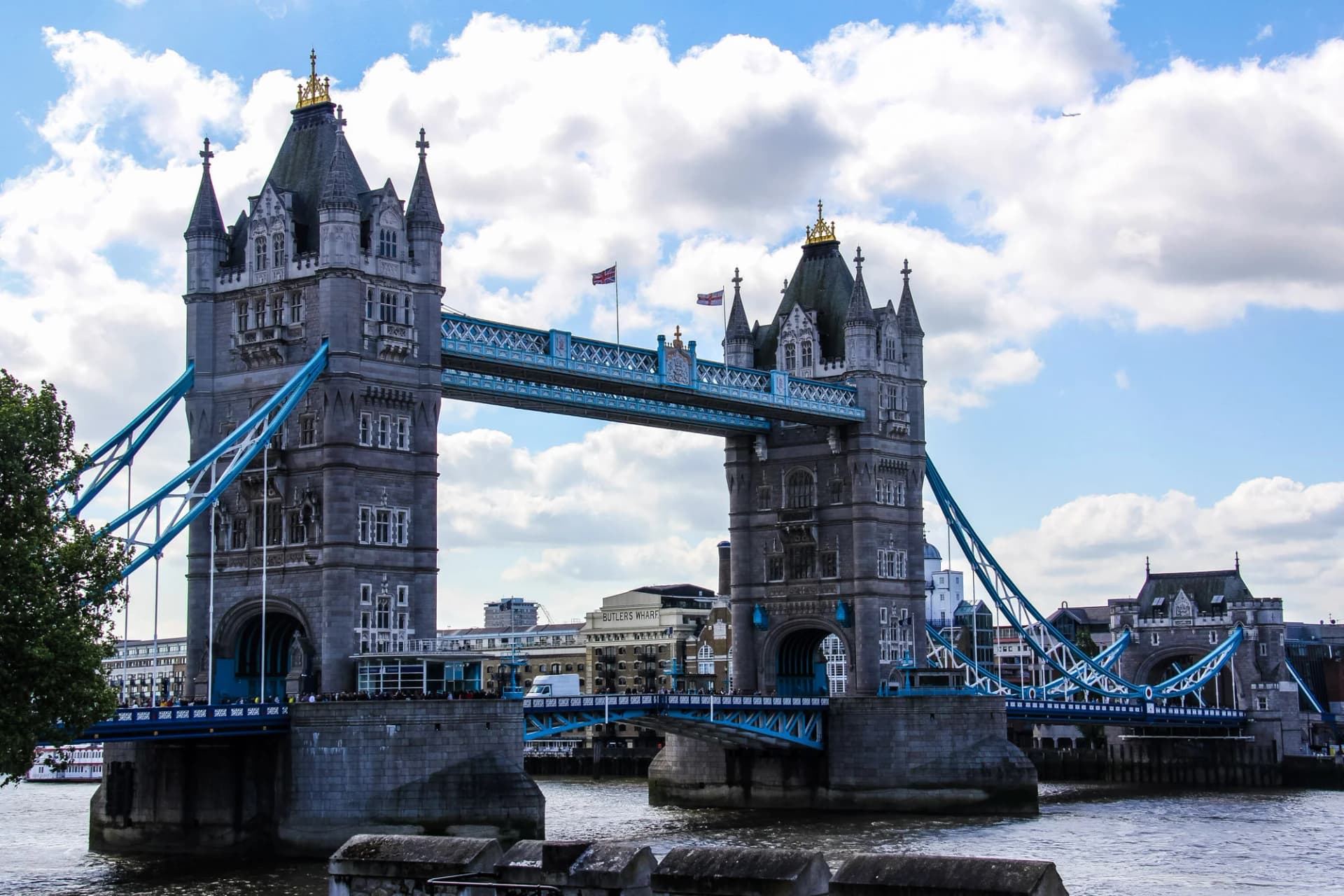

Top Places to Eat in London
View all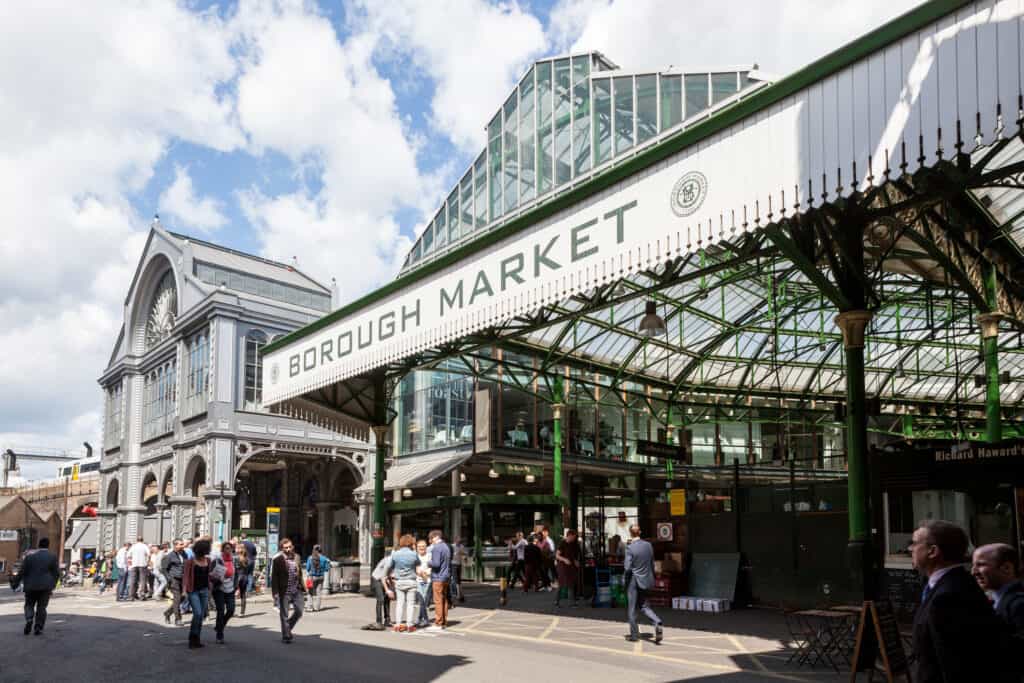 Eat & Drink
Borough Market
 Eat & DrinkModerate · $$
 Eat & DrinkExpensive · $$$
 Eat & DrinkModerate · $$
 Eat & DrinkModerate · $$
 Eat & DrinkModerate · $$
 Eat & DrinkModerate · $$
 Eat & Drink