St. James’s Park
Horse Guards Road The Storeyard, London SW1A 2BJ England Posted by Brandon B.Admin
Overview
St. James's Park sits at the heart of London's West End, a 57-acre green space that has anchored the city's royal landscape for nearly 400 years. Located between Buckingham Palace and the Houses of Parliament, it offers one of London's most accessible patches of open ground, where you'll find formal gardens, a lake teeming with waterfowl, and sight lines across some of the capital's most recognizable landmarks. The park functions as both a working royal space and a public refuge, drawing everyone from office workers on lunch breaks to tourists seeking respite from the city's streets.
St. James's Park is fundamentally different from London's other major parks. It's smaller and more intimate than Hyde Park, more manicured than Regent's Park, and positioned closer to the machinery of government and monarchy than any other green space in the city. This proximity to power, combined with its careful design, gives it a distinct character that rewards a slow walk and observation.
Why this place matters
The park's significance runs deeper than its good looks. It has been a public space since the 1660s, when Charles II opened it to Londoners after acquiring the land for hunting and recreation. That act of royal generosity established a precedent that has held for over 350 years: a royal park that remains genuinely accessible to ordinary people, not cordoned off or reserved for elites.
It's also a working example of 19th-century landscape design. The current layout, shaped largely by the work of John Nash and others in the 1820s and 1830s, demonstrates how Victorian planners thought about urban green space. The lake, the tree-lined paths, the vista toward the Horse Guards Parade all reflect deliberate choices about how to make a crowded city livable.
Quick facts
- 57 acres of parkland in the heart of Westminster
- Free entry at all times
- Open from early morning until dusk daily
- Home to around 15 species of waterfowl, including pelicans (a gift to Charles II in the 1660s, with descendants still on the lake today)
- The Serpentine lake is the park's centerpiece, spanning roughly 2.5 acres
- Nearest transport is St. James's Park Underground station on the District and Circle lines
Getting there
St. James's Park has multiple entry points, which makes access straightforward from most directions. The easiest entrance is from Horse Guards Road, near the station of the same name. If you arrive via St. James's Park Underground station (District and Circle lines), the park entrance is about a 2-minute walk away. Coming from Buckingham Palace, you can enter along the Mall, the broad ceremonial avenue that runs along the park's western edge.
From Trafalgar Square to the north, it's roughly a 10-minute walk downhill. Green Park, which adjoins St. James's Park to the west, offers another route in if you're walking from the Oxford Street area. Most visitors find they can reach the park on foot from anywhere in central London within 15 to 20 minutes.
Cycling is permitted on designated paths, though the park isn't particularly large, so it's more useful as a shortcut than a cycling destination. There are no car parks within the park itself, though metered street parking exists on surrounding roads like The Mall and Horse Guards Road.
The layout and experience
The park is compact enough to walk across in about 10 minutes in any direction, which means you can see most of it in a single visit without it feeling rushed. Its shape is roughly rectangular, with the lake occupying the eastern half and formal gardens and open lawn dominating the western side.
The lake is the natural anchor point. A path runs around it, offering views of the water and its residents from multiple angles. The eastern bank tends to be quieter than the western one, which faces the open lawns. On sunny days, you'll find people sitting on the grass in every patch of shade, but the park rarely feels overcrowded in the way that Hyde Park sometimes does.
The western half of the park is more formally planted, with flower beds, specimen trees, and a sense of deliberate design that reflects its role as a royal space. The central avenue, running roughly north to south, is lined with mature plane trees and offers sight lines toward Buckingham Palace at one end and the Horse Guards Parade at the other. Walking this avenue at the right time of day gives you an unobstructed view that few other London locations can match.
The park's southern boundary adjoins Birdcage Walk, a street lined with terraced houses and government offices. The northern boundary is St. James's Street, which contains some of London's oldest shops and clubs. This positioning means the park sits within a dense, historic neighborhood rather than isolated from the city.
Main highlights
The Serpentine lake dominates the eastern side. It's home to pelicans, ducks, geese, and cormorants, making it one of London's best spots for watching birds without traveling far from the center. The pelicans are fed daily (usually around 2:30 PM, though this can vary seasonally), and it's a quirky piece of London lore that they're descended from a gift to Charles II from the Russian ambassador in 1664. They're less tame than they once were, but you'll see them in the water most days.
The view from the lake's western bank toward the Horse Guards Parade is one of the most photographed vistas in London. The parade ground, with its mounted sentries and historic buildings, forms a backdrop that's particularly striking in afternoon light. This is where many visitors instinctively head, and it's worth standing here even if you're not taking photos.
The flower beds and garden areas on the western side of the park are worth exploring if you're interested in planting design. They change seasonally, and the gardeners maintain them with visible care. Spring bulbs are particularly good, while summer bedding schemes tend toward traditional combinations of salvias, petunias, and other cottage-garden favorites.
The shelter at the park's northern edge, near Marlborough Road, offers a quieter vantage point away from the main paths. It's a good spot if you want to sit and watch the park without being on the main circulation route.
History and background
Charles II acquired the land in the 1660s as a private hunting ground. He employed the French landscape designer André Le Nôtre, who had designed the gardens at Versailles, to lay it out. Though Le Nôtre's original designs were never fully realized, his influence shaped the park's formal character. The lake was created by damming a small stream that once ran through the site.
In 1665, Charles II opened the park to the public on certain days. This was an act of considerable generosity for the time and reflected the new thinking about urban parks that was beginning to emerge in Europe. Over the following centuries, the park became a gathering place for Londoners of all classes, though the atmosphere and usage changed substantially over time.
The current layout owes much to work done in the 1820s and 1830s, when the lake was reshaped and the formal gardens were redesigned. The broad tree-lined avenue, the open lawns, and the carefully composed sight lines all date from this period. World War II caused damage to the park, including the destruction of some buildings and the creation of bomb shelters, but it was carefully restored afterward.
The park is managed by the Royal Parks, a charity that oversees eight royal parks across London. This arrangement has been in place since 1997 and reflects a shift toward professional, long-term management of these historic spaces.
Tickets and entry
St. James's Park is free to enter at any time. There are no gates or barriers, and no ticket required. You can walk in from any of the main entrances at any hour of the day or night, though the park becomes darker and quieter in the evenings.
If you want a guided tour, the Royal Parks offers occasional guided walks that include St. James's Park. These are bookable in advance and typically include additional historical and ecological information beyond what you'd pick up on your own.
Best time to visit
Spring (March to May) is excellent, with the flower beds in bloom and the park's formal gardens looking their best. The trees are leafing out, and the light is often clear and bright. Weekday mornings tend to be quieter than weekends.
Summer brings longer days and warmer weather, which means more people using the park for lunches and afternoon breaks. The lake's waterfowl are less active in hot weather, but the open lawns are pleasant for sitting. Early morning visits in summer offer cooler temperatures and better light for photography.
Autumn (September to November) is quieter than summer, with good light and the park's deciduous trees turning color. The grass remains lush, and the formal beds are often replanted with autumn schemes.
Winter can be beautiful if the weather cooperates, with frost creating textural interest in the lawns and beds. The park is quieter and has a different character. Rainy days are common, but the park's paths are well-drained and walkable even in wet weather.
Weekday mornings are generally quieter than afternoons and weekends. If you're visiting to see the Changing of the Guard at the Horse Guards Parade (which happens daily), the park fills up in advance of that event, typically around midday on weekdays and 11 AM on Sundays.
Photography tips
The sight line from the lake toward the Horse Guards Parade is the most famous view, and it's worth shooting from multiple positions along the western bank to find the light and angle that work best for you. Morning light tends to be clearer, while late afternoon light adds warmth to the stone buildings beyond the park.
The pelicans are most visible and active in the early morning and around feeding time in the afternoon. Patient observation from a fixed spot tends to yield better results than chasing them around the lake.
The tree-lined avenue in the western half of the park creates a strong compositional element, particularly in spring when the trees are in leaf or in autumn when the light is low and golden.
The park's formal flower beds work well as abstract compositions, particularly with a shallow depth of field that isolates color and texture. Early morning or overcast days provide even light that doesn't create harsh shadows.
Facilities and preparation
The park has public restrooms near the Horse Guards Road entrance. There are cafés and food vendors operating at various points, though they tend to be seasonal or subject to change. The park itself doesn't have a formal visitor center or museum, so there's no indoor shelter if the weather turns.
Benches are distributed throughout the park, though they fill up quickly on sunny days. If you plan to spend time sitting, arriving early gives you better options. The paths are paved and well-maintained, making it accessible for people with limited mobility, though there are some gentle slopes.
There's no playground or specific children's facilities, so the park works better for families with older children or for adults than for very young children. The lake's edge is unfenced, so supervision is necessary if you have young children with you.
Bring water if you're planning a longer visit, particularly in summer. The park has limited shade in some areas, so sunscreen and a hat are useful. Dogs are permitted on leads.
Combining with nearby attractions
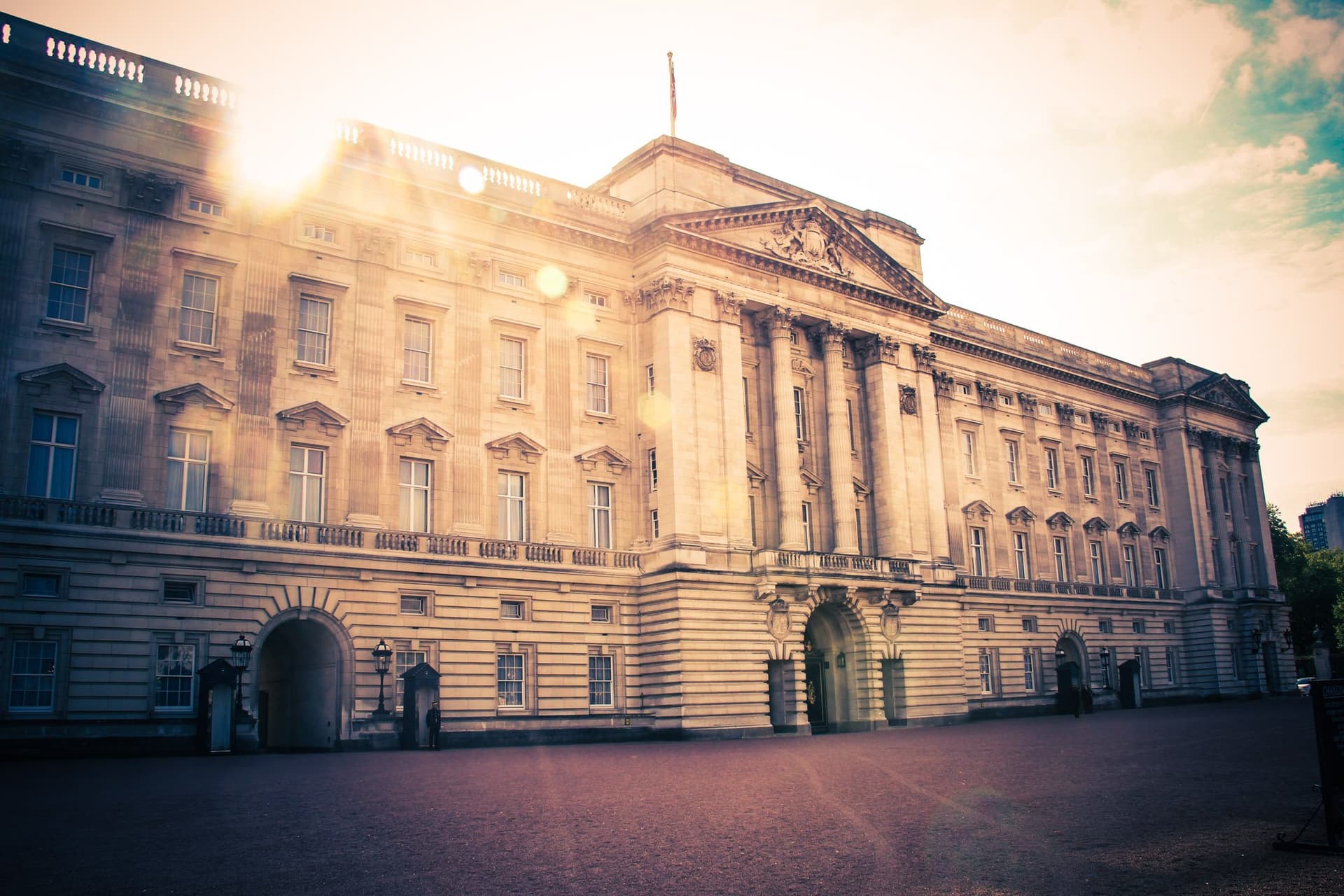
Buckingham Palace is directly adjacent to the park's western edge. You can walk around the outside of the palace from the park without needing a separate ticket. The Changing of the Guard ceremony happens at the Horse Guards Parade, which sits at the park's eastern boundary, making it easy to combine a park visit with watching the ceremony.
Green Park, another royal park, adjoins St. James's Park to the west. The two parks are separated by a path but feel connected, and you can easily walk from one to the other. Together, they offer a much larger green space for walking.
The National Gallery and National Portrait Gallery are about 10 minutes' walk to the north via Trafalgar Square. The Houses of Parliament and Westminster Abbey are about 15 minutes' walk to the south and east. The shopping streets of Oxford Street and Regent Street are accessible within 15 to 20 minutes to the north and west.
Sample visit plan
If you have 30 minutes, enter from the Horse Guards Road, walk the perimeter of the lake, and exit via the same route. You'll see the main features without rushing.
For a 60-minute visit, spend 20 minutes around the lake and its waterfowl, then walk the tree-lined avenue in the western half of the park, stopping to look at the flower beds and the view toward the Horse Guards Parade. This covers the park's main highlights without exhaustion.
For a 90-minute visit, add time to sit on a bench and observe the park's daily life. Watch the patterns of foot traffic, the behavior of the birds, and the way light moves across the space. Visit the quieter northern reaches if you want a more contemplative experience. If timing allows, aim to be near the Horse Guards Parade around 2:30 PM to see the pelicans being fed and to observe the afternoon activity.
Practical tips
- The park is busiest around midday and on weekends. Weekday early mornings are quietest.
- The Changing of the Guard ceremony at the Horse Guards Parade happens daily. The park fills up about 30 minutes before it begins.
- Pelican feeding time is typically around 2:30 PM, though this varies seasonally and isn't guaranteed daily.
- The formal flower beds are replanted seasonally, so the garden's appearance changes significantly throughout the year.
- The park's central avenue offers the best sight lines toward Buckingham Palace and the Horse Guards Parade.
- St. James's Park Underground station is the closest transport link, about 2 minutes' walk from the park entrance.
- Bring a camera or phone if you want to capture the view from the lake toward the Horse Guards Parade, but don't spend so much time photographing that you forget to simply look at the place.
FAQ
Can you swim in the lake? No, swimming is not permitted. The lake is designated for waterfowl and isn't maintained as a bathing area.
Are there restaurants or cafés in the park? There are food and beverage vendors operating at various points, though these are seasonal and subject to change. For reliable dining, the streets surrounding the park have numerous options.
Can you book a guide or tour? The Royal Parks occasionally offers guided walks. Check their website for current offerings and booking information.
Is the park accessible for people with disabilities? Most of the park's main paths are paved and relatively flat, making it accessible for people with limited mobility. Some areas have gentle slopes. The park doesn't have a dedicated accessible parking area, but street parking exists on surrounding roads.
What's the best time of day to visit? Weekday mornings offer the quietest experience and the clearest light. Afternoon visits in summer bring more people but longer daylight. Late afternoon light is warm and flattering, particularly for photography.
Reviews
Sign in and mark this place visited to leave a review.
No reviews yet.
Free Trip Planner
Plan your England trip with our free planner
Build a day-by-day itinerary with AI suggestions, hand-picked places, and friends. Free forever — no credit card.
Related reading


Things to see near St. James’s Park

Fulham Palace

Treetop Walkway Richmond
Stand On The Prime Meridian