Posted by Brandon B.Admin
Overview
L'Orangerie in Monaco is a botanical garden and cultural space located in La Condamine, the working harbor district that forms the heart of the principality. The garden occupies a modest but historically significant parcel along Rue de la Turbie, steps from the Port Hercule waterfront. Unlike Monaco's more famous attractions, L'Orangerie operates as a quieter refuge where you can encounter rare plant collections and seasonal exhibitions without the crowds that descend on the Palace or Casino.
The space has long served as a repository for exotic plants, particularly citrus trees and Mediterranean species that thrive in Monaco's mild climate. It functions as both a working garden and occasional event venue, reflecting the principality's commitment to preserving green space in one of the world's most densely built territories.
Why this place matters
In a country where real estate is measured in millions per square meter, a functioning garden is an act of defiance. L'Orangerie represents Monaco's effort to maintain horticultural heritage amid relentless development. The collection includes specimens that have been cultivated for decades, some with documented provenance dating back generations.
For visitors, the garden offers a tactile alternative to Monaco's polished museums and manicured public squares. You'll encounter actual gardeners at work, smell soil and citrus blossoms, and see plants in their various stages rather than curated perfection.
Quick facts
- Location: 9 Rue de la Turbie, La Condamine, Monaco 98000
- Neighborhood: La Condamine, adjacent to Port Hercule
- Type: Botanical garden and cultural venue
- Primary collection: Citrus trees, Mediterranean flora, seasonal plants
- Best for: Quiet afternoon visits, botanical interest, photography of historic plantings
Getting there
L'Orangerie sits a 10 to 15 minute walk from Monaco's main train station. Exit onto Boulevard Albert 1er and follow it toward the harbor. Rue de la Turbie intersects this boulevard on the eastern side of Port Hercule. If you're coming from the Casino or Palace district, you'll head downhill toward the water.
The garden is accessible by local bus as well. Several routes serve La Condamine, and the stop nearest L'Orangerie is within a two-minute walk. If you're driving, parking in La Condamine can be challenging given the neighborhood's density, but underground garages exist near the harbor.
Monaco's small size means you can reach L'Orangerie from almost anywhere in the principality within 20 minutes on foot or bus.
The layout and experience
The garden is organized informally rather than as a grand formal estate. You enter directly into planted areas, with pathways winding between raised beds, specimen trees, and seasonal displays. The space feels intimate, never overwhelming. On most days, you'll encounter only a handful of other visitors.
The citrus collection dominates the planting scheme. You'll see orange, lemon, and more unusual varieties arranged so their growth patterns are visible from multiple angles. Mediterranean shrubs and perennials fill the gaps, chosen for their ability to tolerate the principality's specific microclimate and the reflected heat from surrounding stone and asphalt.
Depending on the season, temporary exhibitions or installations may occupy portions of the garden. These range from photography displays to contemporary art pieces that engage with the botanical setting. The garden staff curates these thoughtfully rather than as an afterthought.
The entire visit typically takes 30 to 60 minutes, depending on how closely you examine individual specimens and how long you linger on the benches overlooking the harbor.
Main highlights
The oldest specimen trees are the primary draw for repeat visitors. These are plants with visible age, thick trunks, and gnarled branches that speak to decades of cultivation. Staff members sometimes offer informal commentary if you ask questions about specific specimens.
The view toward Port Hercule from the eastern edge of the garden provides one of Monaco's less photographed harbor perspectives. The vantage is low and intimate rather than elevated and grand, which appeals to visitors seeking quieter angles on the principality's landscape.
Seasonal blooms offer changing reasons to return. Spring brings a wave of flowering perennials. Summer showcases the garden in full leaf. Autumn and winter reveal the structural qualities of the plantings and allow better views of the harbor beyond.
History and background
L'Orangerie's origins trace to Monaco's horticultural traditions dating back several centuries. The principality's mild winter temperatures and Mediterranean position made it ideal for cultivating citrus and tender plants that would struggle elsewhere in Europe. Wealthy residents and the ruling family invested in these gardens as both practical food sources and status symbols.
The current site has operated as a public or semi-public garden for much of the past 100 years, though its exact history of ownership and operation remains somewhat opaque. Unlike larger European botanical gardens with detailed institutional records, L'Orangerie operates more as a living collection than a formal museum.
The garden reflects Monaco's broader relationship with its limited land. As the principality developed, most gardens were sacrificed for apartments and commercial space. L'Orangerie's survival suggests either historical protections, municipal policy, or the practical recognition that certain green spaces serve functions that cannot easily be replaced.
Best time to visit
Spring (April and May) brings the most dramatic floral displays and comfortable temperatures for walking and lingering. The garden is least crowded on weekday mornings, particularly Tuesday through Thursday.
Summer can be hot, and the intense midday sun reduces the appeal of wandering unshaded pathways. If you visit in July or August, arrive early or wait until late afternoon.
Autumn offers mild conditions and fewer tourists overall, as Monaco's peak season winds down. Winter remains mild but can be gray, and some tender plants are removed or protected, reducing visual variety.
Photography tips
Morning light from the east illuminates the older specimen trees beautifully, casting defined shadows that reveal their structure. The harbor views work best in late afternoon when the sun is behind you and the water catches golden light.
Macro or close-up shots of foliage, blooms, and texture details often yield more interesting results than attempts at sweeping garden vistas. The space is too compact and intricate for wide-angle grandeur.
The benches and informal seating areas make good compositional elements if you're interested in human-scale perspectives on the garden. Ask permission before photographing other visitors.
Facilities and preparation
L'Orangerie offers minimal facilities. There is no cafe, gift shop, or restroom on-site. Plan accordingly if you're visiting with children or have accessibility needs. The pathways are mostly level but can be uneven in places, so wear appropriate footwear.
Bring water if you're visiting in warm months. The garden provides limited shade, and you'll be exposed to sun for much of your visit. A hat and sunscreen are practical additions.
Entry requirements and any ticketing information should be confirmed before your visit, as procedures may change seasonally or for special events.
Combining with nearby attractions
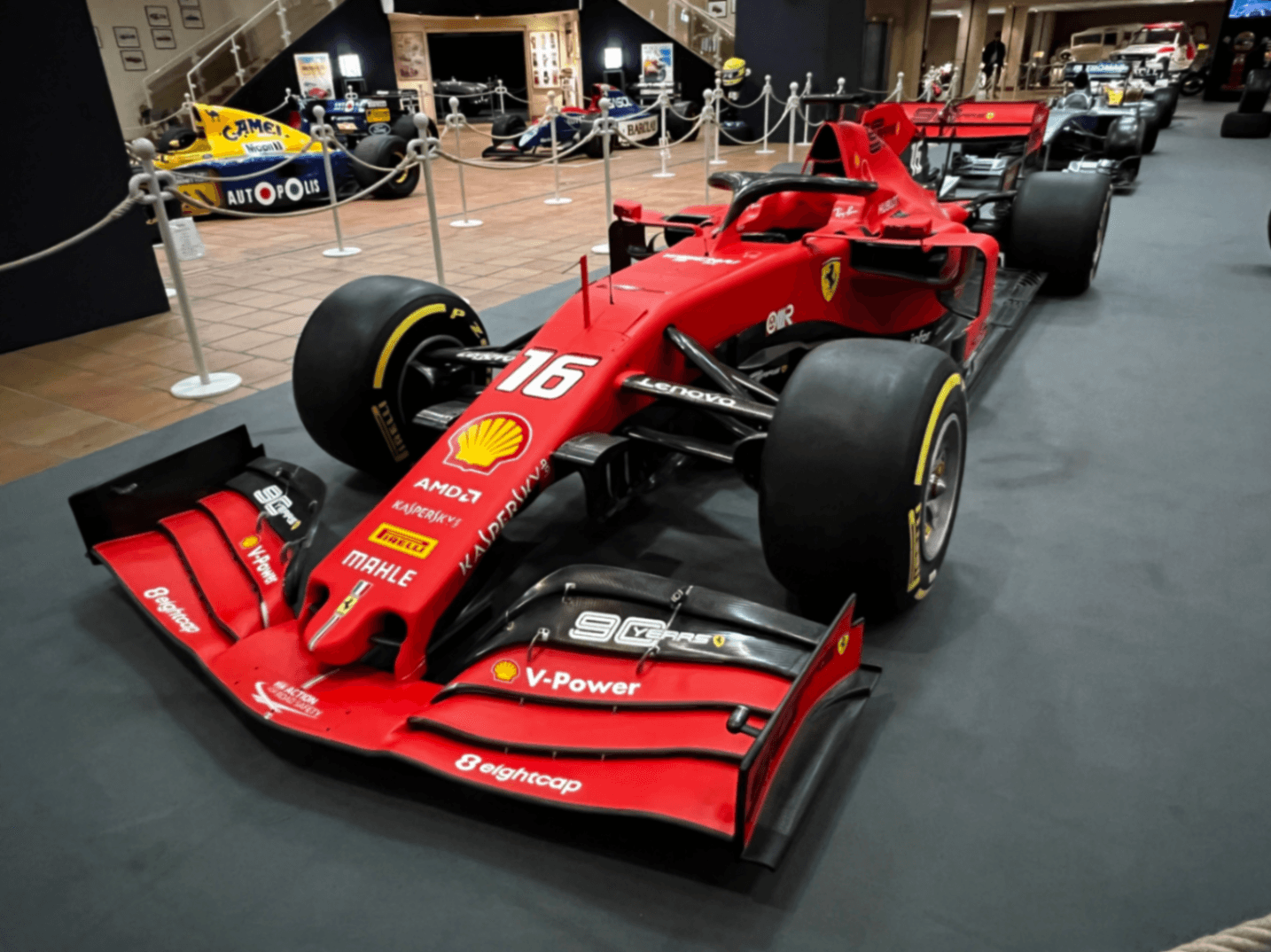
L'Orangerie's location in La Condamine makes it easy to combine with other harbor-area activities. Port Hercule itself is steps away, offering views of Monaco's yacht fleet and seasonal events. The Musee de l'Automobile, housing the Prince's car collection, is a 10 minute walk uphill.
The neighborhood contains several casual restaurants and cafes along the quay, ideal for a light lunch before or after your garden visit. The Jardin Saint-Martin, another green space with Mediterranean plantings, lies on the opposite (western) side of the harbor and can be reached by a pleasant waterfront walk.
If you're interested in Monaco's horticultural heritage more broadly, the Exotic Garden and its associated Anthropology Museum sit higher up on the rock, offering a more elaborate botanical experience with dramatic cliff-top views.
Sample visit plan
Arrive mid-morning on a weekday to avoid crowds. Allow 45 minutes to walk the garden at a moderate pace, reading any signage and examining specimen trees closely. If a temporary exhibition is on view, budget an additional 15 to 20 minutes.
Exit onto Rue de la Turbie and walk to the quay for a light lunch at a harborside cafe. Spend 30 to 45 minutes eating and watching boats. If energy and interest remain, walk 10 minutes uphill toward the Palace or descend along the western quay toward the Jardin Saint-Martin.
The entire outing, including lunch, fits comfortably into three to four hours and requires no special tickets or advance planning beyond checking current opening times.
Practical tips
- Visit on a weekday morning for the quietest experience and best light for photography
- Wear comfortable shoes with good grip, as some pathways are uneven
- Bring water and sun protection, as shade is limited
- Allow 45 to 60 minutes for a thorough visit
- Check opening hours before arriving, as they may vary seasonally
- Nearby cafes on the quay are ideal for a post-visit meal or coffee
FAQ
Is L'Orangerie free to enter? Access and any admission fees should be confirmed in advance. The garden has historically been accessible to the public, but policies may change seasonally or for special events.
Can I bring children? Yes, though there are no dedicated children's facilities or activities. The garden is best suited to children old enough to walk at a measured pace and respect plants.
How long should I plan to spend here? Most visitors spend 30 to 60 minutes. The garden is compact and can be walked quickly, but lingering to examine specimens or enjoy the harbor views extends the experience pleasantly.
Is the garden wheelchair accessible? Pathways are mostly level but may be uneven in places. Contact the venue directly for specific accessibility information before your visit.
What's the best season to visit? Spring (April to May) offers the most dramatic flowering and pleasant weather. Autumn is also excellent and sees fewer tourists overall.
Opening hours
Reviews
Sign in and mark this place visited to leave a review.
No reviews yet.
Free Trip Planner
Plan your La Condamine trip with our free planner
Build a day-by-day itinerary with AI suggestions, hand-picked places, and friends. Free forever — no credit card.
Things to see near L’Orangerie

Aux Canards Garden

Port de Fontvieille

Cathedrale Notre-Dame-Immaculee