Overview
Walk through the entrance of Mercado Central on Avenida Pichincha and the first thing that hits you is the smell: cilantro, lime, raw meat on ice, and the sweet rot of overripe fruit all at once. The light comes in dusty and yellow through the high windows. Vendors call out prices in rapid Spanish. People move through the narrow aisles with purpose, stopping to squeeze avocados or argue over the freshness of a fish. This is Mercado Central, Quito's primary food market and one of the city's oldest working marketplaces.
It is not a tourist attraction in the polished sense. Locals come here to buy ingredients for dinner. The market functions as a dense, chaotic grid of stalls selling everything from produce to prepared foods to kitchen equipment. For visitors, Mercado Central offers a direct look at how Quito eats, where the city's cooks and home cooks source their raw materials, and what the rhythm of a working market feels like when you are actually inside it.
Why This Place Matters
Mercado Central operates as the culinary backbone of central Quito. It has done so for more than a century, weathering urban change and the rise of supermarkets because it remains the cheapest and freshest source for produce, meat, and seafood in the city. The market is also a social hub. Vendors know their regular customers by face. People stop to chat. Money changes hands in cash. It is a place where Quito's working rhythms are visible and audible.
For travelers, the market reveals something that guidebooks and museums cannot. You see the actual ingredients that make up Ecuadorian cuisine. You watch how vendors interact with customers. You encounter the city as a functioning place, not as a series of tourist checkpoints. This matters if you want to understand Quito beyond its colonial architecture and tourist restaurants.
Quick Facts
- Located on Avenida Pichincha in central Quito, near the intersection with Calle Benalcázar
- Open most days from early morning (around 6 or 7 AM) through early afternoon; hours vary by vendor
- Entirely indoors, covering multiple levels within a single large building
- Free entry; you pay only for what you buy
- Cash-only for most vendors; few accept cards
- Operates as a working market for locals, not as a tourist destination
Getting There
Mercado Central sits on Avenida Pichincha in the historic center of Quito, roughly 10 to 15 minutes on foot from Plaza Grande (the main plaza). If you are in the Centro Histórico neighborhood, the market is easily walkable. From the north end of the city, a taxi ride takes 20 to 30 minutes depending on traffic.
The nearest public transport option is the trolleybus or regular bus system, though the market's central location makes it most convenient to reach on foot from the historic district. The entrance is directly on Avenida Pichincha and is not easy to miss, though the storefront itself is modest.
The Layout and Experience
The market is organized vertically across multiple levels and horizontally into distinct zones. The ground floor holds most of the produce: mountains of plantains, tomatoes, potatoes, avocados, and herbs. Vendors arrange their goods in tight stalls, and the aisles between them are narrow enough that two people can barely pass shoulder to shoulder.
The upper levels (accessed by stairs or a narrow elevator) house meat, fish, and prepared foods. The smell changes as you ascend. The fish section is particularly pungent and animated. Vendors here move quickly, gutting, scaling, and wrapping fish to order. The meat section is similarly active and loud.
In the prepared foods area, vendors sell empanadas, soups, grilled meats, and other ready-to-eat items. This is where many locals grab breakfast or a quick lunch. You order at the stall, pay, and eat standing up or at a small counter. Prices are budget-tier, and portions are generous.
Navigation is intuitive once you accept that the market does not follow a rational grid. You will loop back on yourself. You will dead-end in a corner. This is part of the experience. Give yourself 30 to 45 minutes to wander without pressure, or 15 to 20 minutes if you have a specific shopping goal.
Main Highlights
The produce section is the most visually striking part of the market. Ecuador's altitude and proximity to the equator mean the market stocks fruits and vegetables that most North American or European shoppers have never seen. Look for naranjillas (small orange berries), granadillas (passion fruit relatives), and various tubers with names you cannot pronounce. The visual density alone is worth the visit. Vendors are often willing to let you sample fruit if you ask politely.
The prepared foods section offers a cheap meal if you are hungry. Empanadas filled with meat or cheese cost almost nothing. A bowl of soup or a plate of grilled chicken and rice is equally affordable. The quality and freshness are high because these vendors cook to order and turnover is fast.
The flower stalls occupy a smaller section and are worth a quick look. Ecuador is one of the world's largest flower exporters, and Mercado Central stocks fresh roses, carnations, and other blooms at prices far below what you would pay in North America or Europe.
History and Background
Mercado Central has operated as Quito's primary food market for over a century. The exact year of its founding is not definitively documented in widely available sources, but the market's role as the city's central provisioning point dates to at least the early 20th century. It has survived through Quito's expansion, the arrival of supermarkets, and periodic renovations.
The market remains a working space for vendors and an informal institution in Quito's economic and social life. It has not been converted into a tourist attraction or gentrified into a food hall with upscale vendors and craft products. It functions as it always has: a place where people buy food to cook and eat.
Best Time to Visit
Early morning, between 7 and 9 AM, is when the market is most active and most densely stocked. Vendors have just unpacked deliveries. The crowds are heaviest with locals doing their daily shopping. The energy is highest at this hour.
By late morning or early afternoon, many vendors begin to pack up, especially if they have sold through their stock. The market winds down considerably by 2 PM. If you want to see the market at full capacity, arrive early.
Weekdays tend to be quieter than Saturdays, though the market is busy any day of the week. Sunday hours may be shorter or more limited for some vendors, so weekday visits are more reliable if you want the full experience.
Photography Tips
The light inside Mercado Central is dim and yellow from the high windows. This creates interesting color and contrast, but you will need a camera that handles low light well or you will rely on flash. Bring a camera with manual controls if you want to avoid a washed-out result.
Ask permission before photographing vendors. Most will allow it if you ask respectfully, but some prefer not to be photographed. This is their workplace, not a backdrop for your portfolio.
The most photogenic spots are the produce stalls with their dense arrangements of colorful fruits and vegetables. The narrow aisles and the activity of vendors working create strong compositional opportunities. The flower section is also visually rich.
Facilities and Preparation
Mercado Central is a working market, not a tourist facility. There are no tourist information booths, no guided tours, and no special amenities for visitors. Bathrooms exist but are basic. There is no seating except at the prepared foods stalls.
Bring cash in small denominations. Vendors do not carry much change, and most do not accept card payments. Bring a small bag or backpack if you plan to buy anything, though vendors will also bag purchases for you.
Wear comfortable walking shoes. The floors are wet in places and the aisles are tight. Do not bring large backpacks or luggage; they will get in the way and make other shoppers frustrated. Leave valuables at your hotel. Pickpocketing is not rampant, but the crowded conditions make the market a place where you should keep your wallet close and your attention focused.
Combining with Nearby Attractions
Mercado Central sits in the heart of Quito's Centro Histórico. You can easily combine a market visit with a walk through the historic district. Plaza Grande, the Basilica del Voto Nacional, and several colonial churches are all within 10 to 20 minutes on foot.
Many visitors combine a morning at Mercado Central with an afternoon exploring the historic district's museums, plazas, and colonial architecture. The neighborhoods are walkable and interconnected, making it simple to spend a half-day in the area and cover multiple sites.
Sample Visit Plan
Arrive at Mercado Central by 7:30 AM. Spend 30 to 45 minutes walking through the produce section and the upper levels, observing the vendors and the range of ingredients. Stop at one of the prepared foods stalls for a breakfast of empanadas or soup. This takes 15 to 20 minutes.
Exit the market by 9 AM. Walk to Plaza Grande (about 10 minutes) and spend an hour exploring the plaza and the Cathedral. Grab lunch at a restaurant in the historic district, or return to the market for a midday meal if you want a second visit.
This plan keeps you in the immediate area and allows you to experience both the market and the historic district without rushing.
Practical Tips
- Go early in the morning for the best selection and most active atmosphere
- Bring small cash bills; vendors have limited change
- Ask before photographing vendors; most will allow it with permission
- Do not bring large bags or luggage; it will obstruct the narrow aisles
- Wear comfortable, slip-resistant shoes; floors can be wet
- Keep your wallet close and your attention on your surroundings
- If you buy produce, eat it within a day or two; it is fresh and ripens quickly
FAQ
Is Mercado Central safe for tourists? Yes, it is a public market used daily by thousands of locals. Use standard city precautions: keep your wallet close, do not flash expensive items, and stay aware of your surroundings. The market is well-lit and busy during the day, which works in your favor.
Can I eat at the market? Yes. The prepared foods section has stalls selling empanadas, soups, grilled meats, and other ready-to-eat items. Prices are budget-tier and quality is high. Eat standing up at the stall or at a small counter area.
Do vendors speak English? Most do not. Spanish is necessary if you want to ask questions or negotiate. Learning a few basic food words in Spanish will help you navigate the market more confidently.
What if I want to buy produce to cook with? Vendors will sell you small quantities. Tell them what you want and they will bag it for you. Prices are significantly cheaper than supermarkets, but you will need to eat or cook the produce within a day or two.
How long should I spend at Mercado Central? 30 to 45 minutes is enough to see the full market and get a sense of how it works. If you stop for a meal or linger in conversation with vendors, add another 20 to 30 minutes.
Opening hours
Reviews
Sign in and mark this place visited to leave a review.
No reviews yet.
Free Trip Planner
Plan your Quito trip with our free planner
Build a day-by-day itinerary with AI suggestions, hand-picked places, and friends. Free forever — no credit card.
Things to see near Mercado Central

Papallacta Hot Springs

Museo Interactivo de Ciencia
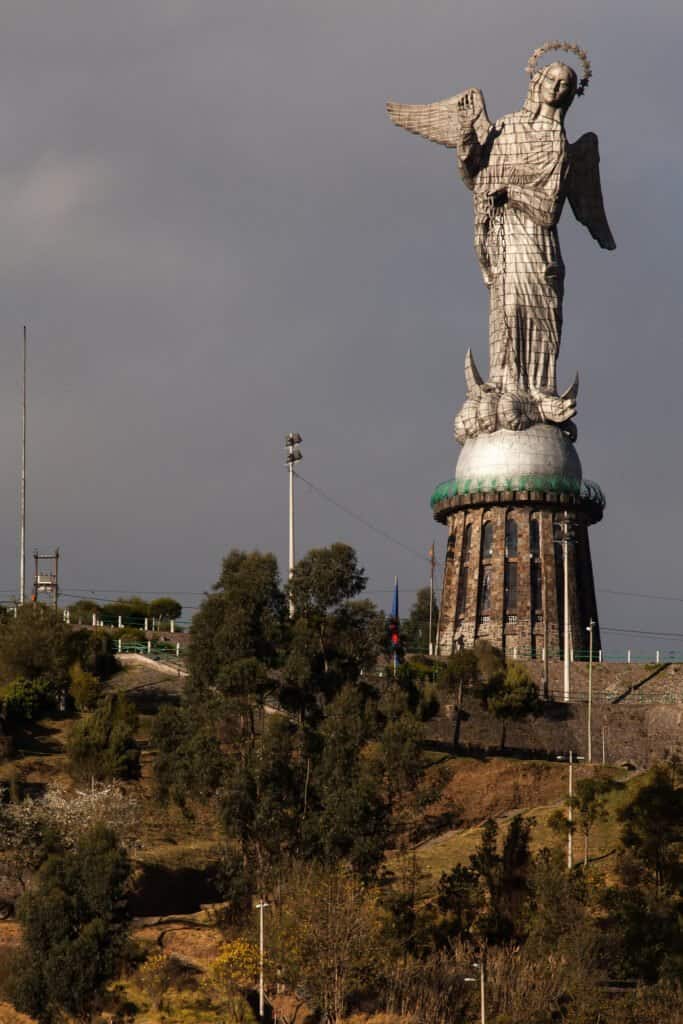
Virgin of the Panecillo
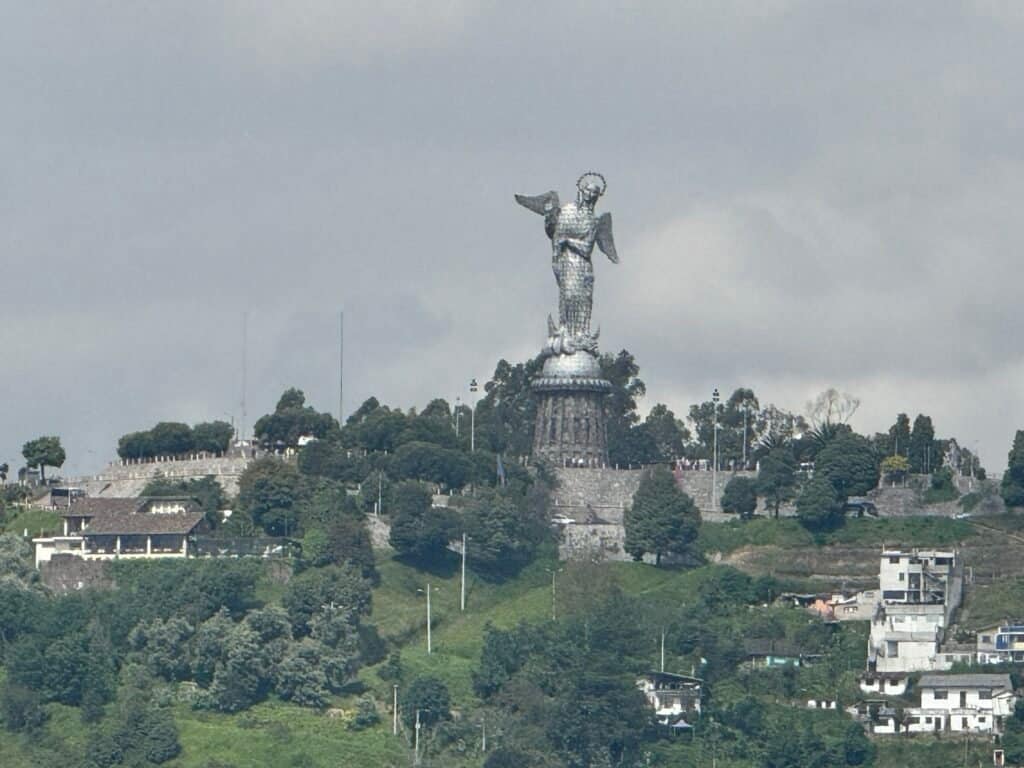
Panecillo Lookout
Places to eat or drink near Mercado Central
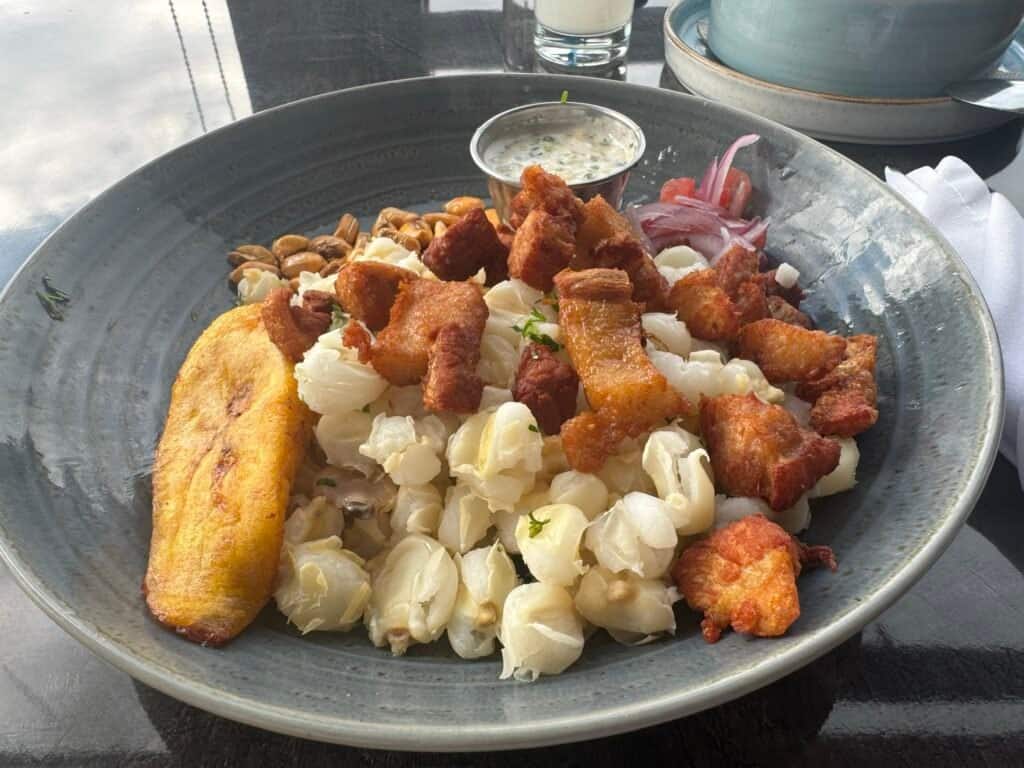
Vista Hermosa Itchimbia

Cafe De Ecuador

Hasta La Vuelta Senor

Isla Traori – Miskicor
More places in Quito
Parque La Carolina
Quito Historic Center
San Francisco Catholic Church