
Monaco Grand Prix
Boulevard Albert Ier, Monte-Carlo 98000 Monaco Posted by Brandon B.Admin
The Monaco Grand Prix: Formula 1's Most Iconic Street Race
The Monaco Grand Prix is not just a race. It is the race, a Formula 1 fixture that has been run through the streets of Monte-Carlo since 1929 and remains the single most recognizable event on the motorsport calendar. Drivers navigate a circuit barely wide enough for two cars at speeds that would be unthinkable anywhere else in the city, passing within inches of barriers, apartment buildings, and the famous harbor wall. If you are planning to attend, know this upfront: it is complicated, expensive, and logistically demanding. It is also unlike anything else in sport.
The circuit runs along Boulevard Albert Ier and winds through some of the most expensive real estate on earth. That context is part of the appeal. You are watching the pinnacle of engineering thread itself through a medieval principality where the average apartment costs more than a racing team's hospitality budget.
Why the Monaco Grand Prix Matters
Monaco is one of motorsport's three so-called Triple Crown events, alongside the Indianapolis 500 and the 24 Hours of Le Mans. Winning all three is considered one of the hardest achievements in all of racing. Only Graham Hill won all three, and he did it decades ago. The circuit itself has changed remarkably little since the race began, which makes it a genuine anomaly in modern Formula 1, where most tracks are purpose-built, wide, and safety-optimized. Monaco is narrow, unforgiving, and lined with concrete barriers from start to finish.
Overtaking is famously close to impossible, which means qualifying on Saturday often decides the race. Many fans argue that Saturday afternoon at Monaco is more thrilling than the Sunday race itself.
Quick Facts
- Circuit length: approximately 3.34 kilometers per lap
- Race laps: 78, making the total race distance around 260 kilometers
- First held: 1929, making it one of the oldest rounds on the F1 calendar
- Location: the streets of Monte-Carlo, Monaco, centered on Boulevard Albert Ier and the harbor
- Organizing body: Automobile Club de Monaco (ACM)
- Race weekend: typically held in late May, though the exact date shifts year to year
- Tickets: general admission through to premium grandstand and hospitality packages, across a wide price range
Getting There
Monaco has no airport of its own. Most visitors fly into Nice Côte d'Azur Airport, which sits about 30 minutes from Monte-Carlo by car under normal conditions. During race week, nothing is normal. Traffic into the principality backs up significantly on race days, so the train is almost always the smarter option. Trains from Nice run frequently and deposit you at Monaco-Monte-Carlo station, which is a short walk from the circuit. The journey takes roughly 25 minutes.
Helicopter transfers from Nice Airport to Monaco are available through several operators and take around seven minutes. They are popular with hospitality guests and worth knowing about if you are arriving on a tight schedule on race Sunday.
If you are staying in Monaco itself, most grandstand sections and viewing zones are reachable on foot. The principality is small enough that walking is often the fastest option once you are inside.
The Layout and Experience
The circuit is the city. That is the key thing to understand before you arrive. Unlike Silverstone or Monza, where the race venue is separate from everyday life, Monaco shuts down its actual streets and turns them into a track. Businesses along the route close or adapt. Residents either leave or lean out their balconies. The whole principality reorganizes itself for five days.
The most famous corners include Sainte Dévote at the first turn, the Casino Square section past the Place du Casino, the tight left-hander at Mirabeau, and the legendary Fairmont Hairpin, the slowest corner in Formula 1. Then comes the tunnel section under the Fairmont Hotel, where cars go from daylight into artificial light and back again at over 200 kilometers per hour. After the tunnel, the circuit runs along the waterfront past the pit straight and back to Sainte Dévote.
Where you watch depends entirely on your ticket. Grandstand seats give you a fixed position but often a genuinely good sightline. General admission zones allow more movement but fill up early. The harbor area, visible from various public vantage points, gives you the full spectacle of the yachts, the city skyline, and the cars together. That combination is what makes Monaco's visual identity so distinct from every other race on the calendar.
Tickets and Entry
Tickets are sold through the Automobile Club de Monaco and various authorized resellers. The range is wide. At the lower end, general admission tickets for practice sessions are the most accessible entry point. Grandstand seats for qualifying and race day sit in the mid-range to upscale tier. Hospitality packages, which include catering, premium views, and paddock access at certain levels, move into fine-dining price territory and often sell out well in advance.
It is worth knowing that tickets for the full race weekend are different from single-day options. Practice days on Thursday are often the best value for money if you want to see the cars on track without paying race-day prices. The atmosphere is more relaxed, and the circuit access tends to be easier.
Demand is high. Hospitality packages and premium grandstand seats frequently sell out within hours of going on sale, sometimes months before the event. If you are serious about attending, set a calendar reminder for when tickets go live.
Best Time to Visit the Circuit
Outside of race weekend, Boulevard Albert Ier and the harbor area are open to the public year-round. You can walk the route, stand at the Fairmont Hairpin, and get a real sense of the scale. What strikes most people is how tight everything is. Seeing it on television does not prepare you for standing at Casino Square and realizing how little room the drivers actually have.
During race week, the Thursday practice sessions tend to offer a good balance of track action and manageable crowds. By Saturday qualifying, the principality is packed. Sunday is the fullest and loudest day, but also the hardest to navigate if you have not planned your entry and exit routes in advance.
May in Monaco tends to be warm and dry, though afternoon showers are not unheard of. A wet Monaco race is a different event entirely. Historically, rain at this circuit produces chaos, crashes, and some of the most memorable moments in Formula 1 history.
Photography Tips
Monaco is one of the most photographed sporting venues on earth, and for good reason. The combination of yachts, Belle Époque architecture, and racing cars produces images that do not look real.
For grandstand seats, a mid-range zoom lens gives you the best flexibility. Cars pass quickly, so burst mode and pre-focusing on a fixed point in the corner apex will get you cleaner shots than trying to track the car manually. The tunnel exit is particularly dramatic because of the light contrast, but it is only visible from certain sections.
If you are on foot in a general admission zone, the harbor side of the circuit offers the widest scenic backdrops. Early morning on race day, before the crowds fill in, is when you get the cleanest shots of the empty track with the harbor behind it.
Combining with Nearby Attractions
Monaco is small enough that most of its major sights are within a short walk of the circuit. The Casino de Monte-Carlo, one of the most recognizable buildings in Europe, sits directly on the circuit route at Casino Square. The Musée Océanographique de Monaco, perched on the Rock of Monaco, is a short uphill walk or taxi ride from the harbor and worth an hour or two on a non-race day. The Palace of Monaco, home to the Grimaldi family, is also on the Rock and offers guided tours when the Prince is not in residence.
If you are spending more than a day or two in the area, Nice and Cannes are both under an hour away by train and offer their own distinct characters. The Corniche roads between Monaco and Nice are among the most scenic drives in Europe, though they are not the right choice during race week when traffic is severe.
Practical Tips
- Book accommodation in Monaco or Nice well in advance. Hotels along the Côte d'Azur fill up fast for race weekend, often a year ahead for the best options.
- Take the train from Nice rather than driving. Parking in Monaco is extremely limited at the best of times.
- Arrive early on race morning. Grandstand gates open well before the race starts and the walk from the station takes longer when the crowds are in.
- Bring earplugs or ear defenders. The noise inside the barriers is significant, especially in the tunnel section.
- Check the ACM website directly for the official ticket release schedule rather than relying on third-party resellers for accurate dates.
- If you are watching from a yacht in the harbor, note that access and positioning are regulated and require advance arrangement through a broker or charter company.
- Dress in layers. Mornings on the harbor can be cool even in May, and grandstand shade drops the temperature noticeably.
FAQ
Can you walk the Monaco Grand Prix circuit outside of race week?
Yes. The streets are public roads for most of the year. You can walk the entire circuit route, stand at the famous corners, and photograph the barriers and track markings that often stay visible between events. Many visitors do a self-guided walk using a circuit map as a reference.
Is the Monaco Grand Prix suitable for children?
It can be, with some preparation. The noise is the main consideration. Ear defenders designed for children are widely available and genuinely necessary. Practice days tend to be more manageable for younger visitors than the intensity of race day.
How far in advance should you buy tickets?
For race day grandstand seats and any hospitality packages, buying as soon as tickets go on sale is the safest approach. Practice day tickets tend to be more available closer to the event, but race weekend options disappear quickly.
What happens if it rains?
The race runs in wet conditions unless the circuit is deemed unsafe. Rain at Monaco historically produces dramatic results. Bring waterproof layers regardless of the forecast, since the weather along the Côte d'Azur can shift during the day.
Opening hours
Reviews
Sign in and mark this place visited to leave a review.
No reviews yet.
Free Trip Planner
Plan your Monaco trip with our free planner
Build a day-by-day itinerary with AI suggestions, hand-picked places, and friends. Free forever — no credit card.
Things to see near Monaco Grand Prix

Aux Canards Garden

Port de Fontvieille

Cathedrale Notre-Dame-Immaculee
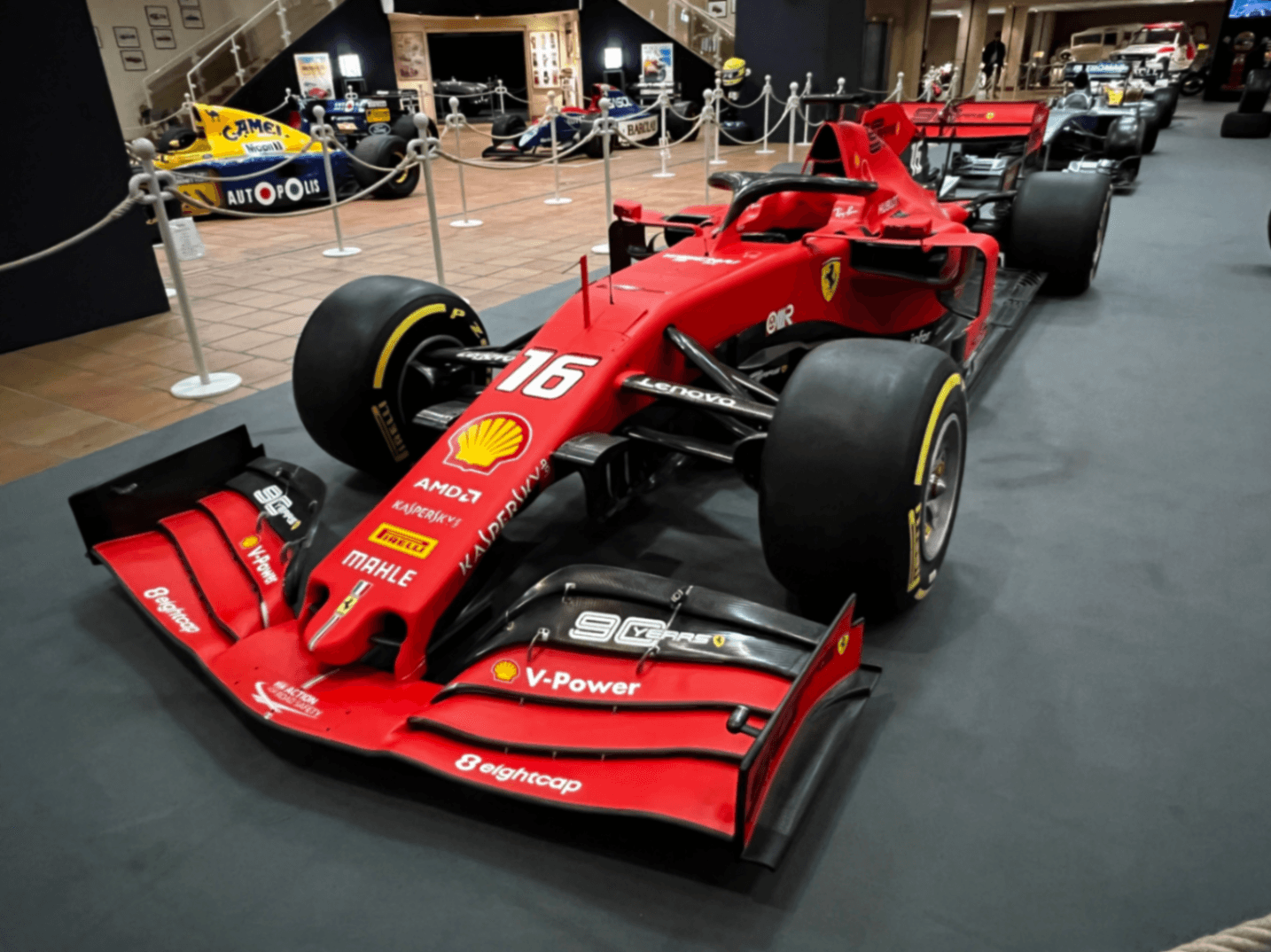
The Private Collection of Antique Cars of H.S.H. Prince Rainier III
Places to eat or drink near Monaco Grand Prix


More places in Monte-Carlo
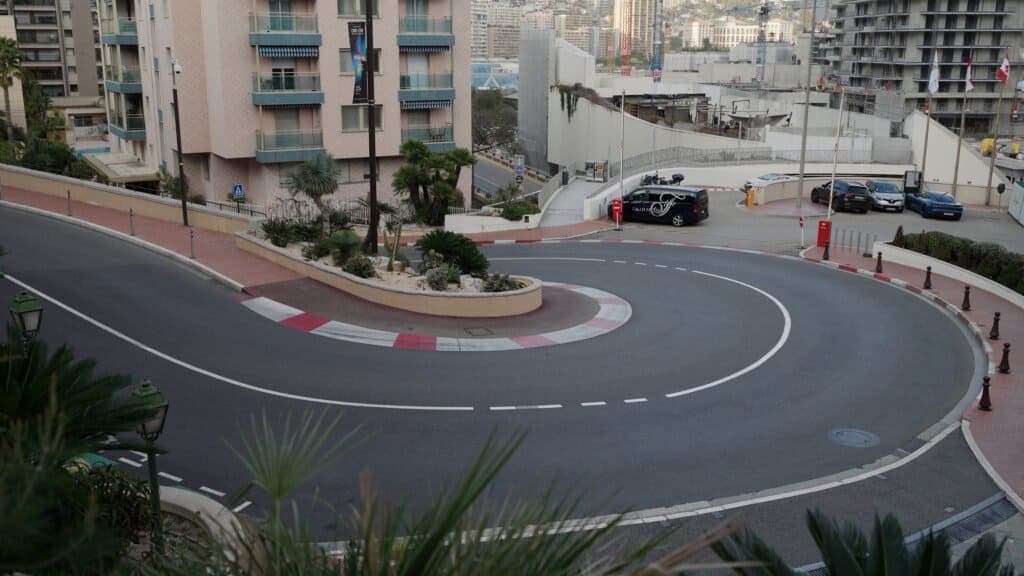
Fairmont Hairpin curve

Monaco Tourist Information Office

Saint Paul’s Anglican Church Monaco
