Monastiraka Flea Market
Athina, Attica, Greece Posted by Brandon B.Admin
What Is the Monastiraki Flea Market?
The Monastiraki Flea Market sits in one of the oldest corners of Athens, sprawling across the streets around Monastiraki Square and spilling down Ifestou Street toward the edges of Psiri and the ancient Agora. It is not a tidy, curated market. That is exactly the point. Stalls run into storefronts, storefronts run into basement workshops, and somewhere between a rack of military surplus and a crate of Byzantine-style icons you will find the Athens that tourists rarely see on a postcard.
Come here if you want to understand the city at street level. The Monastiraki Flea Market has been drawing locals, dealers, and curious visitors for well over a century, and it remains one of the few places in Athens where the 21st century and the ancient world feel genuinely close together.
Why the Monastiraki Flea Market Matters
Athens is surrounded by monuments that demand a certain reverence. The Acropolis is up there on its rock, roped off and ticketed and rightly treated as the treasure it is. Down here at street level, the Monastiraki market operates without ceremony. Vendors argue prices, cats sleep on furniture displays, and the smell of grilled meat drifts over from the souvlaki spots on Mitropoleos Street. It is a living place, not a preserved one.
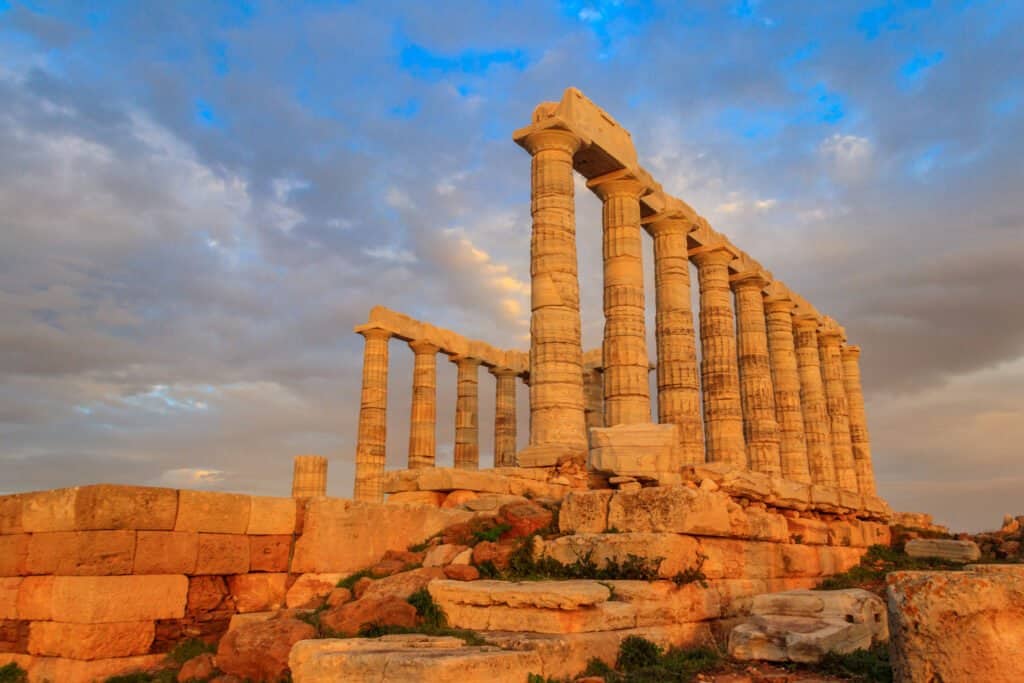
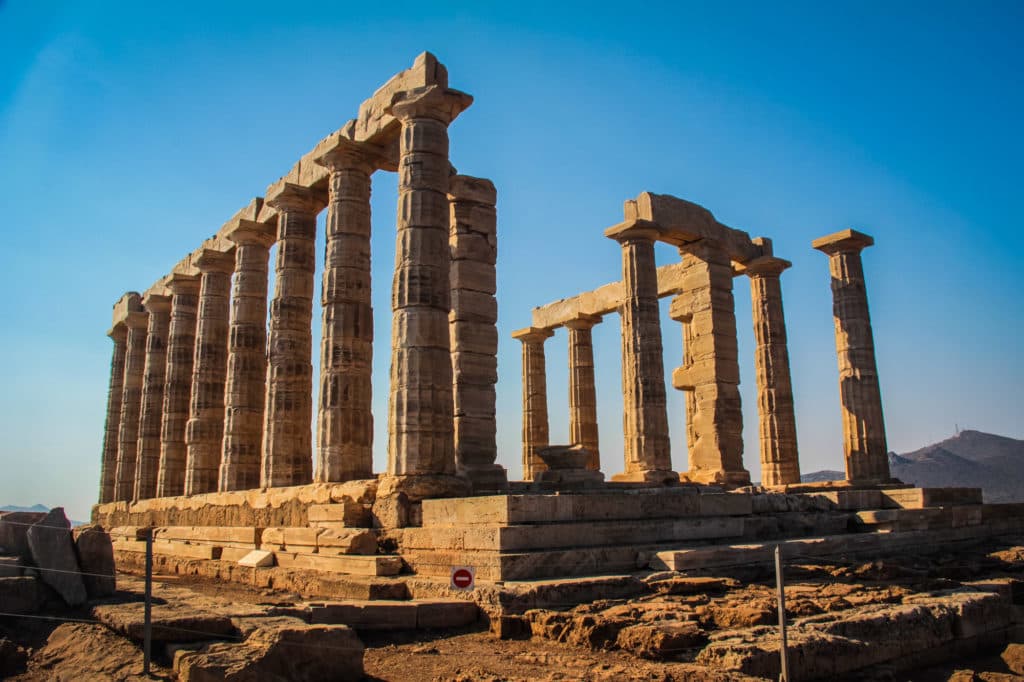
The market also sits within a few minutes' walk of the Acropolis Museum, the Ancient Agora, and the Roman Agora. That density of history in a single neighborhood is unusual even by Greek standards. Standing in front of a stall selling old copper pots, you can look up and see the Hephaestus Temple on the hill. Very few flea markets in Europe offer that backdrop.
Quick Facts
- Location: Ifestou Street and surrounding lanes, Monastiraki, Athens
- Nearest metro: Monastiraki station (Lines 1 and 3)
- Best day to visit: Sunday, when the full outdoor market is active
- Free to enter: No ticket or admission required
- Surrounding neighborhood: Monastiraki and Psiri
- Main categories of goods: Antiques, vintage clothing, records, coins, ceramics, tools, military surplus, jewelry, books
- Language: Greek primarily, English widely understood at most stalls
Getting There
The easiest approach is the Monastiraki metro station, served by both Line 1 (the green line, one of the oldest metro lines in Europe, opened in 1869) and Line 3 (the blue line). From the station exit, the market stalls begin almost immediately. You can walk from Syntagma Square in about 10 minutes on foot along Ermou Street, which is itself a busy pedestrian shopping strip.
If you are coming from the Acropolis or Acropolis Museum, it is roughly a 15-minute walk downhill through the Plaka neighborhood. Taxis can drop you at Monastiraki Square, though the streets around the market are narrow and often congested. Walking is always the better option once you are anywhere close.
The Layout and Experience
The market does not have a clear entrance or exit. Ifestou Street is the main artery, lined with permanent shops selling antiques, old tools, lamps, and furniture. Side streets branch off unpredictably. Adrianou Street runs parallel and tends to carry more tourist-oriented goods like reproductions and souvenirs. Normanou Street connects you toward Psiri, where the character shifts toward bars and restaurants but street vendors still appear on weekends.
On Sundays, the outdoor section expands significantly. Vendors lay goods directly on the pavement or on folding tables along Ermou and around the square itself. This is when the market feels most like its traditional self: chaotic, dense, and occasionally extraordinary. You might flip through a box of old 45s and find something genuinely rare. You might also spend an hour finding nothing but broken watches. Both outcomes are part of the experience.
The permanent shops keep more regular hours throughout the week. Many open around 10am and close by early evening, though hours vary by vendor. Do not expect strict schedules.
What You Will Find
The range is wider than most markets. Serious antique dealers operate out of fixed storefronts and carry everything from Ottoman-era silverwork to mid-century Greek furniture. These shops tend to be calm, well-organized, and priced accordingly. Bargaining is possible but not always expected the way it might be at an open-air stall.
The outdoor vendors are a different proposition. Coins, stamps, old postcards, vintage military insignia, vinyl records, leather goods, embroidered textiles, and small religious items turn up regularly. The quality varies enormously. Knowing what you are looking for helps, but part of the appeal is not knowing.
Clothing is well represented too. Vintage denim, old leather jackets, and military surplus coats pile up at stalls that tend to cluster closer to the Psiri end. If you are patient and willing to dig, the prices can be very reasonable for pieces that would cost significantly more in Western European vintage markets.
A Note on Reproductions
Some vendors sell items that look old but are not. Reproductions of ancient coins, "antique" icons, and faux-aged ceramics are common, particularly in the stalls targeting tourists on Adrianou Street. If you are buying something as a genuine antique, ask questions and buy from established shops rather than pavement vendors. Most reputable dealers will offer some kind of provenance or at least be honest about what they are selling.
History and Background
Markets have operated in this part of Athens for centuries. The area around Monastiraki takes its name from a small monastery, and the square itself has been a commercial hub since at least the Ottoman period, when the neighborhood functioned as a bazaar district. Many of the covered arcade buildings you see on and around Ifestou Street date from the 19th century, built during the period when Athens was being reshaped as the capital of the modern Greek state.
The flea market as it exists today evolved gradually through the 20th century. The Sunday market in particular became a fixture of Athenian life, drawing dealers and private sellers who would bring goods from across Attica and beyond. It survived the disruptions of war, dictatorship, and economic crisis, and after Greece's financial difficulties of the 2010s, the market arguably grew more interesting as more Athenians sold off household contents and personal collections.
Best Time to Visit
Sunday morning is the peak experience. Arrive before noon if you want the best selection from outdoor vendors, who often pack up or thin their stock by early afternoon. The atmosphere is at its busiest and most theatrical between roughly 9am and 1pm.
Weekday visits are quieter and better for browsing the permanent shops without pressure. Saturday sits somewhere in between. Summer brings more tourists and some vendors raise prices accordingly. Spring and autumn tend to offer a better balance of good weather and local-heavy crowds.
Avoid arriving in the late afternoon on a Sunday expecting a full market. Many vendors will be gone or packing up.
Photography Tips
The visual material here is remarkable. Stacked furniture, layered textures, the juxtaposition of ancient ruins visible above the rooflines, vendors asleep in chairs. Natural light on Ifestou Street is best in the morning when the sun hits the storefronts from the east. The narrow lanes can be tricky with harsh midday light, so early visits produce better images.
Ask before photographing vendors or their goods closely. Most people are fine with it, especially if you make eye contact and smile first. The Sunday outdoor market is generally more relaxed about photography than the indoor shops.
Combining with Nearby Attractions
The market pairs naturally with the Ancient Agora, which is literally across the street from parts of Ifestou. The Agora is ticketed and takes two to three hours to do properly. The Temple of Hephaestus inside the Agora site is one of the best-preserved ancient temples in Greece, which makes it all the more striking that you can see it from a stall selling second-hand kitchen equipment.
The Roman Agora and the Tower of the Winds are a short walk east. The Acropolis Museum is about 15 minutes on foot through Plaka. If you are building a full day, start at the market in the morning, visit the Ancient Agora mid-morning, walk through Plaka for lunch, and reach the Acropolis Museum in the early afternoon when the morning rush has thinned.
Practical Tips
- Bring cash. Many vendors do not accept cards, and the ones that do may add a surcharge.
- Wear comfortable shoes. The streets are uneven cobblestone in places and you will walk more than you expect.
- Bargaining is normal at outdoor stalls but less expected in established antique shops. Read the room.
- Keep your bag in front of you on busy Sunday mornings. Pickpocketing is not rampant but the crowds are dense enough to be careful.
- Exporting genuine antiques from Greece requires documentation. If you buy something a dealer describes as a real antique, ask about paperwork before you pay.
- There are several good coffee spots and souvlaki places on and around Monastiraki Square for a break mid-browse.
- The metro station has a small archaeological display inside from excavations during its construction. Worth a glance while you wait for a train.
FAQ
Is the Monastiraki Flea Market open every day?
The permanent shops along Ifestou Street are open most days of the week, typically from mid-morning to early evening. The full outdoor market with pavement vendors is primarily a Sunday event.
Do you need to haggle?
At outdoor stalls, a polite counter-offer is usually expected and rarely causes offense. In the antique shops, prices are often firm or close to it, though asking is always acceptable.
Is it worth visiting if you are not planning to buy anything?
Absolutely. The market is as much an experience as a shopping destination. The architecture, the street food nearby, the layered history of the neighborhood, and the view of the Hephaestus Temple make it worth a few hours even if you leave empty-handed.
How long should you plan to spend?
A focused visit takes about an hour. If you enjoy this kind of browsing, two to three hours disappears easily, especially on a Sunday when the full outdoor section is running.
Reviews
Sign in and mark this place visited to leave a review.
No reviews yet.
Free Trip Planner
Plan your Athens trip with our free planner
Build a day-by-day itinerary with AI suggestions, hand-picked places, and friends. Free forever — no credit card.