Mount Auburn Cemetery
580 Mt Auburn St, Cambridge, MA 02138, USAOverview
Mount Auburn Cemetery sits on 175 acres of rolling hills and woodland in Cambridge, Massachusetts, just minutes from Harvard Square. Founded in 1831, it was the first rural cemetery in the United States and changed how Americans thought about burial grounds. Rather than cramped urban graveyards, Mount Auburn was designed as a peaceful landscape where the living could walk, reflect, and observe nature. The cemetery remains that today: part sacred ground, part botanical garden, part public park.
You don't need a connection to anyone buried here to visit. Many locals come to walk the paths, sketch the monuments, photograph the mature trees, or simply find quiet in the middle of a busy city. The cemetery holds the graves of poets, scientists, businesspeople, and Civil War soldiers alongside countless others.
Why this place matters
Mount Auburn Cemetery pioneered the rural cemetery movement in America. Before 1831, burial grounds were small, crowded, and often neglected. The founders of Mount Auburn envisioned something different: a place where landscape design, horticulture, and monuments could coexist. The result influenced how cemeteries were built across the country for the next century.
The grounds themselves function as a living museum. Hundreds of tree species grow here, many labeled. The monuments range from simple headstones to elaborate Victorian structures. You'll find the graves of Henry Wadsworth Longfellow, Oliver Wendell Holmes, Isabella Stewart Gardner, and many other figures who shaped American letters, science, and culture.
Quick facts
- Founded in 1831, the first rural cemetery in the United States
- 175 acres of grounds with over 93,000 graves
- Open year-round, daily from dawn to dusk
- Free admission and free parking
- Located at 580 Mt Auburn Street in Cambridge, about 1.5 miles northwest of Harvard Square
- Over 600 tree species and varieties on the grounds
Getting there
From Harvard Square, take the number 71 or 72 bus heading west on Massachusetts Avenue. The ride takes about 10 to 15 minutes. Get off at the Mount Auburn Street stop, near the main gate. If you're driving, parking is free in the lot adjacent to the entrance.
Walking from Harvard Square takes roughly 25 to 30 minutes if you follow Massachusetts Avenue northwest. It's a straightforward route but not particularly scenic for the first part of the walk.
The layout and experience
The main entrance gate faces Mount Auburn Street. Pick up a map at the gatehouse if available, or use the small map posted near the entrance. The grounds are organized by roads and paths, each with names. The terrain rises and falls, so expect some elevation changes as you explore.
Most visitors follow one of two patterns. Some stick to the main roads that loop through the most visited sections, where many of the famous graves are located. Others wander the quieter paths deeper into the woods, where you'll encounter fewer people and more natural landscape. Both approaches work.
The cemetery is large enough that you won't feel crowded even on busy days. Spring and fall tend to draw more foot traffic. The paths are well maintained and mostly level, though some areas have steps or steeper grades.
Main highlights
The Monument to the Unknown Dead of the Civil War stands near the center of the grounds. It's a tall granite obelisk visible from many parts of the cemetery and a good landmark if you're trying to orient yourself.
Longfellow's grave is in a quiet section of the cemetery. The poet was buried here in 1882, and the spot remains one of the most visited. Nearby are graves of other writers and intellectuals who lived in the Cambridge area during the 19th and early 20th centuries.
Tower Hill, one of the highest points on the grounds, offers views across the cemetery and beyond. The walk up is worth it if your knees cooperate. The vista changes with the seasons.
The cemetery's botanical collection is substantial. Sugar maples, American beeches, white pines, and dozens of other native and introduced species grow throughout. If you're interested in trees, bring a field guide or download a plant identification app. Many specimens are labeled, which helps.
History and background
Mount Auburn Cemetery was chartered in 1831 by a group of Massachusetts horticulturists and civic leaders. The land had been a farm. The founders bought 72 acres initially and hired landscape designer Jacob Bigelow and architect Henry Alexander Scammell Stone to design the grounds. The result was a deliberate synthesis of horticulture, landscape architecture, and monumental art.
The cemetery opened to the public in 1832. It was an immediate success and became a destination for visitors from across the country. Families would spend afternoons walking the paths, sketching monuments, and enjoying the planted landscape. That tradition continues today.
The cemetery expanded over time. By 1850, it had grown to its current 175 acres. It was incorporated as a nonprofit institution and remains one of the most important cemeteries in the United States, both for its historical significance and its physical beauty.
Best time to visit
Spring brings blooming trees and shrubs, particularly in April and May. The grounds fill with color and the canopy leafs out. It's the busiest season but also the most visually rewarding.
Fall offers equally strong rewards. Maples and other deciduous trees turn brilliant colors in October. The light is often clearer than in spring. Fewer visitors come in fall than spring, so you'll have quieter paths.
Summer is warm and green but can feel heavy with humidity. The canopy provides shade on the paths, which is a plus. Visiting in early morning or late afternoon helps avoid the peak heat.
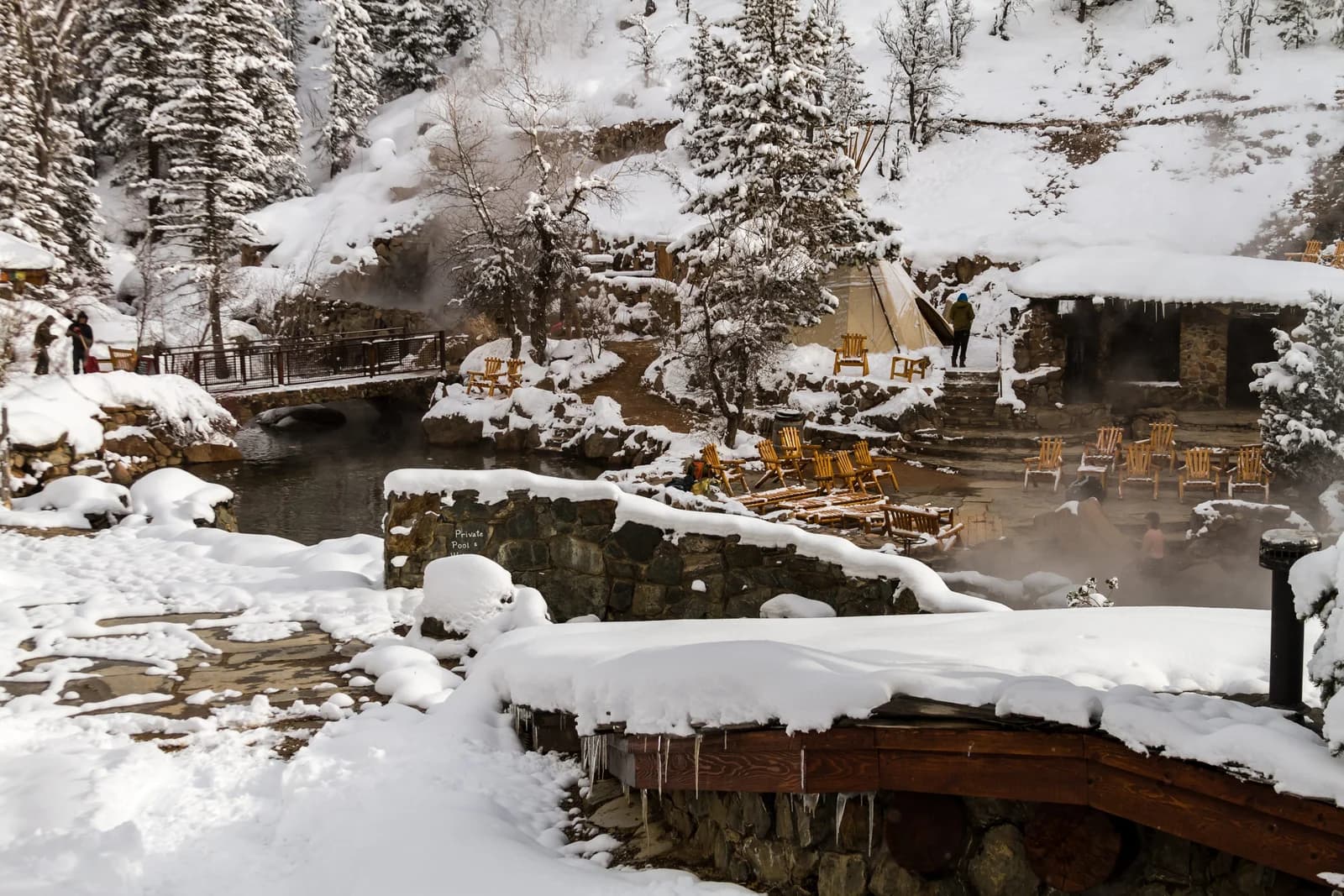
Winter transforms the landscape completely. Snow on monuments and evergreen trees creates a stark, beautiful scene. The bare deciduous trees reveal the underlying topography. It's the quietest season and well worth a visit if you don't mind cold.
Photography tips
The cemetery is a photographer's subject. Early morning light in spring and fall is exceptional. Shoot from the roads and paths looking uphill or across valleys to capture the layered landscape.
Individual monuments photograph well in side or back light, which emphasizes texture and detail. Overcast days are actually ideal for monument photography because harsh shadows don't obliterate carving details.
The tree canopy creates interesting patterns, especially in spring when fresh green leaves backlight from the sun. Don't ignore the ground plane: fallen leaves, moss, and shadows tell visual stories.
Facilities and preparation
The cemetery has restrooms near the main gatehouse. There are no food concessions, so bring water and snacks if you plan to spend more than an hour exploring. The grounds are open and exposed in many areas, so sunscreen and a hat are wise in warm months.
Wear comfortable walking shoes. The paths are maintained but can be uneven. In wet seasons, some areas become muddy. The elevation changes are gradual but consistent, so if you have mobility concerns, stick to the main roads which are the most level.
Dogs are permitted on-leash. The open space appeals to dog owners, and you'll often see walkers with pets on weekday mornings.
How it compares to similar places
Mount Auburn Cemetery is unique in its dual purpose: active burial ground and public landscape. Greenwood Cemetery in Brooklyn, founded later, followed a similar model. Mount Auburn predates and inspired much of American cemetery design.
Unlike purely public parks, Mount Auburn is a working cemetery where families visit graves and ceremonies take place. That gives it a different character than a botanical garden, though the horticultural aspect is serious and well maintained.
If you're interested in American landscape history or cemetery architecture, Mount Auburn is essential. If you simply want a quiet, beautiful walk near Cambridge, it delivers that too.
Combining with nearby attractions
Harvard Square is less than 2 miles away by foot. You could visit the cemetery in the morning, then head into Harvard for lunch and browsing the bookstores and shops. The Fogg Museum at Harvard is a short walk from the square.
Fresh Pond, another local green space, is about 1.5 miles west of the cemetery. It's a more active park with a walking path around the water and athletic facilities. You could combine both for a day of outdoor Cambridge exploration.
The Cambridge Common is near Harvard Square and offers a different kind of public space, more urban and open. Combined with Mount Auburn, you get contrasting views of how Cambridge uses green space.
Sample visit plan
If you have 90 minutes: Enter at the main gate, grab a map, and head toward Tower Hill. Walk the main roads in a loop, stopping at any graves or monuments that interest you. Return to the gatehouse area before leaving.
If you have two hours: Follow the main loop as above, then venture onto some of the quieter side paths. Spend time at Tower Hill and take in the views. Explore the wooded sections away from the main roads.
If you have three hours: Follow the two-hour plan but add the Civil War monument and some of the more distant sections. Visit the graves of specific people you want to find. Sit on a bench and observe the landscape for 15 minutes.
Practical tips
- Pick up a map at the gatehouse or download one from the Mount Auburn website before you visit
- Visit on a weekday morning for the fewest crowds and best light
- Bring binoculars if you're interested in birds; the mature trees attract many species
- Respect active burial ceremonies if you encounter them; step aside and move quietly
- The cemetery is a working burial ground, not a park; behave accordingly
- In winter, call ahead to confirm paths are clear of snow and ice
FAQ
Is Mount Auburn Cemetery actually open to the public? Yes. It has been open to visitors since 1832. You don't need permission or an invitation to walk the grounds. It's free and open daily from dawn to dusk.
Can I visit a specific grave? Yes, but you may need help locating it. The gatehouse staff can point you in the right direction if you know the person's name. A map is essential for finding specific graves in such a large space.
Are there guided tours? The cemetery occasionally offers special tours, particularly in spring. Call ahead or check the website for current offerings.
Is the cemetery wheelchair accessible? The main roads are paved and relatively level, making them accessible. Some side paths and areas become inaccessible depending on terrain and weather. The gatehouse staff can advise on the best routes.
Can I have a picnic here? Picnicking is not encouraged out of respect for the sacred nature of the space. Bring water and snacks for yourself, but don't spread out a full meal.
Opening hours
Reviews
Sign in and mark this place visited to leave a review.
No reviews yet.
Free Trip Planner
Plan your Cambridge MA trip with our free planner
Build a day-by-day itinerary with AI suggestions, hand-picked places, and friends. Free forever — no credit card.