New Place Gardens
22 Chapel St, Stratford-upon-Avon CV37 6EP, UKOverview
New Place Gardens sits where Shakespeare's own house once stood, on Chapel Street in the heart of Stratford-upon-Avon. The gardens occupy the site of New Place, the substantial property the playwright purchased in 1597 and where he spent his final years. Today, you walk through a carefully reconstructed Elizabethan knot garden and Tudor garden spaces that give you a tangible sense of the grounds Shakespeare would have known. The experience feels quieter and more intimate than the other major Shakespeare properties in town, partly because fewer visitors realize it's here, and partly because the gardens themselves encourage slow, contemplative wandering rather than hurried sightseeing.
Why this place matters
New Place holds a singular significance in Shakespeare biography. This was his home, purchased when he was at the height of his success and wealth. He retired here around 1613 and died at the house in 1616. For centuries, the original building stood as a pilgrimage site for Shakespeare enthusiasts, until it was demolished in the 18th century. What you see now is not the house itself, but rather a restoration of the gardens that once surrounded it, informed by historical records, archaeological findings, and period documentation.
The gardens were designed to reflect what a prosperous Elizabethan household would have planted and maintained. This is not a wild or naturalistic space. Every bed, hedge, and planting choice reflects research into 16th and early 17th-century horticulture and garden design.
Quick facts
- Location: 22 Chapel Street, Stratford-upon-Avon
- Type: Elizabethan and Tudor period gardens on the site of Shakespeare's former residence
- Operated by: Shakespeare Birthplace Trust
- Main features: Knot garden, Tudor garden beds, period plantings, and a viewing platform over the site
- Admission: Timed entry ticket required; generally available as part of a multi-site pass or standalone entry
- Best visited: Spring through early autumn, when the gardens are in full growth
- Time needed: 30 to 45 minutes for a leisurely walk
- Accessibility: Mostly level pathways, but some gravel surfaces; limited seating
Getting there
From Stratford-upon-Avon town center, Chapel Street is a short walk south from the High Street. If you're coming from the town bridge or the Royal Shakespeare Company buildings, head toward Holy Trinity Church and then south into the quieter residential streets. The gardens sit between Chapel Street and the lane beyond, set back from the main road in a way that makes them easy to miss if you don't know they're there.
Parking in Stratford's center is tight but available in several car parks within a 5 to 10 minute walk. The gardens themselves have no dedicated parking.
The layout and experience
You enter through a modest gate and immediately feel removed from the town bustle. The space is organized into distinct garden areas rather than a single open field. The knot garden, the most visually striking section, features intricate geometric patterns created with low hedges and period-appropriate plantings. These patterns would have been viewed from above, so the elevated viewing platform gives you the intended perspective.
Beyond the knot garden, the Tudor garden areas showcase the vegetables, herbs, and flowers that would have been grown for household use and pleasure. Unlike ornamental modern gardens, these beds mix culinary and medicinal plants with flowers, reflecting how Elizabethan families integrated beauty and utility.
The gardens are open to the air, with minimal shelter. Most of the space is gravel or mulched paths, so wear appropriate footwear if the ground is wet. There is a small seating area, but it's limited, so if you want to sit and observe, you may need to stand or move on quickly.
Main highlights
The knot garden is the centerpiece. Its symmetrical, interlocking hedge patterns are planted with colored gravel, flowers, and herbs that shift with the seasons. In spring, you'll see tulips and other period bulbs; in summer, the beds are fuller with flowering plants and herbs in growth. The geometric precision of the design contrasts beautifully with the soft, living materials filling it.
The viewing platform offers the only vantage point from which the full knot garden design becomes clear. From ground level, you see only sections. If you only have time to spend a few minutes here, this platform is the priority.
The Tudor garden areas are less showy but historically rich. You'll recognize some plants (mint, sage, rosemary, borage) and others that are less common in modern gardens. Information boards explain the historical and practical uses of the plantings.
History and background
New Place was built in the late 15th century and was one of the two largest houses in Stratford. Shakespeare bought it in 1597 for 60 pounds, a substantial sum that signaled his financial success as a playwright and shareholder in the Globe Theatre. He lived here with his wife Anne Hathaway and their children, and it remained his principal residence for the rest of his life.
The original house was demolished in 1759 by its then-owner, a man named Francis Gastrell, after a dispute with the town over taxes. For nearly two centuries, the site was empty. In 1862, the Shakespeare Birthplace Trust acquired the property, and in 1919 they built the present structures and began developing the gardens. The current garden layout was implemented more recently, based on archaeological investigation and historical documentation about Elizabethan gardens and what we know about the property's size and use.
Tickets and entry
New Place Gardens is a ticketed attraction operated by the Shakespeare Birthplace Trust. Entry is by timed ticket, with a limited number of visitors allowed in each time slot. This keeps the gardens from becoming crowded and preserves the contemplative atmosphere. You can buy tickets at the gate or in advance online, though the online booking system is worth using during peak season (April through September) to guarantee entry at your preferred time.
The gardens are also included in combination passes if you're planning to visit multiple Shakespeare Birthplace Trust properties (the Birthplace itself, Anne Hathaway's Cottage, Mary Arden's Farm, and the other Trust sites). A combination pass is usually more economical than buying individual tickets.
Best time to visit
Spring and summer are ideal. April and May bring bulbs and early flowering plants; June through August, the gardens are in full growth with herbs and flowers at their peak. September and early October are still pleasant, though some plantings begin to fade. Winter and early spring are quieter and less crowded, but the gardens look sparse and the experience is less visually rewarding.
Visit on a weekday morning, if possible. Weekends and afternoons draw more visitors, and the timed-ticket system means you'll share the space with more people. Early morning light also flatters the garden's geometry and the texture of the plantings.
Photography tips
The viewing platform is the essential shot, especially in morning light when the geometry of the knot garden casts subtle shadows that reveal the design. Shoot from directly above the knot garden to capture the full interlocking pattern. The low angle of spring or autumn sunlight rakes across the beds beautifully and picks out texture in the hedges and gravel.
Close-ups of individual plants, particularly herbs in flower, work well. Mint, borage, and other period plantings photograph nicely with good light and a shallow depth of field. The hedges themselves have strong lines and shapes, especially when photographed against the sky or from angles that emphasize their geometry.
Overcast days flatten the space, so clear days with defined shadows are preferable. Arrive early to avoid other visitors in your frame, especially on the viewing platform.
Facilities and preparation
The gardens have a small visitors' building with a shop and basic facilities, but there are no cafes or restaurants on site. Bring water, especially on warm days, as there is minimal shade. Good walking shoes are necessary, as the paths are gravel and can be uneven or muddy after rain.
The site is mostly accessible to people with mobility issues, as the main pathways are level, but the gravel surface and limited seating should be considered. Pushchairs and wheelchairs can navigate the knot garden area, though the terrain is not ideal.
Allow 30 to 45 minutes if you want to move unhurried through the space and read the information boards. If you're just visiting the viewing platform and the main knot garden, 20 minutes is enough.
How it compares to similar places
Stratford-upon-Avon has three other major Shakespeare Birthplace Trust properties: Shakespeare's Birthplace (a preserved timber-framed house with period rooms), Anne Hathaway's Cottage (a thatched farmhouse with more spacious gardens), and Mary Arden's Farm (a working historic farm). New Place Gardens differs in scale and character. It's smaller and more garden-focused than the others, with no house interior to explore. If you're interested primarily in seeing how Shakespeare lived, the Birthplace and Anne Hathaway's Cottage offer more interior detail. If you want to understand the gardens and outdoor spaces of the period, New Place is the most historically rigorous and thoughtfully designed.
Combining with nearby attractions
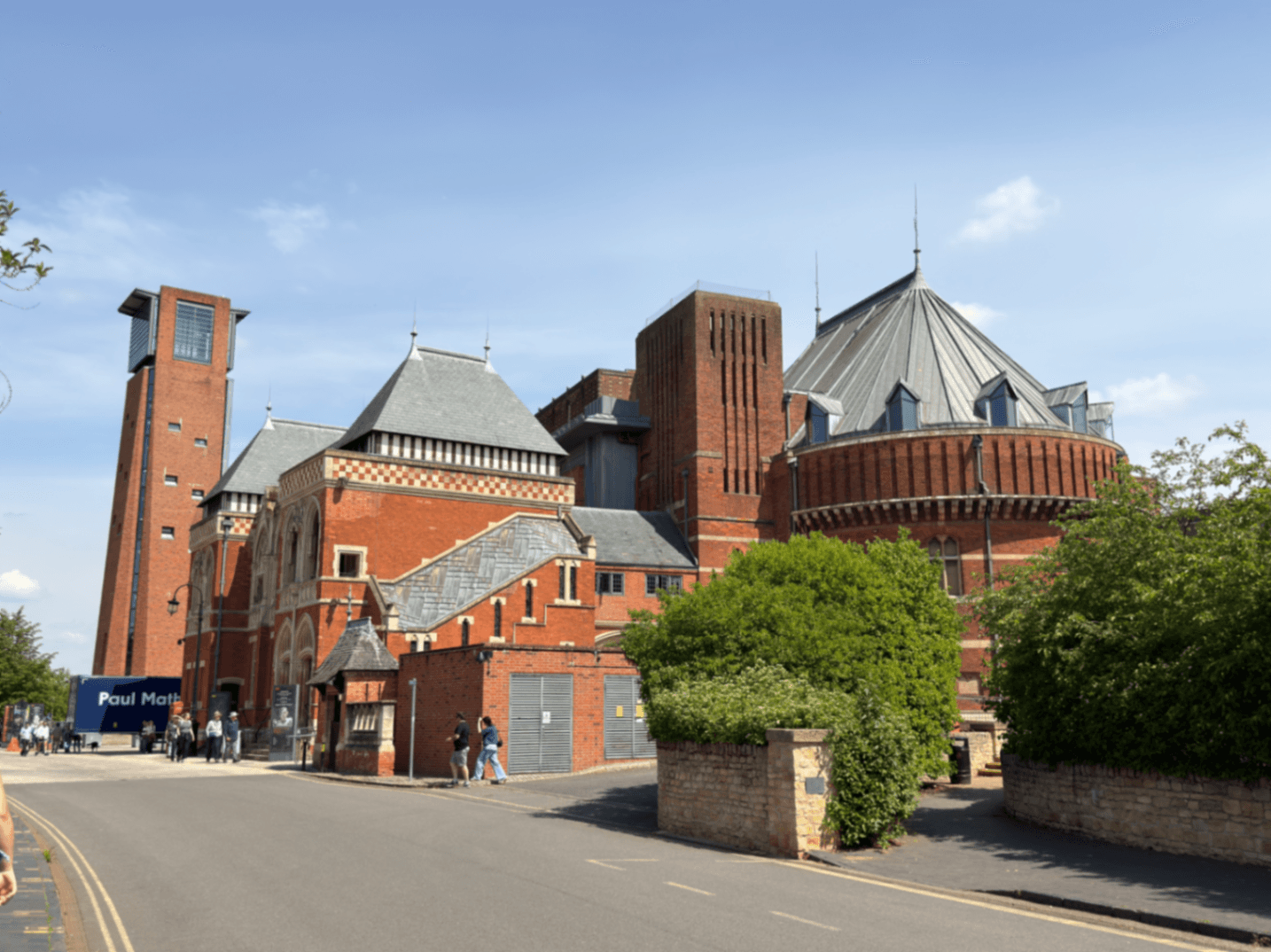
New Place Gardens sits within a few minutes' walk of several other Stratford landmarks. Holy Trinity Church, where Shakespeare was baptized and buried, is directly adjacent. The town's High Street, with its Tudor buildings and shops, is a short walk north. The Royal Shakespeare Company's theatre buildings are about a 10-minute walk toward the river. You can easily combine a visit to New Place with a morning exploring the historic town center and an afternoon at Holy Trinity Church or the RSC.
If you're visiting multiple Shakespeare Birthplace Trust properties in one day, New Place works well as a mid-morning stop before heading to Anne Hathaway's Cottage (about 2 miles outside town) or Mary Arden's Farm (about 3.5 miles north).
Sample visit plan
Arrive early, around 10 am, when light is good and crowds are smallest. Spend 10 to 15 minutes on the viewing platform, taking in the knot garden from above and reading the interpretive panels. Walk the perimeter of the knot garden at ground level, noticing the individual plants and planting schemes. Spend 15 to 20 minutes exploring the Tudor garden beds, reading about the historical uses of the plants. Exit and walk the short distance to Holy Trinity Church to see Shakespeare's grave and the baptismal records. Grab lunch in the town center afterward.
Practical tips
- Book timed entry tickets online in advance during April through September to ensure your preferred time slot.
- Visit on a weekday morning for fewer crowds and better light for photography.
- Wear waterproof shoes; gravel paths can be muddy after rain.
- Bring water and sunscreen, especially in summer, as the gardens offer minimal shade.
- The viewing platform is the highlight; don't skip it to save time.
- Read the information boards throughout the gardens for historical context about the plants and their uses.
- Visit in May or June when the gardens are in full growth and the variety of plantings is most apparent.
- Consider combining your visit with Holy Trinity Church and the town's Tudor buildings for a half-day Shakespeare heritage walk.
FAQ
Is there a cafe or restaurant at New Place Gardens? No. There is a small shop, but no food service on site. Stratford's town center has numerous cafes and restaurants within a 5-minute walk.
Can I visit New Place Gardens without a ticket? No. It is a ticketed site operated by the Shakespeare Birthplace Trust. Entry is by timed ticket only.
How long does a visit typically take? 30 to 45 minutes for a leisurely walk. You can move through quickly in 20 minutes, but the gardens reward slow exploration.
Are the gardens suitable for children? Yes, though children may find a 45-minute garden walk less engaging than a house tour. The geometric knot garden is visually interesting and there is space to move around safely. The site is less hands-on than some other attractions in Stratford.
Is there parking at New Place Gardens? No dedicated parking. Use one of Stratford's public car parks, all within a 5 to 10-minute walk.
Opening hours
Reviews
Sign in and mark this place visited to leave a review.
No reviews yet.
Free Trip Planner
Plan your Stratford-upon-Avon trip with our free planner
Build a day-by-day itinerary with AI suggestions, hand-picked places, and friends. Free forever — no credit card.
Things to see near New Place Gardens

Diddly Squat Farm Shop

St Edward's Church

Stratford-upon-Avon Racecourse