
Okochi Sanso Garden
8-3 Sagaogurayama Tabuchiyamacho, Ukyo-ku, Kyoto 616-8394 Kyoto Prefecture Posted by Brandon B.Admin
Okochi Sanso Garden: A Filmmaker's Mountain Retreat in Arashiyama
Okochi Sanso Garden sits on the forested slopes of Arashiyama, on the western edge of Kyoto, and it rewards the visitors who make the climb. Built and landscaped over roughly 30 years by the silent-film actor Denjiro Okochi, the garden wraps around his former hilltop villa in a series of connected walking paths that open, without warning, onto some of the most arresting views in the city. The bamboo groves and temple rooftops below, Kyoto's basin stretching east, the Hozu River cutting through the valley, it all appears between pine branches as you walk.
This is not a manicured flat garden you stroll through in ten minutes. It climbs. It curves. It asks something of you.
Why Okochi Sanso Garden Matters
Most visitors to Arashiyama come for the bamboo grove on Sagano's main path, spend about four minutes in it, and then wonder what to do next. Okochi Sanso is the answer. Where the bamboo grove is crowded and over-photographed, the garden here is quieter, slower, and far more considered. Okochi designed the space not just as a home but as a philosophical statement, drawing on traditional Japanese garden principles while layering in his own aesthetic as an artist who spent decades thinking about how a scene should look.
The property also includes Okochi's personal tea houses, a small hall housing Buddhist sculpture, and the main villa building, which you can view from outside. Admission includes matcha and a sweet, served in the tea house at the top of the garden. That alone is worth the price of entry on a cool autumn morning.
Quick Facts
- Location: Sagano district, Ukyo-ku, Kyoto, on the hillside above the Arashiyama bamboo grove
- Type: Historic private villa garden, now open to the public
- Ticket type: General admission, includes matcha and a seasonal sweet
- Time to allow: 60 to 90 minutes to do the full loop properly
- Terrain: Hilly with stone steps throughout, not wheelchair accessible
- Best for: Garden enthusiasts, photography, solo visitors, quiet contemplation
- Open year-round, most days
Getting There
The garden entrance sits near the northern end of the famous Arashiyama bamboo path, a short walk from Tenryu-ji temple. If you arrive by the Sagano Scenic Railway at Torokko Arashiyama station, the garden is roughly 10 minutes on foot heading south through the bamboo grove. From Arashiyama station on the Hankyu line or Randen tram, walk north past Tenryu-ji, through or around the bamboo grove, and follow the signs uphill. The path forks and the Okochi Sanso gate appears on your left.
Coming by bus, Kyoto City Bus routes drop you at Arashiyama or Sagano stops. From there, the walk is pleasant and well-marked. The street address is 8-3 Sagaogurayama Tabuchiyamacho, Ukyo-ku, but honestly, once you are in the bamboo grove area, signs point the way clearly.
The Layout and Experience
The garden covers a generous stretch of hillside and is designed as a circuit, meaning you follow a single winding path that eventually returns you to the entry point. Along the way, the landscape shifts constantly. Dense cedar and pine give way to open moss clearings. Stone lanterns appear beside small stone-paved paths. You pass through a gate and suddenly you are standing on a viewpoint platform with the entire Kyoto basin laid out below you.
There are several distinct garden zones: a lower stroll garden near the entry, a central area around the villa buildings, and a higher section that includes the main viewpoint and the tea house where your matcha is served. Most visitors move through the lower sections and then find the view platform and stop. If you keep going, the path continues through quieter, less-visited sections before looping back down.
The tea house experience at the end is genuinely unhurried. You sit, the matcha arrives, and you look out over the garden. No one rushes you.
History and Background
Denjiro Okochi was one of Japan's most celebrated silent-film actors, known for playing samurai roles throughout the 1920s and 1930s. He began acquiring and developing this hillside property in the 1930s and continued shaping it until his death in 1962. The result of those three-plus decades of work is a garden that feels deeply personal rather than institutional, a space where every path turn and viewing angle was chosen by someone who cared about composition.
After his death, the property was opened to the public. The main villa and personal quarters remain as they were, preserved rather than converted, which gives the whole site an unusual intimacy. You are not visiting a monument. You are walking through someone's life's work.
The surrounding Sagano area has been a place of aristocratic retreat and temple-building since at least the Heian period, roughly the 8th through 12th centuries. Okochi's choice of this hillside was not accidental. The views, the light, the particular quality of the air up here, they were understood and valued long before he arrived.
Best Time to Visit
Autumn, from mid-November into early December, is when the maples on the lower slopes turn and the garden earns its most dramatic version of itself. The contrast between the red and orange foliage and the evergreen pines is striking, and the Kyoto basin below often sits in a light morning mist during this period.
Spring, particularly late March through April, brings cherry blossoms to the lower Arashiyama area and a softer green to the garden's moss and bamboo sections. Crowds in both seasons are heavier, especially on weekends.
For a quieter visit, come on a weekday morning in early June, or in late January when Arashiyama's tourist numbers drop significantly. The garden in winter, particularly after a light snowfall, has a stillness that is hard to find elsewhere in Kyoto. The garden is open year-round, so there is no wrong time, only different versions of the same beautiful place.
Photography Tips
The main viewpoint near the top of the circuit is the obvious shot, and it delivers. Frame it from slightly to the right of the platform railing to get the curved rooftop of one of the smaller buildings in the foreground. Early morning light from the east hits the Kyoto basin directly, which works well from late spring through summer when sunrise is early enough to align with opening time.
The stone-paved path leading up toward the tea house, flanked by moss and low stone walls, photographs beautifully in overcast light. Direct sun creates heavy shadows here and tends to flatten the texture of the moss. A grey autumn day is often better for this section than a clear one.
The tea house interior, where matcha is served, has a low wooden ceiling and paper screen windows that diffuse light softly. If you are shooting the matcha bowl, turn slightly away from the window to avoid blowing out the background.
Combining with Nearby Attractions
Okochi Sanso sits within easy walking distance of several of Arashiyama's best sites. Tenryu-ji, a Zen temple with its own nationally designated garden, is a few minutes south. The bamboo grove runs between Tenryu-ji and the garden entrance and takes about 5 minutes to walk through at an unhurried pace, longer if you stop for photos.
Jojakko-ji temple is a short walk uphill from the garden exit and tends to be significantly less visited than either Tenryu-ji or the bamboo grove. Its moss-covered stone steps and tiered pagoda are worth the extra effort. Nison-in temple is another few minutes further along the Sagano path.
For a full Arashiyama day, start at Okochi Sanso when it opens, when the garden is quietest, then move south through the bamboo grove to Tenryu-ji, and finish with a walk along the Oi River embankment in the afternoon.
Practical Tips
- Wear shoes you can walk in on uneven stone paths. The garden climbs steadily and some sections are slippery when wet.
- Arrive as close to opening time as possible. The bamboo grove fills up quickly on weekends and the crowds flow uphill toward this garden from mid-morning onward.
- The matcha service is included with admission and served in the upper tea house. You do not need to pay separately or reserve ahead.
- There is no cafe or restaurant on the property. Eat before you come or plan to stop somewhere in the Arashiyama village area afterward.
- The garden is not accessible for wheelchairs or pushchairs due to the stone stairs throughout.
- Seasonal foliage draws large crowds in November. If you visit during peak autumn colour, a weekday morning is strongly preferable to a weekend afternoon.
- Photography of the garden and exterior buildings is generally permitted. Check current rules for interior spaces when you arrive.
FAQ
How long does a visit to Okochi Sanso take?
Plan for at least 60 minutes to walk the full circuit without rushing. If you sit with the matcha service and take your time at the viewpoints, 90 minutes is more comfortable.
Is Okochi Sanso suitable for children?
Older children who are comfortable walking on stone steps and uneven ground will manage fine. The garden is not well-suited to young children in pushchairs given the terrain, and there are no specific facilities aimed at kids.
Do I need to book in advance?
No reservation is required. You pay at the gate on arrival. During peak autumn and cherry blossom season, there can be a short queue at the entrance, but the garden's size means it never feels as overwhelmingly crowded as the bamboo grove directly below it.
Is the garden open in winter?
Yes, Okochi Sanso is open year-round. Winter visits, particularly after snow, offer a version of the garden that very few people see and that photographs exceptionally well.
What is included in the admission fee?
General admission covers the full garden circuit and includes a bowl of matcha and a seasonal Japanese sweet served in the tea house near the top of the garden.
Reviews
Sign in and mark this place visited to leave a review.
No reviews yet.
Free Trip Planner
Plan your Japan trip with our free planner
Build a day-by-day itinerary with AI suggestions, hand-picked places, and friends. Free forever — no credit card.
Related reading

Things to see near Okochi Sanso Garden

teamLab Nagai Botanical Garden Osaka

Horyu-ji

Yakushi-ji Temple

Dōtonbori
Places to eat or drink near Okochi Sanso Garden

The Münch

Rai Rai Tei Ikuno Tatsumi

KITAN HIBIKI YAKINIKU&STEAK
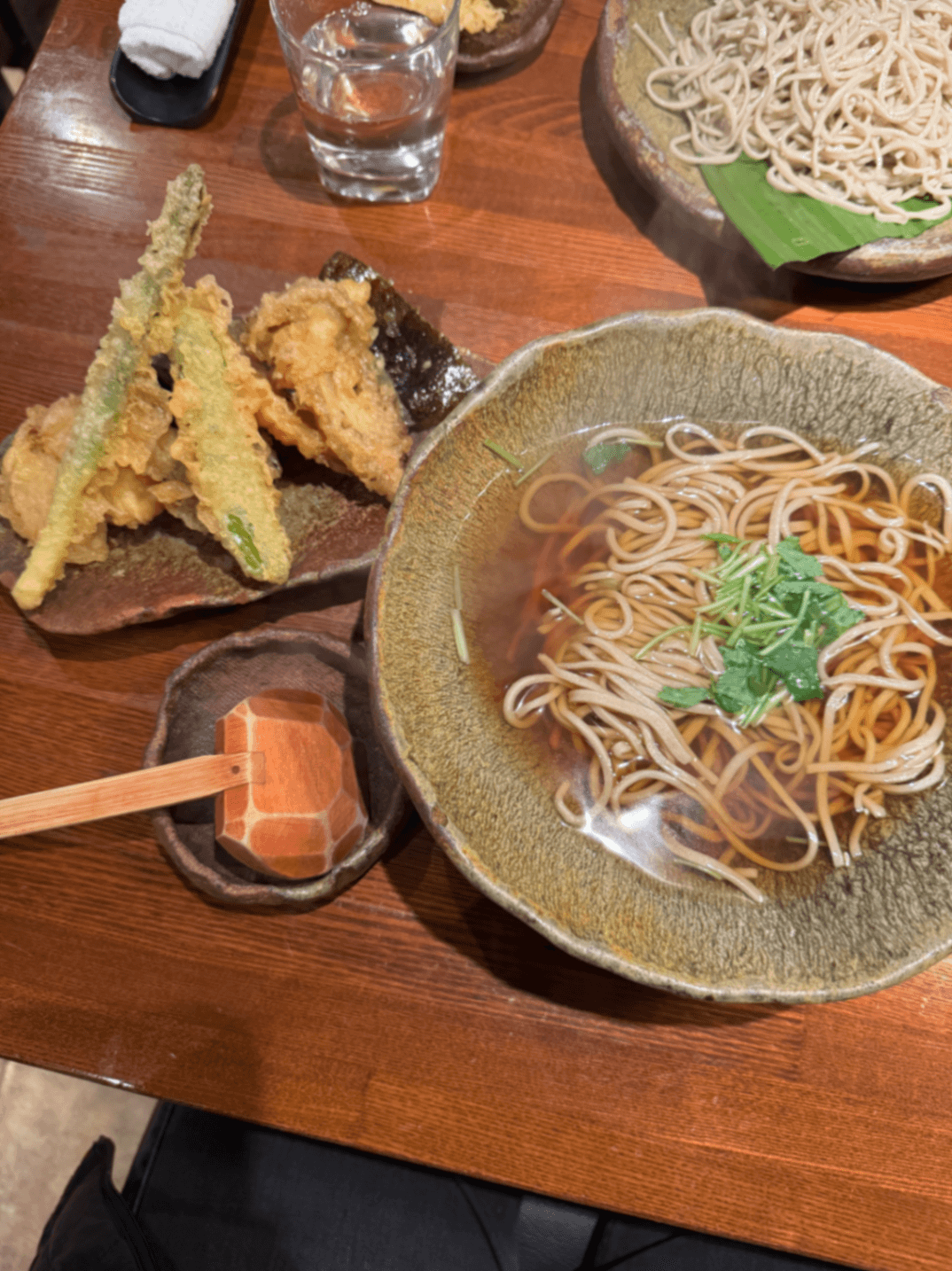
Akari Soba
More places in Kyoto

Rai Rai Tei Uzumasa

Menya Inoichi Hanare

Kiyomizu-dera Temple
