
 Posted by Brandon B.Admin
Inside the Pinacoteca Ambrosiana, Milan's Oldest Public Gallery
The Pinacoteca Ambrosiana sits on Piazza Pio XI in the centro storico of Milan, about a five-minute walk from the Duomo. Founded in the early seventeenth century, it is one of Italy's oldest public art galleries and still one of its most underrated. Visitors come for Leonardo da Vinci's Portrait of a Musician, stay for Raphael's full-scale cartoon for the School of Athens, and leave slightly stunned that the crowds never quite match the quality of what's inside.
The gallery forms part of the broader Biblioteca Ambrosiana complex, which Cardinal Federico Borromeo established as a place of learning open to all. That founding spirit still shows. The rooms feel serious but not intimidating, scholarly but never cold.
Why the Pinacoteca Ambrosiana Matters
Most visitors to Milan sprint between the Last Supper and the Brera. The Ambrosiana tends to get skipped, which is a real mistake. This is where you'll find Leonardo's only known portrait of a named individual painted during his Milanese years. It's also where Raphael's preparatory cartoon for one of the most famous frescoes in the world is displayed at nearly full scale, a drawing so detailed and so large that standing in front of it takes a moment to process.
Cardinal Borromeo assembled the original collection in the early 1600s with a genuine connoisseur's eye. He acquired works by Titian, Caravaggio, Jan Brueghel the Elder, and Raphael at a time when many of those artists were still within living memory. The result is a collection that feels personally curated rather than institutionally assembled.
Quick Facts
- Address: Piazza Pio XI 2, 20123 Milan
- Nearest metro: Cordusio (M1) or Duomo (M1/M3), both roughly 5 minutes on foot
- Part of the Biblioteca Ambrosiana complex, which includes a historic library not always open to general visitors
- The collection spans painting, drawing, sculpture, and decorative arts
- Leonardo's Portrait of a Musician (c. 1485) is the headline work
- Raphael's cartoon for the School of Athens measures approximately 280 by 800 centimeters
- The gallery occupies multiple interconnected rooms across two floors
Getting There
From the Duomo, walk west along Via Torino or cut through the smaller lanes toward Piazza Pio XI. The walk takes about five minutes at a normal pace. If you're coming from Cordusio metro station, it's a similar distance heading south.
There is no dedicated parking for the gallery, but several paid garages operate in the surrounding streets. Most visitors arrive on foot or by metro. Cycling is also practical given Milan's bike-share network, and there are racks nearby.
The Layout and Experience
The Pinacoteca occupies a series of rooms arranged roughly chronologically, though the layout rewards wandering as much as following a fixed route. The ground floor rooms tend to handle the earlier Italian and Flemish works. Upper rooms include the more celebrated pieces.
The galleries are not enormous, which is part of their appeal. You won't experience the kind of museum fatigue that sets in at the Louvre or even at some larger Italian institutions. A focused visit takes around ninety minutes. If you spend real time with the Raphael cartoon and the Leonardo portrait, add another thirty.
Lighting is generally good, and the rooms are quiet enough that you can actually look at things. That sounds like a low bar but it isn't, in Milan especially during peak tourist season.
Main Highlights
Portrait of a Musician, Leonardo da Vinci
This is the painting most people come to see, and it holds up. Painted around 1485 to 1490, it depicts an unidentified young man holding a piece of written music. The subject's gaze has an alertness that separates it from the formal portraiture of the period. It's a relatively small work, but the quality of the sfumato technique and the psychological presence of the sitter are immediately apparent even to a casual viewer.
Raphael's Cartoon for the School of Athens
Scale is everything here. The cartoon is a full-size preparatory drawing Raphael made before transferring the composition to the wall of the Vatican's Stanza della Segnatura. Standing in front of it, you're looking at Raphael's actual working drawing, the thing his hands touched. The figures are rendered in extraordinary detail, and you can see the transfer marks where the composition was pricked through to the plaster. It's the closest most people will ever get to that fresco's origin.
Flemish Cabinet and Jan Brueghel the Elder
Cardinal Borromeo had a particular affection for Flemish painting, and the collection reflects that. The works by Jan Brueghel the Elder are among the finest of his small-scale nature paintings anywhere. They're easy to walk past quickly, but they reward patience. The detail in the flower paintings especially is almost hallucinatory up close.
Caravaggio's Basket of Fruit
This is one of the earliest pure still-life paintings in Italian art. No figures, no mythological context, just a wicker basket of fruit rendered with a botanist's precision and a painter's sense of drama. Some of the fruit is overripe, some leaves are damaged, and that specificity is exactly the point. It dates to around 1599 and came to Borromeo as a gift.
History and Background
Cardinal Federico Borromeo founded the Ambrosiana in 1607, opening both the library and the picture gallery to the public. The library, which opened in 1609, was among the first in Europe to offer open access to scholars. Borromeo wanted the institution to serve learning, not just to accumulate prestige.
The picture gallery opened formally in 1618, making it one of the oldest public galleries in the world. Borromeo wrote a catalogue of his own collection, Musaeum, published in 1625, which remains a key document for understanding his intentions as a collector. He wasn't simply buying the most fashionable works. He made deliberate choices based on what he thought would educate and inspire.
The complex takes its name from Saint Ambrose, the fourth-century bishop of Milan whose influence on the city's religious and civic identity was enormous. That connection to local identity still matters. The Ambrosiana is a Milanese institution in a way that a national museum can't quite be.
Tickets and Entry
Entry to the Pinacoteca requires a ticket, which covers access to the gallery rooms. The library is a separate space used primarily by researchers and scholars and is not included in standard gallery admission. Tickets are available at the door and, depending on the season, through online booking. Timed entry slots are sometimes offered during busier periods. It's worth checking the official website before you go, particularly if you're visiting in summer or around major Italian holidays.
Reductions are typically available for students, children, and seniors. Group rates also apply. The gallery is closed on Mondays.
Best Time to Visit
Midweek mornings tend to be the quietest. The Ambrosiana draws serious visitors rather than casual crowds, so it rarely feels overwhelmed, but Tuesday and Wednesday mornings in spring or autumn offer the most relaxed experience. Summer brings more tourists to Milan generally, and while the gallery doesn't get as packed as Santa Maria delle Grazie, you may share the Leonardo room more than you'd like.
The gallery is indoors and temperature controlled, which makes it a good option on rainy days or during the hottest weeks of July and August.
Combining with Nearby Attractions
The Ambrosiana sits close enough to several other major sites that you can build a full day without much transit. The Duomo and its rooftop terraces are about five minutes east. The Castello Sforzesco, where more Leonardo-related material is held including the Sala delle Asse ceiling, is about fifteen minutes on foot to the northwest. Piazza Mercanti, one of Milan's oldest squares and often overlooked, is immediately adjacent.
For lunch, the streets between the Ambrosiana and Corso Magenta have a good concentration of trattorias and wine bars that cater to a local crowd rather than a tourist one. Worth seeking out over the obvious options near the Duomo.
Practical Tips
- Closed Mondays. Plan accordingly.
- Photography is generally permitted in the galleries without flash, but confirm current policy at the entrance.
- The Raphael cartoon is in a room that can feel crowded even with few people in it. Give yourself time and space to step back from it.
- Audio guides are available and worth considering if you don't have a background in Renaissance painting. The context around the Borromeo collection adds a lot.
- The gallery shop carries a decent selection of art books, including titles on Leonardo's Milanese period that are hard to find elsewhere.
- If you're combining with the Last Supper at Santa Maria delle Grazie, note that the Supper requires advance booking, often weeks ahead during peak season.
- Wear comfortable shoes. The floors are stone and the building is old.
FAQ
How long does a visit to the Pinacoteca Ambrosiana take?
Most visitors spend between ninety minutes and two and a half hours. If you want to spend serious time with the major works, budget closer to two hours.
Is the Biblioteca Ambrosiana open to the public?
The library is primarily a research institution. General visitors can access the gallery but not the library stacks. Special exhibitions or events sometimes open parts of the library to the public.
How does the Ambrosiana compare to the Pinacoteca di Brera?
Brera is larger and has a broader survey of Italian painting. The Ambrosiana is more focused, more intimate, and stronger for Leonardo and Raphael specifically. They're not rivals so much as complements. If you only have time for one, your choice depends on what you're after.
Do I need to book in advance?
Walk-in entry is usually possible, but online booking is recommended during summer and around Italian public holidays. The gallery is small enough that it can reach capacity on busy days.
Reviews
Sign in and mark this place visited to leave a review.
No reviews yet.
Free Trip Planner
Plan your Italy trip with our free planner
Build a day-by-day itinerary with AI suggestions, hand-picked places, and friends. Free forever — no credit card.
Things to see near Pinacoteca Ambrosiana
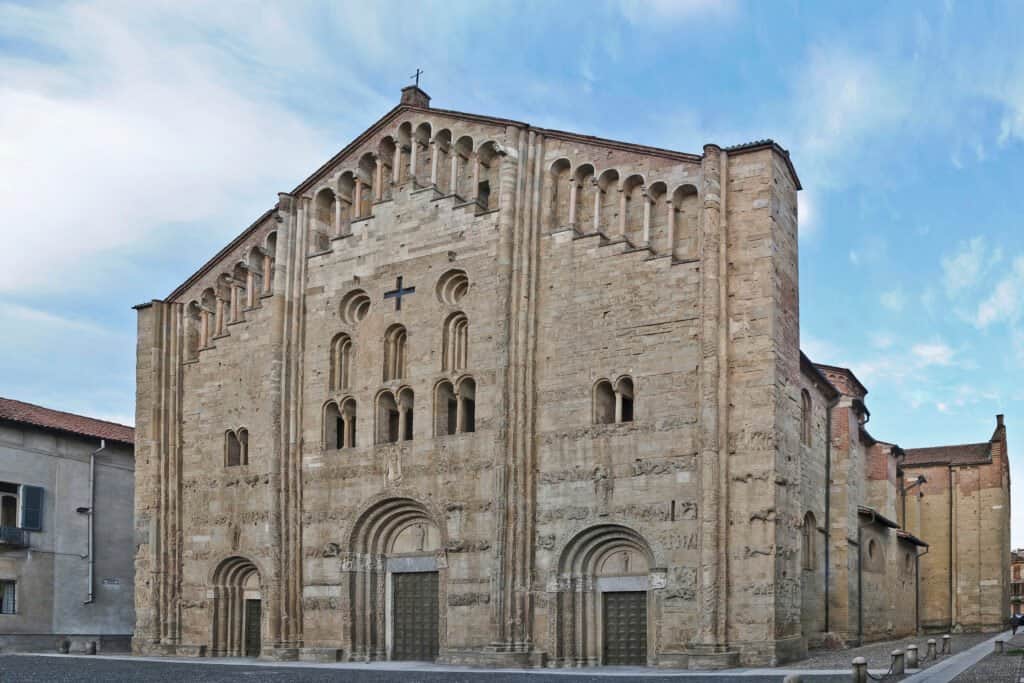
San Michele Maggiore Church
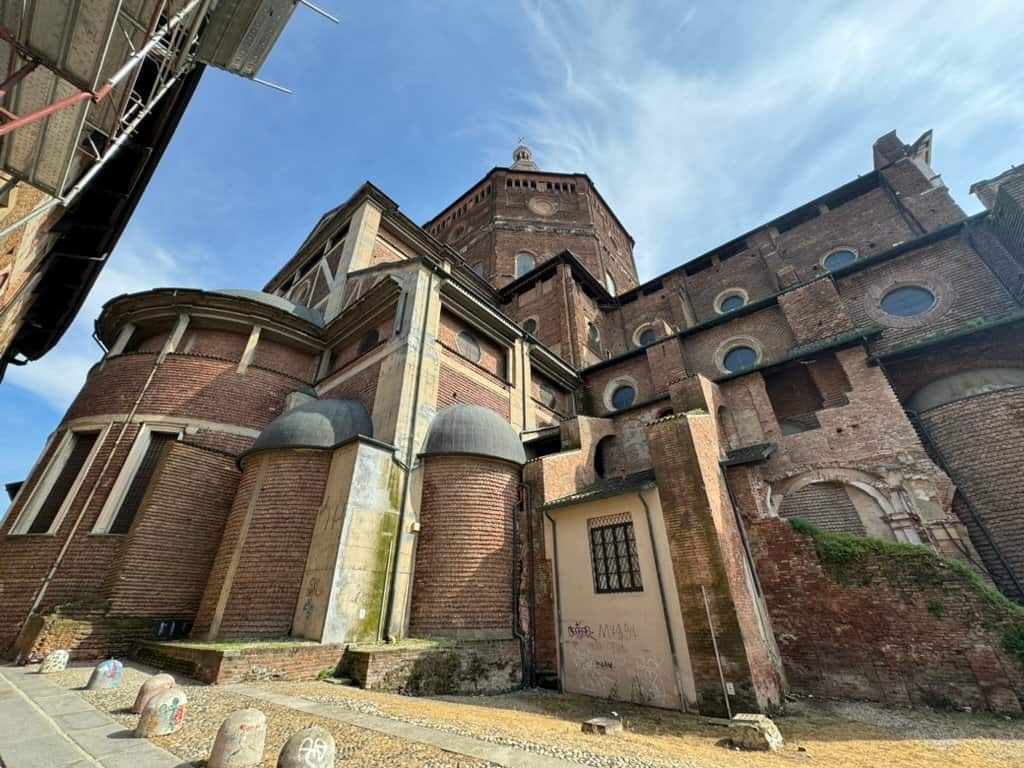
Cathedral of Pavia
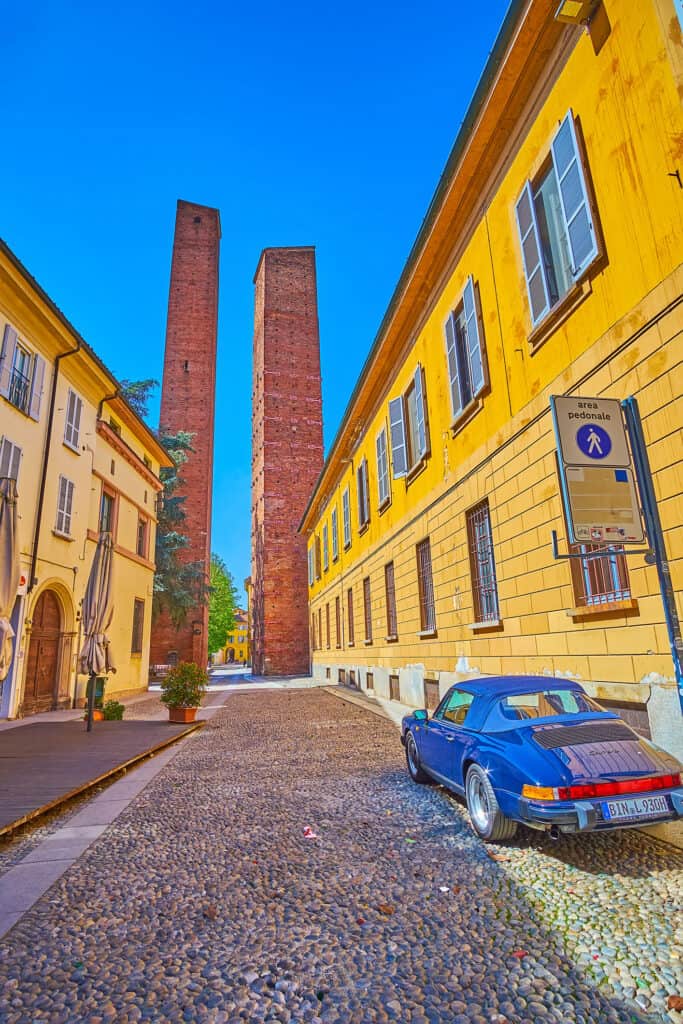
Towers of Pavia (Torri di Pavia)
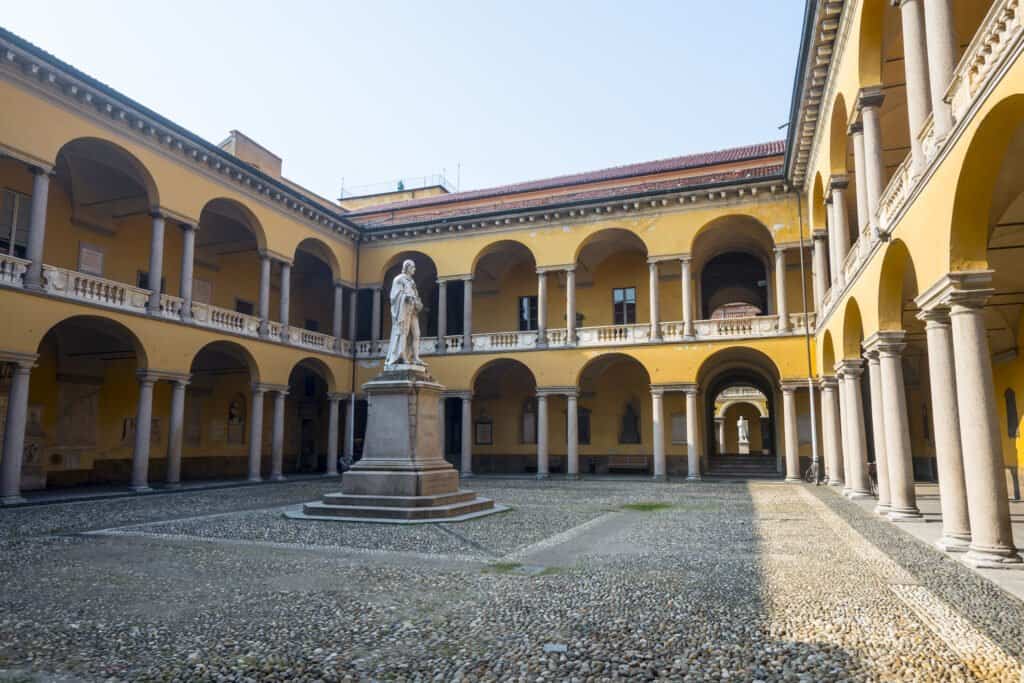
The University of Pavia
Places to eat or drink near Pinacoteca Ambrosiana

Pasticceria Vigoni

Pizza e Mozzarella
![[LA] Gelateria della Musica](https://lh3.googleusercontent.com/grass-cs/AABkmLezQ1aahZ3Sj4IKvguuB34dH27jVTId85hNXzYEv9WG7GfBYHmI1cwHUPQVisLeNLAKCNmd1glh0QlkPrqj2oRaVJ7D4jkdmWOq7BbYLzAtEceYr8t1MxXkfmk96U5ezHE2vYUBkvyeVynx=s4800-w1600-h1600)
[LA] Gelateria della Musica

Officina Milano
More places in Milan

miscusi Milano Centrale

Brera District
Reminisce The Good Ol’ Days At La Scala
