
Port Hercule
Port Hercules, Monte-Carlo 98000 Monaco Posted by Brandon B.Admin
Port Hercule: Monaco's Working Harbor and Its Glamorous Double Life
Port Hercule is the only deep-water port in Monaco, and it pulls off something few places manage: being genuinely functional while also being one of the most photographed waterfronts in the world. Cargo ships, superyachts, ferries to Corsica, and the occasional Formula 1 support vehicle all share the same stretch of water, sometimes on the same afternoon. It sits below the old town of Monaco-Ville, tucked into a natural bay that the Monegasques have been developing and deepening for well over a century.
First-time visitors often expect pure glamour. What they find is more interesting than that.
Why Port Hercule Matters
Monaco is 2.02 square kilometers. That makes Port Hercule, at roughly 0.35 kilometers across at its widest, a genuinely significant piece of the principality. It isn't a decorative feature. The port handles commercial freight, cruise ship arrivals, the ferry service to Corsica and Sardinia, and a dense marina population that swells dramatically each May during the Formula 1 Grand Prix weekend.
That Grand Prix connection is the port's most dramatic recurring moment. The circuit runs along the quayside, through the tunnel beneath the Fairmont Monte-Carlo hotel, and back up through the Casino district. During race weekend, the harbor itself becomes a floating grandstand: yachts anchor in the bay for the view, and the atmosphere is unlike anything else in motorsport. Even if you visit in a quiet month, the barriers and marshaling marks often remain visible on the tarmac, and standing at the waterfront you can trace exactly where the cars run.
Quick Facts
- Location: Below Monaco-Ville rock, in the La Condamine neighborhood
- Port type: Deep-water working harbor with a dedicated yacht marina
- Accessible: On foot, 24 hours a day. No admission charge to walk the quays.
- Cruise terminal: Port Hercule is Monaco's main cruise arrival point
- Formula 1 Grand Prix: Held annually in May, with the quayside forming part of the circuit
- Ferry services: Seasonal connections to Corsica and Sardinia depart from here
- Nearest landmarks: Place d'Armes market, Stade Nautique Rainier III, Monaco-Ville rock
Getting There
From Nice Côte d'Azur Airport, the most straightforward option is the train to Monaco-Monte-Carlo station, which takes roughly 25 minutes and drops you about a 10-minute walk from the port. Coming from the station, follow the signs toward La Condamine and you'll descend toward the water.
If you're arriving by bus from Menton or Nice along the Basse Corniche, stop at Place d'Armes. The port entrance is right there. Driving is possible but Monaco's parking is limited and expensive, so most people find it easier to arrive by train or on foot from a nearby hotel.
Cruise passengers have the simplest arrival of all: you dock directly at Port Hercule's cruise terminal and step straight onto the quay.
The Layout and Experience
The port wraps around a roughly rectangular basin. The eastern quay, Quai des États-Unis, is lined with mid-range and upscale restaurants and bars, most with terrace seating that faces the water. This is where most visitors spend their time, watching the boat traffic while eating or drinking. The western side, closer to the old town rock, tends to be quieter and more industrial in feel, with service areas for the working vessels.
The floating dock at the southern end extends the usable water space significantly and is where many of the larger superyachts moor. During the Yacht Show in September or the Grand Prix in May, the density of extraordinary vessels here is genuinely staggering. On an ordinary Tuesday in November, you'll find far fewer boats and a much more local crowd.
The Stade Nautique Rainier III, Monaco's outdoor public swimming pool that opens onto the port, sits along the western edge. It's a 1960s structure with a particular charm, and swimming there with the harbor as your backdrop is one of the more unusual things you can do in Monaco. It's open seasonally.
History and Background
The natural harbor at the base of the Monaco rock has been used since antiquity. The Romans recognized the site, and there is evidence of Phoenician and Greek use of the bay before that. The name Hercule is thought to derive from ancient worship of Hercules at this location, though the exact etymology is debated.
Major modern development of the port accelerated in the late 19th century under Prince Charles III, the same ruler who authorized the Casino de Monte-Carlo. The harbor was deepened and expanded to accommodate larger vessels, a process that continued well into the 20th century. The floating breakwater that protects the outer harbor is a more recent engineering addition, designed to shield the basin from Mediterranean swells without blocking the view.
The Formula 1 race has been held in Monaco since 1929, making it one of the oldest events on the calendar. The circuit's relationship with the port is inseparable from the race's identity.
Best Time to Visit
May is the obvious answer if Formula 1 is the draw, but it comes with a significant caveat: accommodation prices spike dramatically, the streets are crowded, and much of the waterfront access is restricted by race barriers for several days before and after the event. If you want to see the port at its most theatrical without the chaos, arriving the week before the Grand Prix gives you the spectacle of yacht arrivals and circuit setup without the full crush.
September brings the Monaco Yacht Show, when the port fills with some of the largest private vessels on the water. This is a ticketed trade event, but the boats are visible from the public quays and the general atmosphere of the port during that week is electric.
For a quieter visit where you can actually linger and explore at your own pace, late October through early March is genuinely pleasant. The light is softer, the crowds thin considerably, and the restaurants along Quai des États-Unis are far more relaxed. Monaco's mild winters mean this isn't a hardship.
Photography Tips
The most dramatic wide shot of Port Hercule comes from the Tête de Chien viewpoint high above Monaco, or from the Exotic Garden on the western side of the principality. Both give you the whole harbor in one frame. At ground level, the best angle for capturing the density of the yacht marina is from the end of the floating dock, looking back toward the Monaco-Ville rock.
Golden hour light hits the port from the west, so the late afternoon shot with the old town glowing behind the masts is a classic for good reason. Early morning, before the restaurant terraces fill, is the best time to photograph the quays themselves without people in the way.
During the Grand Prix, the pit lane entrance on the harbor side makes for a striking architectural detail even when no cars are present.
Combining with Nearby Attractions
Port Hercule is the natural starting point for a full day in Monaco. From the quayside, you can walk up to Monaco-Ville and the Prince's Palace in about 15 minutes on foot, or take the elevator from Place d'Armes. The Cathedral of Our Lady Immaculate, where Prince Rainier III and Grace Kelly are buried, is a short walk from the palace square.
In the other direction, it's roughly 20 minutes on foot from the port to Casino Square in Monte-Carlo, passing through La Condamine and up through the city. The Oceanographic Museum, perched on the edge of the Monaco-Ville rock directly above the port, is worth at least two hours and has a view of the harbor from its terrace that is hard to beat.
Practical Tips
- The quays are free to walk but private vessels are obviously not accessible to the public.
- Restaurant prices along Quai des États-Unis are upscale by most standards. Budget travelers do better at Place d'Armes, where there are more casual options.
- During Grand Prix weekend, expect road closures and significantly restricted movement around the port from Thursday onward.
- The Stade Nautique pool has seasonal hours and typically closes in autumn. Check locally before making it the focus of your visit.
- Monaco is extremely safe, but the port area can get genuinely busy on summer evenings. Keep an eye on your belongings around the main terrace strip.
- If you're arriving by ferry from Corsica or Sardinia, the terminal is on the western side of the basin. The main restaurant and shopping area is a 5-minute walk across the port.
- Bring sunscreen. The harbor is completely exposed and the reflected light off the water intensifies the heat in summer.
FAQ
Can you walk around the entire port?
Most of it, yes. The public quays cover a large portion of the waterfront, though some sections near working berths and private yacht facilities have restricted access. You won't be able to walk every meter of the perimeter, but you can cover the main areas easily on foot.
Is Port Hercule worth visiting outside of Grand Prix season?
Absolutely. The port has its own rhythm year-round, and in quieter months you get a more honest sense of how Monaco actually functions as a place. The superyachts are present in varying numbers throughout the year, and the view toward the rock is always worth it.
Do you need a ticket to visit the port area?
No. Walking the public quays is free at any hour. Tickets are only required for specific events like the Grand Prix or the Monaco Yacht Show, and even then, much of the port's visual appeal is accessible from outside the ticketed zones.
How long should you plan to spend here?
An hour to two hours covers a comfortable walk around the quays and time to sit at one of the terraces. If you're combining it with the Oceanographic Museum and a walk up to Monaco-Ville, budget most of a day.
Reviews
Sign in and mark this place visited to leave a review.
No reviews yet.
Free Trip Planner
Plan your Monaco trip with our free planner
Build a day-by-day itinerary with AI suggestions, hand-picked places, and friends. Free forever — no credit card.
Things to see near Port Hercule

Aux Canards Garden

Port de Fontvieille

Cathedrale Notre-Dame-Immaculee
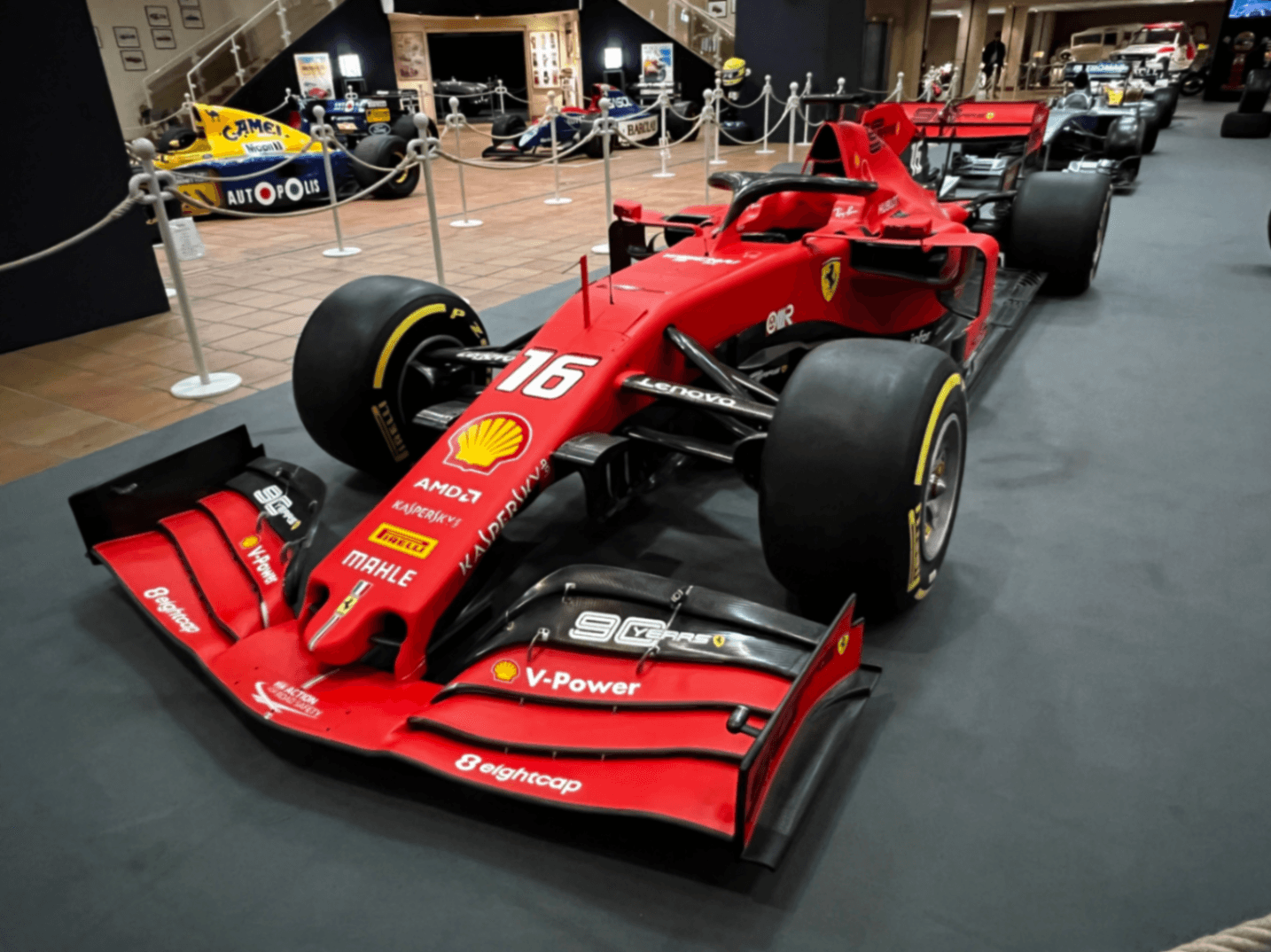
The Private Collection of Antique Cars of H.S.H. Prince Rainier III
Places to eat or drink near Port Hercule


More places in Monte-Carlo

Monaco Grand Prix
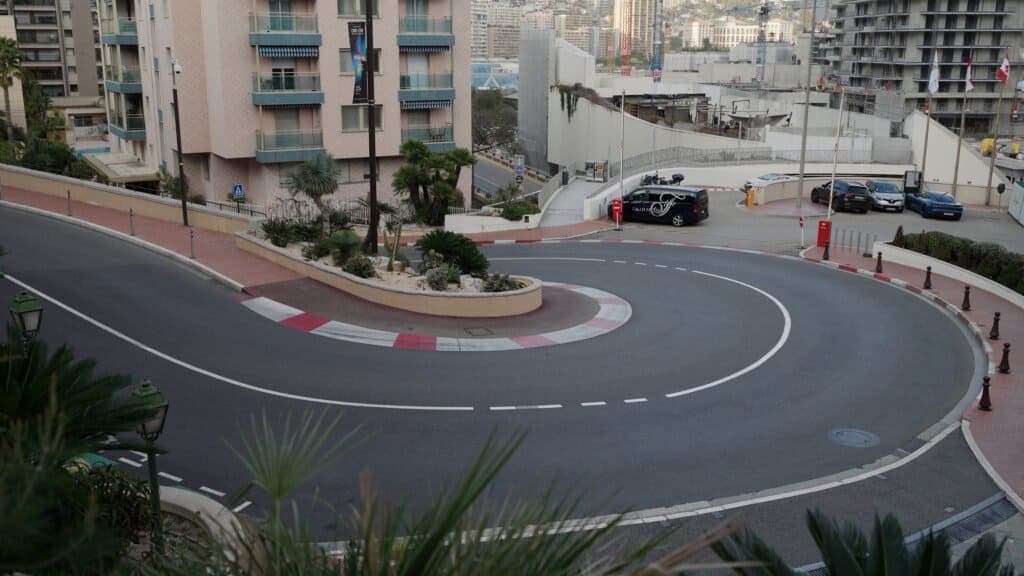
Fairmont Hairpin curve

Monaco Tourist Information Office
