Porto Montenegro
Kotor, Montenegro Posted by Brandon B.Admin
Porto Montenegro Overview
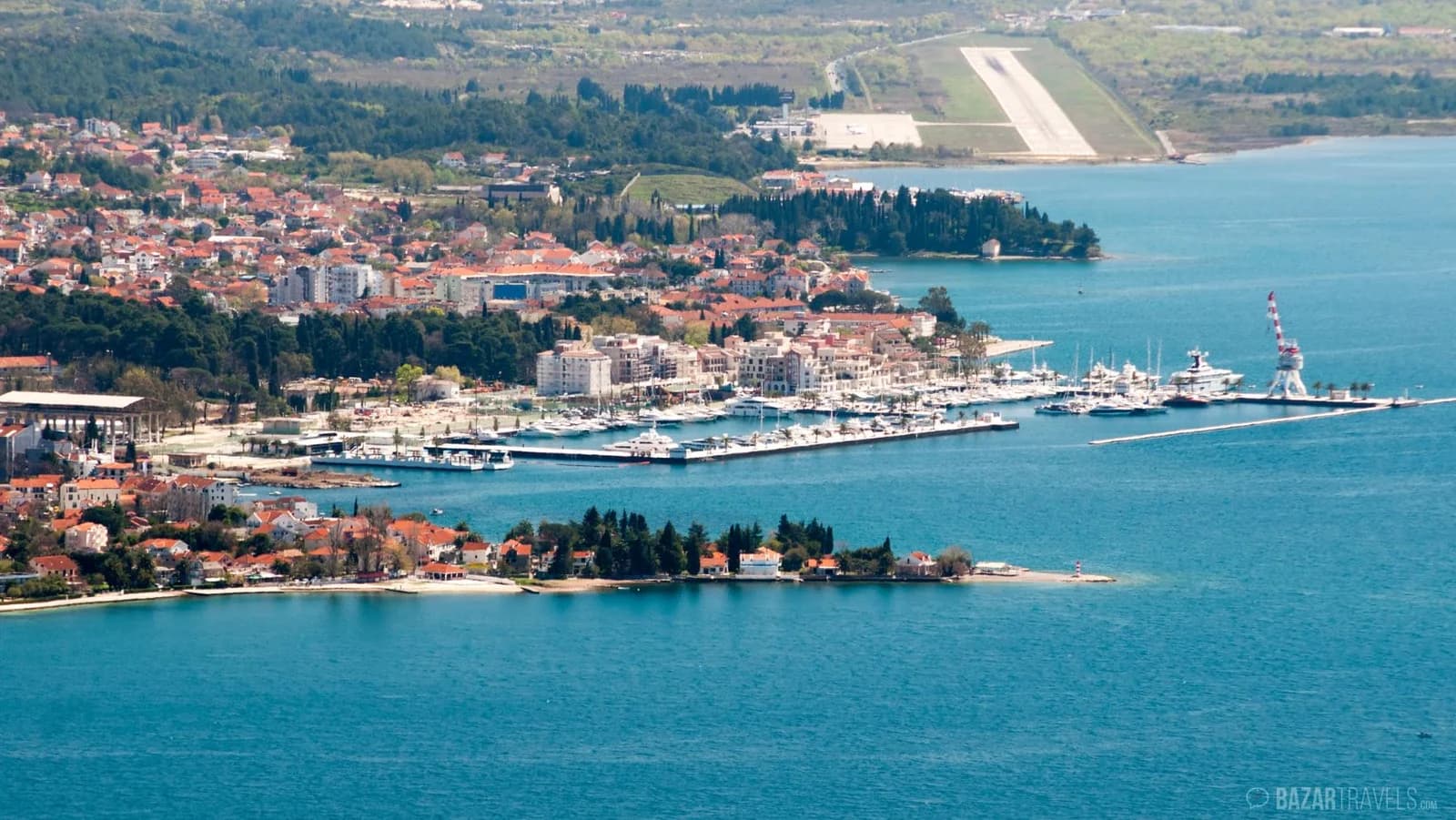
Porto Montenegro is a waterfront marina and mixed-use development in Kotor, Montenegro, occupying a prime position on the Bay of Kotor. The complex combines a working yacht harbor with restaurants, shops, galleries, and cultural spaces spread across renovated historic buildings and modern additions. It functions as both a practical mooring point for superyachts and a social hub where locals and visitors converge for dining, shopping, and waterfront walks.
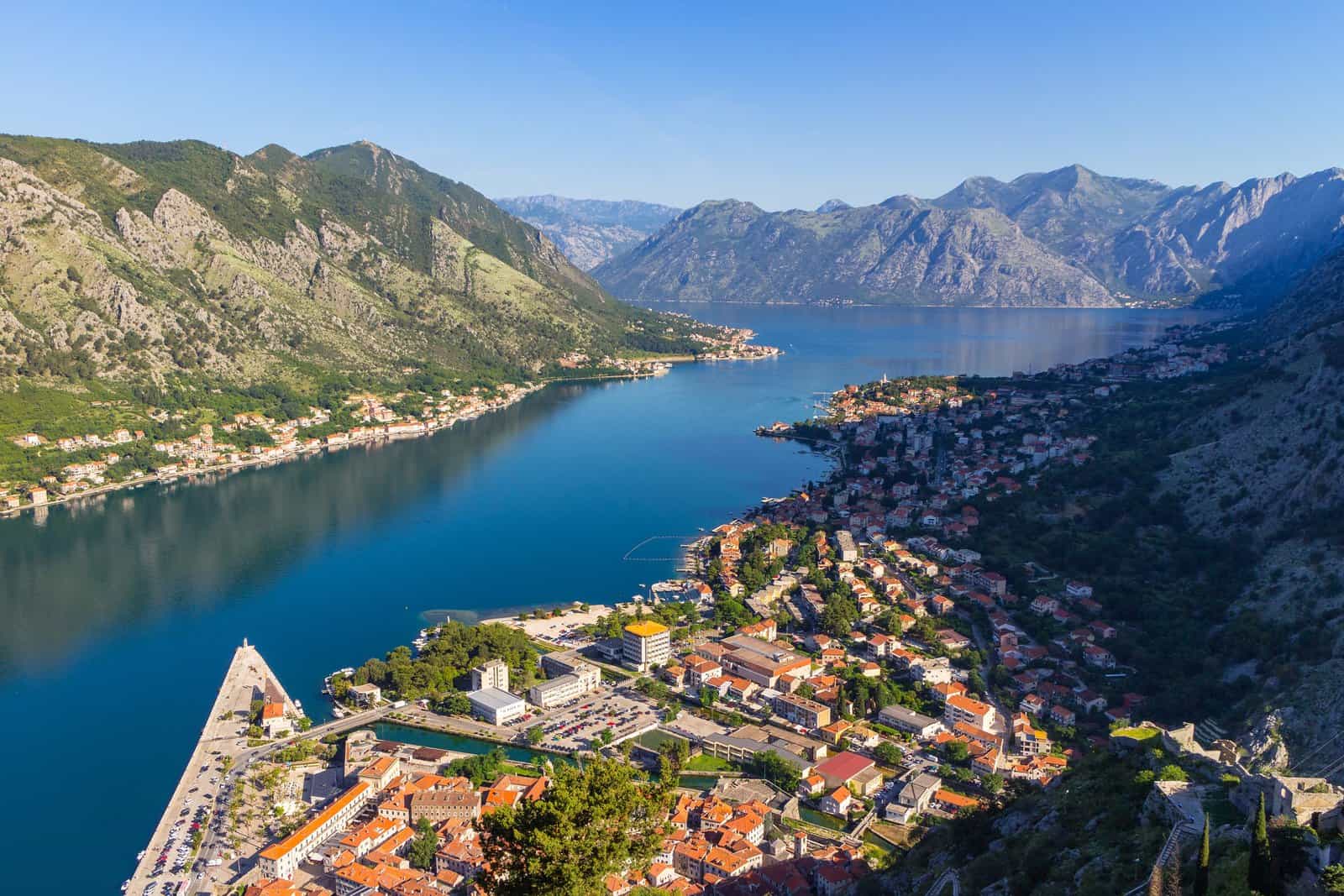
The site sits at the mouth of Kotor's old town, immediately adjacent to the medieval fortifications that define this UNESCO-listed bay. Whether you arrive by boat, car, or on foot from the adjacent old town, Porto Montenegro feels like a deliberate bridge between Kotor's preserved past and its contemporary aspirations.
Why This Place Matters
Porto Montenegro represents one of the Adriatic's most ambitious waterfront regeneration projects. The development has transformed what was formerly a military shipyard into a civilian marina without erasing the site's industrial heritage. The architecture deliberately preserves and adapts existing structures, including the original 1920s-era shipyard buildings, rather than demolishing and rebuilding from scratch.
For travelers, it matters because it concentrates several worthwhile activities in one walkable location. You don't have to choose between exploring the medieval old town and enjoying modern amenities. The marina also serves as a jumping-off point for boat excursions around the bay.
Quick Facts
- Location: Eastern waterfront of Kotor, directly adjacent to the old town
- Main features: 280-berth superyacht marina, restaurants, retail, galleries, cultural venues
- Original construction: Shipyard established in the 1920s
- Redevelopment: Began in the mid-2000s and continues in phases
- Year-round access: No seasonal closures
- Best for: Waterfront dining, people-watching, boat charters, evening strolls
Getting There
Porto Montenegro is impossible to miss if you're visiting Kotor. The marina entrance sits at the eastern edge of the old town's fortified walls, a two-minute walk from the main square (Stari Grad). If you arrive by car, paid parking is available on-site or in nearby garages.
From the Kotor waterfront road, follow signs toward the marina. The main pedestrian entrance is clearly marked, and you can walk the entire perimeter without a ticket. If you're arriving by boat, approach the harbor office directly to inquire about mooring availability and fees.
The Layout and Experience
The complex spreads across multiple interconnected zones, but the geography is intuitive. The central marina occupies the water side, ringed by a waterfront promenade wide enough for comfortable walking and dining. Behind this lies a restored industrial zone with galleries, boutiques, and service facilities. The layout feels organic rather than planned, a quality that stems from its origins as a working shipyard.
Walking the perimeter takes about 15 to 20 minutes at a casual pace. The promenade is busiest in the evening when locals arrive for aperitivos and dinner. Mornings are quieter, making them ideal if you prefer fewer crowds and better light for photography.
The experience shifts depending on your pace. Rush through and you'll catch the visual appeal and grab a coffee. Linger for two hours and you'll notice the details: the texture of preserved stone walls, the variety of boat types in the harbor, conversations in half a dozen languages at the waterfront tables.
Main Highlights
The waterfront promenade itself is the primary attraction. Walking it, you get unobstructed views of the bay, the fortifications climbing the hillside behind the old town, and the yacht harbor filling gradually with seasonal visitors. The promenade is particularly striking at sunset, when light hits the stone facades and water simultaneously.
The preserved shipyard buildings now house restaurants, galleries, and a small museum dedicated to Kotor's maritime history. These spaces are worth exploring even if you don't plan to eat. The architecture tells the story of adaptation: original timber beams and industrial details coexist with modern interiors.
Several galleries rotate exhibitions focused on Adriatic art and design. These tend to be modest in scale but high in quality. Opening times and current shows can be checked at the marina information desk or by asking at individual gallery entrances.
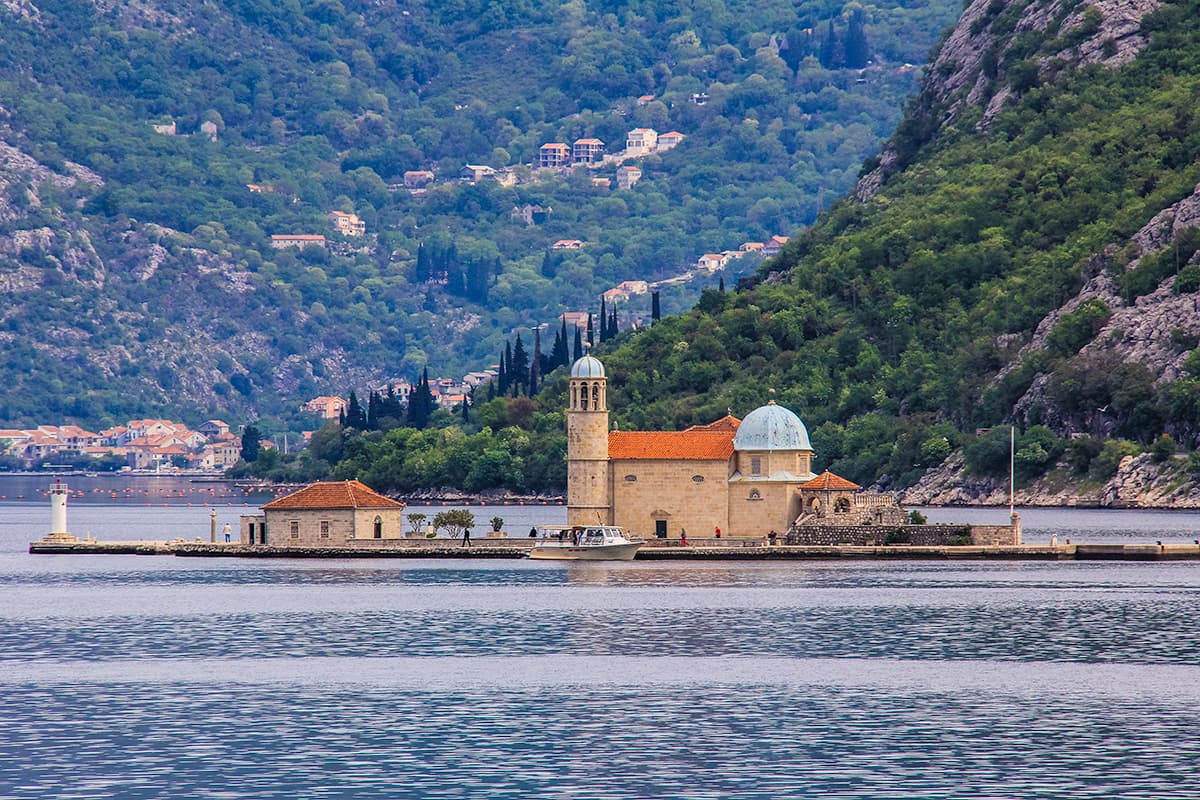
The working marina itself is visually compelling if you have any interest in yachting. Superyachts of 40 to 80 meters are a regular sight, and you'll often encounter crews and owners from across Europe. The harbor is also the departure point for boat tours of the bay, including trips to Our Lady of the Rocks (the artificial island with a church) and the coastal villages of Perast and Prčanj.
History and Background
The site's history spans two distinct eras. In the 1920s, the Austro-Hungarian navy established a shipyard here, taking advantage of Kotor's protected harbor and maritime expertise. The shipyard operated through the Yugoslav period and continued functioning as a repair facility into the 1990s. By the early 2000s, the facility was largely dormant, and the structures had deteriorated significantly.
The redevelopment began around 2006 under private ownership. The approach was conservation-led rather than speculative. Rather than demolish the historic buildings, developers invested in restoration while introducing new uses compatible with the site's character. The project unfolded in phases over more than a decade, so the development never felt abrupt or jarring to the city.
The result is a site that acknowledges Kotor's industrial past while serving contemporary needs. Local residents sometimes debate whether the project has been good for the city, but few dispute that it's been done thoughtfully compared to waterfront developments elsewhere in the region.
Tickets and Entry
Porto Montenegro is entirely free to explore. There are no admission gates or tickets required to walk the promenade, visit the galleries, or browse the shops. If you dine at a restaurant or charter a boat, you'll pay for those services separately. Galleries occasionally charge a small fee for temporary exhibitions, but the permanent collections are accessible at no cost.
Best Time to Visit
Summer (June through September) brings the most activity and the warmest weather. The marina fills with visiting yachts, restaurants extend table service onto the promenade, and the waterfront buzzes with international crowds. If crowds matter to you, this is the busiest period.
Shoulder seasons (April to May and October to November) offer milder weather and fewer tourists. The restaurants remain open and the promenade is still lively, but you can move more freely and find a quiet table without competition.
Winter (December to March) sees reduced foot traffic and some seasonal restaurant closures, but the core facilities remain operational. Weather can be unpredictable, with occasional rain and wind, but clear winter days offer excellent visibility across the bay.
Photography Tips
The waterfront promenade is inherently photogenic. Early morning light from the east illuminates the old town fortifications beautifully. Late afternoon light from the west bathes the marina buildings in warm tones. Avoid midday sun if you want to photograph architectural details, as harsh overhead light flattens textures.
The yacht harbor itself rewards close attention. Individual boats often have striking lines and details. Get low and shoot upward to emphasize the height of the masts and rigging. If you're interested in capturing the atmosphere of waterfront dining, evening is best, when table lights and the last light of day create warm, layered compositions.
The fortifications rising behind the marina provide a dramatic backdrop for wider shots. Include the foreground promenade to convey the spatial relationship between the modern waterfront and the medieval town above it.
Facilities and Preparation
Restroom facilities are available throughout the complex. Most restaurants allow non-customers to use facilities if you ask politely. Water fountains are scattered along the promenade, though supplies are inconsistent in winter.
The promenade is paved and flat, making it accessible for strollers and wheelchairs. Most restaurants have ground-level seating, though some may require navigating a few steps to reach dining areas.
Bring sunscreen and a hat in summer. The waterfront offers little shade beyond restaurant umbrellas. In shoulder seasons and winter, a light jacket is advisable, as wind off the bay can be brisk even on clear days.
Combining with Nearby Attractions
Porto Montenegro is adjacent to Kotor's old town, which easily warrants two to three hours of exploration. Walk through the medieval streets, visit the Cathedral of Saint Tryphon, and climb the fortress walls for views across the bay. The old town is a 2-minute walk from the marina.
Just across the bay (a 15-minute drive or a boat tour) lie the villages of Perast and Prčanj, both with their own charm and waterfront restaurants. These are best visited as a half-day excursion, either by boat from the marina or by car around the bay.
The Bay of Kotor itself is the larger draw. If you're staying longer than a day, consider a boat tour that visits Our Lady of the Rocks, the fortified town of Herceg Novi at the bay's mouth, or the coastal cliffs and beaches around the Lovćen massif.
Sample Visit Plan
For a half-day visit, arrive mid-morning to explore the promenade and galleries while it's relatively quiet. Grab coffee or lunch at a waterfront table, then climb to the old town's fortifications in the early afternoon. Return to the marina for evening drinks or dinner as the light softens.
If you have a full day, spend the morning walking the old town's medieval streets. Return to Porto Montenegro for a late lunch. Book a boat tour in the early afternoon to visit Perast and Our Lady of the Rocks, returning by late afternoon. Finish with an evening stroll along the promenade and dinner overlooking the water.
Practical Tips
- Visit early morning or early evening for the best light and fewest crowds
- Many restaurants have English menus, but staff speak multiple languages
- ATMs are available on-site; most restaurants accept cards
- The promenade is one continuous loop, so you can't get lost
- If you're sensitive to boat activity and engine noise, avoid the inner harbor areas during daylight hours
- Boat charter services operate from the marina, offering hourly rentals or day-long excursions
- The site is well-lit at night, making evening strolls safe and pleasant
FAQ
Is Porto Montenegro worth a visit if I'm only in Kotor for a few hours? Yes. The waterfront promenade and views can be enjoyed in 30 to 45 minutes. If you have more time, combine it with a walk through the old town.
Can I swim or access a beach at Porto Montenegro? The marina is a working harbor, not a swimming area. The nearest accessible beach is a short walk west of the old town along the waterfront road.
Are there kid-friendly options at Porto Montenegro? Yes. The promenade is safe and easy to walk with strollers. Several restaurants have high chairs and children's menus. The boat tours departing from the marina are also suitable for families.
What's the best restaurant at Porto Montenegro? The complex has a range of dining options from casual to upscale. Quality varies. Ask locals or your accommodation host for current recommendations, as ownership and menus change seasonally.
Is there a fee to walk along the promenade? No. The promenade is entirely free to access and explore.
Opening hours
Reviews
Sign in and mark this place visited to leave a review.
No reviews yet.
Free Trip Planner
Plan your Kotor trip with our free planner
Build a day-by-day itinerary with AI suggestions, hand-picked places, and friends. Free forever — no credit card.