Primošten
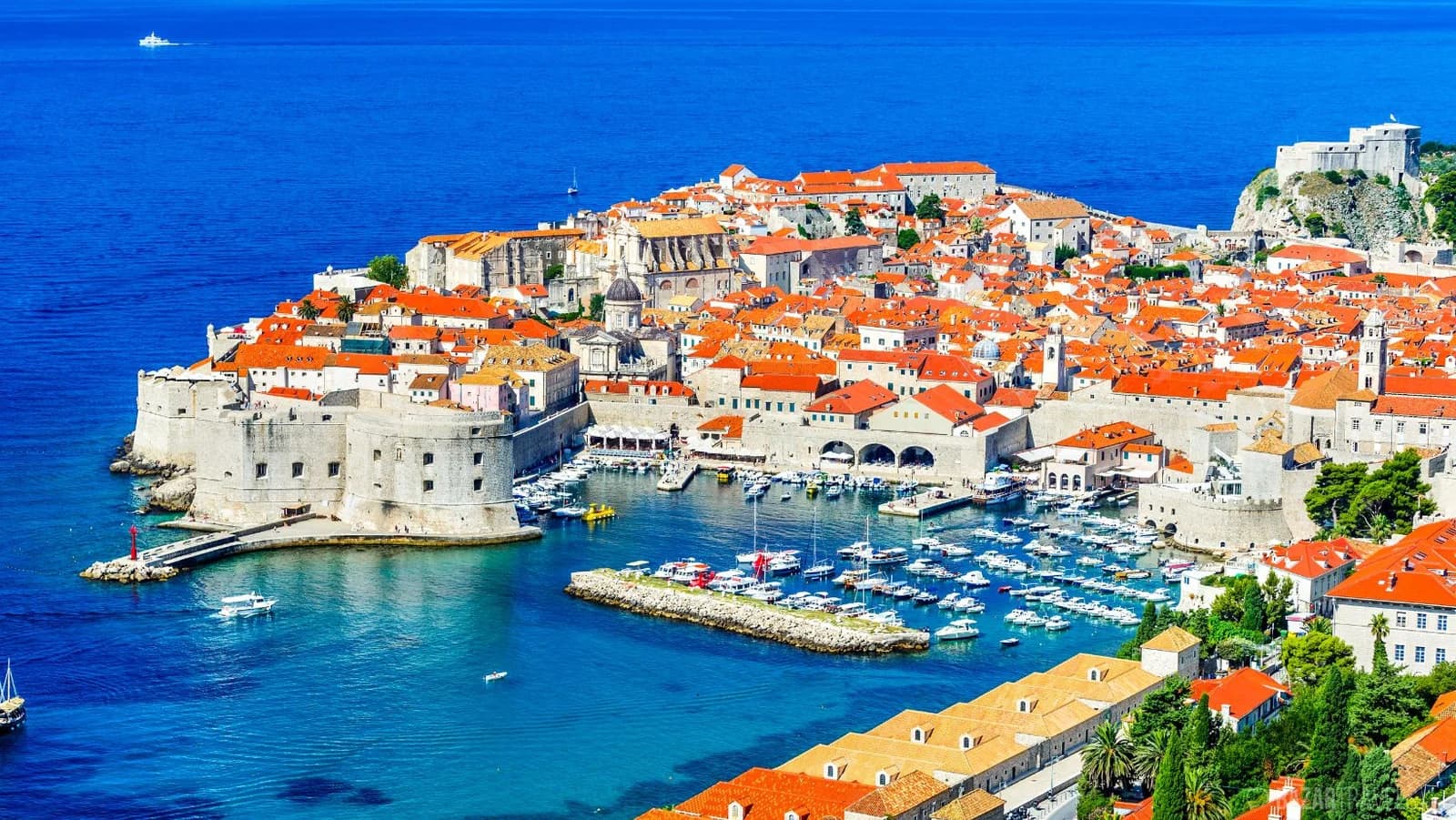
Primošten, CroatiaPrimošten sits on the Dalmatian coast of Croatia, roughly midway between Šibenik and Trogir, on a small peninsula that was once a genuine island. The name itself tells the town's story: it comes from the Croatian verb meaning "to bridge," a reference to the causeway that now ties the old settlement to the mainland. Stone houses with red-tile roofs climb a low hill toward a church at the summit, and the whole knot of streets is small enough to walk end to end in under fifteen minutes. It's the kind of place that rewards slow wandering more than a checklist of sights.
What makes Primošten worth a stop isn't a single monument but the layout itself, a compact peninsula town that has kept its original street pattern while the region around it filled in with vineyards, pebble beaches, and newer tourist development. If you're based in Šibenik or Trogir, or even Split, it works well as a half-day or full-day excursion, and it also makes sense as a quieter base from which to see Krka National Park.
History and background
Primošten's history as a settlement goes back to the 16th century, when it existed as an island village a short distance offshore. The separation from the mainland was deliberate and defensive. During the period of Ottoman incursions along the Dalmatian coast, islands like this one offered a measure of protection that mainland villages didn't have. Residents built a drawbridge to link the island to the shore, one that could be raised in times of threat and lowered for daily movement of people and goods.
Once the danger from Turkish raids subsided, the drawbridge gave way to a permanent causeway, and the settlement took the name Primošten from that very act of bridging. The old town core on the hill has changed surprisingly little since then. Houses are built close together with narrow passages between them, a pattern common to Dalmatian island villages where land was scarce and defense mattered more than convenience. Walking those lanes today, you're moving through a street plan that predates the causeway itself.
Quick facts
- Location: Dalmatian coast, Croatia, between Šibenik and Trogir
- Origin: former island village, connected to the mainland by a causeway after the 16th century
- Name meaning: derived from the Croatian word for "to bridge"
- Nearest airport: Split International Airport, about an hour's drive away
- Train access: a stop on the Šibenik-Split line, about 30 minutes from Šibenik and around an hour from Split
- Known locally for: Babić red wine, olive oil, and fresh seafood
Getting there
Most visitors arrive by car, and the drive from Split takes roughly an hour along the coastal road, with Šibenik closer still. If you're flying in, Split International Airport is the obvious gateway, and from there you can arrange a taxi or private transfer straight to Primošten rather than routing through the city center.
Public transport is workable too. Buses run with reasonable frequency between Split, Šibenik, and Primošten, and there's also a train service connecting Šibenik and Split that stops here, useful if you don't want to deal with a rental car. The train ride from Šibenik takes about 30 minutes, and from Split closer to an hour, making it a fairly painless day trip in either direction.
Once you're in town, driving stops being useful fast. The old core is pedestrian by nature, its streets too narrow and steep for cars. Park outside the historic peninsula and walk in. There are parking areas near Plaza Luka and another beside the Yacht Club, both a short walk from the old town entrance.
The layout and experience
The old town occupies the tip of the former island, a tight cluster of stone houses arranged around a central spine of steps and alleys that climbs toward the church at the top. There's no real grid here, streets bend and narrow unpredictably, which is part of the appeal. Ground-floor spaces along the main routes hold small shops, konobas (traditional taverns), and the occasional art studio.
Circling the whole peninsula is a stone promenade, a popular route for an evening walk with views out over the Adriatic and, depending on where you stand, back toward the mainland hills covered in vineyards. It's flat, easy walking, and a good way to get your bearings before heading up into the hillside streets.
Main highlights
St. George's Church sits at the highest point of the old town, and reaching it means climbing through the meandering residential streets rather than taking a direct route. The church itself is modest, but the payoff is the view: the red rooftops of Primošten below, the causeway connecting to the mainland, and open sea stretching toward the horizon. Admission to the church is free.
The Old Town itself is really the main attraction, a pedestrian zone where the point is to wander rather than tick off specific stops. Narrow lanes open onto small squares, and you'll pass centuries-old stone houses alongside small shops selling local wine, olive oil, and handmade goods.
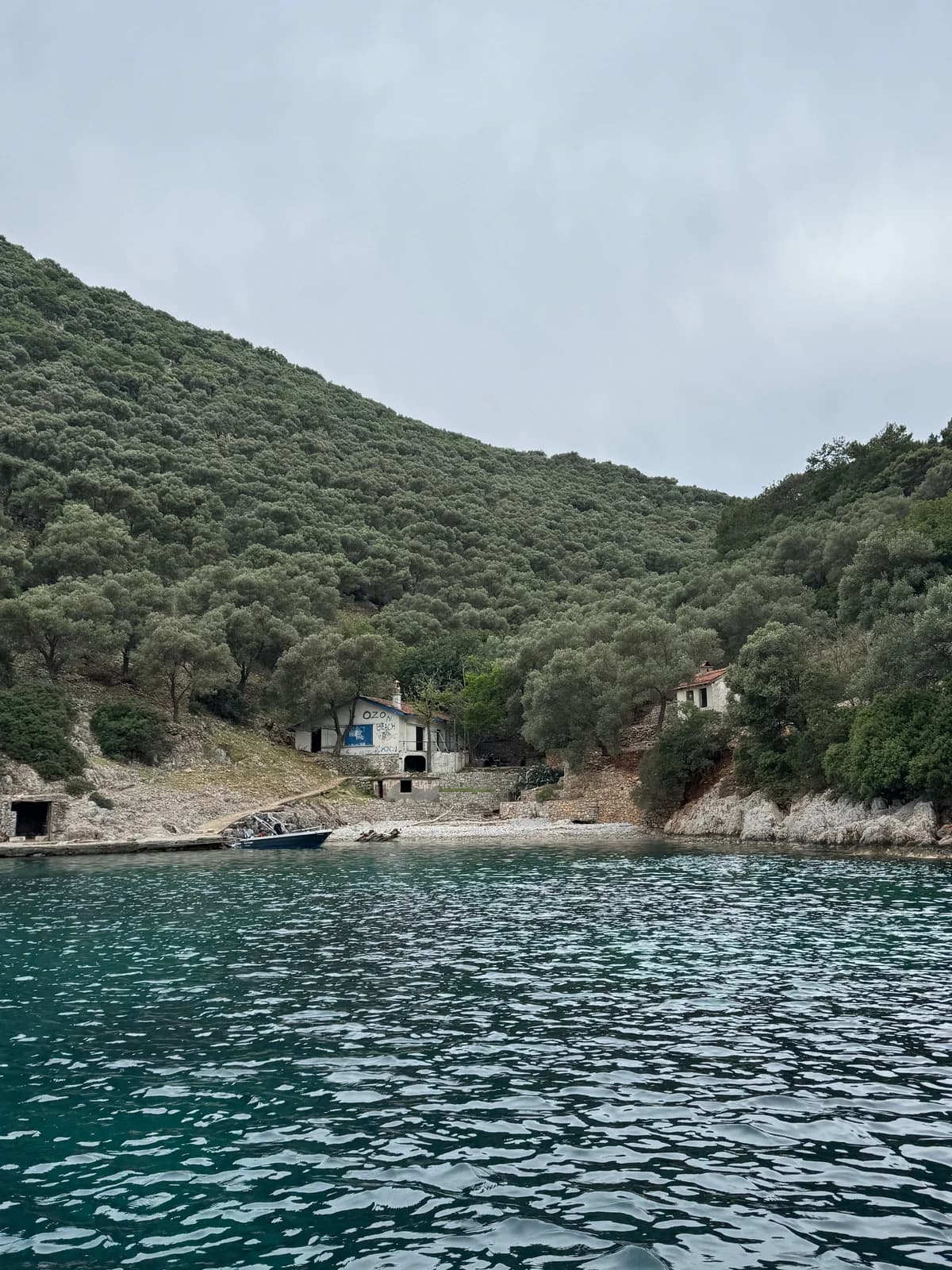
For the beach, head toward the Raduča peninsula and Mala Raduča Beach, known for calm, clear water and a softer shoreline than you'll find on much of this stretch of coast, which tends toward pebble and rock. It's a solid choice if you're traveling with kids, since the shallow entry and gentler conditions make it easier to relax rather than manage a difficult shoreline.
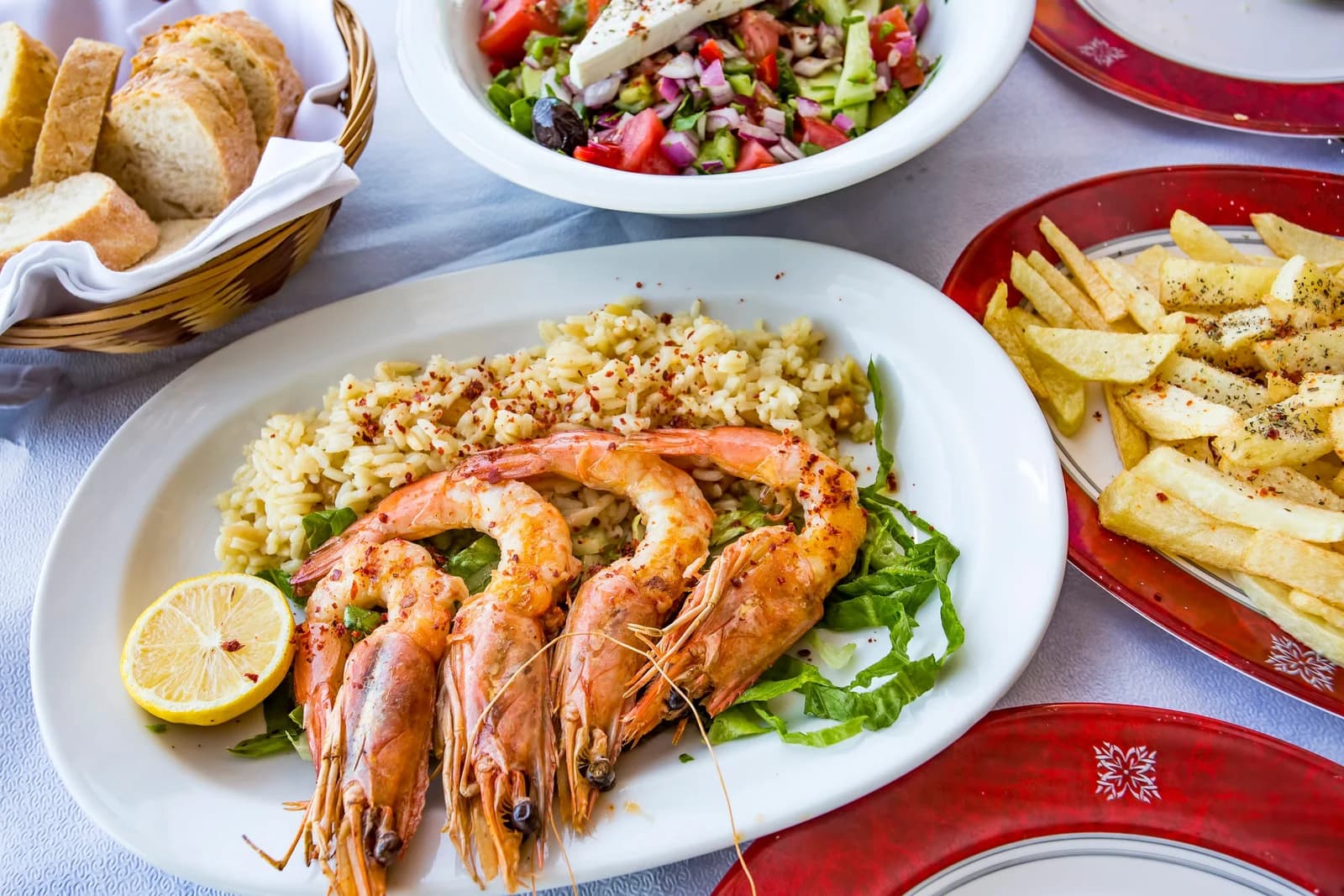
Food in Primošten leans heavily on seafood and Dalmatian tradition. Konoba Toni, on the seafront, is a frequently recommended spot for fresh fish and classic regional dishes, and Mediteran is another local favorite worth considering if you want a sit-down dinner by the water. Either gives you a reasonable sense of what Dalmatian coastal cooking looks like without needing to search far.
The area is also known for Babić, a robust red wine made from grapes grown in the stony vineyards around town, planted in distinctive dry-stone terraces that are themselves worth noticing as you drive in or out of Primošten. Local olive oil production is a point of pride too, and several small producers around town offer tastings.
Combining with nearby attractions
Krka National Park is close enough to pair with a Primošten visit, known for its waterfalls, travertine pools, and walking trails through dense greenery. A day ticket to the park varies in cost depending on the season, generally falling into a mid-range price bracket for a full day of access, with costs higher in peak summer months and noticeably lower outside the main season. If you're combining the two, plan Krka for the morning when trails are less crowded and save Primošten's old town and waterfront for a slower afternoon and evening.
Rogoznica, a short drive south, is a good jumping-off point if you want to rent a boat and explore the scattering of smaller islands and coves along this part of the Adriatic. Trogir and Šibenik, both close by, round out a longer itinerary if you have a few days to split between coastal towns.
Best time to visit
Summer brings the fullest version of Primošten, with festivals and folk events adding some noise and color to the old town, but also the thickest crowds and the warmest water for swimming. If you'd rather have the streets to yourself, the shoulder seasons and winter months offer a quieter, slower version of the town, with local markets still running and fewer tour groups working through the alleys. Winter is particularly good if your interest leans more toward architecture and atmosphere than beach time.
Practical tips
- Park outside the old town, near Plaza Luka or the Yacht Club, and walk in rather than trying to drive into the historic core.
- Wear comfortable shoes. The streets up to St. George's Church are steep stone steps, not a gentle incline.
- St. George's Church has free admission, so there's no need to plan around tickets for that stop.
- If you want to try Babić wine or local olive oil, ask at a small shop or konoba rather than expecting a dedicated large-scale tasting room.
- For accommodation, staying in the old town or out toward the Raduča peninsula gives a more authentic feel than larger resort-style hotels further out; Hotel Zora is a commonly recommended option with views over the town.
- Consider Krka National Park as a paired day trip, but go early to beat both the heat and the crowds.
FAQ
Is Primošten still technically an island?
No. It was an island until a causeway was built connecting it permanently to the mainland, though the old town still has the compact, defensible layout typical of an island settlement.
How long do you need to see Primošten?
A few hours covers the old town and church, but a full day lets you add a beach stop at Mala Raduča and a seafood dinner without rushing.
Can you visit Primošten without a car?
Yes. Buses and a train service both connect it to Šibenik and Split, and once you're in town everything worth seeing is within walking distance.
Is Primošten good for families?
Mala Raduča Beach, with its calmer water and softer shore, tends to work well for families with younger children, and the old town itself is flat and safe enough to wander on foot.
Whatever else you fit into a Dalmatian coast itinerary, Primošten earns its place through scale rather than spectacle. There's no single must-see monument pulling in crowds, just a small peninsula town that has held onto its shape since the 16th century, with a church at the top, water on three sides, and good wine in the hills behind it.
Reviews
Sign in and mark this place visited to leave a review.
No reviews yet.
Free Trip Planner
Plan your Croatia trip with our free planner
Build a day-by-day itinerary with AI suggestions, hand-picked places, and friends. Free forever — no credit card.