
Rio de Jeneiro Botanical Gardens
Rio de Jeneiro Botanical Gardens
Jardim Botânico, Jardim Botânico, Rio de Janeiro - State of Rio de Janeiro, Brazil Posted by Brandon B.Admin
Rio de Janeiro Botanical Gardens: A Living Monument in the City
The Rio de Janeiro Botanical Gardens, known locally as the Jardim Botânico, sit at the foot of the Tijuca massif in one of the city's most quietly prestigious neighborhoods, also called Jardim Botânico. This is not a manicured weekend park where you stroll for an hour and leave. It is a working scientific institution, a heritage landscape, and one of the most ecologically rich urban green spaces in South America, all at once. If you are spending any meaningful time in Rio, the gardens deserve at least half a day.
Founded in 1808, the institution has had more than two centuries to accumulate both plants and significance. The grounds cover roughly 140 hectares, though the area open to visitors is considerably smaller. Even so, you will not run out of things to see.
Why the Rio de Janeiro Botanical Gardens Matter
Most botanical gardens in major cities are essentially decorative. The Jardim Botânico is something different. It functions as a research center affiliated with the Brazilian Ministry of Environment, maintaining one of the most important plant collections in the tropics. The living collection includes thousands of species, and the gardens also house a significant herbarium used by botanists from around the world.
There is also the matter of the landscape itself. The avenue of imperial palms that lines the main entrance axis is probably the most photographed sight on the grounds, and for good reason. These palms, which can reach heights of around 30 meters, were planted in the early 19th century and create a corridor that feels genuinely theatrical. Walking beneath them, you understand immediately why this place has appeared in so many paintings and travel photographs over the decades.
Beyond spectacle, the gardens protect Atlantic Forest fragments, a biome that has been reduced to a fraction of its original extent. Standing inside the forested sections here, it is easy to forget that you are minutes from Ipanema and Leblon.
Quick Facts
- Founded in 1808 by order of the Portuguese Prince Regent, later King João VI
- Located in the Jardim Botânico neighborhood, roughly 10 minutes by car from Ipanema
- Total area of approximately 140 hectares
- Admission is inexpensive, with reduced rates for students and free entry for children under a certain age
- Open Tuesday through Sunday; closed on Mondays
- On-site café and a small gift shop near the entrance
- Home to a resident population of marmosets, toucans, and other wildlife
Getting There
The main entrance is on Rua Jardim Botânico, which runs along the eastern edge of the grounds. From Ipanema, the walk takes roughly 25 to 30 minutes along Rua Jardim Botânico heading toward the Lagoa Rodrigo de Freitas. Taxis and ride-share apps bring you here quickly and cheaply from most of the Zona Sul neighborhoods. There is no metro stop directly at the gardens, so if you are coming from further afield, a bus or ride-share from the nearest metro station is the practical option.
Street parking exists in the surrounding neighborhood but the streets are narrow and can fill up on weekends. Arriving on foot or by car from the lagoa side tends to be the most straightforward approach.
The Layout and Experience
The gardens are organized around a central axis anchored by that famous palm avenue, with radiating sections devoted to different plant families and ecosystems. You will find a rose garden, an orchid greenhouse, a section dedicated to Amazonian water lilies, a Japanese garden, and several shaded groves where the canopy closes overhead and the temperature drops noticeably.
The orchid house is worth slowing down for. The collection is extensive and, depending on when you visit, something is almost always in bloom. The giant water lily pond, featuring Victoria amazonica with its enormous floating pads, tends to attract the most visitors after the palm avenue itself.
Signage throughout the grounds is in Portuguese, though plant labels generally include Latin names which helps if you have any botanical knowledge. The paths are mostly paved or compacted gravel and manageable for most visitors, though some sections become uneven near the forest edges.
Marmosets are a constant presence. They are wild animals and the gardens ask you not to feed them, a sign you will see posted repeatedly. They tend to ignore humans entirely unless food is visible.
History and Background
The gardens were originally established to acclimatize spice plants, particularly black pepper and cloves, that the Portuguese crown wanted to cultivate in Brazil. The location was chosen partly because of a gunpowder factory that had operated nearby, which left infrastructure the new botanical project could use. Over the following decades the mission shifted from commercial agriculture to scientific research and conservation, a transition that shaped the institution into what it is today.
The 19th century brought significant expansion and the gardens became a fashionable destination for Rio's social elite as well as a site of serious botanical work. The imperial palms that define the visual identity of the entrance were among the plantings from that formative early period. The tree that fathered all the imperial palms in the gardens, known locally as the "Palma Mater," died in 1972, but its descendants still line the avenue.
In 1992 the gardens hosted part of the Earth Summit, the United Nations Conference on Environment and Development, which put Rio on the global map for environmental diplomacy. That legacy is not forgotten here.
Best Time to Visit
Rio's climate means the gardens stay green year-round, but the experience varies quite a bit by season. The Southern Hemisphere summer, roughly December through March, brings intense heat and afternoon downpours that can be dramatic and brief or long and soaking. Morning visits during this period are strongly advisable, ideally before 10am, both for the cooler temperatures and the light, which falls softly through the canopy in the early hours.
The drier months from June through September offer more reliable weather for longer visits. Weekdays are noticeably quieter than weekends, when families and school groups arrive in numbers. If you want the palm avenue to yourself for photographs, a Tuesday or Wednesday morning in the dry season is close to ideal.
Photography Tips
The palm avenue shoots best in early morning light when the sun is low and the shadows fall long and parallel down the path. By midday the overhead light flattens everything. The orchid house presents the opposite challenge: the interior is dim, so a wider aperture or a camera that handles low light well makes a real difference.
The giant water lily pond often mirrors the sky on calm mornings, which gives you a natural double image if you shoot from a low angle at the edge of the pond. The forested sections reward patience, particularly if you are hoping to photograph marmosets or birds in anything other than a blur.
Combining with Nearby Attractions
The Jardim Botânico neighborhood sits between Lagoa Rodrigo de Freitas and the Tijuca Forest, which means you can build a full day without moving far. The lagoa itself is a pleasant walk or bike ride away, with food kiosks and views of Corcovado. Instituto Moreira Salles, a cultural center with strong photography and art collections, is a short walk up Rua Marquês de São Vicente and well worth the detour.
Parque Lage, at the base of Corcovado mountain and about 10 minutes away by car, pairs naturally with a visit here. Its neoclassical mansion houses a well-regarded art school and a café that is popular on weekends. The two parks together make a full and satisfying day in the green belt that runs between the Zona Sul and the Tijuca massif.
Practical Tips
- Wear comfortable shoes. Some paths near the forest edge are uneven.
- Bring water, especially in summer. The café is convenient but having your own bottle helps during longer walks.
- Sunscreen and a hat matter more than you might expect, since large sections of the grounds are open to direct sun.
- The gardens are closed on Mondays, a detail that catches many visitors off guard.
- Buy your ticket at the entrance booth. Entry is inexpensive and typically does not require advance booking.
- Do not feed the marmosets. Beyond the ecological reasons, they can bite.
- If you are visiting during a public holiday, expect larger crowds and consider arriving right when the gates open.
FAQ
How long should I plan to spend at the Rio de Janeiro Botanical Gardens?
Most visitors spend between two and four hours, depending on how much they linger in the greenhouses and forest sections. Budget half a day if you want to explore thoroughly without rushing.
Is the garden accessible for visitors with mobility limitations?
The main paths and central axis are paved and generally accessible. Some of the more naturalistic sections toward the forest interior are rougher and may be difficult for wheelchairs or strollers.
Can you eat inside the gardens?
There is a café on the grounds where you can get snacks and light meals. Outside food is generally tolerated in the open areas, though you should expect the marmosets to take an interest.
Is it safe to visit?
The gardens themselves are considered safe during opening hours. The surrounding Jardim Botânico neighborhood is one of Rio's quieter residential areas. Standard urban awareness applies, as it does anywhere in the city.
Are guided tours available?
Guided visits are offered periodically, and some tour operators include the gardens on broader Rio itineraries. Check with the gardens directly for scheduled group tours, as availability tends to shift by season.
Reviews
Sign in and mark this place visited to leave a review.
No reviews yet.
Free Trip Planner
Plan your Brazil trip with our free planner
Build a day-by-day itinerary with AI suggestions, hand-picked places, and friends. Free forever — no credit card.
Related reading

Things to see near Rio de Jeneiro Botanical Gardens

Ipanema Beach
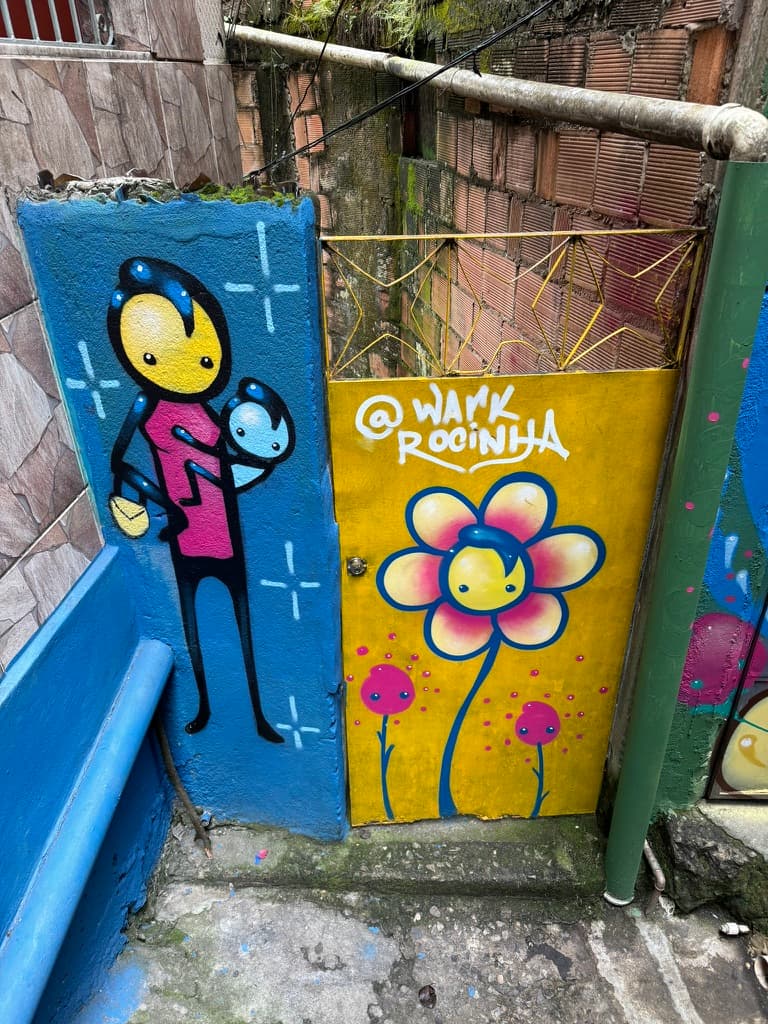
Rocinha Favela

Square Nossa Senhora da Paz
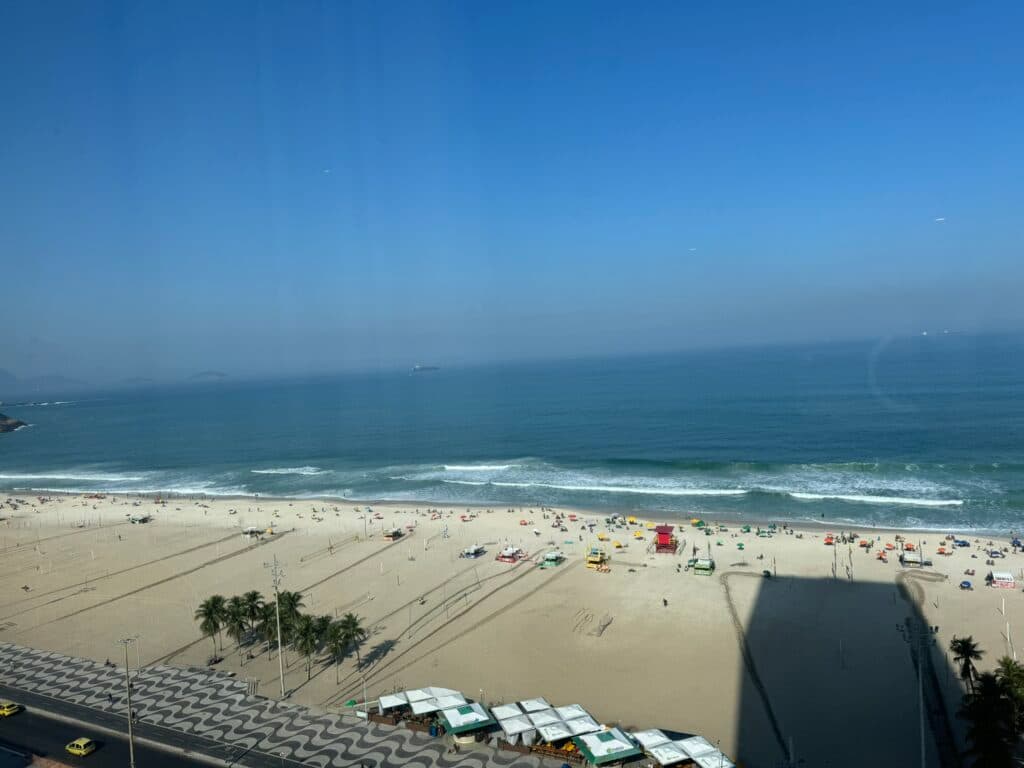
Copacabana Beach
Places to eat or drink near Rio de Jeneiro Botanical Gardens

Paris 6

Tapí Tapioca e Açaí

Uruguay Tent

Adega do Cesare
More places in Rio de Janeiro

Cabo Frio

Aconchego Carioca

Lasai
