Royal Opera House Ruins
Royal Opera House Ruins
Pjazza Teatru Rjal, Triq Ir-Repubblika Casa Cassar Il-Belt Valletta, Il-Belt Valletta VLT 1050, Malta Posted by bazartravelsAdmin
Royal Opera House – Valletta, Malta
Overview
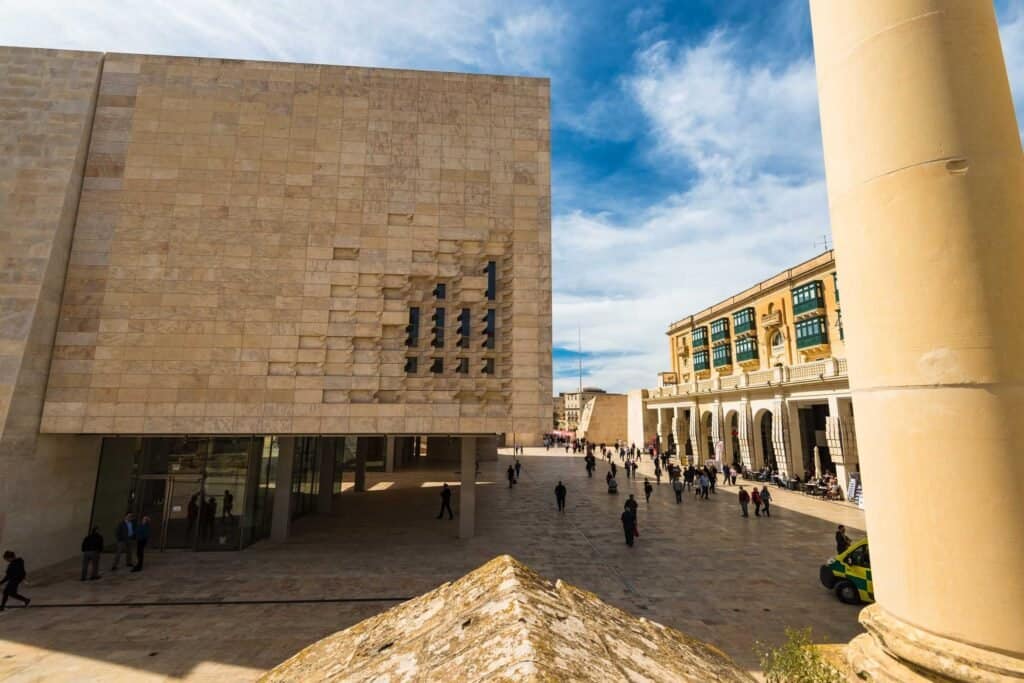
The Royal Opera House, also known as the Royal Theatre, is one of Valletta’s most poignant landmarks — a magnificent cultural venue that was destroyed during World War II and now lives on as an open-air performance space. Originally designed by the English architect Edward Middleton Barry and inaugurated in 1866, the Royal Opera House was one of the finest theaters in Europe, showcasing the grandeur of Malta’s artistic scene. Though bombed in 1942, its ruins have been transformed into Pjazza Teatru Rjal, a striking outdoor venue that combines history, architecture, and performance. Today, it symbolizes resilience, creativity, and Malta’s enduring love of the arts.
Why Visit
- Explore the dramatic remains of one of Europe’s great 19th-century theaters
- Attend an open-air concert, opera, or cultural event at Pjazza Teatru Rjal
- Learn about Valletta’s history during World War II and its rebuilding efforts
- Admire the blend of neoclassical ruins with modern architectural interventions
- Visit a site that embodies Malta’s cultural identity and resilience
Highlights
- The Neoclassical Columns: Surviving elements of the original 1866 theater, standing proudly against the skyline
- Pjazza Teatru Rjal: A modern open-air performance venue designed by renowned Italian architect Renzo Piano
- Evening Performances: Concerts and theatrical events that transform the ruins into a living cultural space
- Historic Atmosphere: A chance to stand among the ruins while reflecting on Malta’s wartime history
History & Cultural Significance
The Royal Opera House was commissioned in the mid-19th century by the British colonial government, with Edward Middleton Barry — the architect behind London’s Covent Garden — designing the neoclassical masterpiece. It quickly became Malta’s premier cultural venue, hosting operas, plays, and concerts that drew international performers. In 1873, a devastating fire caused major damage, but the theater was restored and reopened, continuing to serve as a hub of artistic life. However, tragedy struck again in 1942 when the building was bombed during World War II, leaving it in ruins. For decades, it stood as a reminder of the destruction of war, until a redevelopment plan transformed the space into Pjazza Teatru Rjal in 2013. Today, the Royal Opera House remains a symbol of resilience, cultural heritage, and the blending of past and present.
Typical Costs & Tickets
Visiting the ruins of the Royal Opera House is free during the day, as it is located in a public square. Tickets for performances at Pjazza Teatru Rjal vary depending on the event, usually ranging from €10–€40 ($11–$45 USD). Booking in advance is recommended, especially for major productions or concerts during festival season.
Best Time to Visit
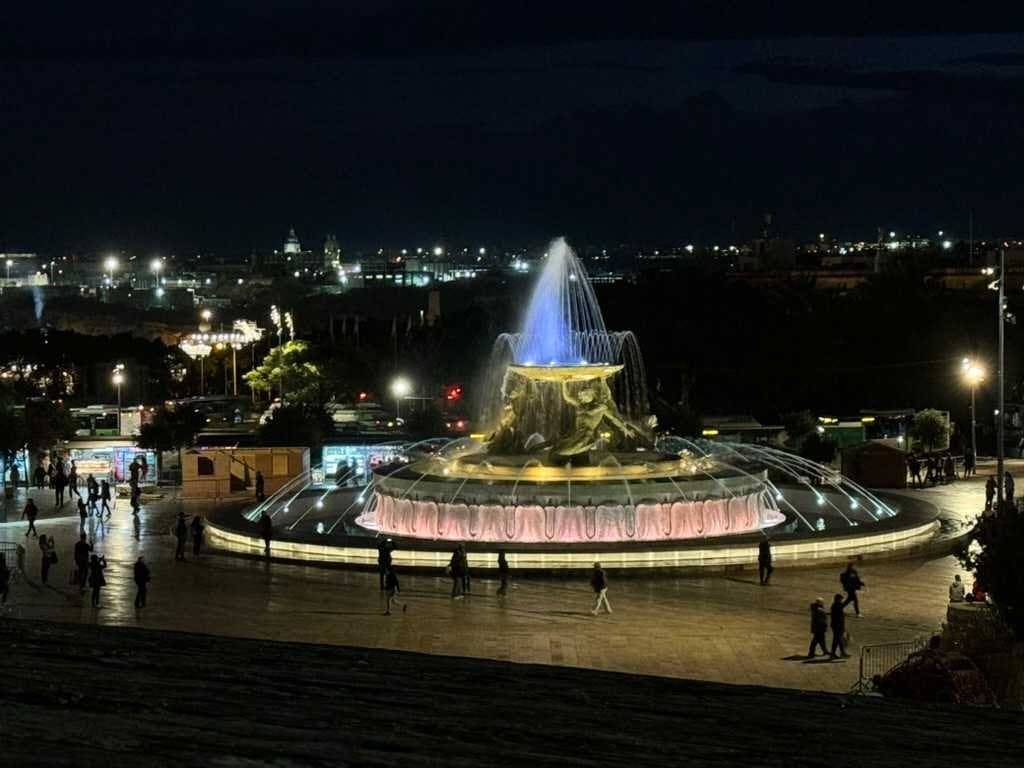
The Royal Opera House can be visited year-round, but the best experience is attending an evening performance when the open-air setting and illuminated ruins create a magical ambiance. Summer months are particularly popular for concerts and cultural festivals, while winter visits provide quieter opportunities to admire the architecture and history without the crowds.
Nearby Experiences
Situated
Reviews
Sign in and mark this place visited to leave a review.
No reviews yet.
Free Trip Planner
Plan your Malta trip with our free planner
Build a day-by-day itinerary with AI suggestions, hand-picked places, and friends. Free forever — no credit card.