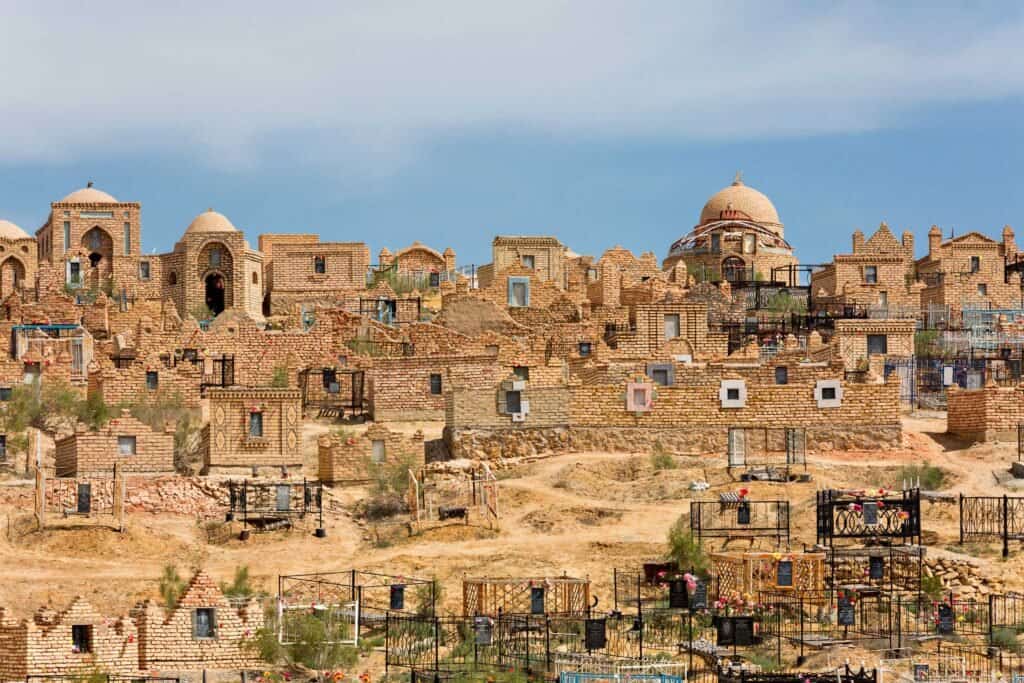
Savitsky Nukus Museum of Art
Closed now
Savitsky Nukus Museum of Art
Savitsky Nukus Museum of Art, Nukus, Republic of Karakalpakstan, Uzbekistan Posted by bazartravelsAdmin
Savitsky State Museum of Art – Nukus, Uzbekistan
Overview
The Savitsky State Museum of Art in Nukus is one of Uzbekistan’s cultural treasures and a true hidden gem of Central Asia. Often nicknamed the “Louvre of the Steppe,” this museum houses the world’s second-largest collection of Russian avant-garde art, alongside an extraordinary display of traditional Karakalpak folk art, ancient archaeological artifacts, and Central Asian applied crafts. Founded by Russian artist and collector Igor Savitsky in the mid-20th century, the museum’s existence is a remarkable story of passion and defiance, as Savitsky rescued and preserved artworks banned by Soviet authorities. Today, it stands as one of the most unexpected and rewarding cultural experiences in Uzbekistan.
Why Visit
- See one of the world’s greatest collections of Russian avant-garde art outside Moscow and St. Petersburg
- Learn the fascinating story of Igor Savitsky, who risked his career to preserve banned artworks
- Discover unique Karakalpakstan folk art, textiles, and jewelry
- Explore Central Asian archaeological finds from Khorezm and beyond
- Visit one of the most unusual museums in the world, located in the remote desert city of Nukus
Highlights
- Russian Avant-Garde Collection: Over 90,000 works, including paintings by forgotten artists suppressed during Stalin’s rule
- Karakalpak Art: A rare insight into the traditions, costumes, and crafts of the Karakalpak people
- Archaeology Wing: Ancient artifacts from Khorezm fortresses and Silk Road settlements
- Applied Arts: Jewelry, embroidery, ceramics, and textiles reflecting Central Asia’s rich artistic heritage
- Savitsky’s Story: Learn how one man’s determination created one of the most important museums in the Soviet era
History & Cultural Significance
The museum was founded in 1966 by Igor Savitsky, a painter, ethnographer, and passionate art collector. While working in Karakalpakstan, Savitsky began to collect not only local folk art but also works of Russian avant-garde painters whose art had been condemned as “degenerate” by Soviet authorities. Many of these artists were silenced, and their paintings faced destruction. By transporting them to the remote city of Nukus, far from Moscow’s watchful eye, Savitsky managed to safeguard an entire movement of art. Over time, he built a collection of more than 90,000 pieces, making the Savitsky Museum a cultural miracle. Today, it remains a symbol of resistance, artistic freedom, and the preservation of cultural memory in Central Asia.
Typical Costs & Tickets
Entrance to the Savitsky Museum costs around 50,000–70,000 UZS (approximately $4–$6 USD). Guided tours are highly recommended and usually available in English, Russian, or Uzbek for an additional fee of around 100,000 UZS ($8–$10 USD). Photography may require a separate ticket. For visitors booking through tour companies, entrance is often included in package prices.
Best Time to Visit
The museum can be visited year-round, as it is an indoor attraction. However, the best time to travel to Nukus and the surrounding Karakalpakstan region is spring (April–May) and autumn (September–October), when desert temperatures are more comfortable. Visiting earlier in the morning is recommended to avoid crowds and to have more time to explore the extensive collection.
Nearby Experiences
A trip to Nukus and the Savitsky Museum often pairs well with exploring the wider Karakalpakstan region. Nearby highlights include the ancient Khorezm fortresses such as Toprak Kala and Ayaz Kala, part of the so-called “Fifty Fortresses of Khorezm.” Travelers can also journey toward the Aral Sea for a sobering yet fascinating look at the region’s environmental history. Within Nukus itself, visitors can explore local markets and taste Karakalpak cuisine, known for hearty dishes influenced by nomadic traditions.
Travel Tips
- Plan at least 2–3 hours to fully explore the museum’s vast collection
- Hire a knowledgeable guide to understand the context of the Russian avant-garde works
- Photography often requires a separate ticket — check at the entrance desk
- Combine your visit with a tour of Karakalpakstan’s fortresses and desert landscapes
- Bring cash for tickets and souvenirs, as card payments are not always reliable
Fun Facts & Local Legends
- The museum holds around 90,000 works of art — making it the second-largest collection of Russian avant-garde art in the world
- Igor Savitsky personally rescued many of the works by hiding them from Soviet authorities
- The museum’s remote location in Nukus helped protect its collection from censorship
- Because of its location in the desert, the museum is sometimes called the “Louvre of the Sands”
Opening hours
Reviews
Sign in and mark this place visited to leave a review.
No reviews yet.
Free Trip Planner
Plan your Nukus trip with our free planner
Build a day-by-day itinerary with AI suggestions, hand-picked places, and friends. Free forever — no credit card.