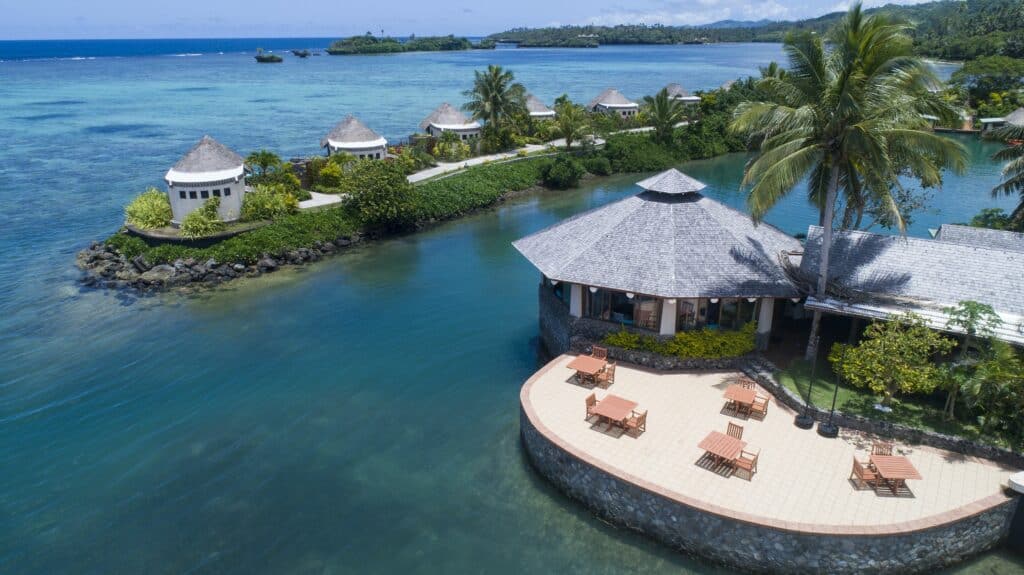
Savusavu Hot Springs
Savusavu Fiji Posted by Brandon B.Admin
Overview
Savusavu Hot Springs sit in the northeastern corner of Vanua Levu, Fiji's second-largest island. The geothermal springs are a defining feature of this quiet coastal town, where volcanic activity beneath the surface keeps several pools and seeping vents warm year-round. Unlike the resort-heavy islands to the south, Savusavu feels unhurried. The hot springs are accessible to visitors without the formality of a major attraction, which means you can experience them on your own schedule.
The area around the springs mixes local daily life with tourism infrastructure. You'll find small shops, a few modest restaurants, and guesthouses within walking distance. The town itself sits on a natural harbor, and the combination of geothermal features and coastal setting gives Savusavu a distinct character within Fiji.
Why this place matters
Savusavu Hot Springs represent one of the few accessible geothermal experiences in Fiji. The springs are a product of the volcanic geology that shaped Vanua Levu, and they've been known to locals for generations. For visitors, they offer a tangible connection to the island's geological story without requiring a boat trip or specialized equipment.
The springs also anchor the local economy and identity. They're central to how Savusavu markets itself and how residents relate to their landscape. Visiting them means engaging with a place that matters to the community, not just passing through.
Quick facts
- Location: Savusavu town, Vanua Levu, Fiji
- Main springs: Several pools and natural vents scattered across the town area
- Water temperature: Varies by pool, typically warm to hot depending on proximity to vents
- Accessibility: Open and accessible most days, no formal entrance fee
- Distance from Savusavu airport: Approximately 15 to 20 minutes by vehicle
- Best visited: During the dry season, May to October
Getting there
Savusavu has a small airport that receives regional flights from Nadi International Airport. The flight takes roughly one hour. Once you land, the town is compact enough to reach the hot springs within 20 minutes by taxi or rental vehicle.
If you're already on Vanua Levu, Savusavu is accessible by road. The drive from other parts of the island varies, but the town's location on the northeast coast makes it a logical destination if you're exploring that region.
Walking is viable if you're staying in central Savusavu. The main springs are distributed through and around the town rather than concentrated in one zone, so you'll naturally encounter them as you explore the streets and waterfront.
The layout and experience
Savusavu Hot Springs aren't a single managed site. Instead, they're scattered across the town in the form of public pools, private resort pools, and natural seeping vents. The main experience involves walking through town, spotting thermal features, and deciding which ones to visit based on access and temperature preference.
Some springs are fenced or attached to resorts, requiring permission or a fee to use. Others are openly accessible. The local knowledge varies by where you ask, so talking to your guesthouse host or a shop owner often reveals which pools are welcoming to visitors on any given day.
The water itself ranges from pleasantly warm to quite hot. Some pools are suitable for soaking; others are too hot for prolonged immersion. The mineral content gives the water a distinctive feel, and the sulfurous smell is unmistakable. This isn't a polished spa experience. It's geothermal water in a working town.
Main highlights
The primary draw is the sensation of warm water in a tropical setting. Soaking in one of the accessible pools while looking out toward the harbor or the surrounding vegetation creates a striking contrast to typical pool or beach experiences.
Watching the steam rise from certain vents, especially in early morning, offers a visual reminder of the geological forces at work. The smell of minerals and sulfur is strong enough to be memorable, and some visitors find it off-putting while others consider it part of the authenticity.
Walking the town and discovering different springs teaches you the local geography. You'll pass shops, homes, and community spaces as you move between pools, which gives context to how the springs fit into daily life rather than being isolated in a park.
History and background
Vanua Levu sits on a geologically active zone, and the hot springs are a direct result of volcanic and geothermal activity beneath the island. The springs have existed for millennia, long before Fiji became a tourist destination. Local communities have always known about them and used them for bathing and other purposes.
The modern tourism industry in Savusavu developed relatively recently compared to other parts of Fiji. The hot springs became a selling point as the town attracted visitors seeking an alternative to the crowded resorts of the south. This history means Savusavu retains more of a frontier feel than polished resort towns, and the springs remain somewhat informal and community-integrated rather than packaged as an attraction.
Best time to visit
The dry season runs from May through October. During these months, rainfall is less frequent, the humidity is lower, and the weather is generally more stable. This makes it the ideal window for visiting Savusavu Hot Springs and exploring the surrounding area.
The wet season, November through April, brings heavier rain and higher humidity. The springs themselves don't close, but access can become muddy, and the frequent rain may discourage extended soaking. That said, fewer tourists visit during the wet season, so if you prefer solitude, timing a visit then might appeal.
Temperature in the water remains warm year-round, so seasonal timing is more about comfort and convenience than the availability of heat.
Facilities and preparation
There are no changing rooms or formal facilities at most of the natural springs. If you plan to soak, bring a swimsuit and a towel. Some resorts that have hot spring pools on their property may allow day-use access for a fee, and these typically have changing facilities.
Wear water shoes or sandals if you're sensitive to walking on rocky or uneven ground. The areas around the vents can be hot and sharp. Sunscreen is essential even though the water feels cool; the tropical sun is intense.
Bring drinking water. The mineral content of the spring water makes it unsuitable for drinking, and the town's tropical heat will dehydrate you quickly.
Photography tips
Early morning light creates good conditions for photographing steam rising from the vents. The angle of the sun at dawn makes the mist more visible and the colors warmer. Arrive before mid-morning if dramatic steam shots are your goal.
The contrast between the thermal features and the surrounding vegetation or town creates compelling compositions. Include some context rather than photographing the water in isolation.
Be respectful when photographing people. The springs are part of the town, and locals live and work nearby. Ask permission before including people in your shots.
Combining with nearby attractions
Savusavu is a good base for exploring Vanua Levu's northeast. The Savusavu Coral Reef is accessible by boat and offers snorkeling and diving opportunities. Several small islands and bays within an hour's boat ride provide day-trip options.
The town itself has a few small cultural sites and shops worth exploring. The waterfront area is pleasant for walks, and the harbor is active with fishing boats and small vessels, giving you a sense of local maritime life.
If you have more time, consider staying in Savusavu for a few days to decompress. The pace is slow, which suits the experience of soaking in hot springs and absorbing the character of a quiet Fijian town.
Sample visit plan
Start early in the day. Have breakfast at your guesthouse or a local cafe, then ask your host or a shopkeeper which springs are accessible and welcoming that day. The information changes slightly based on tides, recent weather, and local activity.
Spend the mid-morning walking to one or two springs that appeal to you. Soak for as long as you're comfortable. The water temperature varies, so you may want to test it with your foot first.
Take a break for lunch at one of the town's restaurants. Then, either return to another spring or spend the afternoon exploring the town, the harbor, or arranging a boat excursion if you're interested in diving or snorkeling.
Return to a spring in late afternoon if you enjoy the experience. The light shifts, and the crowd thins. Sunset from the water, if you can time it, is memorable.
Practical tips
- Talk to locals. Your guesthouse host, a shop owner, or a taxi driver can tell you which springs are best on any given day and whether access is open.
- Bring cash. Many small businesses in Savusavu don't accept cards, and ATMs aren't always reliable.
- The sulfur smell is normal. It indicates geothermal activity, not pollution. It fades quickly from your skin and clothes after rinsing.
- Some springs are hotter than others. Dip your hand or foot first to gauge temperature before immersing yourself fully.
- Respect private property. If a spring is fenced or on someone's land, ask before entering.
- The town is small, so a half-day is usually enough to visit the springs. Use the rest of your time for other activities or simply relaxing.
FAQ
Do I need to pay to use the hot springs? Most of the natural springs are free to access, but some may be on private property or attached to resorts. Always ask locally before assuming access is open. Some resorts allow day-use for a fee.
Are the springs safe to soak in? Yes, the springs are used regularly by locals and visitors. The temperature and mineral content vary, so test the water before entering. If you have sensitive skin, rinse with fresh water afterward.
What's the closest accommodation to the springs? Savusavu has several guesthouses and small resorts within walking distance of the springs. Your location depends on where you book, but the town is small enough that most lodging is reasonably close.
Can I visit the springs if it's raining? Yes, but rain makes the ground muddy and the experience less comfortable. The springs themselves don't close during rain.
How long should I spend at the hot springs? Most visitors spend one to two hours soaking and exploring. If you're visiting multiple springs or spending more time, budget half a day.
Reviews
Sign in and mark this place visited to leave a review.
No reviews yet.
Free Trip Planner
Plan your Fiji trip with our free planner
Build a day-by-day itinerary with AI suggestions, hand-picked places, and friends. Free forever — no credit card.