South African National Museum of Military History
South African National Museum of Military History
20 Erlswold Way Saxonwold, Johannesburg 2132 South Africa Posted by bazartravelsAdmin
South African National Museum of Military History
The South African National Museum of Military History sits in the leafy Johannesburg suburb of Saxonwold, occupying a striking Victorian mansion at 20 Erlswold Way. This museum traces South Africa's military past from the colonial era through the end of apartheid, offering one of the country's most comprehensive collections of weapons, uniforms, vehicles, and personal artifacts. Whether you're interested in social history or military hardware, the museum presents a complex and often contested narrative through its exhibitions, photographs, and restored equipment. Plan for at least three hours to move through the galleries without rushing.
Why this place matters
South Africa's military history is inseparable from its political history. The museum does not shy away from difficult subjects. Its collections document the Anglo-Zulu Wars, the South African Wars, and the armed struggle during apartheid, allowing visitors to encounter multiple perspectives on these conflicts. The building itself, a grand residence from the early 1900s, grounds the experience in a specific moment and place in Johannesburg's development.
For international visitors, the museum provides essential context for understanding contemporary South Africa. For South African visitors, it often prompts reflection on national identity and the cost of conflict. The museum's willingness to present contested history, rather than a single official narrative, makes it a serious rather than celebratory space.
Quick facts
- Located in Saxonwold, a northern Johannesburg suburb, approximately 15 minutes by car from the city center
- Housed in a Victorian mansion built in the early 1900s
- General admission covers the main building and outdoor display areas
- Guided tours are available and recommended for deeper context
- The museum operates most days but closes on certain public holidays
- Parking is available on-site
- Allow 2 to 4 hours depending on your level of engagement
Getting there
From Johannesburg's city center, head north toward Saxonwold. The museum's address, 20 Erlswold Way, is well-known to taxi drivers and ride-share services. If you're driving, use GPS navigation to locate the entrance on Erlswold Way itself. Street parking near the museum can be limited, so arriving before 10am increases your chances of on-site parking. Public transport in this area is not reliable for tourists, so arranging a ride through your hotel or a ride-share app is practical.
The suburb of Saxonwold is relatively safe during daylight hours, though you should avoid walking the streets at night. Most visitors arrive by car, Uber, or arranged transport.
The layout and experience
The museum unfolds across the Victorian mansion's multiple floors and rooms, plus an outdoor display area. Ground-floor galleries focus on early military campaigns and colonial conflicts, with exhibits moving chronologically upward through the building. Weapons, uniforms, and personal documents fill glass cases and wall-mounted displays. Photography of most exhibits is permitted, though some restricted areas exist.
The outdoor section features restored vehicles, artillery pieces, and larger equipment that would be impossible to display indoors. This area is partially covered but exposed to the elements, so visitors uncomfortable in sun or light rain may want to plan accordingly.
The museum can feel dense with information. Reading every placard takes considerable time. Many visitors read selectively or focus on particular periods. The layout is logical but not always clearly marked, so asking staff for directions to specific galleries is normal.
Main highlights
The personal effects of soldiers and resistance fighters form some of the museum's most affecting displays. Letters, diaries, photographs, and everyday objects humanize the abstract concept of military conflict. You'll encounter artifacts from individuals across different sides of South Africa's conflicts, offering glimpses into their lives and motivations.
The weapons collections are extensive, ranging from early rifles and handguns to heavy artillery and aircraft components. If military technology interests you, the detail and condition of these pieces is striking. The museum's restoration work is evident in the quality of the displays.
The exhibits covering the Anglo-Zulu War and the South African Wars (1880 to 1902) provide historical depth that many visitors find illuminating. These conflicts shaped modern South Africa's borders and demographics, and the museum presents them with appropriate complexity.
The apartheid era galleries occupy considerable space and are emotionally charged. These sections document the armed struggle from multiple viewpoints, including resistance movements, state security forces, and civilian experiences. The museum presents this period as contested history rather than settled fact, which can provoke reflection.
History and background
The museum was established to preserve South Africa's military heritage and opened to the public in its current location during the 1980s. The Victorian mansion that houses it reflects Johannesburg's wealth and architectural ambitions in the early 1900s, when the city was expanding rapidly following the gold rush. The building's period features, including its wooden floors, high ceilings, and original fireplaces, are part of the visiting experience.
The museum's collection has grown over decades through donations, acquisitions, and loans. The outdoor display area was added to accommodate larger vehicles and equipment that arrived as the collection expanded.
Tickets and entry
General admission is charged for entry to the museum. Tickets are purchased at the entrance desk. Prices are budget-friendly compared to international museums. Children under a certain age may enter free or at reduced rates. Student discounts are typically available with valid identification.
Guided tours can be arranged in advance or sometimes accommodated on the day of your visit, depending on staff availability. A guided tour adds depth and context, particularly for first-time visitors unfamiliar with South African history. Tours extend your visit by 1 to 2 hours depending on the guide's approach and your questions.
Photography of most exhibits is permitted without flash or tripods. Certain restricted areas exist, and staff will indicate them. Commercial photography requires permission.
Best time to visit
Weekday mornings tend to be quieter than weekends, allowing you to move through galleries at your own pace and ask staff questions without waiting. The museum's interior climate control is adequate, so temperature is not a major factor in choosing your visit time. However, if you plan to spend significant time in the outdoor display area, avoid peak afternoon heat.
School holidays can bring groups, which may affect the experience depending on your preference. The museum does not close for lunch, so you can visit continuously from opening to closing time.
Photography tips
Natural light in the Victorian mansion can be dim in some galleries, so a camera with good low-light performance or a willingness to increase ISO helps. The outdoor display area offers bright light and clear conditions for photography, particularly in the morning when shadows are less harsh.
Details matter more than grand sweeps in this museum. Close-up shots of plaques, uniform details, or weathered equipment often capture the museum's character better than wide-angle shots of full galleries. The building's architectural features, including its fireplaces and wooden staircases, photograph well and provide context for the exhibits.
Facilities and preparation
The museum has restroom facilities on-site. A small shop or information desk is present, though the range of merchandise or refreshments may be limited. There is no on-site cafe, so eating or drinking must happen elsewhere in Saxonwold or before/after your visit.
The building has stairs between floors, and some galleries are not wheelchair accessible. If mobility is a concern, inform staff at entry, and they can direct you to accessible areas and discuss limitations.
Bring comfortable walking shoes. The museum requires sustained standing and walking, and the floors, while attractive, can be hard on feet during a multi-hour visit. A small notebook is useful if you want to jot down exhibition details or questions for guides.
How it compares to similar places
South Africa has other military or history museums, but the National Museum of Military History in Saxonwold is the most comprehensive and centrally located for Johannesburg visitors. The Apartheid Museum, also in Johannesburg, covers overlapping historical ground but with a different focus and interpretation. The Military History Museum is more artifact-heavy, while the Apartheid Museum emphasizes documentary evidence and personal testimony.
Compared to military museums in Europe or North America, the South African National Museum of Military History is smaller but covers a less familiar historical arc. Its strength lies in its willingness to present contested history and its personal collections rather than grand displays of military hardware.
Combining with nearby attractions
Saxonwold and the surrounding northern suburbs of Johannesburg have limited additional tourist attractions within walking distance. The suburb is primarily residential. However, if you're spending time in Johannesburg, you can combine a visit here with stops at the nearby Apartheid Museum or the Johannesburg Museum in the city center, though these require separate trips.
Many visitors spend half a day at the Military History Museum and allocate their remaining time to other Johannesburg attractions. It works well as a morning visit, leaving your afternoon open for museums or restaurants in other neighborhoods.
Sample visit plan
Arrive by 10am to secure parking and avoid afternoon crowds. Spend the first 30 minutes in the ground-floor galleries, moving chronologically through early colonial history. Take 60 to 90 minutes for the Anglo-Zulu War and South African Wars sections, reading selectively but engaging with personal artifacts. Move upstairs for the 20th-century galleries, allocating 45 minutes to an hour. If the apartheid-era exhibits interest you, spend 60 to 90 minutes there. Finish with the outdoor display area, where 30 to 45 minutes allows you to walk among the vehicles and equipment without rushing. By 1pm, you'll have covered the essentials. If you've booked a guided tour, add 60 to 120 minutes to this timeline.
Practical tips
- Arrive early in the day for better parking and fewer visitors in galleries
- Consider a guided tour if you're unfamiliar with South African history, as context enhances understanding
- Read placard text selectively rather than attempting everything, which causes fatigue
- The outdoor display area can be muddy after rain, so wear appropriate footwear
- Bring water or cash to buy refreshments nearby, as the museum has limited food options
- Allow extra time if exhibits on specific periods (apartheid era, for example) are emotionally significant to you
- Ask staff to point out key galleries if you're short on time; they can help you prioritize
- Use the restroom before entering galleries, as finding facilities while navigating the building can be inconvenient
FAQ
How long should I spend at the museum? Most visitors spend 2 to 4 hours, depending on how deeply they engage with exhibits. A quick walk-through takes 90 minutes. A guided tour or thorough reading of placard text extends the visit to 4 hours or more.
Is the museum suitable for children? The museum contains weapons and military equipment, which interests some children. However, exhibits related to conflict and violence may not be appropriate for very young children. Families with teenagers often find the museum engaging and educational. Ask staff for guidance based on your child's age and interests.
Can I take photographs? Yes, photography is permitted in most areas without flash or tripods. Some restricted areas exist, and staff will indicate them at entry. Commercial photography requires permission.
Is there parking available? Yes, on-site parking is available, though spaces can be limited during busy times. Arriving before 10am increases your chances of convenient parking.
What should I know about the apartheid-era exhibits? These galleries present contested history and contain material related to violence and political conflict. The museum presents multiple perspectives rather than a single official narrative. If you have specific interests or sensitivities related to this period, inform staff, and they can guide you.
Reviews
Sign in and mark this place visited to leave a review.
No reviews yet.
Free Trip Planner
Plan your Johannesburg trip with our free planner
Build a day-by-day itinerary with AI suggestions, hand-picked places, and friends. Free forever — no credit card.
Things to see near South African National Museum of Military History
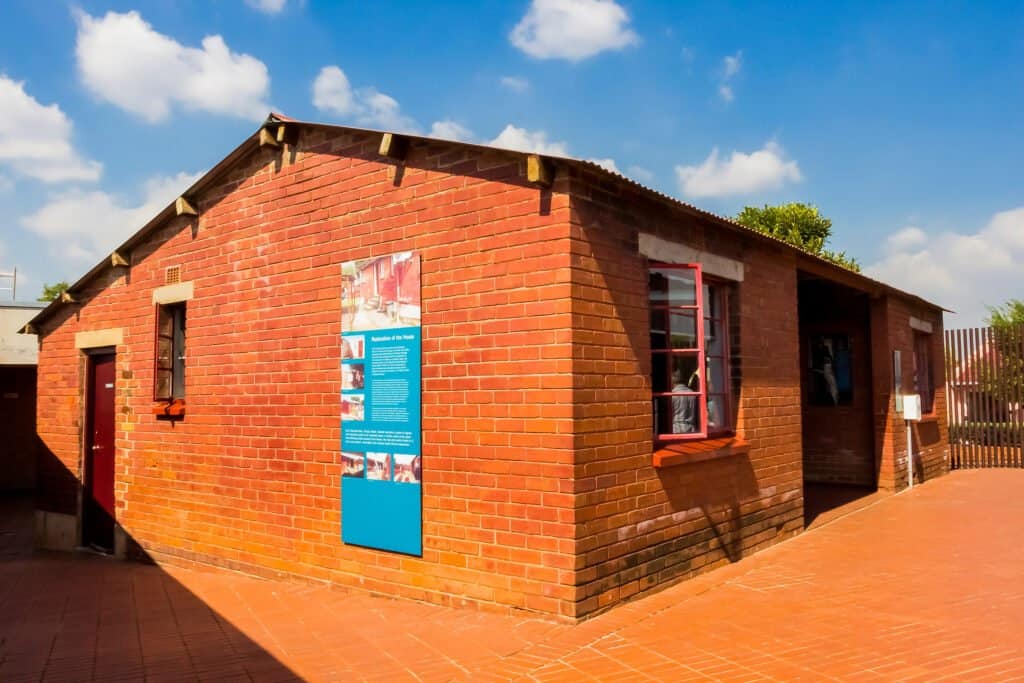
Nelson Mandela House
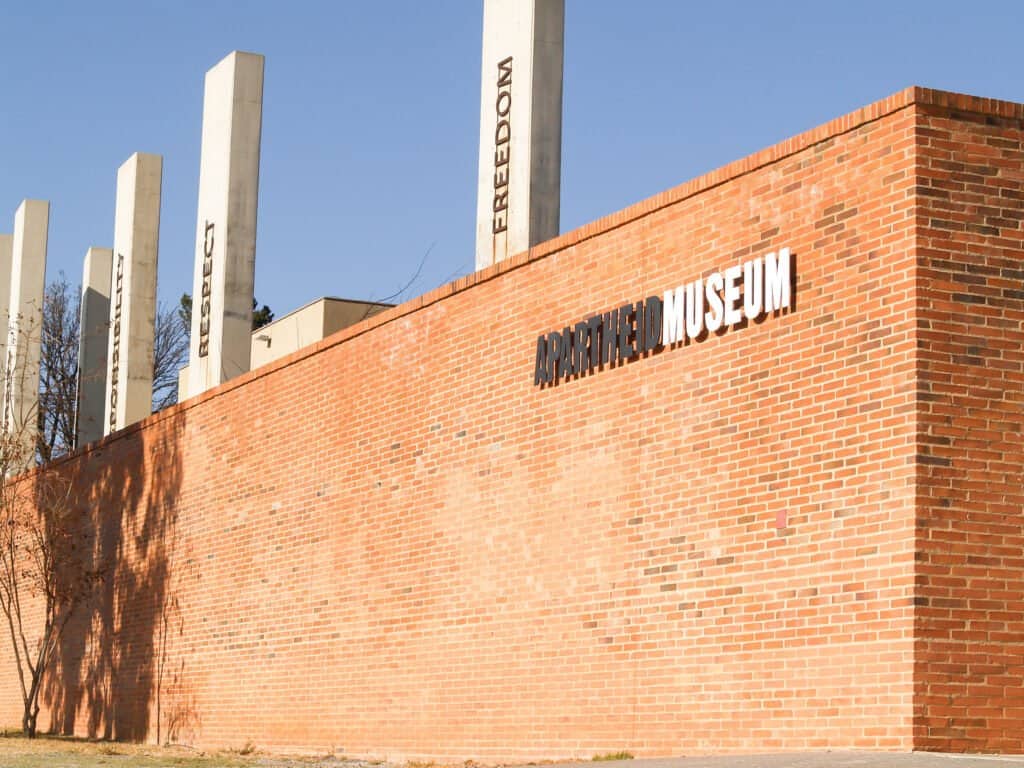
Apartheid Museum

Hector Pieterson Museum and Memorial

Victoria Yards
Places to eat or drink near South African National Museum of Military History

Dosa Hut

The Marabi Club

Flames Restaurant at Four Seasons Hotel The Westcliff

Level Four
More places in Johannesburg

The Grillhouse Rosebank

The Shortmarket Club Johannesburg