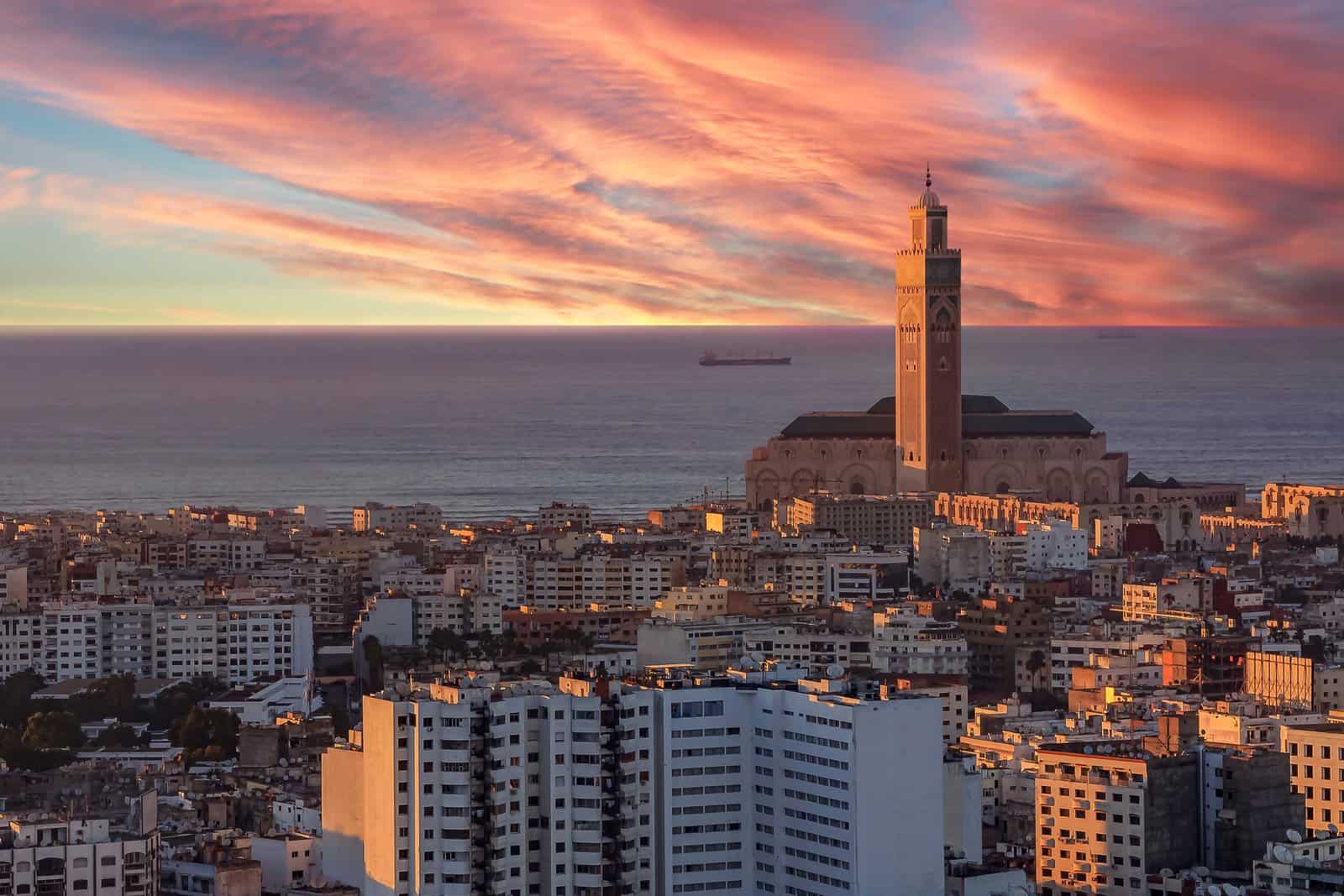
Tangier Beach
Tangier Morocco Posted by Brandon B.Admin
Tangier Beach: Where the Atlantic Meets the Mediterranean
Tangier Beach stretches along the northern edge of Morocco where the Atlantic Ocean and the Mediterranean Sea converge in one of the world's most geographically dramatic coastlines. The beach sits at the foot of the city of Tangier, running along the bay in a wide arc that faces northeast, which means the light changes dramatically throughout the day. If you've arrived from the ferry terminal or the medina, the seafront is rarely more than ten or fifteen minutes on foot from most central points in the city.
This is not a quiet resort beach. It's a city beach, with all the noise and energy that implies, and that's precisely what makes it worth your time.
Why Tangier Beach Matters
Tangier has been a meeting point for civilizations for more than two millennia. The beach itself reflects that layered identity. On any given afternoon you'll find local families setting up in the shallower stretches near the northern end, young Moroccans playing football near the waterline, and tourists from Europe who arrived by ferry that same morning. The mix is genuine, not curated.
The beach also carries a literary and artistic legacy that few stretches of sand anywhere can match. Writers, painters, and musicians passed through Tangier throughout the twentieth century, drawn by its position as an international zone and its reputation for creative freedom. Some of them spent mornings on this beach before retreating to the cafes of the Petit Socco. You're walking into a place that has held that kind of weight for a long time.
Quick Facts
- Location: Bay of Tangier, along the northeastern seafront, below the Boulevard Mohammed VI
- Access: Free and open to the public year-round
- Water: Positioned where Atlantic and Mediterranean currents meet, so temperatures and conditions vary by season
- Length: The main beach arc runs for roughly 4 kilometers
- Nearest landmark: The Grand Socco is about 10 to 12 minutes on foot uphill from the beach promenade
- Facilities: Sunbed and umbrella rentals available through private operators along the beach
- Best months: June through September for swimming; shoulder months for a quieter experience
Getting There
If you're coming from the medina or the Grand Socco area, head downhill toward the port and then follow the coastal boulevard. Most of the beach is accessible from Boulevard Mohammed VI, which runs parallel to the waterfront. The promenade sits above the sand and connects most of the beach's length, so you can walk along it and pick your entry point.
From the Tangier-Ville train station, the beach is about a 15-minute walk heading northwest toward the bay. Petit taxis are plentiful across the city and the fare to the beach from most central neighborhoods tends to be modest. If you arrive by ferry at the Tangier Med port, note that it sits roughly 40 kilometers east of the city, so you'll need to arrange ground transport into Tangier before heading to the beach.
The Layout and Experience
The beach sweeps in a broad crescent shape. The northern section, closest to the port area, tends to be more local in character and often busier with families on weekends and summer evenings. Moving south along the bay, the beach widens and the crowds thin slightly, with more private beach clubs and cafes set back from the sand.
The water is generally calmer toward the southern end of the bay. The northern tip, where the currents from the strait become more pronounced, can have stronger surf depending on the wind direction. Most days in summer the conditions are perfectly swimmable across most of the beach, but it's worth watching the water before going in if the wind is up.
The promenade above the beach is lined with cafes, juice stands, and small restaurants. In the evenings especially, this stretch comes alive. Families walk the length of it, vendors sell snacks, and the light over the strait turns colors that are genuinely hard to describe. This is one of those places where sitting still with a glass of mint tea for an hour is the correct decision.
History and Background
Tangier's position at the entrance to the Strait of Gibraltar made it strategically significant to Phoenicians, Romans, Arabs, Portuguese, and eventually European powers who administered it as an international zone from 1923 until Moroccan independence in 1956. During that international period, the city attracted a remarkable concentration of expatriates, artists, and writers. Paul Bowles, William S. Burroughs, Tennessee Williams, and Henri Matisse all spent time in Tangier, and the seafront was part of the city's social geography during those years.
The beach itself has changed considerably since then. Development along the promenade has accelerated since the 1990s, and the waterfront boulevard was modernized in the early 2000s as part of broader urban investment in the city. The older beach clubs and cafes that defined the mid-century scene are largely gone, replaced by newer establishments. What remains is the view, the water, and the specific quality of light that comes from sitting at the crossroads of two seas.
Best Time to Visit
July and August are the peak months. The beach fills up, particularly on weekends when Moroccans from other cities travel north to escape the interior heat. If you're visiting in summer and want to swim without navigating crowds, aim for weekday mornings before noon.
June and September offer a noticeably different experience. The water is still warm enough for swimming, the promenade is quieter, and the city itself feels less pressured. October through April the beach is largely the domain of locals and the occasional dedicated traveler. Swimming is possible on warmer days, but the wind off the strait can be sharp. The landscape is beautiful in winter though, and watching a storm move across the strait from the promenade is something you won't find in a summer guidebook.
Photography Tips
Shoot early. The morning light on the bay, with the hills of Spain faintly visible across the strait on clear days, is exceptional between roughly 7am and 9am. The haze that builds later in the day softens the distance and flattens the scene.
The promenade itself photographs well from the beach looking back toward the city. The layered white buildings climbing the hillside behind the seafront make for a strong background. For portraits or street photography, the evening hours when families and vendors fill the promenade tend to offer more natural activity and better ambient light than midday.
Combining with Nearby Attractions
The beach works naturally as part of a longer day in Tangier. Start at the Kasbah museum in the morning, which sits above the medina with views over the strait, then work your way down through the medina to the Grand Socco, and from there downhill to the seafront by early afternoon. That route covers the city's historical core and deposits you at the water with time to spare before evening.
Cap Spartel, the headland where the Atlantic and Mediterranean officially meet, is about 14 kilometers west of the city center and worth the short taxi ride. Combining a morning at Cap Spartel with an afternoon on Tangier Beach gives you both the dramatic geography and the urban beach experience in a single day.
Practical Tips
- Bring cash. Most beach vendors and chair rentals operate on a cash basis only.
- The promenade cafes range from very budget-friendly to mid-range depending on how far from the center you walk.
- If you're renting a sunbed or umbrella, agree on the price before sitting down.
- Women will find the beach more comfortable in terms of unwanted attention during weekday mornings and outside peak summer months.
- The water nearest the port area is not recommended for swimming due to boat traffic and water quality concerns.
- Moroccan sun is intense even in May and October. Sunscreen is essential and available at pharmacies throughout the city.
- The promenade is well-lit at night and considered safe for an evening walk, though standard urban awareness applies.
FAQ
Is Tangier Beach safe for swimming?
Generally yes, through most of the bay during summer months. Avoid swimming near the port and pay attention to current conditions at the northern end where the strait's currents can be stronger. There are no permanent lifeguard stations across the full length of the beach, so exercise normal caution.
Is the beach free to access?
Yes, the beach itself is public and free. You'll pay if you rent a chair, umbrella, or use facilities at one of the private beach clubs, but walking in and laying out a towel costs nothing.
Can I eat well near the beach?
The promenade has a solid range of options, from simple juice bars and sandwich stands to sit-down restaurants serving grilled fish and Moroccan staples. The seafood tends to be fresh and reasonably priced compared to European coastal cities. For a more serious meal, the restaurants in the medina are a short uphill walk away.
How crowded does it get in summer?
Very crowded on summer weekends, particularly in July and August. Weekday mornings are significantly quieter. If you're visiting in peak season and crowd-sensitive, plan your beach time for before noon on a weekday.
Reviews
Sign in and mark this place visited to leave a review.
No reviews yet.
Free Trip Planner
Plan your Morocco trip with our free planner
Build a day-by-day itinerary with AI suggestions, hand-picked places, and friends. Free forever — no credit card.