
Texas Capitol
1100 Congress Ave., Austin, TX 78701, USA Posted by bazartravelsTraveler
Overview
The Texas Capitol stands at 1100 Congress Avenue in downtown Austin, a pink granite building that dominates the landscape and serves as the seat of the Texas Legislature. Completed in 1888, it rises 308 feet from the ground to the tip of its dome, making it taller than the U.S. Capitol in Washington. The building anchors the heart of Austin's government district and draws visitors year-round who come to explore its public spaces, learn about Texas history, and understand how state government operates.
This isn't a quiet museum. On legislative days, the building pulses with activity. You'll encounter staffers moving between offices, groups gathering near the chamber entrances, and the genuine hum of a working government building. That energy distinguishes a visit here from a typical historical site. You're standing in a place where decisions affecting millions of Texans are actively made.
Why This Place Matters
The Texas Capitol represents both architectural ambition and political power. When it was built, Texas lawmakers chose to construct a statehouse grander than the nation's capital. The building was completed without a single dollar of debt, paid for entirely through land sales. That fact alone tells you something about how Texas saw itself at the end of the 19th century.
The Capitol also marks a turning point in Austin's development. Before its construction, Austin was a smaller city. The Capitol's completion transformed the city into a genuine capital and helped establish it as the administrative and cultural center of Texas. Walking through its halls, you're moving through spaces that have hosted every major political figure in modern Texas history.
Quick Facts
- Built in 1888 with pink granite from Burnet County, Texas
- Stands 308 feet tall from ground to dome tip, making it taller than the U.S. Capitol
- Free general admission tours available most days
- Located at 1100 Congress Avenue in downtown Austin
- Active legislative sessions occur January through May in odd-numbered years
- Guided tours last approximately 45 minutes to one hour
- Self-guided exploration of public areas is permitted
Getting There
The Texas Capitol sits directly on Congress Avenue, one of Austin's primary north-south thoroughfares. If you're driving, Congress Avenue connects easily to Interstate 35 and leads directly downtown. Paid parking is available in nearby lots and garages throughout the Capitol Complex and surrounding neighborhoods. Street parking exists but fills quickly during business hours and legislative sessions.
Public transit riders can take the MetroRapid or regular bus routes that serve Congress Avenue. The Capitol is within a 15-minute walk from the Downtown Austin Transit Center. If you're staying in central Austin, walking or biking are practical options. The Capitol grounds themselves are accessible from multiple entry points along Congress Avenue and the surrounding streets.
The Layout and Experience
The building's interior follows a cross pattern centered around the rotunda. Walking in, you immediately sense the scale. The rotunda rises upward through multiple stories, topped by a stained glass skylight that floods the space with natural light. Visitors often pause here just to look up.
Four main corridors branch from the rotunda, leading to different wings where legislative offices, committee rooms, and chambers are located. The House Chamber and Senate Chamber occupy prominent spaces, though access to active chambers depends on whether the legislature is in session and what business is occurring. Public galleries overlook both chambers when they're open to visitors.
The ground floor contains the Capitol Visitors Center, which provides orientation, restrooms, and information about tours and the building's history. From there, you can either join a guided tour or explore public areas independently. The main hallways feature portraits of Texas governors, historical photographs, and occasional exhibits about specific periods or figures in Texas history.
The basement level contains a small museum space with artifacts related to the Capitol's construction and use. Upstairs, the second and third floors hold more offices and committee spaces. Most of these areas are accessible during non-legislative hours, though some restricted areas protect ongoing business and security.
Main Highlights
The dome interior is the building's signature visual feature. The stained glass skylight creates patterns of colored light that shift throughout the day. If you visit in late morning or early afternoon, the light effect is most pronounced. The dome can be seen from many angles throughout the building, but the rotunda floor provides the best vantage point for looking straight up.
The House and Senate chambers themselves merit close attention. Both feature period details like wooden desks, ornate railings, and the formal arrangement of seating. Even when empty, these chambers convey a sense of the building's purpose and gravity. If the legislature is in session, observing from the public gallery gives you a real sense of how debates unfold and how representatives actually conduct business.
The Capitol's exterior granite construction deserves notice too. Walk around the building's perimeter and you'll see the quality of the stonework, the carved details above doorways, and the craftsmanship that went into its construction. The grounds include statues and monuments related to Texas history and significant figures.
History and Background
Texas lawmakers began planning a new capitol building in the 1880s. The previous capitol, built in 1853, had become inadequate for a growing state. In 1885, the legislature approved a design by the Chicago architectural firm Elijah E. Myers. Construction began in 1886 and continued until the building's completion in May 1888.
The construction was remarkable for its speed and its financing. The state funded the project through the sale of public lands, primarily in the Panhandle. This approach avoided debt and became a source of state pride. The building was completed under budget and on schedule, unusual for such an ambitious public project in that era.
The choice of pink granite from Burnet County, located about 40 miles northeast of Austin, kept the project rooted in Texas resources. Quarrying, cutting, and transporting the stone required significant logistical effort. Each piece had to be fitted precisely, and the stonework remains one of the building's most impressive features.
The Capitol has undergone renovation and restoration work over the decades, most recently a major project that lasted several years in the 2000s. That restoration preserved the building's original character while updating systems and improving accessibility. The exterior appearance today closely matches how the building looked when it opened.
Tickets and Entry
General admission to the Capitol is free. Guided tours are offered at no charge and are the most common way visitors experience the building. Tours depart at regular intervals throughout the day and typically last 45 minutes to one hour, depending on the guide and the specific route taken.
Tour availability varies based on legislative activity and maintenance schedules. During legislative sessions (January through May in odd-numbered years), some areas may be restricted or tours may be modified. It's wise to check the Capitol's website or call ahead if you're visiting during a session to confirm what spaces will be accessible.
Self-guided exploration of public areas is permitted when you're not joining a formal tour. The Visitors Center provides maps and information to help orient yourself. Some visitors prefer this approach, allowing them to move at their own pace and spend extra time in areas that interest them most.
Best Time to Visit
The Capitol functions year-round, but the experience varies significantly depending on the season and legislative calendar. If you want to see the building in active use with legislative activity visible, visit during a session. The regular session runs from January through May in odd-numbered years (2025, 2027, and so on). Special sessions can occur at other times when lawmakers are called back.
Outside of session periods, the building is quieter. Tours still run, and you can explore the chambers and hallways, but you won't encounter the energy of active government. Many visitors actually prefer the quieter periods because it's easier to move around and spend time looking at details without crowds.
Weekday mornings tend to be less crowded than afternoons or weekends. If you visit on a weekday morning when the legislature isn't in session, you'll have more space and fewer tour groups to navigate around. During peak tourist season (spring and summer), all times tend to draw larger groups.
Photography Tips
The rotunda is the most photographed space in the building. The stained glass skylight and the way light plays across the marble floor create compelling compositions. Morning light often works better than afternoon light for avoiding harsh shadows. Position yourself on the rotunda floor and shoot upward to capture the dome and skylight.
The chambers themselves offer interesting photography, but the railings and gallery seating can create visual clutter. Get closer if possible to isolate details like the desks, the Speaker's podium, or the Senate president's chair. These architectural and decorative elements photograph better than wide shots of the empty chamber.
The exterior granite shows detail in mid-morning or late afternoon light. Walk around the building's perimeter to find angles where the stone's color and texture are highlighted. The carved details above doorways and windows are worth capturing close-up.
Facilities and Preparation
The Capitol Visitors Center on the ground floor provides restrooms, water fountains, and information desks. It's a logical starting point for orientation. The building is climate-controlled throughout, so you'll be comfortable regardless of Austin's weather outside.
The Capitol is accessible to visitors with mobility challenges. Elevators serve the main floors, and accessible restrooms are located throughout the building. If you have specific accessibility needs, contact the Visitors Center staff when you arrive or call ahead to discuss what accommodations are available.
Bags and personal items are subject to security screening upon entry, similar to procedures at other government buildings. Plan for a brief security check when you arrive. Large bags or equipment may require special approval. Water bottles and cameras are generally permitted.
How It Compares to Similar Places
The Texas Capitol differs from many state capitols in its architectural style and the quality of its stonework. The pink granite exterior is distinctive and gives it visual character that many other capitols lack. The building's height relative to the U.S. Capitol reflects a particular moment in Texas history and a specific vision of state identity.
Compared to the U.S. Capitol, the Texas Capitol is more compact and easier to navigate as a visitor. The building's public access is more straightforward, and you can see the legislative chambers more easily. The Texas Capitol's interior decoration is less ornate than the national capitol, reflecting 1880s aesthetics rather than the grander traditions of the federal building.
Other major state capitols like those in Louisiana, California, and New York have similar grand architecture and active legislative functions. The Texas Capitol's particular appeal lies in its specific design, its granite construction, and its role in shaping Austin's identity.
Combining With Nearby Attractions
The Capitol sits within easy walking distance of several other Austin attractions. The Capitol Complex includes the Capitol Extension building immediately to the south, which houses additional legislative offices and space. The Bob Bullock Texas State History Museum is located one block south on Congress Avenue and pairs naturally with a Capitol visit.
The Downtown Austin area surrounding the Capitol offers restaurants, shops, and galleries. Congress Avenue itself stretches north from the Capitol toward the University of Texas campus and south toward Lady Bird Lake. You can structure a half-day or full-day itinerary that includes the Capitol along with downtown exploration.
The Texas State Capitol Visitors Center provides information about other attractions in the Capitol Complex and downtown area. Staff can suggest walking routes and nearby points of interest based on your interests and available time.
Sample Visit Plan
A basic visit of two to three hours allows you to take a guided tour and explore some public areas independently. Arrive at the Visitors Center, ask about tour schedules, and allow time for a security check. Join a tour that departs within the next 30 minutes. After the tour concludes, spend another 30 to 45 minutes exploring areas that interested you, particularly the rotunda and the chambers if you want additional time to photograph or simply observe.
If you have more time and are visiting during a legislative session, you could extend your visit to include time in the public galleries observing actual legislative proceedings. Sessions typically run during daytime hours. Check the Capitol's website or ask staff about what might be scheduled on your visit day.
A longer visit of four to five hours could include the Capitol tour plus a visit to the Bob Bullock Texas State History Museum and lunch at a downtown restaurant. This creates a fuller Capitol Complex experience and provides context for understanding Texas history and government.
Practical Tips
- Check the Capitol's website before visiting to confirm tour schedules, especially during legislative sessions or maintenance periods
- Arrive early in the day for shorter tour wait times and better light for photography
- Bring a camera or phone with good optics if you want to photograph details, particularly the dome skylight
- Wear comfortable shoes because you'll be standing and walking on marble and stone floors for extended periods
- If visiting during a session and interested in specific legislative business, check the schedule online in advance
- The Capitol can be cool inside due to air conditioning, so bring a light layer if you're sensitive to temperature changes
- Use the Visitors Center restrooms before joining a tour, as tours don't include restroom breaks
- Street parking on Congress Avenue has time limits, so use a paid lot if you're staying longer than two hours
FAQ
Can I visit the Capitol without taking a guided tour? Yes, general admission is free and you can explore public areas independently using the maps provided by the Visitors Center. Guided tours are offered but not required.
What should I expect if I visit during a legislative session? The building will be busier with staff and legislators present. Some areas may be restricted. Tours may operate on modified schedules. You may be able to observe the House or Senate from the public gallery if sessions are occurring.
How long should I plan to spend at the Capitol? A guided tour takes 45 minutes to one hour. Adding self-guided exploration brings a typical visit to two to three hours. If you want to observe legislative proceedings or explore in greater depth, plan longer.
Is the Capitol accessible for visitors with mobility challenges? Yes, the building has elevators and accessible facilities. Contact the Visitors Center in advance if you have specific accessibility questions.
Can I bring a camera or phone to photograph inside? Yes, personal photography for non-commercial purposes is permitted throughout the public areas of the Capitol.
Opening hours
Reviews
Sign in and mark this place visited to leave a review.
No reviews yet.
Free Trip Planner
Plan your Austin trip with our free planner
Build a day-by-day itinerary with AI suggestions, hand-picked places, and friends. Free forever — no credit card.
Things to see near Texas Capitol
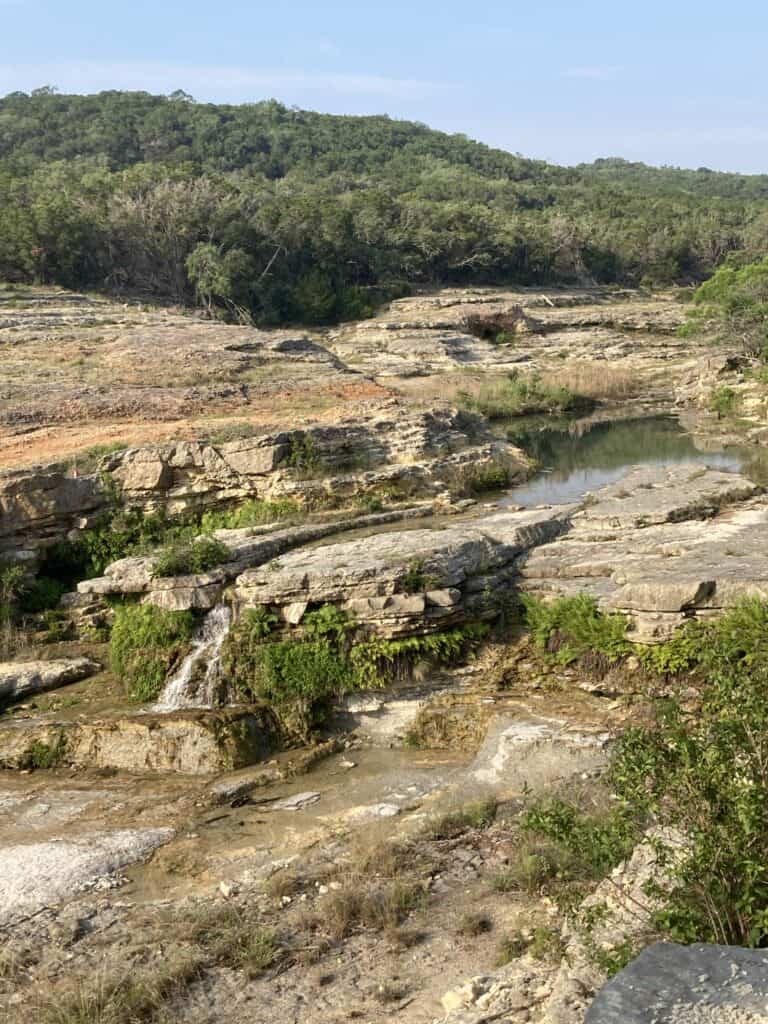
Canyon Lake Gorge

Blue Hole Regional Park

Old Baldy Park

Fall Creek Vineyards in Driftwood
Places to eat or drink near Texas Capitol

Wildflour Artisan Bakery & Grill
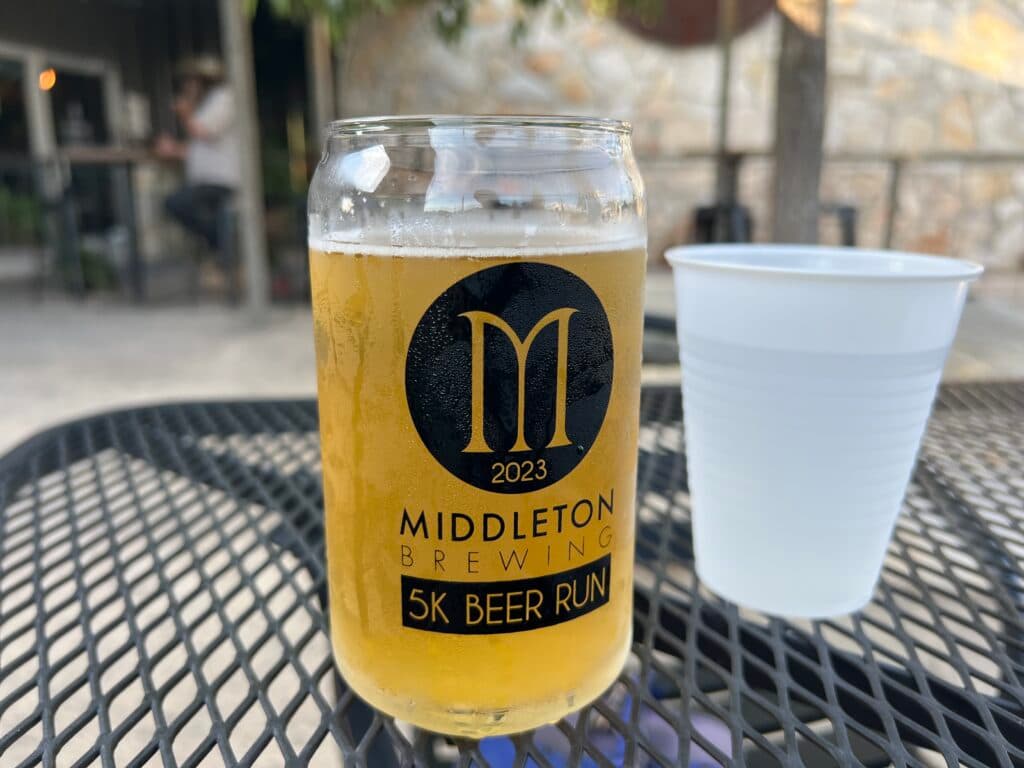
Middleton Brewing

Devil's Backbone Tavern


