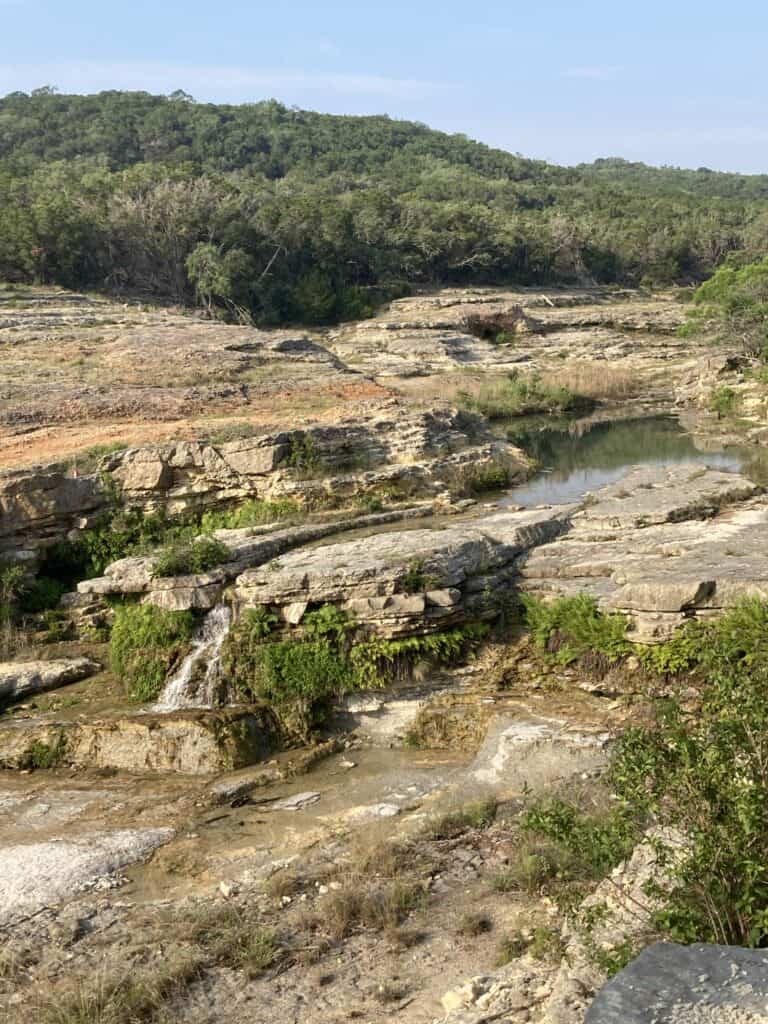
The Heritage Museum of the Texas Hill Country
Open now
The Heritage Museum of the Texas Hill Country
4831 FM2673, Canyon Lake, TX 78133, USA Posted by Brandon B.Admin
Overview
The Heritage Museum of the Texas Hill Country sits on the shores of Canyon Lake in the heart of Texas Hill Country, about 30 miles northeast of San Antonio. This small but thoughtfully curated museum focuses on the material culture and daily life of settlers who shaped the region from the 1800s onward. Rather than grand narratives, the museum emphasizes the objects people left behind: tools, textiles, photographs, and household items that tell the story of ranching families, farmers, and communities in one of Texas's most distinctive landscapes.
If you're passing through Canyon Lake or exploring the Hill Country's quieter attractions, this museum offers a genuine window into how people actually lived here, without the tourist polish of larger institutions.
Why this place matters
The Texas Hill Country developed differently from the flatter ranching regions to the south and east. The rocky terrain, spring-fed creeks, and cedar brakes shaped how settlers farmed, ranched, and built their homes. This museum preserves that specific history. Many of the objects on display came from local families and have stayed in the region for generations.
The museum also serves as a gathering point for local historians and genealogists. If your family has roots in the area, staff can sometimes help connect you to records or other researchers.
Quick facts
- Located at 4831 FM 2673 in Canyon Lake, about 30 miles northeast of San Antonio
- Focuses on Hill Country settler life and material culture from the 1800s onward
- Inexpensive general admission
- Relatively small facility, typically viewable in 1 to 2 hours
- Parking available on-site
- Check ahead for current hours, as they can vary seasonally
Getting there
From San Antonio, take Interstate 35 north toward Austin, then exit toward New Braunfels. Follow signs for Canyon Lake and FM 2673. The museum is clearly marked along the road. If you're already at Canyon Lake for boating or picnicking, the museum is a short drive from the main recreation areas.
Public transit to this location is limited. A car is essentially required. Parking at the museum is free and straightforward.
The layout and experience
The museum occupies a modest building with a single main gallery space. Exhibits are arranged thematically rather than chronologically, so you might encounter a display on ranching equipment, then turn a corner to see domestic items from a 1920s household, then move to a section on local Native American presence and trade goods.
The pace is unhurried. Interpretive text is readable and informative without overwhelming. Most visitors spend between 60 and 90 minutes here, though you can move through more quickly if you're selective about which displays capture your interest.
The building itself is climate-controlled and accessible. Restrooms are available on-site.
Main highlights
The museum's strongest sections tend to revolve around specific themes rather than single star objects. A display on Hill Country ranching includes saddles, branding equipment, and photographs of working ranches. Another area covers textile production and household crafts, with examples of quilts and weaving from different decades.
The photographic archive is often underrated. Black-and-white images from the early 1900s show the landscape before modern development, family groups in front of homesteads, and local businesses that no longer exist. These photographs are sometimes more evocative than any single artifact.
If the museum has mounted a special exhibition during your visit, ask staff about it. Temporary shows often spotlight a particular family's collection or explore a specific decade in more depth.
History and background
Canyon Lake itself was created in 1964 when a dam was completed on the Guadalupe River. Before that, the area was primarily ranch land and small farming communities. The Heritage Museum was established later to ensure that the material culture of those earlier settlements wasn't lost as the lake became a recreational destination.
The Hill Country's history is layered. Native Americans, particularly the Lipan Apache and Comanche, used the region for hunting and travel. Spanish colonial missions and ranches established themselves in the 1700s. Anglo settlers arrived in significant numbers in the mid-1800s, drawn by available land and water. That diversity of influences, though not all equally represented in every museum, shapes the region's identity.
Tickets and entry
General admission is inexpensive. Children, seniors, and group rates are typically available at a modest discount. There's no need to book ahead for regular visits, though if you're planning a large group tour, contacting the museum in advance is courteous.
Admission usually includes access to all permanent exhibits. Special exhibitions, if any, are included in general admission.
Best time to visit
The Hill Country is most comfortable in fall and spring, roughly September through November and March through May. Summers are hot, and the museum's parking area offers limited shade. Winter is mild but can be unpredictable with occasional ice.
Weekday mornings tend to be quieter than weekends. If you prefer a more solitary experience, consider visiting on a Tuesday or Wednesday morning.
Photography tips
Interior lighting in the museum is functional but not bright. A camera with good low-light performance or the ability to adjust ISO will serve you better than relying on flash. Many museums prefer no flash anyway, so check with staff before photographing displays.
The exterior of the building and the surrounding grounds, especially views toward Canyon Lake, offer good photo opportunities in good light. Early morning or late afternoon provides the most flattering angle.
Facilities and preparation
The museum is wheelchair accessible. Restrooms are clean and well-maintained. There is no on-site cafe or gift shop, so bring water or snacks if you plan to spend more than an hour here. The nearest food options are in nearby communities.
Summer heat can be intense. Wear sunscreen and bring a hat if you're spending time outside before or after your visit. The building itself is air-conditioned.
Combining with nearby attractions
Canyon Lake offers swimming, boating, and picnicking if you want to combine your museum visit with outdoor recreation. The lake has several public parks and access points. Gruene, a historic settlement about 20 minutes away, has antique shops, restaurants, and the Gruene Hall, a dance hall that has operated since 1878.
New Braunfels, about 15 minutes south, is known for tubing on the Guadalupe and Comal rivers and has more dining and shopping options than the immediate lake area.
Sample visit plan
Arrive mid-morning on a weekday if possible. Allow 90 minutes for the museum itself. Start with the thematic displays that interest you most, rather than rushing through in order. Read the labels for context, but don't feel obligated to read everything.
After the museum, if it's warm, head to one of Canyon Lake's public parks for a picnic or a walk along the water. If you're interested in the broader Hill Country experience, spend the afternoon driving through the surrounding area, stopping at small towns or scenic overlooks.
Practical tips
- Bring cash or check if you prefer, though many small museums now accept cards. Call ahead if you're unsure.
- The museum is relatively unknown, so you won't encounter crowds, but this also means staff hours can be limited. Confirm they're open before making the drive.
- If you're researching family history in the area, ask staff about their archive or any volunteer genealogists who might help.
- The Hill Country is a large region. Don't expect the museum to cover every community or time period in depth. It's a starting point, not an exhaustive resource.
- Parking is free and ample. There's no need to arrive early to secure a spot.
FAQ
How long does a typical visit take? Most people spend 60 to 90 minutes here. You can see the main exhibits in about an hour if you're moving at a steady pace.
Is this museum suitable for children? It depends on the child's age and interests. Younger children may find it less engaging than larger, more interactive museums. Older children and teens interested in history or family genealogy often enjoy it.
Are there guided tours? Check with the museum directly. Group tours are sometimes available by arrangement, but regular self-guided visits are the norm.
Can I combine this with other Hill Country activities? Absolutely. Canyon Lake itself offers recreation, and nearby towns like Gruene or New Braunfels have restaurants, shops, and other attractions within 15 to 20 minutes.
What if I have ancestors from this area? Contact the museum ahead of your visit. Staff sometimes have connections to local genealogy groups or can point you toward relevant archives.
Opening hours
Reviews
Sign in and mark this place visited to leave a review.
No reviews yet.
Free Trip Planner
Plan your Canyon Lake trip with our free planner
Build a day-by-day itinerary with AI suggestions, hand-picked places, and friends. Free forever — no credit card.
Related reading
Things to see near The Heritage Museum of the Texas Hill Country

Mission Concepción

San Fernando Cathedral
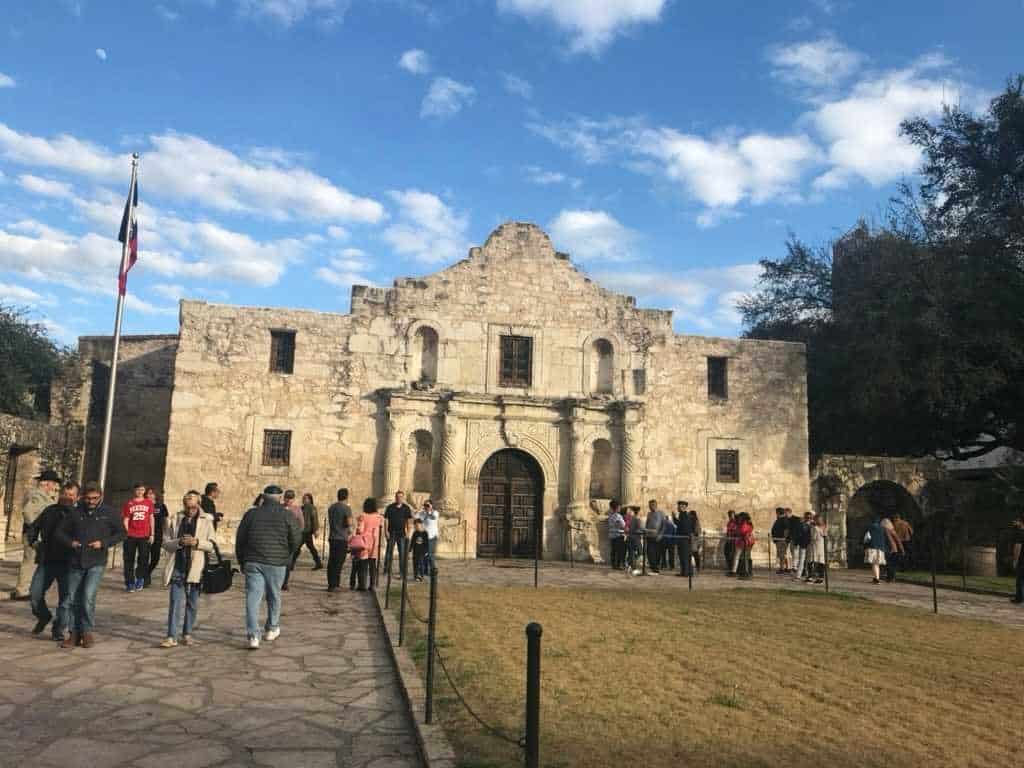
The Alamo

Japanese Tea Garden (San Antonio)
Places to eat or drink near The Heritage Museum of the Texas Hill Country

Freetail Brewing Co.

Beethoven Maennerchor

Little Em's Oyster Bar