Tigre River Cruise
Sarmiento 160, Tigre - Buenos Aires Province, B1617, Argentina Posted by Brandon B.Admin
Exploring Tigre by Water: What to Expect on a River Cruise
The Tigre River Cruise is one of the most distinctive ways to see the Paraná Delta, a sprawling wetland just 30 kilometers north of Buenos Aires. From the embarkation point near Sarmiento 160 in Tigre town, boats push out into a labyrinth of brown rivers, narrow channels, and islands thick with willows and ceibo trees. It doesn't look anything like the city you left behind an hour ago.
Tigre itself sits at the confluence of several rivers and has been a weekend escape for porteños since the late 19th century. The cruise gives you access to the parts of the delta you simply can't reach on foot, which is most of it. Roads don't exist out here. The water is the road.
Why the Tigre River Cruise Is Worth Your Time
Most visitors who come to Tigre walk along the Paseo Victorica waterfront, peek into the Museo de Arte Tigre, and call it a day. That's fine. But the river cruise opens up something else entirely. You pass private houses built on stilts, rowing clubs that have been on the same stretch of water since the 1900s, and small almacenes (general stores) that receive their deliveries by boat. Life out here runs on a different rhythm.
The delta is also genuinely beautiful in a low-key, unhurried way. There are no dramatic cliffs or postcard peaks. What you get instead is flat green light filtering through riverbank vegetation, herons standing still in shallow water, and the occasional wooden launch puttering past with groceries stacked in the bow.
Quick Facts
- Location: Sarmiento 160, Tigre, Buenos Aires Province
- Distance from central Buenos Aires: roughly 30 kilometers, about 50 to 60 minutes by commuter train (Tren de la Costa or Mitre line from Retiro)
- Typical cruise duration: options range from about 1.5 hours for a standard loop up to half-day excursions
- Language: most standard departures are narrated in Spanish; some operators offer English-language tours, especially on weekends
- Best season: spring (October to November) and autumn (March to April) for mild temperatures and greenery
- Suitable for: families, solo travelers, couples, anyone with a reasonable level of mobility
Getting There
The easiest way from Buenos Aires is the Mitre train line from Retiro station, which runs to Tigre directly. The journey takes around 55 minutes depending on which service you catch, and trains run frequently throughout the day. If you prefer something more scenic, the Tren de la Costa departs from Maipú station in Olivos (you transfer from the Mitre line at Mitre station) and follows the river north, stopping at small coastal towns before arriving at Tigre's Delta station.
Once you're in Tigre, the main embarkation area is a short walk from the train station. Head toward the Puerto de Frutos market and the river, and you'll find the docks where cruise operators sell tickets. Sarmiento 160 puts you right in that zone.
Driving is possible but not especially convenient on weekends, when traffic on Ruta 27 and the surrounding access roads can back up significantly.
The Layout and Experience
Most standard cruises follow a loop through the first section of the delta, covering the Río Luján, the Río Tigre, and a handful of the smaller canals branching off them. You sit on an open-air or semi-covered launch with other passengers while a guide points out landmarks over a speaker system.
The boats themselves vary by operator. Some are wide catamaran-style vessels that hold larger groups. Others are smaller, narrower launches that feel more intimate and can navigate tighter channels. If you want to get deeper into the delta and see less-trafficked waterways, look for operators offering smaller-boat or custom excursions rather than the standard panoramic route.
Expect to pass the Rowing Club Tigre, founded in 1888, which is one of the oldest sports clubs in Argentina. You'll also see the Museo Naval, visible from the water near the confluence of the Luján and Tigre rivers. Depending on the route, some cruises pass close to the Tres Bocas area, a popular stop where a handful of restaurants and a small hotel sit right on the water, reachable only by boat.
History and Background
The Paraná Delta has been inhabited and navigated for centuries. Indigenous communities used these waterways long before European settlement. By the mid-1800s, the delta was being developed for timber and fruit production, which is how Tigre got its name, though the tigers in question were actually jaguars that once roamed the riverbanks.
The late 19th century brought wealthy Buenos Aires families who built summer houses along the Paseo Victorica and the first river channels. Some of those houses are still standing. The rowing and sailing clubs that appeared around the same era gave the delta a distinctly Anglo-Argentine character that you can still feel today, especially in the architecture of the older clubhouses.
Organized boat tours of the delta became popular through the 20th century as train access improved and Tigre became more accessible to middle-class porteños. The cruise infrastructure you see today, the ticket booths, the scheduled departures, the competing operators along the dock area, grew out of that long tradition of weekend escapes from the capital.
Best Time to Visit
October through November and March through April tend to offer the most comfortable conditions. Temperatures are mild, the vegetation is lush without being oppressively humid, and the light in the late afternoon is particularly good on the water.
Summer (December to February) brings heat and humidity, but also longer days and more activity on the river. Weekends in summer can get crowded, both on the boats and along the docks. If you're visiting in that window, a weekday departure makes a noticeable difference.
Winter in the delta is quiet and often misty, which has its own appeal if you prefer fewer crowds. Some operators run reduced schedules in the colder months, so it's worth confirming departure times before you go.
Photography Tips
The golden hours work especially well here. Morning light on the water before 10am gives you soft reflections and mist over the channels. Late afternoon, roughly an hour before sunset, turns everything warm and amber.
Bring a lens or zoom setting that lets you capture details on the riverbanks without having to be right next to them. The houses on stilts, the hand-painted signs on the almacenes, the birds perched in the reeds, these are the images that communicate what the delta actually feels like. Wide shots of open water tend to look flat.
The boat will be moving most of the time, so a faster shutter speed helps. Polarizing filters are useful if you have one, cutting the glare off the brown river surface and making the vegetation pop.
Combining with Nearby Attractions
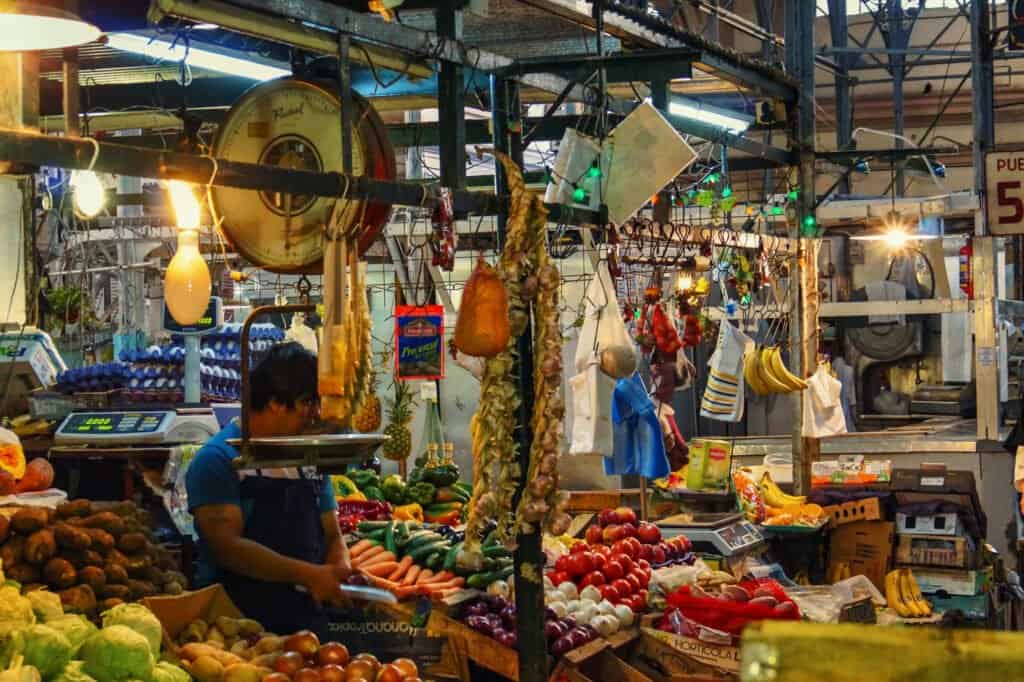
Tigre has enough to fill a full day if you plan it well. Before or after the cruise, the Puerto de Frutos market on the Río Luján sells local crafts, wicker furniture, and regional produce, and it's worth at least an hour of wandering. The Museo de Arte Tigre, housed in a 1912 building on the Paseo Victorica, holds a solid collection of Argentine figurative art and is one of the better small museums in the greater Buenos Aires area.
If you want to eat on the water, Tres Bocas is the classic option. Some cruise operators offer combined excursions that include a stop there for lunch. Otherwise, the Paseo Victorica has several restaurants with riverside terraces that are reliably good for weekend lunch.
Practical Tips
- Arrive at the docks with some flexibility in your schedule. Boats often leave when they're full rather than on a strict timetable, particularly the smaller operators.
- Bring sunscreen and a hat. The open-air sections of the boat offer very little shade, especially on midday departures.
- Cash is useful. Some ticket sellers and dock-side vendors don't always have reliable card readers.
- Wear layers in cooler months. The breeze on the water can be sharper than it seems from the dock.
- If you want a quieter experience, ask specifically for routes that go beyond the main channels. The first stretch of the Río Tigre near the dock area gets heavy boat traffic on weekends.
- Confirm current schedules and availability with operators directly, especially if you're visiting outside peak season or on a weekday.
- The train back to Buenos Aires can get crowded on Sunday evenings. Building in extra time before your return journey is worth it.
FAQ
Do I need to book in advance?
For standard panoramic cruises, you can usually buy tickets at the dock on the day. For smaller-boat tours, private excursions, or visits on busy summer weekends, booking ahead is a good idea.
Is the cruise suitable for children?
Generally yes. The boats are stable and the pace is calm. Younger children tend to enjoy spotting birds and the unusual riverside houses. Life jackets are typically available on board.
Can I get off at any of the islands?
On standard panoramic routes, the cruise is typically a continuous loop without island stops. Some operators offer excursions that do include a stop at Tres Bocas or similar locations, so it depends on which ticket you buy.
How far in advance should I arrive at the dock?
Arriving 20 to 30 minutes before your intended departure gives you time to compare operators, buy a ticket, and get a decent seat on the boat.
Reviews
Sign in and mark this place visited to leave a review.
No reviews yet.
Free Trip Planner
Plan your Argentina trip with our free planner
Build a day-by-day itinerary with AI suggestions, hand-picked places, and friends. Free forever — no credit card.
Things to see near Tigre River Cruise



Places to eat or drink near Tigre River Cruise

El Ferroviario Restaurant Parrilla

El Obrero

I Latina

Café San Juan
More places in Buenos Aires

Salvaje Bakery

La Brigada

Cabaña Las Lilas