
Argentina on the map
80 places from this guide. Tap a pin to open the listing.
Overview
Argentina runs for more than 3,800 kilometers from the subtropical borders of Bolivia and Paraguay down to Tierra del Fuego, which makes it one of the longest countries on the planet and one of the trickiest to cover in a single trip. This Argentina travel guide is built around that scale, because a good itinerary here depends less on picking "the best" region and more on deciding which version of the country you want: glacier country, wine country, or the capital's late-night grid of cafes and theaters.
Spain colonized the territory through the 16th and 17th centuries, arriving in a land that had been home to scattered indigenous groups, among them the Diaguita in the northwest and the Mapuche further south. What emerged is now a federal republic with an outsized geographic range for its population: lush subtropical jungle near Iguazú, bone-dry Andean desert around Salta, pampas grassland circling Buenos Aires, and the glaciers and steppe of Patagonia. Ushuaia, on the Beagle Channel at the bottom of Tierra del Fuego, claims the title of the world's southernmost city and doubles as the usual departure point for Antarctica voyages. On the opposite end of the altitude scale, Aconcagua rises to just under 7,000 meters near the Chilean border, the tallest peak in the Western Hemisphere.
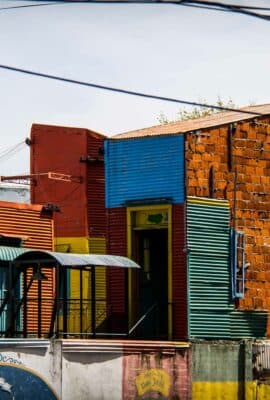
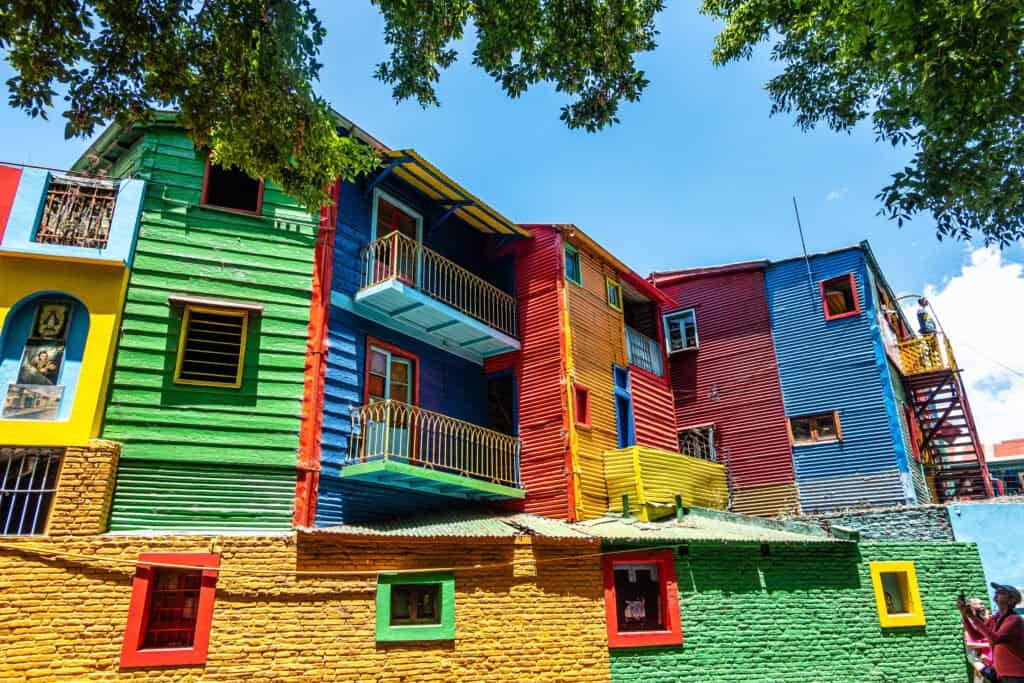
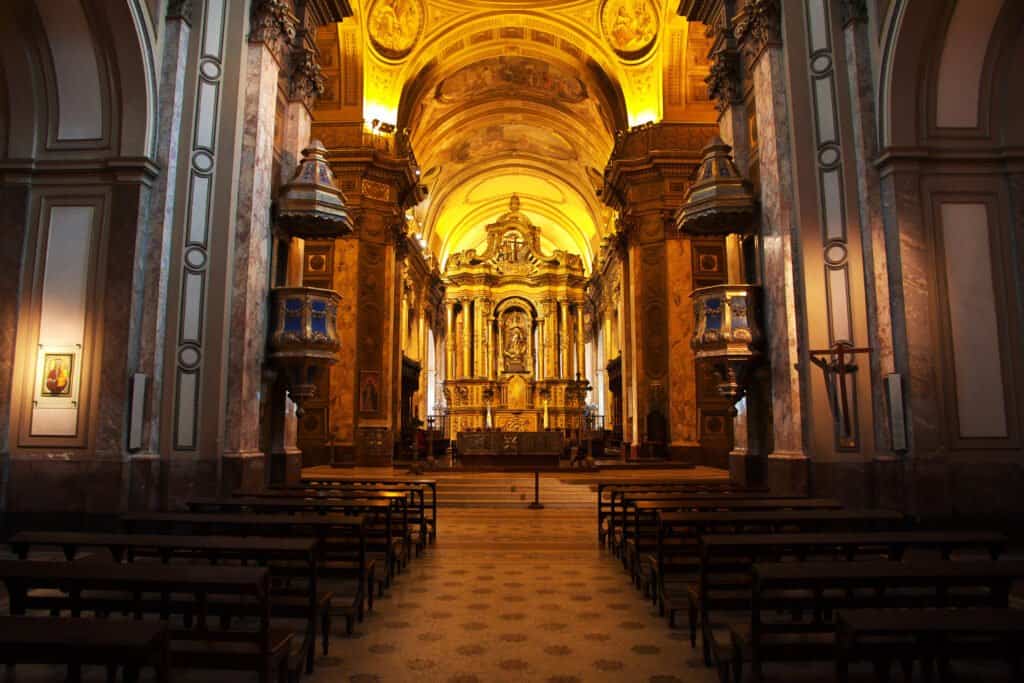
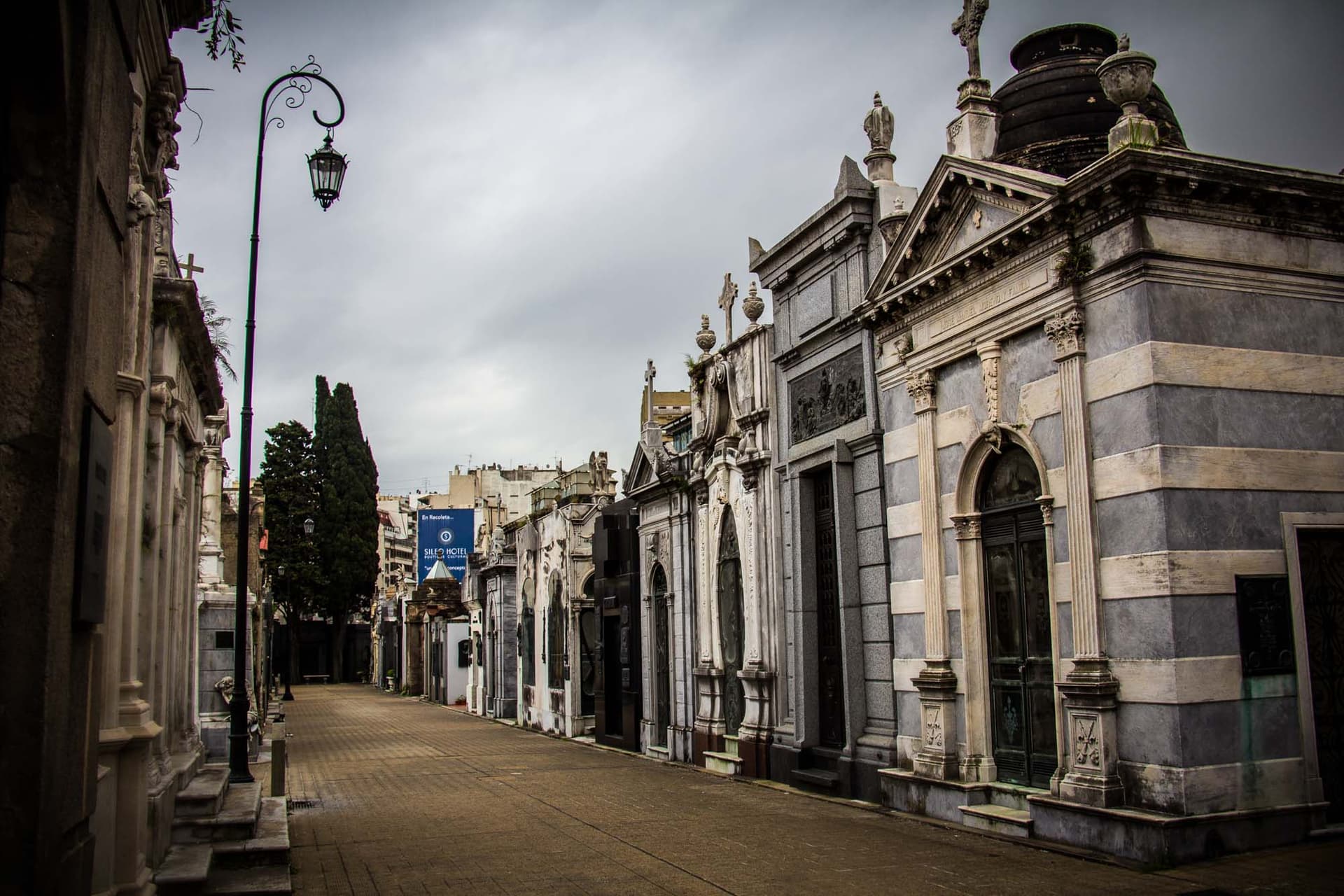
Buenos Aires itself deserves most of your early planning time. The historic core radiates out from Plaza de Mayo, flanked by the pink facade of Casa Rosada, the Buenos Aires Metropolitan Cathedral, and the Museo del Bicentenario tucked just behind it. A short walk or subte ride away, Teatro Colón remains one of the world's great opera houses and is worth a guided tour even if you don't catch a performance. San Telmo, the city's oldest barrio, keeps its cobblestones and colonial facades intact, and its Sunday antiques fair spills out from San Telmo Market toward the green space of Parque Lezama. Further south, La Boca's Caminito alley delivers the corrugated-metal, primary-color postcard image of Buenos Aires, best visited in daylight. Palermo Neighborhood splits into several sub-zones of restaurants, design shops, and nightlife, while the riverside Reserva Ecológica Costanera Sur gives the city an unexpected wedge of wetland and birdlife a few minutes from the financial district. Puerto Madero's redeveloped docks and the Floralis Genérica, a steel flower sculpture that mechanically opens and closes, round out an easy day of walking. Recoleta Cemetery, where Eva Perón is buried, and the nearby Museo Evita are near-mandatory stops for understanding Argentina's 20th-century politics.
Outside the capital, El Chaltén in southern Patagonia grew from a 1970s border outpost into the country's trekking capital, built around views of Mount Fitz Roy and Cerro Torre. Mendoza anchors Latin America's largest wine region, its vineyards kept alive by an irrigation network dating back to indigenous and colonial engineering, with Plaza Independencia as the city's evening gathering point. Córdoba holds onto its Spanish colonial core and surrounding sierra views, Rosario claims the birthplaces of the Argentine flag, Che Guevara, and Lionel Messi, and San Carlos de Bariloche offers an Alpine-style lake district. Further north, Salta's colonial Plaza 9 de Julio and the whitewashed Iglesia San José de Cachi, a few hours away in the Calchaquí Valleys, give a sense of the country's Andean northwest, a region that looks and feels closer to Bolivia than to Buenos Aires. Península Valdés, on the Atlantic coast, delivers reliable sightings of whales, sea lions, and penguins depending on the season.
When to Visit
Spring, from September to November, is probably the easiest season to recommend across most of the country, though the far south can still run cold into October. Summer (December to February) is the only realistic window for climbing Aconcagua and is also the most dependable stretch for visiting Tierra del Fuego, even though snow can fall there at any point in the year. Buenos Aires turns warm and humid in December and January, and parts of the north get uncomfortably hot and occasionally flood, so it's worth avoiding that region at the height of summer.
Autumn (March and April) is arguably underrated, especially for Mendoza and San Juan during the wine harvest, and for watching the beech forests of Patagonia and Tierra del Fuego turn color. Winter, from June through August, is ski season in the Andean resorts, but it's also when Patagonian towns can get cut off by blizzards and many regional businesses close between April and October. Buenos Aires turns gray and damp in July and August, while the far north stays mild and arguably more pleasant than in summer.
How to reach the destination
Most international flights land at Ministro Pistarini International Airport, usually called Ezeiza, about 35 kilometers south of central Buenos Aires. Domestic flights and some regional routes to neighboring countries use Aeroparque Jorge Newbery, a smaller airport right on the city's riverfront that functions as the main hub for onward travel within Argentina. Overland entry is also common, with regular buses and the Buquebus ferry connecting Buenos Aires to Montevideo and Colonia in Uruguay, and land crossings from Chile, Bolivia, Paraguay, and Brazil used heavily by backpackers working their way around the continent. Visa requirements vary by nationality and change periodically, so confirm the current rule for your passport before booking.
Getting around the destination
The long-distance bus network is the backbone of travel for most visitors, run by a long list of private companies, some regional and some operating nationally, with coaches ranging from basic seats to flatbed-style cama service for overnight routes. Given the distances involved, a 20-hour bus ride between major cities is not unusual, which is why many travelers mix buses with short domestic flights out of Aeroparque Jorge Newbery to save time.
Within Buenos Aires, the Subte underground system covers the center and several outer barrios reasonably well, and it's cheap and fast outside rush hour. Taxis are easy to hail on the street, and remises, a pre-booked car service, are a safer bet late at night or from the airport. A rental car makes sense once you're outside the capital, particularly in Patagonia, Tierra del Fuego, Mendoza, San Juan, and the northwest, where public transport thins out and distances between towns are long; sharing the drive and the cost with a group is the common-sense approach. If you want an easy half-day out of the capital, La Plata, home to the towering neo-Gothic Catedral de La Plata, is a straightforward train or bus trip from Buenos Aires.
Top destination travel tips
- Argentina's currency situation is genuinely unusual, with official and informal exchange rates that can diverge significantly; bringing US dollars in cash and checking current exchange practices before you go will save you money.
- Dinner starts late. Many parrillas and restaurants don't fill up until 9 or 10pm, and clubs often don't get going until well after midnight.
- Mate is a social ritual, not just a drink. If someone offers you a gourd, drink the whole serving, don't say "thank you" until you're finished (it signals you're done), and pass it back.
- Keep an eye on bags in crowded spots like San Telmo Market and around Plaza de Mayo on protest days, which happen with some regularity given the square's role as a political gathering point.
- Spanish in Argentina has its own rhythm, including the "sh" pronunciation of "ll" and "y" sounds and a fair amount of lunfardo slang; a few basic phrases go a long way.
- Outlets use type C and type I plugs, so pack an adapter if you're coming from North America or most of Asia.
- A local SIM card is easy to pick up at the airport or at phone shops in any city center, and it's worth it given how spread out the country is.
- Tipping around 10 percent at sit-down restaurants is standard, though it's not always expected at more casual spots.
Typical costs in the destination
Argentina's inflation has run high for years, which makes exact price quotes unreliable almost as soon as they're written, so think in tiers rather than pesos and double-check current exchange rates before you travel.
- Budget travelers can get by on hostel dorms, bus travel, and empanada-and-pizza meals, keeping daily spending relatively low by regional standards once favorable exchange rates are factored in.
- Mid-range travel covers private hotel rooms, a mix of bus and domestic flights, and regular meals at parrillas and casual restaurants.
- Upscale and fine dining experiences, wine country lodges in Mendoza, and multi-day Patagonia treks with guides push costs up considerably, especially in high season (December to February) and around the southern summer trekking window.
- Alcohol, particularly wine, tends to be good value even at nicer restaurants compared with imported spirits or beer.
Must try food and drinks
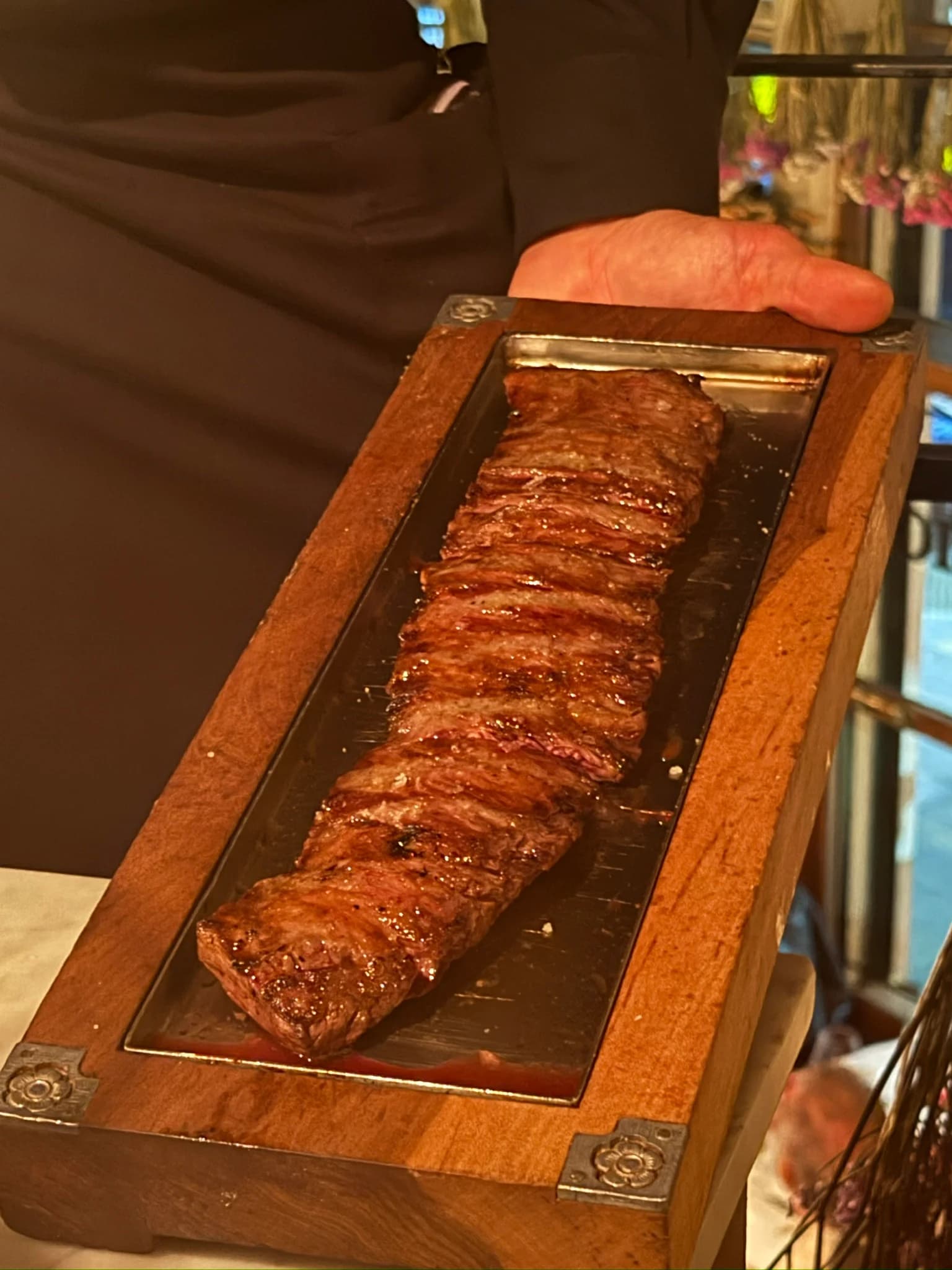
- Asado and parrilla cuts: Argentina's grilled beef culture runs deep, and Don Julio and La Cabrera in Palermo are two of the names most visitors ask about first, while El Ferroviario Restaurant Parrilla offers a more neighborhood, less-touristed take on the same tradition.
- Empanadas: regional fillings vary a lot, from beef and olive in the center of the country to spicier versions in Salta and the northwest.
- Pizza: Buenos Aires has its own thick-crust style, and Pizzería Güerrín, a standing-room classic near Avenida Corrientes, is one of the longest-running spots to try fugazzeta, a cheese-and-onion pie.
- Milanesa: a breaded, fried cutlet usually beef or chicken, often served "a la napolitana" with ham, cheese, and tomato on top.
- Mate: the bitter, caffeinated infusion sipped from a shared gourd through a metal straw, as much a daily habit as a drink.
- Wine: Mendoza's Malbec is the obvious place to start, but a stop at Restaurante Oliver Wine Bar de Martin Oliver in Buenos Aires is a good way to taste a broader range of Argentine producers without leaving the city.
- Cocktails and coffee culture: Floreria Atlántico, a bar hidden behind a working flower shop, and Confitería La Ideal, a century-old tango cafe known for its afternoon tea and pastries, both show a different, slower side of the capital's social life.
- Dulce de leche: the caramelized milk spread that shows up in pastries, on toast, and inside alfajores everywhere you go.
- Ice cream: Jauja is one of the names locals bring up when talking about Patagonian-style ice cream, worth seeking out if you're in the south.
FAQ
How many days do you need in Argentina?
Two weeks lets you combine Buenos Aires with one other region, such as Patagonia or Mendoza, without feeling rushed. Three weeks or more makes sense if you want to add the northwest around Salta or the wildlife of Península Valdés, since internal distances are large and travel days add up quickly.
Is Argentina expensive to visit?
It depends heavily on the exchange rate at the time of your trip, given the gap between official and informal currency rates. Many travelers find Argentina reasonably affordable for food, wine, and accommodation compared with Western Europe or North America, but confirm current exchange conditions before budgeting.
Is Buenos Aires safe for tourists?
Buenos Aires is generally safe for visitors who take normal city precautions, though petty theft does happen in crowded tourist areas like San Telmo Market and around Plaza de Mayo. Avoid flashing valuables, use remises or rideshare apps late at night, and keep bags zipped and in front of you on public transport.
Do you need to speak Spanish to travel in Argentina?
You can get by in Buenos Aires and major tourist hubs with limited Spanish, since English is spoken in many hotels and restaurants catering to visitors. Outside the capital, especially in small Patagonian towns and the northwest, basic Spanish makes things considerably easier.
Do I need a car to get around Argentina?
Not for Buenos Aires itself, where the Subte, buses, and taxis cover everything you need. A rental car becomes genuinely useful once you head into Patagonia, Mendoza wine country, or the northwest, where distances between sights are long and public transport is infrequent.
What's the best month to visit Argentina?
November and March tend to offer the best overall balance, since both fall in shoulder season with mild weather across most regions and lower crowds than the summer peak. The right month really depends on whether you're prioritizing Patagonia trekking, Mendoza's harvest, or the Andean ski season, since each favors a different part of the year.
Is Argentina worth visiting beyond Buenos Aires?
Yes, and most seasoned visitors would say the regions outside the capital are the real draw. This Argentina travel guide only scratches the surface of Patagonia's glaciers, Mendoza's vineyards, and the Andean northwest, all of which reward the extra travel time it takes to reach them.
Top Places to Visit in Argentina
View all See & Do
 See & Do
 See & Do
El Ateneo Grand Splendid
 See & Do
 See & Do
Reserva Ecológica Costanera Sur
 See & Do
 See & Do
 See & Do
Palermo Neighborhood
Top Places to Eat in Argentina
View all Eat & DrinkModerate · $$
Pizzería Güerrín
 Eat & DrinkModerate · $$
Don Julio
 Eat & DrinkUltra Luxury · $$$$$
Fervor
 Eat & DrinkExpensive · $$$
La Brigada
 Eat & DrinkModerate · $$
El Obrero
 Eat & DrinkUltra Luxury · $$$$$
La Mar
 Eat & DrinkUltra Luxury · $$$$$
Cabaña Las Lilas
 Eat & DrinkUltra Luxury · $$$$$