

Denmark on the map
35 places from this guide. Tap a pin to open the listing.
Overview
Denmark is a small country that rewards slow travel. This Denmark travel guide exists because the country doesn't announce itself the way bigger European destinations do, it's quieter, flatter, and more livable, and that takes a bit of local knowledge to appreciate fully. Copenhagen is the obvious starting point, a harbor city where colorful townhouses line Nyhavn and bicycles outnumber cars on most streets. But Denmark is also Jutland's windswept west coast, the university town of Aarhus, and the island of Zealand, where Viking-age history sits a short train ride from the capital.
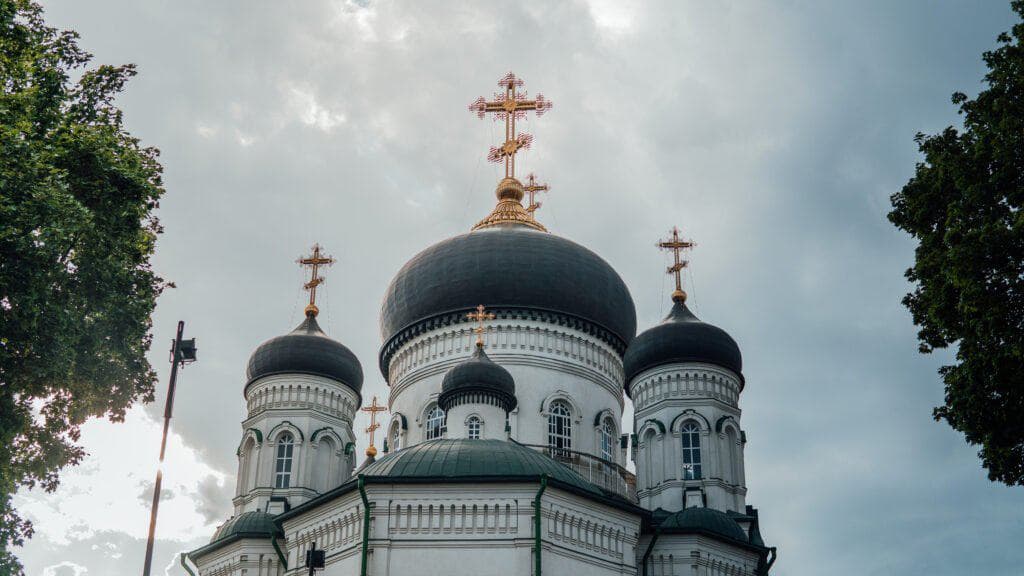
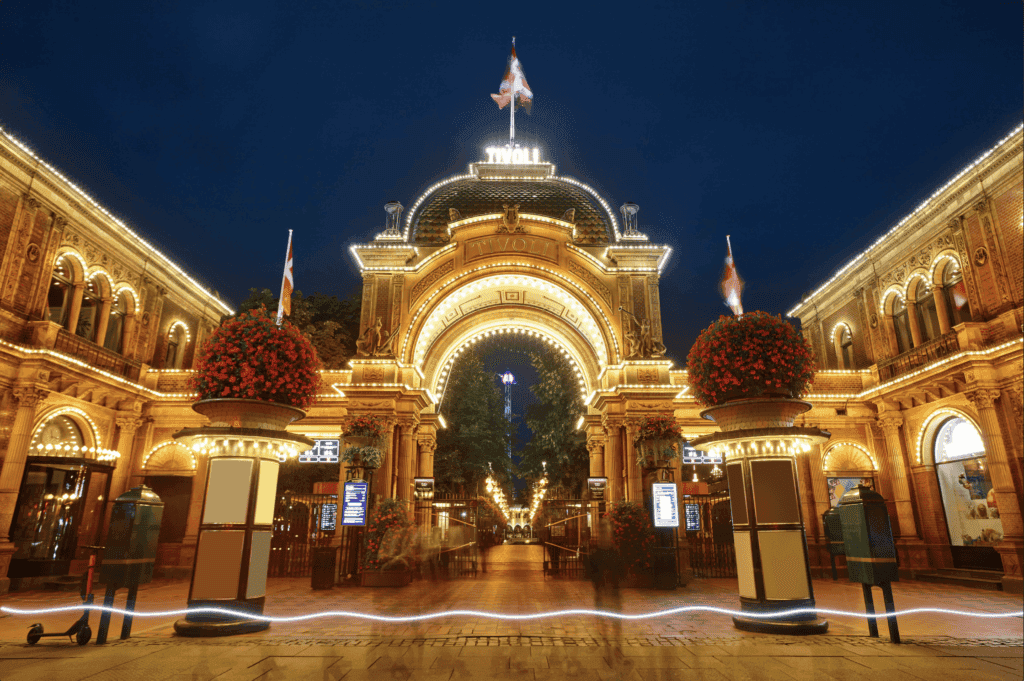
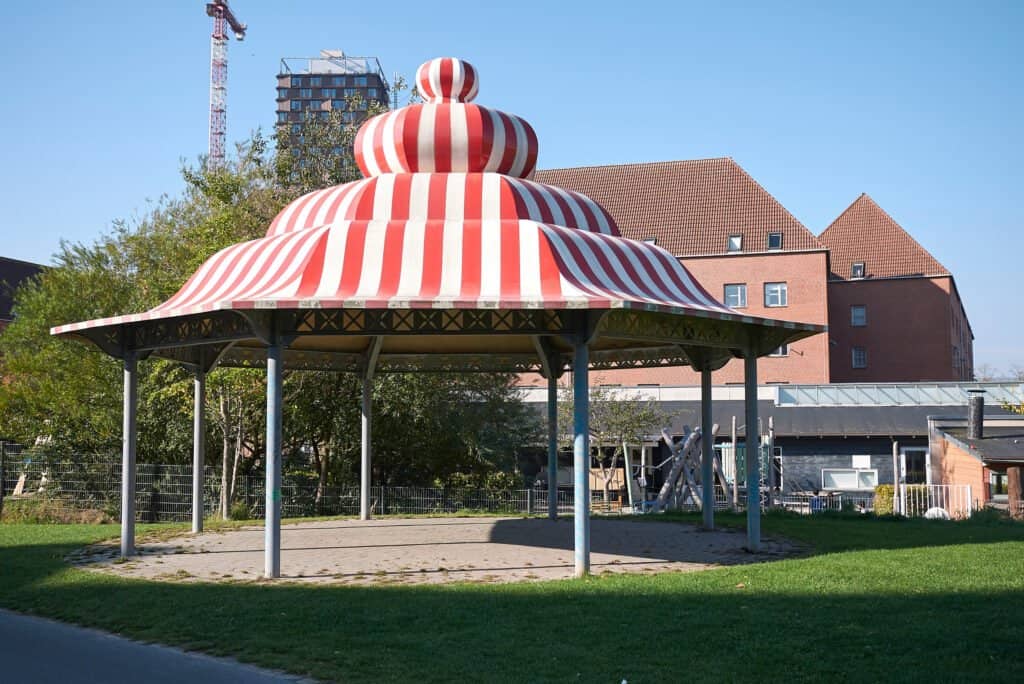
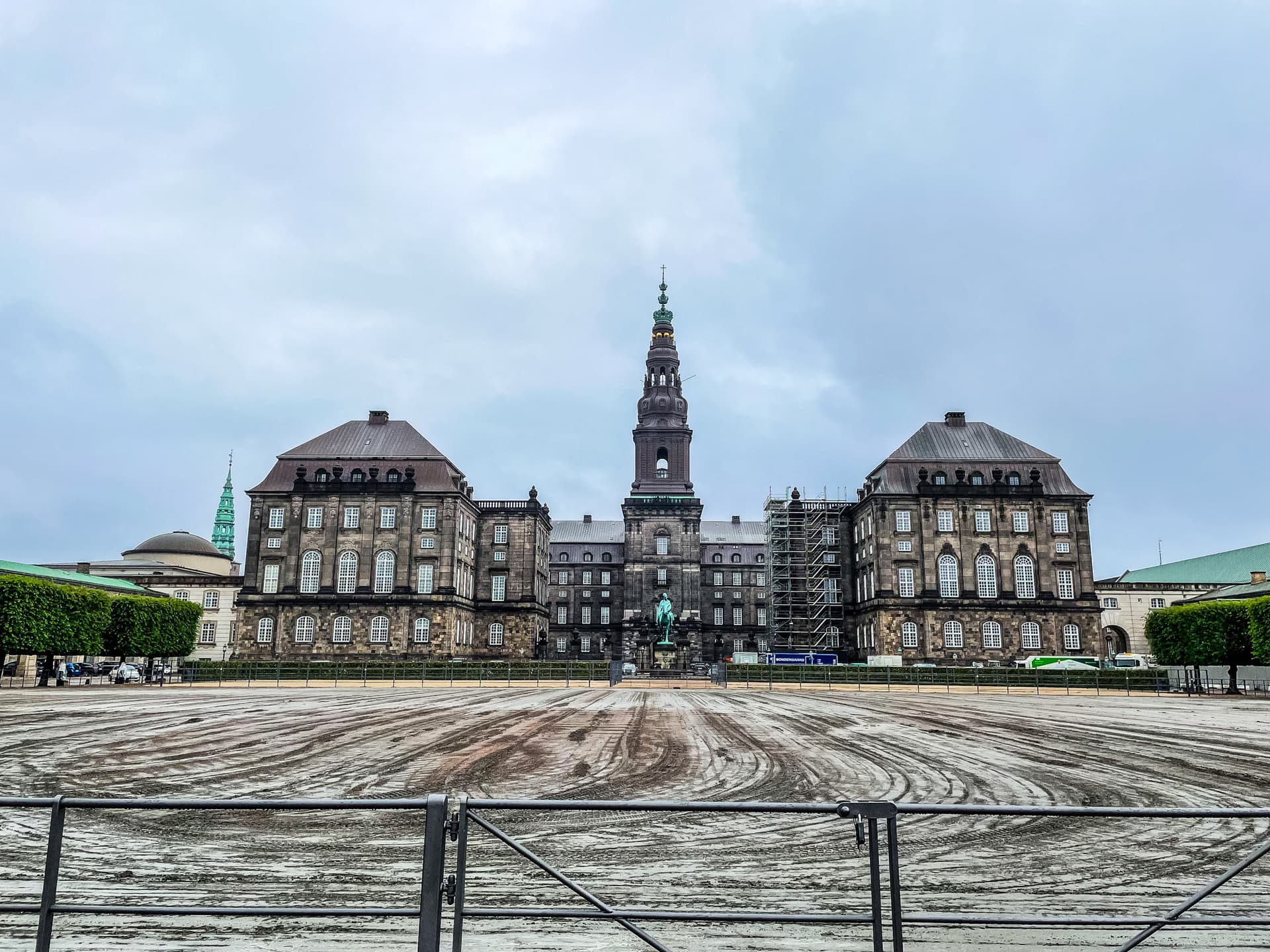
In Copenhagen itself, Tivoli Gardens remains the anchor attraction for a reason. Opened in 1843, it's one of the oldest operating amusement parks in the world and still draws crowds for its gardens, rides, and open-air concerts rather than nostalgia alone. Nearby, Christiansborg Palace houses the Danish parliament and offers public access to the royal reception rooms and ruins beneath the building. Climb the spiral exterior staircase of Church of Our Saviour in Christianshavn for a view over the city's copper rooftops, or spend an afternoon in Freetown Christiania, the self-governing neighborhood established by squatters in 1971 that's now one of the city's odder, more debated attractions. For green space without the crowds, Østre Anlæg and the tiled, mural-covered Superkilen Park both give a sense of how Copenhagen treats public space as something to be designed, not just maintained.
Outside the capital, Aarhus holds its own with the Aarhus Cathedral, the open-air museum Den Gamle By, and a university district that keeps the city young. Roskilde, 30 minutes from Copenhagen by train, pairs its Gothic cathedral (a UNESCO World Heritage Site) with the Viking Ship Museum, built around five original Viking-era vessels recovered from the nearby fjord in the 1960s. Roskilde also hosts one of Europe's largest music festivals each summer, drawing crowds that dwarf the town's normal population. Further north on Zealand's coast, Elsinore, a town of under 10,000 people, is built almost entirely around Kronborg Castle, the Renaissance fortress that inspired Shakespeare's Hamlet and now holds UNESCO status. On the island of Funen, Egeskov Castle adds another layer to Denmark's castle circuit, a moated Renaissance structure dating to the mid-1500s that's one of the best-preserved water castles in Europe.
When to Visit
Denmark doesn't have a bad season so much as different versions of itself depending on when you show up. Summer, roughly June through August, brings the longest days (sunset after 10pm in June), outdoor dining, and the Roskilde Festival. It's also the busiest and most expensive stretch, especially in Copenhagen. Shoulder months, May, September, and early October, tend to offer a fair trade of decent weather and thinner crowds.
Winter runs cold, short on daylight, and long on hygge, the candlelit, indoor coziness Danes are known for. December brings Christmas markets to Tivoli Gardens and Nyhavn, and while the weather rarely dips to extremes, expect gray skies more often than snow. If you're chasing festivals, aim for midsummer (Sankt Hans, June 23rd) for bonfires along the coast, or late June for Roskilde.
How to Reach Denmark
Most international visitors fly into Copenhagen Airport (CPH), Denmark's main hub and one of the busiest in Scandinavia. Billund Airport (BLL), in southern Jutland, is a useful alternative if you're heading toward Legoland or the western part of the country, and Aarhus and Aalborg airports serve northern Jutland well if that's your focus.
By train, Denmark connects easily to Germany and Sweden. Direct trains from Hamburg take about 4 hours and 40 minutes, and from Stockholm around 5 hours and 30 minutes, with overnight sleeper options on both routes if you'd rather save on a hotel night.
Buses are the budget option. Companies including Eurolines Germany, FlixBus, and Swebus run routes into Copenhagen, with Berlin to Copenhagen taking roughly 9 hours and Amsterdam to Copenhagen around 13.
By sea, Scandlines, Color Line, Fjord Line, and Stena Line all run ferry services connecting Denmark to neighboring countries, a practical and sometimes scenic option if you're coming from Germany, Norway, or Sweden with a car.
Getting Around Denmark
Denmark is compact enough that getting from one coast to the other rarely takes more than a few hours. The national rail network, run largely by DSB, connects all major cities with frequent, reliable service, and within Copenhagen the S-train and metro cover the city center and most neighborhoods efficiently.
Bicycles are not a novelty here, they're the primary way locals move around cities, and Copenhagen in particular is built for it, with dedicated bike lanes on nearly every street. Renting a bike for a day is one of the better ways to see the city at street level, including the harbor path past Nyhavn.
Buses fill in the gaps between train stations, and a rental car makes sense if you're exploring rural Jutland or Funen at your own pace, since the highway network is well maintained and distances are short by continental standards. For longer hops, domestic flights exist but are rarely necessary given how fast the trains are.
Top Denmark Travel Tips
- Budget carefully. Denmark is one of the more expensive countries in Europe, so look at hostels or short-term apartment rentals over hotels, and eat where locals eat rather than at harbor-front tourist spots.
- Carry a card, not cash. Denmark is close to cashless, and most places, including small food stalls, prefer contactless payment.
- Get a Copenhagen Card if you're sightseeing hard. It bundles public transport with entry to major attractions like Tivoli Gardens and Christiansborg Palace, and can pay for itself quickly if you're hitting several sights in a day.
- Rent a bike in Copenhagen. It's the fastest way to understand how the city actually works, and most hotels and hostels can point you to a rental spot nearby.
- Dress for layers, not statements. Danes dress simply and well, but the weather changes fast, so a packable rain layer matters more than anything stylish.
- Denmark is very safe, but keep normal city awareness around train stations and nightlife areas late at night.
- Learn a few Danish words. English is spoken fluently almost everywhere, but a "tak" (thanks) goes further than you'd expect.
Typical Costs in Denmark
Prices in Denmark are quoted in Danish kroner (DKK), and the country sits firmly in the upscale tier for Western Europe. A casual lunch, think a hot dog from a street cart or a quick smørrebrød, falls into budget territory, while a sit-down dinner at a mid-range restaurant pushes into noticeably higher spending than you'd expect in Southern Europe.
Accommodation follows the same pattern. Hostel dorm beds and budget guesthouses keep costs manageable, while hotels in central Copenhagen, particularly near Nyhavn or Tivoli, sit at the upscale end. Fine dining is its own category entirely, Copenhagen's Michelin-starred restaurants like noma and Geranium operate in a different price bracket altogether and typically require booking well ahead.
Public transport is reasonably priced relative to the cost of everything else, and a Copenhagen Card can smooth out the cost of combining transit with major attractions if you're moving fast through a short trip.
Must Try Food and Drinks
- Smørrebrød: open-faced rye bread topped with anything from pickled herring to roast beef, the closest thing Denmark has to a national lunch. Aamanns Deli & Takeaway in Østerbro does a well-regarded modern version worth seeking out.
- Danish pastry (wienerbrød): flakier and less sweet than what gets sold under the same name abroad, best eaten fresh from a bakery rather than a chain.
- Pølser (hot dogs): a Copenhagen street food staple. Døp – The Organic Hotdog Stand and DØP – The Organic Sausage Man both serve organic versions, and Pedersens Pølser and Gasoline Grill are solid stops if you want to compare takes on the classic.
- New Nordic cuisine: Denmark effectively reshaped fine dining with this movement, built on foraged, seasonal, and hyper-local ingredients. noma helped start it, and Geranium, Amass Restaurant, and Restaurant Barr each carry the idea forward in their own direction.
- Market food at Torvehallerne: a covered food market near Nørreport Station with dozens of stalls, good for grazing rather than committing to one sit-down meal.
- Christiania Falafel: a long-running stall inside Freetown Christiania, popular with locals as much as visitors.
- Tacos at Hija de Sanchez Kødbyen: a Mexican import in the Meatpacking District that's become a fixture of Copenhagen's casual dining scene.
- Craft beer and akvavit: Denmark has a strong microbrewery culture, and akvavit, a caraway-and-dill spiced spirit, is the traditional accompaniment to a smørrebrød lunch, usually downed cold in a single shot.
- Casual neighborhood spots worth knowing: Smagsloeget in Vesterbro, Bistro Lupa, Keyser Social, Balderdash, and The Olive Kitchen & Bar all represent the kind of mid-range, no-fuss dining that fills in the gaps between tourist stops and tasting menus.
FAQ
Is Denmark expensive to visit?
Yes, Denmark is one of the pricier countries in Europe for food, accommodation, and dining out. You can manage costs by staying in hostels or apartments, eating at casual spots like Torvehallerne or street food carts, and saving fine dining for one or two splurge meals rather than every night.
How many days do you need in Denmark?
A week gives you a reasonable mix of Copenhagen, a day trip to Roskilde or Elsinore, and a taste of Jutland or Funen. If you only have 3 to 4 days, focus on Copenhagen and one nearby castle town, since Denmark's train network makes day trips easy.
Is English widely spoken in Denmark?
Yes, English is spoken fluently by the vast majority of Danes, including in smaller towns. You'll rarely struggle to order food, ask directions, or navigate transport in English, though learning a few Danish phrases is appreciated.
Do I need a car to get around Denmark?
No, a car isn't necessary for most itineraries. The train network connects major cities efficiently, and Copenhagen itself is best explored on foot or by bike. A car becomes more useful if you're exploring rural Jutland or Funen at a slower pace.
Is Denmark safe for travelers?
Yes, Denmark is consistently ranked among the safer countries in Europe. Normal city precautions apply around train stations and nightlife areas late at night, but violent crime against tourists is rare.
What's the best month to visit Denmark?
May, June, and September tend to offer the best balance of good weather and manageable crowds. Confirm specific festival dates like Roskilde Festival or Sankt Hans before booking, since they shift slightly year to year and affect both prices and availability.
Is Copenhagen worth visiting beyond a weekend trip?
Yes, Copenhagen rewards a longer stay, especially if you want to pair city sights like Tivoli Gardens and Nyhavn with day trips to Roskilde's Viking Ship Museum or Kronborg Castle in Elsinore. This Denmark travel guide is built around exactly that kind of layered itinerary, city first, countryside second.
Top Places to Visit in Denmark
View all See & Do
 See & Do
Church of Our Saviour
 See & Do
 See & DoModerate · $$
 See & Do
 See & Do
 See & Do
 See & Do
Top Places to Eat in Denmark
View all Eat & DrinkBudget · $
Døp – The Organic Hotdog Stand
 Eat & DrinkExpensive · $$$
 Eat & DrinkModerate · $$
Hija de Sanchez Kødbyen
 Eat & Drink
 Eat & DrinkModerate · $$
 Eat & DrinkBudget · $
 Eat & DrinkBudget · $
Christiania Falafel
 Eat & DrinkModerate · $$