
Ultimate Jamaica Travel Guide
Jamaica on the map
48 places from this guide. Tap a pin to open the listing.
Jamaica packs more variety into 4,244 square miles than its reputation as a beach destination suggests. Yes, you get the postcard coastline around Negril and Montego Bay, but inland the island rises into the Blue Mountains, where coffee farms cling to ridges above 2,000 meters, and the south coast moves at a different speed entirely. This Jamaica travel guide walks through when to go, how the regions differ, what things cost, and which dishes are worth seeking out, whether you're planning a week in a resort or a longer loop around the parishes.
Most first-time visitors land in one of two places: Montego Bay, gateway to the north coast resort strip, or Kingston, the capital and the cultural engine of the country. From Mo Bay you're close to Negril's Seven Mile Beach and the cliffs around Rick's Cafe. From Kingston you're nearer the Blue Mountains, Bob Marley's Kingston haunts, and the quieter south coast around Treasure Beach. Ocho Rios, roughly 90 minutes east of Montego Bay, anchors its own cluster of attractions, including Dunn's River Falls & Park and Fern Gully. Few countries this size offer such a clean split between "resort Jamaica" and "everyday Jamaica," and the best trips usually touch both.
When to Visit Jamaica
Jamaica holds a tropical climate year-round, with daytime temperatures typically running between 27°C and 32°C (80°F to 90°F) regardless of season. What changes is rainfall and crowd size, not heat.
December through April is the dry season and also peak tourist season. Rain is infrequent, humidity is lower, and this is prime time for hiking Blue Mountain Peak or spending long uninterrupted days at Winnifred Beach or Frenchman's Cove. It's also when flights and hotel rooms cost the most, so book ahead if you're traveling around the holidays.
May through November is the wet season, bringing short, heavy afternoon showers that usually clear within an hour. Hurricane season technically runs June through November, with the higher-risk window falling between August and October, so keep an eye on forecasts if you're traveling then. In exchange for the rain risk you get noticeably lower prices and thinner crowds at spots like YS Falls or Mayfield Falls & Mineral Springs.
Festival timing is worth building a trip around. Jamaica Carnival takes over Kingston each April with parades and soca. Reggae Sumfest hits Montego Bay in July and remains one of the most significant reggae festivals anywhere. August brings Emancipation Day on the 1st and Independence Day on the 6th, with celebrations stretching across the month. December leans into Christmas with its own distinctly Jamaican rhythm of music and street parties rather than the imported version many visitors expect.
How to reach Jamaica
Almost everyone arrives by air. Sangster International Airport (MBJ) in Montego Bay handles the bulk of resort-bound traffic and sits closest to Negril, Ocho Rios, and the north coast. Norman Manley International Airport (KIN) serves Kingston and is the better choice if the Blue Mountains, Bob Marley Mausoleum (in Nine Mile, St. Ann, not Kingston itself, so budget travel time either way), or the south coast are your priority.
Direct flights run from major US hubs including Miami and JFK, along with Canadian and UK gateways depending on the season. Carriers serving Jamaica include American Airlines, Delta, JetBlue, Southwest, United, and Caribbean Airlines.
Cruise travelers typically dock at Ocho Rios, Montego Bay, or Falmouth. Carnival, Royal Caribbean, and Norwegian all call at Jamaican ports regularly, usually as part of a wider western Caribbean itinerary. If you're coming in on a cruise, you'll have limited hours ashore, which makes a tight, close-to-port itinerary (Dunn's River Falls, Green Grotto Caves, or a quick rafting trip on the Martha Brae River) more realistic than a cross-island trip.
Getting around Jamaica
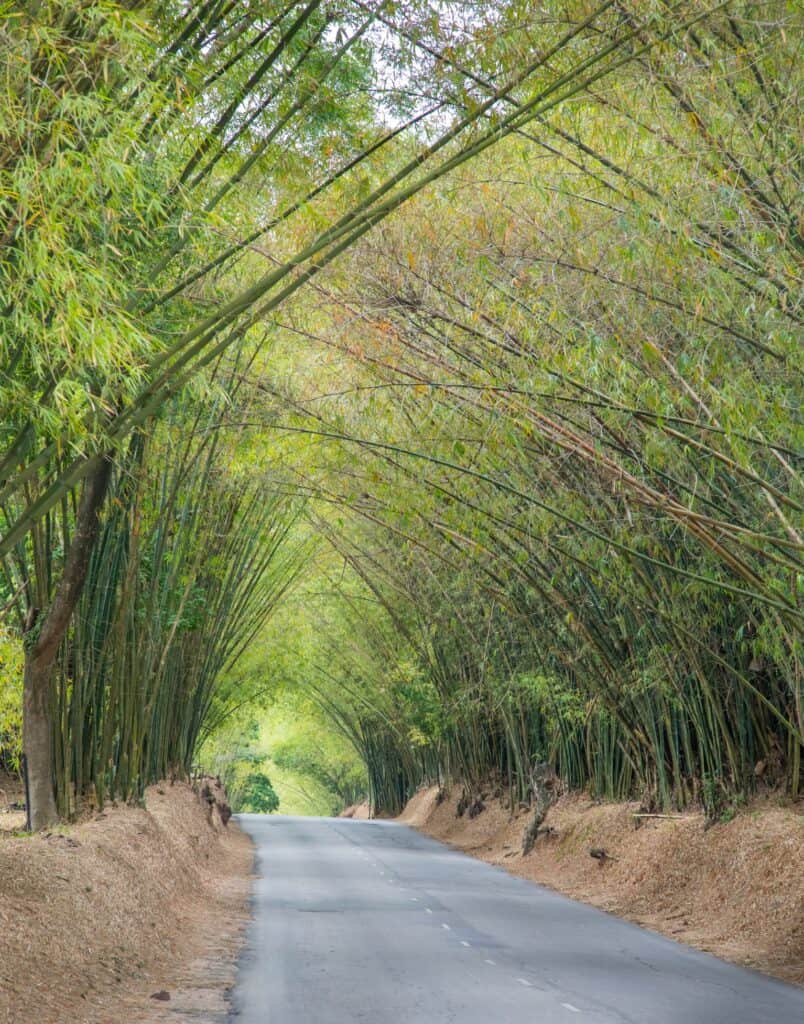
Jamaica doesn't have a rail network for passengers, so your options are road-based. Renting a car gives you the most freedom, especially if you want to reach places that package tours skip, like Treasure Beach or the drive through Bamboo Avenue in St. Elizabeth. Driving is on the left, roads outside the main towns can be narrow and poorly lit at night, and GPS signal drops in rural stretches, so download offline maps before you set out.
Knutsford Express runs a reliable, air-conditioned coach network connecting Kingston, Montego Bay, Ocho Rios, Negril, and other main towns, and it's the easiest way to move between regions without driving yourself. Route taxis and minibuses cover shorter, local hops and cost far less, though they run on informal schedules and can get crowded.
Private transfer companies and licensed JUTA taxis are worth the extra cost for airport runs or day trips, particularly after dark. Many resort areas are walkable within themselves but spread out between towns, so factor transport time into any multi-stop day, especially if you're trying to fit in both a waterfall and a beach.
Top Jamaica travel tips
- Tipping is customary at restaurants and for tour guides, generally in the 10 to 15 percent range, though check if a service charge is already added to your bill before tipping twice.
- Patois (Jamaican Patwa) is widely spoken alongside English. Learning a few greetings goes a long way, but English will get you through anywhere tourists go.
- Buy a local SIM (Digicel and Flow are the two main networks) at the airport if you need reliable data outside resort wifi, particularly useful if you're driving yourself to places like Somerset Falls or Konoko Falls.
- Sunscreen and reef-safe lotion matter more than usual here. Several beach and river sites, including spots near Dunn's River Falls, have pushed back against sunscreens that damage coral and freshwater ecosystems.
- Unofficial guides sometimes approach visitors near popular sites offering tours or "shortcuts." Politely decline if you haven't booked through a licensed operator, and stick to marked entrances at paid attractions.
- Plug type is the same as the US and Canada (Type A/B, 110V), so North American travelers won't need an adapter.
- If you're hiking Blue Mountain Peak, start before dawn. The classic reason is the sunrise view, but the practical reason is that cloud cover rolls in by mid-morning most days, closing off the summit views entirely.
Typical costs in Jamaica
Jamaica's currency is the Jamaican dollar (JMD), though US dollars are widely accepted in tourist areas, sometimes at an unfavorable exchange rate, so paying in JMD when possible tends to work out cheaper.
- Budget meals: jerk stands, patty shops, and local cook shops are inexpensive and often the best food on the island regardless of price.
- Mid-range dining: a sit-down meal at a casual restaurant in a resort town sits in the moderate range, with seafood and imported items pushing prices higher.
- Attractions: entrance fees at sites like Dunn's River Falls & Park, YS Falls, and Green Grotto Caves fall in the moderate tier per person, with guided add-ons like tubing or zip-lining costing extra.
- Accommodation: ranges from budget guesthouses in Treasure Beach to upscale all-inclusive resorts around Negril and Montego Bay, with prices rising sharply in the December to April peak.
- Transport: route taxis and minibuses are cheap, Knutsford Express coaches are mid-range, and private transfers or rental cars cost the most but offer the most flexibility.
Confirm specific entrance fees and resort rates directly before booking, since they shift with season and sometimes with exchange rates.
Must try food and drinks
- Jerk chicken or pork: slow-smoked over pimento wood with a fiery scotch bonnet marinade. Boston Beach, in Portland parish, is widely credited as the birthplace of the style and still has some of the best roadside jerk pits on the island.
- Ackee and saltfish: Jamaica's national dish, pairing the buttery ackee fruit with salted cod, onions, and peppers. Usually served at breakfast with fried dumpling or boiled green bananas.
- Patties: a flaky, curry-colored pastry filled with beef, chicken, or vegetables, sold everywhere from bakeries to roadside stands.
- Bammy: a flatbread made from cassava, traditionally served alongside fried fish along the south coast near Treasure Beach and Black River.
- Festival: a slightly sweet fried dumpling, almost always served as a side to jerk or fried fish.
- Blue Mountain coffee: grown on the slopes near Blue Mountain Peak, it's among the more expensive coffees in the world and worth trying at source rather than buying the souvenir-shop version.
- Appleton Estate rum: Jamaica's rum tradition runs deep, and the Appleton Estate Rum Tour in St. Elizabeth parish walks through the distillation and aging process with tastings at the end.
- Red Stripe: the default local beer, light and easy-drinking, found everywhere from beach bars to airport lounges.
FAQ
How many days do you need in Jamaica?
A week gives you enough time to settle into one region, such as Negril or Ocho Rios, with day trips to a couple of nearby attractions. Ten days to two weeks lets you combine a resort area with a quieter stretch, like Treasure Beach or Port Antonio, without feeling rushed.
Is Jamaica expensive to visit?
It varies widely by style of travel. All-inclusive resorts and north coast dining run upscale, while local food, guesthouses, and public transport on the south coast or in smaller towns cost far less. Budget travelers can keep costs down by eating where locals eat and using Knutsford Express or route taxis instead of private transfers.
Is Jamaica safe for tourists?
Tourist areas and resort zones are generally safe, with visible security and a tourism-focused economy that depends on it. Certain parts of Kingston and other urban areas carry higher crime risk and are best explored with a local guide or driver rather than on your own, so check current advisories before planning independent travel outside the main resort corridors.
Do you need a car in Jamaica?
Not if you're staying within one resort area, since taxis and hotel shuttles cover most needs. A car (or a hired driver) becomes useful if you want to explore multiple regions, reach spots like Bamboo Avenue or the Martha Brae River independently, or avoid being tied to tour schedules.
Is English widely spoken in Jamaica?
Yes, English is the official language and used throughout the tourism industry. Patois is the everyday spoken language among Jamaicans and you'll hear it constantly, but it won't be a barrier for visitors.
What's the best month to visit Jamaica?
February and March tend to offer the best balance of dry weather and manageable crowds, sitting inside peak season but just before the busiest holiday stretch. If you want lower prices and don't mind the chance of an afternoon shower, late April through June is a reasonable shoulder-season window.
Is Jamaica walkable?
Within specific areas like Negril's beach strip or small towns such as Treasure Beach, yes. Between towns and attractions, distances and road conditions make walking impractical, so plan on taxis, buses, or a rental car for anything beyond your immediate neighborhood. This Jamaica travel guide is a starting point. Confirm current fees, schedules, and advisories closer to your travel dates, since conditions shift season to season.
Top Places to Visit in Jamaica
View all See & Do
Barney's Botanical Garden Jamaica
 See & Do
 See & Do
Martha Brae River
 See & Do
 See & Do
Mystic Mountain
 See & Do
 See & Do
Dunn's River Falls & Park
 Eat & DrinkModerate · $$
