
Vltava
Vltava, CzechiaThe Vltava flows through the heart of central Europe with a presence that shapes everything around it. In Prague, the river curves beneath the Charles Bridge while tourists and locals crowd the stone arches, and the Vltava simply keeps moving, indifferent and constant. Upstream, the water is quieter, passing through forests and small towns where you might be alone on the bank for hours. Downstream it widens, pooling behind dams into reservoirs that locals fish and swim in depending on the season. The river itself is not a single attraction you tick off a list. It's a presence that makes sense of the landscape, the reason Prague exists where it does, the reason certain towns cluster along its course.
Why this place matters
The Vltava is the longest river entirely within Bohemia, and it has been the organizing principle of human settlement in this region for centuries. Prague would not exist without it. The river provided water, power for mills, a transport route for goods, and a natural defense line. Medieval Prague grew on both banks because the Vltava made that location valuable. Today, the river remains central to how the city and the wider region function, both practically and culturally.
Beyond Prague, the Vltava cuts through some of the most forested and quietly dramatic landscapes in the Czech Republic. The river valley contains dozens of castles, monasteries, and small towns that developed because the water was there. Understanding the Vltava is understanding why Bohemia's settlements are where they are and why the region developed as it did.
Quick facts
- Length: approximately 430 kilometers from source to mouth at the Elbe
- Flows entirely within the Czech Republic before joining the Elbe River near Melnik
- Major reservoirs include Slapy, Orlík, and Lipno, created by dams built in the 20th century
- Passes through Prague's city center, flowing from south to north
- In Prague, the Charles Bridge crosses the river at its narrowest point in the city
- Water temperature varies seasonally; summer swims are common in designated areas
Getting there
The Vltava runs for hundreds of kilometers, so how you access it depends on which section interests you. Most visitors encounter it in Prague, where you simply walk to any of the bridges. The Charles Bridge is the most famous crossing and the most crowded by mid-morning. If you want quieter river access in the city, try the areas around Kampa Island or the embankments south of the city center.
For the upper Vltava, head south from Prague toward Cesky Krumlov, a route that follows the river through countryside for about 180 kilometers. Towns like Tabor and Cesky Krumlov sit on the river and are reachable by car or bus. The Slapy and Orlík reservoirs are accessible by car from Prague in under two hours; signage directs you to viewing points and boat launches.
Public transport connects major towns along the Vltava, but having your own car gives you flexibility to stop along the banks, explore smaller settlements, and access hiking trails that run parallel to the river. Train routes also follow the river corridor in places, particularly between Prague and towns to the south.
The layout and experience
The Vltava changes character as it flows. Near its source in the Bohemian Forest, it's a small, fast-moving stream. By the time it reaches Cesky Krumlov, it has widened and slowed, winding through the landscape with architectural grace. The town sits in a dramatic bend of the river, and the castle overlooks the water from a high promontory.
South of Cesky Krumlov, the river enters a narrower valley, more forested and less developed. This section is popular with kayakers and canoeists, particularly the stretch between Cesky Krumlov and the Slapy Reservoir. Once the reservoirs begin, the river becomes a series of pools behind dams. Lipno, the largest, is a recreational destination in its own right, with boathouses, swimming areas, and small resorts.
In Prague, the Vltava widens into what locals think of as the city's river, though it's still part of the same water system. The Charles Bridge is the symbolic center, but the river also flows past the Prague Castle, beneath the National Theatre, and through the Petrin Park area. The embankments are walkable for kilometers, and several small islands break up the flow, including Kampa Island, which has become a neighborhood in its own right.
Main highlights
The Charles Bridge is unavoidable and for good reason. It's the oldest bridge in Prague, built in the 14th century, and it remains the most direct pedestrian crossing. The bridge is lined with statues and occupied by street musicians and vendors. Early morning or late evening visits are quieter than midday, though it's never truly empty.
Kampa Island sits between two channels of the Vltava in Prague. The island has become a cultural and residential quarter, with galleries, cafes, and the Museum Kampa, which houses modern art. The surrounding water channels are narrow and peaceful compared to the main river flow.
Cesky Krumlov is the most dramatic town on the river. The medieval town center sits in a tight horseshoe bend, surrounded on three sides by water. The castle rises from one bank, and from various vantage points in town, you're always aware of the river. The town is small enough to explore on foot but substantial enough to warrant several hours.
The Slapy and Orlík reservoirs offer a different kind of Vltava experience. These are recreational lakes created by dams, lined with boathouses and swimming areas. In summer, they're busy with water sports and picnickers. In quieter seasons, they're peaceful places to walk along the shore and watch birds.
The Lipno Reservoir, the largest man-made lake on the river, has a treetop walk that extends over the water and forest. The walk offers perspectives of the landscape and reservoir that you can't get from ground level.
History and background
The Vltava has been central to Bohemian history since settlement began. Medieval Prague developed where it did because the river provided water, power, and a natural boundary. The Charles Bridge, completed in 1402, became one of the most important structures in Central Europe, connecting the Old Town to the Prague Castle and the Lesser Town on the opposite bank.
The river was also historically important for commerce. Mills and manufactories lined the banks, using the water's power. Logs were floated downstream from forests upstream, and goods moved on the water when roads were poor or nonexistent. This commercial activity shaped which towns grew and which remained small.
In the 20th century, a series of dams were built on the Vltava, creating reservoirs for hydroelectric power and flood control. These dams fundamentally altered the river's character, turning sections of free-flowing water into lakes. The largest, Lipno, was completed in 1959. These reservoirs are now integral to how the region is experienced, particularly for recreation.
Best time to visit
Summer brings the most activity to the Vltava. The water is warm enough for swimming in designated areas, boat traffic increases, and the riverside towns are lively. July and August are warmest but also most crowded, particularly in Prague and Cesky Krumlov.
Spring and fall offer quieter conditions with pleasant temperatures. The river and surrounding forests are beautiful in autumn when leaves change. Spring brings higher water levels as snow melts upstream, which can affect boating but also gives the landscape a more dynamic feeling.
Winter is quiet. The river doesn't freeze solid most years, but ice can form at the edges. The reservoirs are emptier, and many recreational facilities close or reduce hours. However, this is when you'll have the most solitude along the banks, and the light in winter is often clearer and lower, creating different photographic possibilities.
Photography tips
The Charles Bridge at dawn, before foot traffic builds, offers clearer sight lines and softer light. Position yourself on one of the islands or embankments rather than trying to shoot from the crowded bridge itself. The bridge's arches and the statues lining it create natural framing.
Cesky Krumlov's river bends offer dramatic perspectives. Walk to the castle overlook for a view of the town and river together. The best light is typically late afternoon, when the sun catches the castle and the water reflects the surrounding landscape.
The reservoirs work well for landscape photography, particularly at sunrise or sunset when the water mirrors the sky and surrounding forests. Look for boat launches or small peninsulas where you can get distance from the shore and shoot across open water.
Along the river between major towns, smaller moments often work better than grand vistas. Details like reflections in still water, the texture of riverside vegetation, or the way light breaks through trees can be more interesting than trying to capture the entire landscape.
Facilities and preparation
In Prague, facilities are extensive. Restaurants, cafes, and shops line the banks, particularly around the Charles Bridge and in the riverside neighborhoods. Public restrooms are available in major squares and commercial areas.
Towns like Cesky Krumlov have accommodations ranging from budget hostels to upscale hotels, plus restaurants and basic services. Smaller towns along the river vary. Some have accommodations and services; others are primarily residential with limited visitor infrastructure.
For water activities, recreational facilities cluster around the reservoirs. Boat rentals, swimming areas with changing facilities, and restaurants are typically found near dam sites and larger towns. In summer, some areas have lifeguards and marked swimming zones. Always check current conditions before entering the water, particularly in reservoirs where water temperature can be cold even in summer.
Hiking and cycling are popular along the Vltava, particularly on the sections with less road traffic. Trails run parallel to the river in many places. Bring water, sun protection, and appropriate footwear. Maps are available at tourist offices in major towns.
Combining with nearby attractions
Prague Castle sits on the bluffs above the Vltava's left bank as it flows through Prague. The castle complex is a full day's visit and overlooks the river throughout. You can combine river walks with castle exploration easily.
South of Prague, Konopiste Castle sits about 50 kilometers away, accessible as a day trip from Prague or as a stop if you're traveling along the Vltava valley. The castle sits on its own grounds rather than directly on the river but is in the same region.
Cesky Krumlov, at the southern end of the main tourist corridor along the river, combines the river setting with a medieval town center. Most visitors spend a full day or overnight there. Nearby, Cesky Budejovice is another historic town about 40 kilometers south, also on the Vltava.
The Bohemian Forest region, where the Vltava originates, offers hiking and quieter landscapes. If you're interested in the river's source and the forested uplands, this area is a separate destination but connected to the Vltava story.
Sample visit plan
For a Prague-centered visit: Spend your first morning walking along the embankments south of the city center, away from the Charles Bridge crowds. Have lunch at a riverside cafe. In the afternoon, cross the Charles Bridge and explore Kampa Island. If you have a second day, take a day trip to Cesky Krumlov, which is about three hours by car or bus from Prague and offers a different perspective on the river in a medieval town setting.
For a longer river journey: Start in Prague with a day exploring the city's river sections. Spend a second day traveling south along the Vltava valley, stopping in smaller towns or at viewpoints. Overnight in Cesky Krumlov or Tabor. On a third day, visit one of the reservoirs or hike a section of the river valley. This gives you a sense of the Vltava's character as it flows through different landscapes.
For a water-focused visit: Base yourself near the Slapy or Orlík reservoirs if you want to kayak, swim, or spend time on the water. These areas have rental facilities and are quieter than Prague. You can also visit the Lipno Treetop Walk and combine it with lakeside walks.
Practical tips
- Prague's Charles Bridge is most passable early morning (before 8am) or late evening (after 7pm). Midday is extremely crowded.
- The river embankments in Prague make for good walking routes away from car traffic, particularly the sections south of the city center.
- Swimming in Prague's main river channel is not recommended due to water quality and current. Designated swimming areas exist elsewhere, particularly at the reservoirs.
- If you're kayaking or boating, water levels can vary depending on dam releases and season. Check with local operators before planning a trip.
- Many riverside restaurants and cafes in Prague have outdoor seating, but in summer these fill quickly during meal hours. Off-peak times offer more relaxed service.
- Public transport between Prague and towns along the Vltava valley is reliable. Buses and trains run regularly, and tickets are inexpensive.
- The Vltava valley has several small museums dedicated to river history, mills, and local heritage. These are worth visiting if you're interested in how the river shaped the region, though they're not major attractions.
- In winter, the embankments in Prague can be icy. Wear appropriate footwear if you're walking along the water.
FAQ
Can you swim in the Vltava in Prague? Swimming in the main river channel through Prague is not recommended due to water quality and current. However, designated swimming areas exist at some of the reservoirs and in recreational zones away from the city center. Always check with local authorities about water conditions before entering.
What's the best way to see the Vltava if you don't have a car? Public transport in Prague and between major towns along the river is reliable. You can reach Cesky Krumlov by bus from Prague in about three hours. Within Prague, the embankments are walkable, and boat tours operate from various docking points along the river.
Is the Vltava safe to kayak? The upper sections of the river and the reservoirs are popular for kayaking. Water conditions, dam releases, and seasonal factors all affect safety. Rental operators in Cesky Krumlov and other towns can advise on current conditions and can rent equipment or provide guided trips.
How long is the Vltava River? The Vltava is approximately 430 kilometers long from its source in the Bohemian Forest to where it joins the Elbe River near Melnik.
Are there towns to stay in along the Vltava? Yes. Prague has extensive accommodations. Cesky Krumlov, about 180 kilometers south, has hotels and guesthouses. Smaller towns like Tabor and settlements near the reservoirs also have places to stay, though options are more limited outside the major centers.
Reviews
Sign in and mark this place visited to leave a review.
No reviews yet.
Free Trip Planner
Plan your Czechia trip with our free planner
Build a day-by-day itinerary with AI suggestions, hand-picked places, and friends. Free forever — no credit card.
Things to see near Vltava
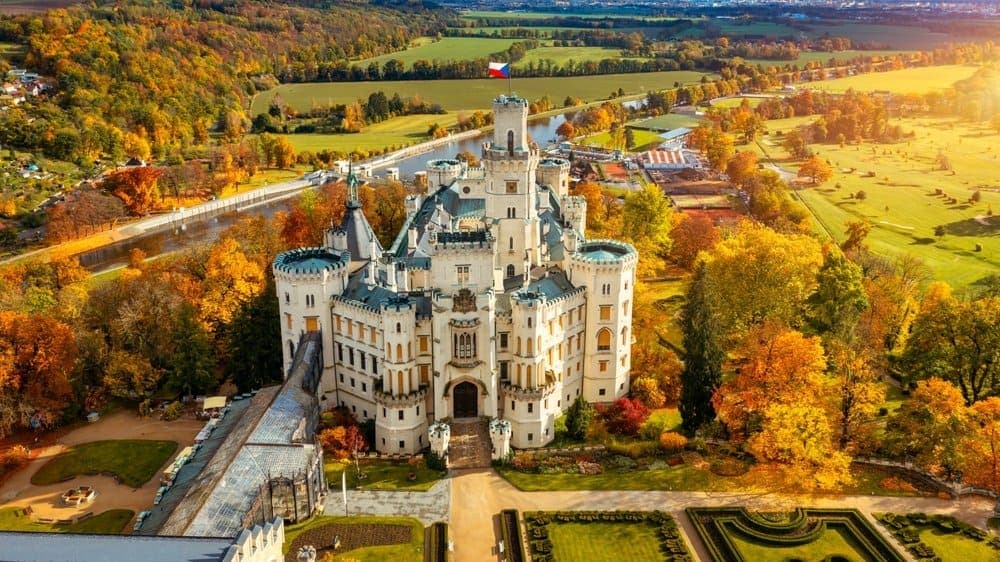
Hluboká Castle

Castle Zvíkov

Orlík Castle
