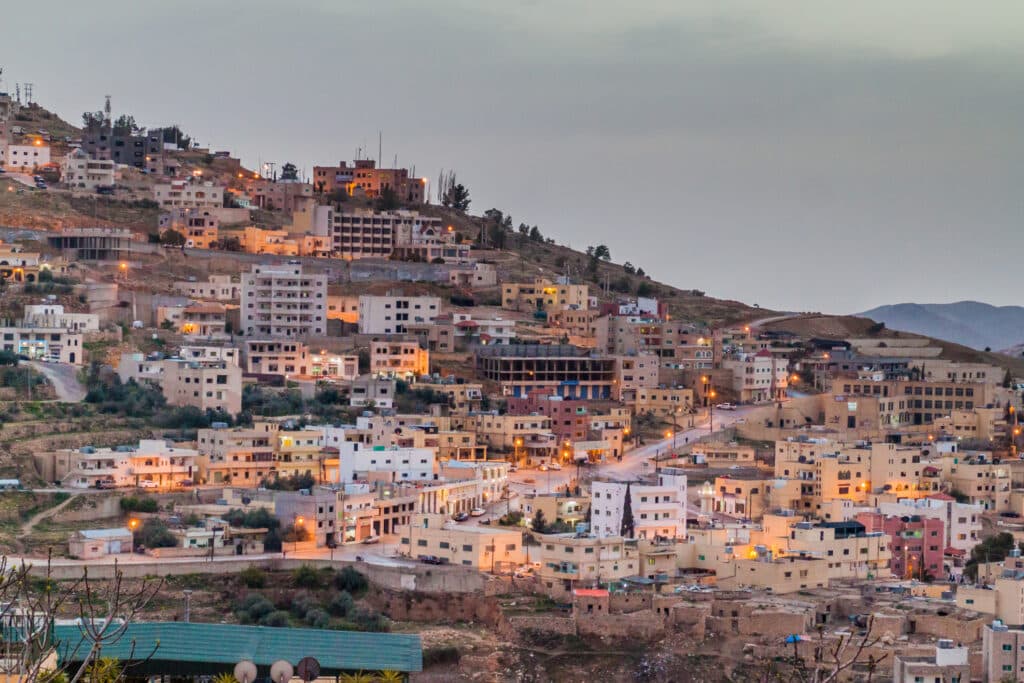
Wadi Ghuweir
Dana Jordan Posted by bazartravelsAdmin
Wadi Ghuweir Overview
Wadi Ghuweir cuts through the Dana Biosphere Reserve in northwestern Jordan, offering one of the most dramatic and accessible canyon walks in the country. The wadi descends steeply from the Dana plateau down toward the Dead Sea rift valley, passing through layers of colored rock and vegetation zones that shift as you lose elevation. Most visitors hike the main trail, which typically takes between three and five hours depending on pace and how far you venture. The canyon itself is narrow in places, with rock walls rising on both sides, and the terrain ranges from sandy sections to scrambles over boulders.
This isn't a casual stroll. You're moving downward through a real wilderness corridor, and the landscape changes dramatically as you descend. If you arrive in the morning, you'll have the best light and won't be rushing against daylight. The wadi is part of the Dana Biosphere Reserve, a protected area managed for both conservation and controlled tourism.
Why This Place Matters
Wadi Ghuweir represents one of Jordan's most intact desert canyon ecosystems. The wadi connects the cooler highland plateau of Dana to the hot, arid floor of the Dead Sea valley, creating a corridor where you can observe how plant and animal life shifts with elevation and temperature over just a few kilometers. This ecological gradient makes it scientifically significant and visually striking.
For travelers, it's one of the few places in the region where you can experience a serious backcountry hike without needing technical climbing gear or a large expedition. The sense of remoteness is genuine, even though the reserve manages the trail and maintains basic safety infrastructure.
Quick Facts
- Located in Dana Biosphere Reserve, northwestern Jordan, near the village of Dana
- Main hiking trail takes 3 to 5 hours one-way, descending roughly 1,000 meters (3,300 feet)
- The reserve covers approximately 320 square kilometers across multiple ecosystems
- Best visited October through April when temperatures are moderate
- A guide is required for most wadi hikes within the reserve
- The nearest town with accommodation is Dana village, about 20 minutes away on foot
Getting There
Wadi Ghuweir is accessed through the Dana Biosphere Reserve, which sits in the highlands above the Dead Sea rift. If you're driving from Amman, the route typically heads south and west, taking roughly three to four hours depending on your starting point and road conditions. The village of Dana itself sits on a hillside overlooking the wadi system, and from there you reach the trailhead on foot or by short vehicle transfer through the reserve.
Most travelers arrange their hike through the Dana Guesthouse or another accommodation in Dana village. The guesthouse can arrange transport to the trailhead, guides, and often a vehicle to pick you up at the bottom of the wadi if you're doing a one-way descent (the most common approach). Attempting to navigate to the trailhead alone is possible but inefficient without local knowledge of the exact access points.
Public transport to Dana village exists but requires patience and planning. A more reliable approach is to hire a driver in Amman or book a multi-day tour that includes Wadi Ghuweir as part of a larger itinerary covering southern Jordan.
The Layout and Experience
The main Wadi Ghuweir trail descends in stages. The first stretch tends to be the steepest, dropping quickly from the plateau rim into the upper canyon. The terrain here is loose stone and sandy sections where your footing matters. As you progress deeper, the wadi widens slightly and the gradient becomes more manageable, though you're still moving downward consistently.
The canyon walls show bands of color: reds, purples, and browns in the rock layers. In spring, small seeps of water support patches of vegetation even in this arid environment. You'll pass through zones where acacia trees appear, along with other drought-resistant plants adapted to the wadi's microclimate. The air temperature rises noticeably as you descend, and by the time you reach the lower sections, you're in genuinely hot, dry terrain.
Depending on the specific route your guide takes, you might encounter small rock scrambles or narrow passages where the canyon walls close in. These are manageable for anyone with basic fitness, but they do require careful footing and the ability to climb down or up a few meters using handholds. It's not technical climbing, but it's not a paved path either.
The exit point at the lower end typically opens onto more gentle terrain or connects to a waiting vehicle, depending on how your hike is arranged. Some routes end near Feynan, a smaller settlement and eco-lodge at the base of the reserve, though the exact endpoint varies based on the operator and your booking.
Main Highlights
The sheer geological variety is the first draw. You're walking through different rock formations and colored layers that geologists study, and you don't need expertise to see how visually striking the walls are. Early morning light hitting the canyon walls creates sharp shadows and brings out the color contrasts in the stone.
Wildlife sightings are possible but not guaranteed. The wadi is home to Nubian ibex, a species of wild goat adapted to steep rocky terrain, though they're elusive and tend to appear at dawn or dusk. Smaller animals like hyraxes (rock-dwelling mammals) are more common, and you might hear them before you see them. Bird watchers often spot raptors, including eagles and buzzards, riding the thermals above the canyon.
The sense of isolation and immersion in the landscape is perhaps the deepest reward. By the second or third hour of descent, you've left the Dana plateau far above and are moving through terrain that feels genuinely remote. This is not a crowded tourist trail, though you may encounter other hikers depending on the season.
History and Background
The Dana Biosphere Reserve was established in 1993 as Jordan's first biosphere reserve, recognized by UNESCO for its ecological importance and biodiversity. The reserve spans one of the most dramatic elevation changes in the region, from 1,500 meters above sea level on the western plateau down to roughly 50 meters below sea level at the Dead Sea's shore. This extreme topography creates distinct ecological zones that support different plant and animal communities.
The wadi system itself is ancient, carved by seasonal water flow over millennia. The rocks you're walking among are part of Jordan's geological heritage, with formations dating back hundreds of millions of years. Local Bedouin communities have inhabited and traversed these areas for centuries, using the wadis as seasonal routes and understanding the landscape with deep familiarity.
The modern hiking infrastructure and guided tourism model developed over the past two decades as Jordan expanded its ecotourism offerings. The reserve now balances conservation with controlled access, managing visitor numbers to protect the ecosystem while allowing people to experience the landscape.
Tickets and Entry
Entry to the Dana Biosphere Reserve requires a ticket, typically purchased at the reserve's visitor center or through your accommodation. The cost varies depending on nationality and whether you're a Jordanian resident, but it's generally in the budget-to-mid-range category. A guide is mandatory for hiking in the wadi and is arranged through the reserve or your guesthouse, adding to the overall cost.
You're usually allowed to enter the reserve during daylight hours, though specific hours should be confirmed when you book. The reserve may close certain areas seasonally or temporarily depending on conditions, so checking ahead is worth your time.
Best Time to Visit
October through April offers the most comfortable hiking conditions. Daytime temperatures are moderate, and you're less likely to encounter the extreme heat that makes summer hiking unpleasant or even unsafe. December and January are the coolest months, though occasionally there's rain or even snow at the plateau elevation, which can affect trail conditions.
Spring (March and April) brings wildflower blooms and greener vegetation, making the wadi more colorful, though the canyon is still dramatic in autumn and winter. Summer (June through September) is hot, sometimes exceeding 35 degrees Celsius (95 Fahrenheit) in the lower sections, and most guided hikes are limited or shifted to very early morning starts during these months.
Photography Tips
Shoot early in your hike when light is still coming from the side and creating contrast in the canyon walls. The colored rock layers photograph best with directional light that emphasizes the texture and bands of color. Midday overhead sun tends to flatten the scene and wash out the reds and purples.
Bring a wide-angle lens or use the wide setting on your phone camera to capture the scale of the canyon walls around you. The challenge is conveying the depth and drama of the space in a two-dimensional image, so shooting looking up toward the rim or framing a person in the scene for scale helps. Avoid pointing your camera straight down at your feet unless you're specifically documenting the trail conditions.
The lower sections of the wadi, where vegetation becomes more visible and you're approaching the exit, offer different compositions than the upper canyon. Plan to shoot throughout your hike rather than focusing only on the most dramatic early sections.
Facilities and Preparation
There are no facilities, shops, or water stations along the trail itself. You must carry all the water you'll need for the entire hike. Most hikers bring between two and three liters, depending on the season and pace. The guide will advise on quantities based on current conditions, but bringing more water than you think you'll need is the safe approach. Dehydration is a real risk, especially in warmer months.
Wear proper hiking boots or trail shoes with good grip. The terrain includes loose stone and scrambling, and twisted ankles in a remote canyon are serious. A hat and sunscreen are essential, as there's minimal shade. Bring a light layer even in warm months, as the air can cool quickly if you stop moving, and you might be in shadow in the canyon.
Let someone know your plans, including your guide's name and your expected return time. Your accommodation in Dana village will have your details, but having an additional person aware of your itinerary is sensible for any backcountry hike.
Combining with Nearby Attractions
The Dana Biosphere Reserve itself contains other trails and experiences beyond Wadi Ghuweir. Shorter walks around the Dana village plateau offer viewpoints over the wadi and Dead Sea without requiring a full-day descent. Feynan Ecolodge, located at the base of the reserve near the Dead Sea, offers a contrasting experience of the ecosystem's lower zones and sometimes serves as the endpoint for one-way wadi hikes.
The Dead Sea shoreline is roughly 20 to 30 kilometers away from the reserve. Some travelers combine a wadi hike with a day at the Dead Sea for the famous floating experience, though these are typically separate visits on different days. The Wadi Mujib area, another major canyon system, lies south along the Dead Sea and is another popular destination if you're exploring Jordan's wadi network.
Sample Visit Plan
Arrive in Dana village the day before your hike. Check in at the guesthouse, confirm your guide and pickup times with staff, and prepare your gear. This gives you time to acclimatize to the elevation and get an early start the next morning.
On hike day, start before sunrise or very early morning. Meet your guide at the arranged time and head to the trailhead. Plan to hike steadily for three to five hours depending on the exact route. Take water and snack breaks as needed, but keep moving to make good progress before midday heat intensifies. Aim to reach the lower sections or your exit point by early afternoon.
Return to Dana village by late afternoon or arrange for your guide to meet a vehicle at a prearranged point. Spend the evening recovering, eating a substantial meal, and resting. If you're staying multiple days, you might take a shorter walk the next morning or simply relax and explore Dana village on foot.
Practical Tips
- Book your guide and accommodation in Dana at least a week in advance, longer during peak season
- Confirm exact start time the evening before, as guides may adjust based on season and light
- Wear gaiters or tie your pants at the ankles to keep loose sand and small stones out of your boots
- Fill water bottles before you begin; there's no reliable water source along the main trail
- Bring trekking poles if you have them; they reduce strain on knees during the long descent
- Leave valuables and unnecessary weight at your accommodation; carry only essentials
- Test your boots on a short walk around Dana village before committing to a full wadi hike
- Tell your guide about any physical concerns or limitations at the start so they can adjust pace or route
FAQ
Do I need special climbing equipment for Wadi Ghuweir? No. While there are scrambles and sections where you use your hands, no ropes or technical gear are required. Basic fitness and careful footing are sufficient.
Can I hike Wadi Ghuweir without a guide? Guides are required by the reserve. Beyond the rule, a guide is genuinely valuable because they know the exact route, water sources, wildlife behavior, and geological details that make the hike richer and safer.
What if I'm not very fit? Talk honestly with your guide or the guesthouse staff about your fitness level. Shorter or alternative routes may be available, or they can advise whether the full descent is realistic for you. Starting early and pacing yourself carefully makes a difference.
Is the hike dangerous? The main risks are heat, dehydration, and twisted ankles on loose terrain. Bring plenty of water, wear proper footwear, and move carefully on steep sections. The wadi itself isn't exposed to rockfall or other technical hazards. Serious incidents are uncommon among hikers who follow basic precautions.
Can I do a round-trip hike or must I descend one-way? Most people hike one-way downward, with a vehicle pickup at the bottom. A round-trip is possible but much more strenuous. Ask your guide about both options when booking.
Opening hours
Reviews
Sign in and mark this place visited to leave a review.
No reviews yet.
Free Trip Planner
Plan your Dana trip with our free planner
Build a day-by-day itinerary with AI suggestions, hand-picked places, and friends. Free forever — no credit card.