
Rhode IslandDestinationsTravel Transportation
Block Island Beaches: Ultimate Guide for Ferry Travel
By

Understanding Passenger and Vehicle Ferry Transportation Options
Block Island beckons with its breathtaking coastline, offering 17 miles of some of New England's most cherished beaches. These shores range from expansive sandy stretches to secluded rocky coves, each promising a unique island experience. To fully immerse ourselves in this coastal paradise, understanding the journey there is just as important as knowing where to drop our towel.
This guide is designed to prepare you for a seamless visit. We'll navigate the essential logistics of reaching the island, starting with a comprehensive look at passenger and vehicle ferry transportation. We'll explore the various ferry options available, including comprehensive passenger and vehicle ferry services that make island access straightforward.
From there, we'll dive deep into the diverse array of Block Island's beaches. We'll cover everything from family-friendly spots to hidden gems, offering insights on what to expect, how to get there, and important safety considerations. Prepare to discover your perfect Block Island beach.
Embarking on a Block Island adventure begins with choosing the right ferry. The island, while small at just under 10 square miles, is surrounded by 17 miles of diverse coastline, making it a prime destination for beach lovers. Given its island status, ferry services are the primary mode of transportation for visitors, connecting Block Island to the mainland with various options tailored to different travel needs. Understanding these choices, from the speed of transit to vehicle capacity and seasonal availability, is crucial for a smooth journey.
High-Speed vs. Traditional Ferries
When planning your trip to Block Island, you'll generally encounter two main types of ferry services: high-speed and traditional. Each offers a distinct travel experience, primarily differing in travel time, vehicle transport capabilities, and onboard amenities.
High-speed ferries, as their name suggests, offer a quicker passage to the island. For instance, a trip from Point Judith, Rhode Island, can take as little as 30 minutes. These ferries are typically passenger-only, meaning you cannot bring your car aboard. They are an excellent choice for day-trippers or those staying in accommodations within walking distance of the ferry landing, or who plan to utilize the island's public transportation, bike rentals, or mopeds. High-speed services also operate from other regional ports, such as Newport, Rhode Island, and even as far as New London, Connecticut, and New York, though these routes are often seasonal.
Traditional ferries, on the other hand, offer a more leisurely ocean transit, with travel times usually ranging from an hour or more, depending on the departure point. The significant advantage of traditional ferries is their capacity for vehicle transport. This is the only way to bring your car to Block Island, making it an essential service for visitors planning extended stays, those with extensive beach gear, or families with young children who prefer the convenience of their own vehicle for exploring the island's many beaches and attractions. These vessels typically offer more spacious passenger areas, both indoors and on open decks, providing ample opportunity for enjoying the scenic ocean views.
Choosing between high-speed and traditional ferry services depends entirely on your travel preferences and itinerary. If speed and a car-free island experience are your priorities, the high-speed option is ideal. However, if you value the flexibility of having your own vehicle to access more remote beaches or simply prefer a more relaxed journey, traditional ferry services are the way to go. For detailed schedules, departure locations, and to understand the full range of options available, exploring the various passenger and vehicle ferry services is highly recommended.
Navigating Passenger and Vehicle Ferry Transportation Booking Schedules
Securing your ferry passage to Block Island, especially if you plan to bring a vehicle, requires careful planning and often, advance reservations. The island's popularity, particularly during the peak summer months of July and August (August 2026, for context), means that vehicle spots on traditional ferries can book up months in advance.
When making your reservation, be prepared to provide specific details about your vehicle, including its dimensions. This is crucial for ensuring proper space allocation on the ferry's car deck. Oversized vehicles, for example, may have different pricing or availability.
Departure harbors are another key consideration. The most frequent and often year-round service departs from Point Judith, Rhode Island. Other seasonal services may operate from Newport, Rhode Island; New London, Connecticut; or even New York, offering varied travel durations and convenience depending on your starting point. Always check the specific ferry operator's website for the most current schedules and departure points.
Understanding ticket policies is also important. Familiarize yourself with cancellation, change, and refund policies before booking, as these can vary between ferry companies and ticket types. Given the demand, especially for vehicle reservations, flexibility might be limited closer to your travel date. We advise booking as soon as your travel plans are firm to avoid disappointment.
Preparing Your Vehicle and Luggage for Ferry Travel
Once your ferry reservations are secured, the next step is preparing for the actual embarkation. This involves understanding the logistics of vehicle staging, arrival timing, and luggage management to ensure a smooth transition from mainland to island.
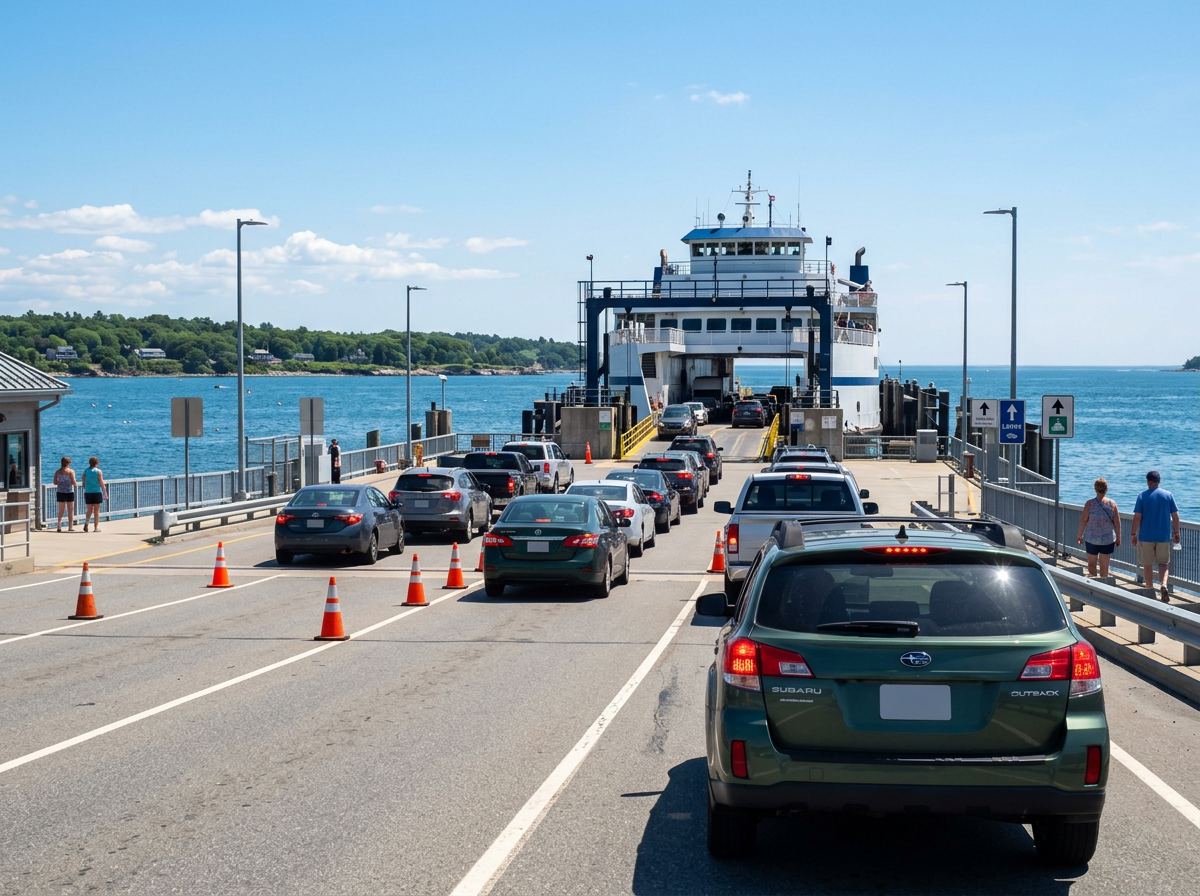
Upon arrival at the ferry terminal, you'll be directed to a designated vehicle staging area. This is typically a series of lanes where cars line up in preparation for boarding. It's imperative to arrive well in advance of your scheduled departure time—often 30 to 60 minutes prior—to allow for check-in, staging, and any necessary safety checks. Ferry operations are precise, and late arrivals may risk forfeiting their reservation.
Regarding luggage, consider what you'll need immediate access to during the crossing and upon disembarking. While most belongings can remain securely in your vehicle, it's wise to pack a small bag with essentials like snacks, water, a book, or any personal items you might want in the passenger lounge. There are usually no strict luggage limits for vehicles, but be mindful of your vehicle's clearance and overall weight. Ferry personnel will guide you onto the vehicle deck, instructing you on where to park and how to secure your vehicle.

Onboard Amenities and Vehicle Deck Protocol
Once your vehicle is parked on the ferry's deck, passengers are generally required to exit their vehicles and proceed to the designated passenger areas. This protocol ensures safety during transit and allows for a more comfortable journey.
The passenger lounges typically offer a range of amenities. You'll find indoor seating, often with tables, perfect for relaxing, reading, or enjoying a snack. Many ferries also feature snack concessions where you can purchase beverages, light meals, and treats. For those who prefer the open air, outdoor seating on the upper decks provides fantastic opportunities to take in the panoramic ocean views, spot passing boats, and feel the sea breeze. This is often a highlight of the ferry experience, offering a unique perspective of the coastline as you approach Block Island.
If you're traveling with pets, be sure to check the ferry operator's specific pet policies in advance. While dogs are generally welcome on Block Island beaches (with leash restrictions), their presence on the ferry, especially in passenger lounges, may be limited to designated areas or require them to remain in carriers on outdoor decks. It's always best to confirm these details to ensure a comfortable journey for both you and your furry companion.
Island Destination Logistics: Accessing Island Beaches and Attractions
Block Island is renowned for its diverse and pristine beaches, offering everything from bustling, amenity-rich shores to secluded, rugged coves. The island's compact size, approximately 9.73 square miles, makes exploration manageable, but understanding the characteristics and access points of its 17 miles of coastline is key to discovering your ideal spot.
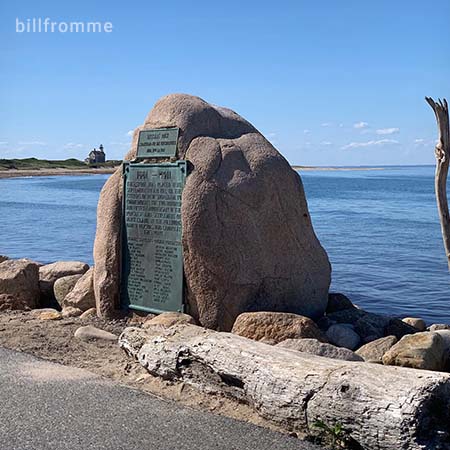
One of the island's most iconic stretches is Crescent Beach, which runs for roughly two and a half miles along the eastern side. This expansive sandy shore connects several popular spots, including Surf Beach, Baby Beach, Scotch Beach, and Fred Benson Town Beach. Fred Benson Town Beach is particularly noteworthy as Block Island's only fully equipped beach, offering a bathhouse, pavilion, lifeguards, restrooms, showers, and a concession stand. This makes it an excellent choice for families or those seeking convenience. A significant advantage for all visitors is that there are no fees to access any Block Island beach, and parking is free at all locations.
The island's beaches vary significantly in character. The eastern side, generally including Crescent Beach and its segments, is characterized by soft, golden sands and typically calmer waters, ideal for swimming, sunbathing, and family fun. In contrast, the western and northern shores often present a more rugged landscape, featuring rocky coves, dramatic bluffs, and sometimes stronger currents. These areas are perfect for adventurous beachcombers, those seeking solitude, or activities like fishing.
Here's a comparison to help you choose:
Feature/Beach Type Eastern Sandy Beaches (e.g., Crescent Beach, Fred Benson, Scotch, Mansion) Western Rocky Coves (e.g., Grace's Cove, Black Rock, Vaill) Sand Type Soft, golden, expansive sand Mix of rocks, pebbles, and smaller sandy patches; varies with storms Crowd Levels Can be busy, especially Fred Benson; Mansion Beach is quieter due to access Generally more secluded and less crowded Amenities Fred Benson: full bathhouse, lifeguards, concessions, rentals. Others: minimal Typically no amenities; pack everything you need Best For Swimming, sunbathing, families, easy access, amenities Solitude, beachcombing, fishing, rugged beauty, sunset viewing (Grace's Cove) Access Often easier, some directly off roads or short walks Requires more effort; dirt roads, trails, sometimes steep descents Safety Lifeguarded areas at Fred Benson; unlifeguarded elsewhere; watch currents Unlifeguarded; watch for rough surf, submerged rocks, strong currents Unique Feature Long stretches for walking, connecting multiple beaches Dramatic landscapes, potential for unique finds (glass floats), stunning views Managing Passenger and Vehicle Ferry Transportation for Remote Locations
While Block Island is relatively small, accessing its more remote or hard-to-reach beaches often benefits from having a vehicle or utilizing island transport options. Beaches like Mansion Beach, Black Rock, and Grace's Cove offer stunning natural beauty but require a bit more effort to reach.
Mansion Beach, often considered one of the island's grandest, is located off a dirt road. While you can bike or moped to the trailhead, parking can fill up quickly, especially during peak season. From the parking area, a short, steep trail leads down to the beach. Its seclusion means it rarely feels overcrowded, making it a favorite for those seeking tranquility.
Black Rock, named for a submerged dark rock that historically caused shipwrecks, is accessible via trails through Rodman's Hollow. This area is rugged and offers stunning scenery, though the surf can be rough. Similarly, Grace's Cove, known for its incredible sunsets and rocky shores, is often reached by walking south from Charleston Beach or north from Dorry's Cove, sometimes involving dirt roads.
For these more remote spots, having your own vehicle, or renting a moped or bicycle on the island, provides the flexibility to explore at your own pace. However, always be prepared for a walk, sometimes over uneven terrain, to reach the sand. Sturdy shoes are recommended over flip-flops for these adventures.
Beach Access, Parking, and Local Regulations
One of Block Island's most visitor-friendly policies is that there are no fees to enter any of its beaches, and parking is free at all locations. This open access encourages everyone to explore the island's diverse coastline.
When it comes to our furry friends, Block Island is notably dog-friendly. Dogs are generally allowed on most beaches, provided they are kept on a leash. This simple rule helps ensure a pleasant experience for all beachgoers and protects the island's natural environment. Always remember to clean up after your pet to maintain the pristine condition of the beaches.
For those interested in unique activities, Block Island offers opportunities like clamming and beachcombing. Andy's Way, near the Great Salt Pond, is considered a premiere clamming spot, though you'll need to obtain a clamming license from the Harbormaster shack in New Harbor. Beachcombing is popular everywhere, with some beaches like Vaill Beach noted for finding glass floats, part of the island's unique Glass Float Project. If you find one, remember to register it!
A note on beach fires: while the idea of a bonfire on the beach might sound appealing, beach fires are prohibited without a permit. These permits can be obtained from the New Shoreham Police Department. It's always best to check local regulations before planning any activities that might impact the natural environment.
Frequently Asked Questions About Ferry Travel and Island Beaches
Planning a trip to Block Island often comes with a host of questions, particularly concerning travel logistics, island mobility, and beach regulations. We've compiled answers to some of the most common inquiries to help you prepare for your visit.
Do you need a vehicle on the island or can you walk?
The decision of whether to bring a vehicle to Block Island largely depends on your itinerary and comfort level with alternative transportation. The island is relatively small, and its main hub, Old Harbor, is quite walkable. Many accommodations, shops, and restaurants are concentrated here, and popular spots like Surf Beach and Baby Beach are just a short stroll away.
For exploring beyond Old Harbor, Block Island offers several excellent alternatives to bringing a car. Bike rentals are widely available and provide a fantastic way to experience the island's scenic roads and trails. Mopeds are another popular choice for covering more ground quickly. Additionally, a public shuttle service operates during peak season, connecting key points of interest, including the ferry landings, town areas, and some popular beaches.
If your goal is to visit specific remote beaches like Mansion Beach or Black Rock, or to explore the entire island at your leisure, having a vehicle can be convenient for carrying gear and reducing travel time. However, it's certainly not a necessity, and many visitors enjoy a car-free experience, relying on walking, biking, or the shuttle. If you do plan to bring a car, advance vehicle ferry reservations are essential, especially during the busy summer months.
Are there entry fees or parking charges at island beaches?
We're pleased to confirm that there are absolutely no fees to enter any of Block Island's beautiful beaches. This policy extends to parking as well; all beach parking on the island is free. This makes exploring the diverse coastline accessible and enjoyable for everyone without the added cost.
While all beaches are free, the amenities vary significantly. Fred Benson Town Beach stands out as the only beach with a fully equipped bathhouse, pavilion, lifeguards, restrooms, showers, and a concession stand. This makes it an ideal spot for families or those seeking convenience. Other beaches, particularly the more remote ones, offer minimal to no facilities, so planning ahead and bringing your own essentials (water, snacks, towels) is always a good idea.
What safety guidelines apply to remote or bluff-adjacent beaches?
Safety should always be a top priority when enjoying Block Island's stunning coastline, especially at remote or bluff-adjacent beaches where conditions can be more rugged.
One of the most iconic and dramatic locations is Mohegan Bluffs. These majestic clay cliffs soar 200 feet above the Atlantic Ocean, offering breathtaking views. A set of 141 stairs leads down to a secluded beach below. While the descent is an adventure in itself, visitors should be prepared for the strenuous climb back up. The beach at the base of the bluffs is unlifeguarded, and the waters can be unpredictable. We advise caution when swimming and always recommend staying aware of ocean conditions. Rough surf and rip currents can be present, especially after storms.
Other remote beaches, such as those found along the western and northern shores, often feature rocky terrain and can also experience stronger currents or rougher surf. For instance, Cow Cove in the north is known for dangerous rip currents, and swimming there is strongly discouraged. When visiting unlifeguarded beaches, it's crucial to swim at your own risk, never swim alone, and be mindful of any signage indicating hazardous conditions.
Always assess the environment before entering the water. Look for rocky shores, submerged obstacles, and observe the wave patterns. If you're unsure about the conditions, it's best to stay closer to shore or choose a lifeguarded beach like Fred Benson Town Beach. Packing sturdy shoes is also advisable for navigating rocky paths or steep trails to these more adventurous spots.
Conclusion
Block Island truly offers a quintessential New England beach experience, boasting 17 miles of diverse coastline that caters to every preference, from the family-friendly sands of Fred Benson Town Beach to the dramatic bluffs overlooking secluded coves like Grace's Cove. Our journey through the island's beaches and the logistics of getting there underscores the importance of thoughtful trip planning.
Whether you opt for the swift passage of a high-speed ferry or the convenience of bringing your vehicle on a traditional ferry, booking your passage in advance, especially during the bustling summer months, is paramount. Remember to prepare your vehicle and luggage according to ferry protocols for a seamless embarkation.
Once on the island, the freedom to explore awaits. With no fees for beach access or parking, and a variety of transportation options from walking to mopeds, you can easily discover everything from popular swimming spots to hidden gems. Always prioritize safety, especially at unlifeguarded and bluff-adjacent beaches, respecting the ocean's power and the island's natural beauty.
As you pack your bags for August 2026, envision yourself strolling along soft sands, discovering unique glass floats, or simply soaking in a breathtaking sunset. Block Island's beaches are more than just stretches of sand; they are vibrant ecosystems and cherished havens waiting to be explored. Plan wisely, travel safely, and prepare to create unforgettable memories on this charming island.