
EnglandUnited KingdomDestinations
Stone, Wool and Market Towns: The Stories That Explain the Cotswolds
By
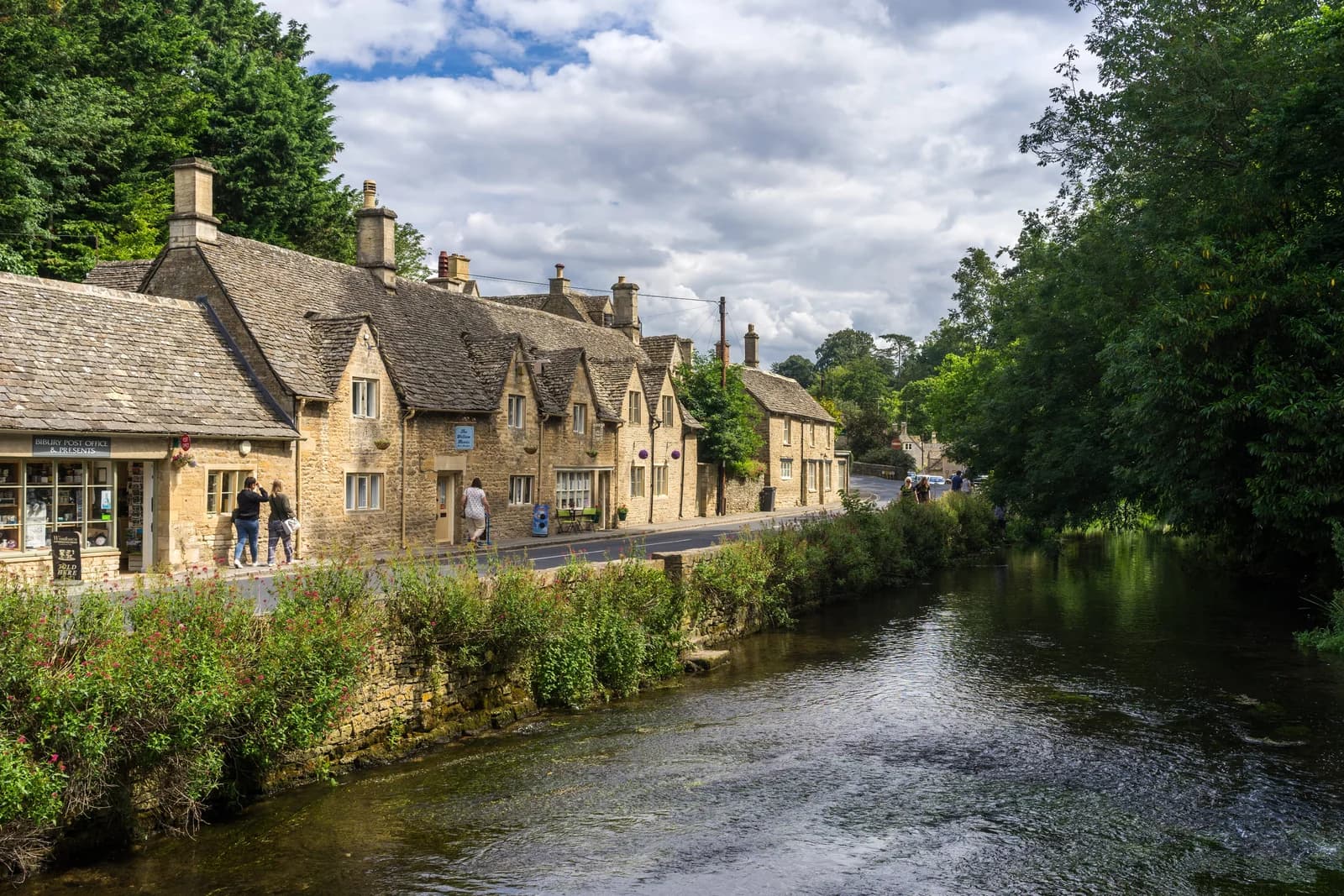
The Cotswolds are often described in terms of the beauty of their landscape: honey-coloured stone houses, gently rolling countryside, old churches and high streets that look like paintings. But these features were not created simply to make a pretty view.
Much of what visitors recognise as "typically Cotswold" is bound up with centuries of trade and farming, and with the geology of the region. In the Middle Ages, the hugely profitable wool trade brought great prosperity to the area and funded the churches, manor houses and market towns that remain its landmarks today.
The best way to understand that history properly is to visit the Cotswold towns one by one.
Chipping Campden: A Town That Grew Up Around Trade
Nowhere shows the link between commerce and architecture more clearly than Chipping Campden.
The town was laid out in the late 12th century along an important medieval trade route. Its very name tells you what it was for: "chipping" is an old word for market. The long High Street and the surviving Market Hall still reflect the commercial bustle of those days.
The wealth that wool brought left grander buildings behind as well. St James’ Church is one of the Cotswolds’ famous "wool churches", proof of how the profits of medieval trade were transformed into ambitious architecture.
Rather than simply looking at the buildings, walk while picturing the merchants, farmers and traders who passed along these same streets centuries ago — it makes exploring Chipping Campden far more interesting.
Stow-on-the-Wold: Where Roads and Markets Met
There is a reason Stow-on-the-Wold became an important centre of trade, and that reason is its location.
Sitting on high ground some 800 feet above sea level, on the historic Fosse Way where several roads cross, the town developed as a natural stopping point for trade and travel. The vast Market Square, with its Market Cross and its medieval stocks, is the clearest surviving reminder of that role.
The clue that helps visitors truly understand the town is the scale of that square. It may feel disproportionately spacious for such a small place, but in the era when the market was the centre of the local economy, all that space was essential.
Joining an organised Cotswold Tours to visit Stow, Chipping Campden and other places therefore offers more than just beautiful photographs. Seeing several towns together makes it much clearer how trade routes, markets and local prosperity shaped each part of the region.
Burford: Reading History Along the High Street
Burford tells another of the stories held by the Cotswold market towns.
Its famous High Street, lined with historic stone buildings, slopes gently down towards the River Windrush. The building that carries the town’s history most strongly is the Tolsey, a Tudor market building once used by merchants. Today it serves as a museum telling the story of the town.
Burford also has a magnificent wool church, St John the Baptist, confirming the deep connection between the medieval local economy and the superb architecture that survives to this day.
Walking down Burford’s hill therefore feels like moving through a preserved commercial landscape. Its beautiful architecture is more than scenery: it quietly tells you what the people who built this town valued.
Bibury: The Wool History Hidden Behind a Famous View
Bibury may be a village rather than a market town, but it is essential to this story — because one of the most photographed sights in the Cotswolds began with a surprisingly practical purpose.
Arlington Row was originally built in the 14th century as a monastic wool store. It was later converted into weavers’ cottages in the 17th century. The name of nearby Rack Isle comes from the racks on which washed wool was hung to dry.
Knowing this history changes how Arlington Row looks. Today the row of cottages is impossibly picturesque, but it was once part of a working landscape tied directly to cloth production.
This is exactly how beauty and economic history are intertwined in the Cotswolds.
Looking Beyond the Honey-Coloured Stone
The distinctive limestone remains one of the most recognisable symbols of the Cotswolds. The ready local availability of good building stone explains why it is used so widely in the architecture here.
But the stone alone cannot fully explain why these towns look the way they do.
Behind it lies a deeper story: flocks of sheep grazing the surrounding hills, merchants who made their fortunes from wool, markets established along the trade routes, and prosperous communities that invested that wealth in churches and houses.
Once these historical connections come into view, a trip to the Cotswolds is transformed. Chipping Campden’s High Street is no longer merely a pretty road; Stow’s enormous square suddenly makes sense. The Tolsey’s original purpose in Burford becomes clear, and Arlington Row emerges as part of a much larger economic history.
The landscape people travel so far to see today is, in many ways, a physical record of how generations of Cotswold people made their living.