
The Changing Role of Technology in Everyday Driving
By
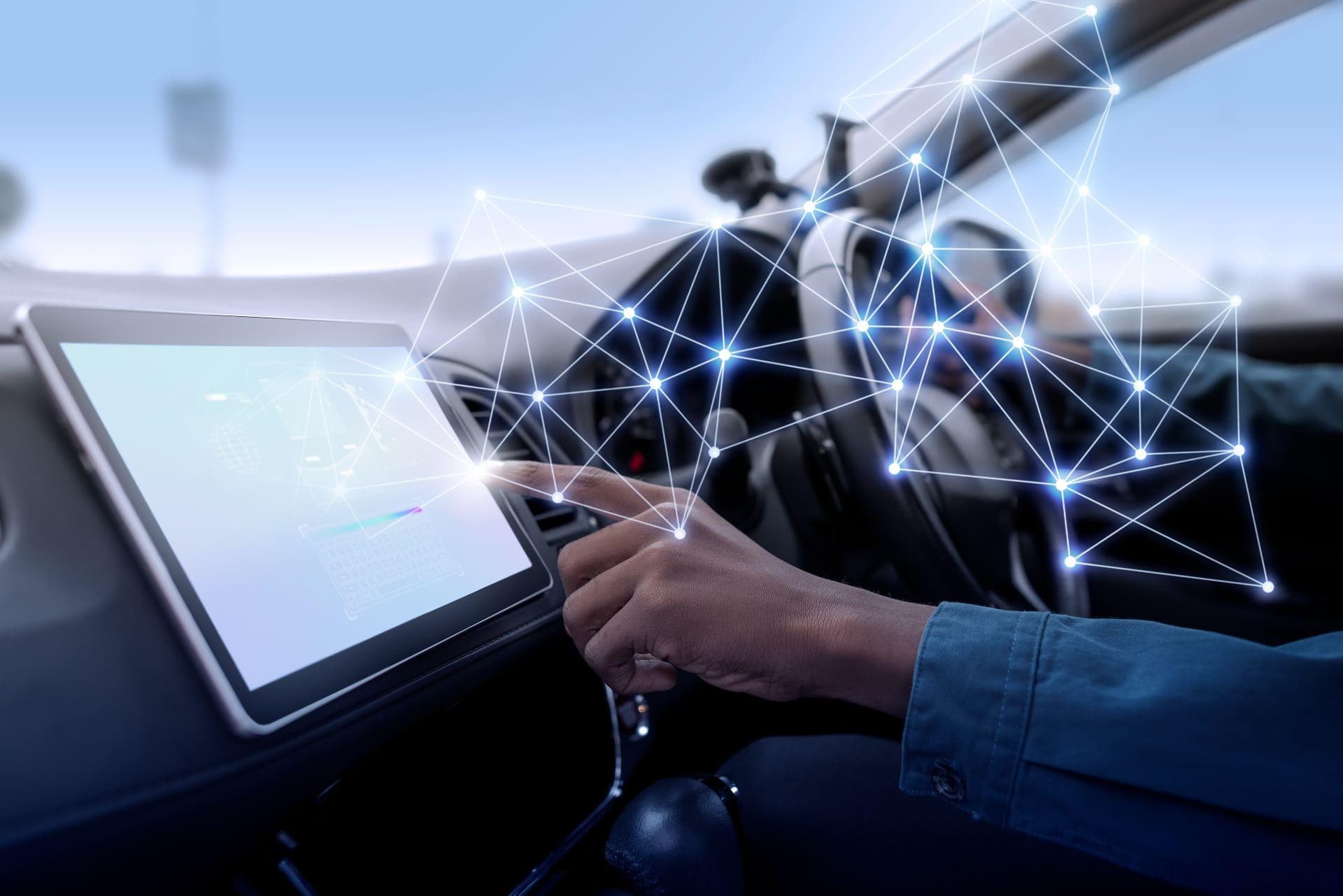
Your everyday drive has more going on than it used to. Busy roads. Higher fuel prices. Phone notifications buzzing at the worst time. And then there are the vehicle features you may have, but maybe haven’t fully figured out yet.
That’s exactly why the changing role of technology in driving matters. The latest systems are not just there to look impressive on a dashboard screen. They can help you use less fuel, notice risks earlier, park with less stress, and get through daily trips with a little more confidence.
The real issue is no longer whether technology belongs in cars. It clearly does. The better question is how you can use it in a way that feels helpful, safe, and not overwhelming.
How Driving Tech Got Here
To see where driving technology is going, it helps to look at how far it has already come. Cars have moved from basic mechanical safety features to connected systems that can monitor, warn, adjust, and even update after you buy the vehicle.
“In model year 2024, the use of stop/start has increased to 58% of all new gasoline non‑hybrid vehicles.”
From Seat Belts to Self-Parking
Boerne, Texas, has its own kind of driving rhythm. One minute you may be cruising through Hill Country roads, and the next you’re dealing with I-10 traffic or heading out on a weekend route that gets busy fast. Drivers here need vehicles that feel comfortable in town, steady on the highway, and capable enough for rougher ranch roads or trail conditions.
If you want to compare safety, comfort, and technology features without bouncing between a dozen places, many local drivers turn to Boerne CDJR, a trusted dealership offering Chrysler, Dodge, Jeep, and Ram models, along with digital shopping tools, service scheduling, trade-in support, and convenient test drives.
What Drivers Started Expecting
For years, buyers mostly asked about horsepower, towing, cargo space, and price. Those things still matter, of course. But expectations have widened.
Now, drivers also want blind-spot alerts, simple parking help, cleaner cabin air, smarter fuel use, and screens that don’t require a manual the size of a brick.
That’s where modern car technology became part of everyday decision-making. The impact of technology on driving now shows up during school drop-offs, grocery runs, long commutes, and weekend road trips.
Why the Pace Feels Faster
The biggest shift came when vehicles became less purely mechanical and more software-driven. A car can now improve after purchase through updates. Sensors, cameras, and onboard systems can support tasks that once depended only on the driver’s eyes, timing, and judgment.
That does not mean the driver is less important. Not at all. It simply means the vehicle has become a more active partner in the trip.
Smart Features That Make Daily Driving Easier
Once you understand the history, the next question is practical: what are cars actually doing better today?
Many smart car features focus on convenience, prediction, and comfort. The best ones quietly remove friction from your day.
Cars That Learn Your Habits
Some vehicles remember your seat position, mirror angles, preferred cabin temperature, and media settings. That may sound small, but if you share a vehicle with someone else, you know how nice it is when things reset automatically.
Other systems can monitor driving patterns and alert you when maintenance may be needed soon. No one loves surprise repair bills, so an early heads-up can be a real gift.
There’s a familiar idea behind this. The same data logic that can support an ai powered algorithm, ai for stock trading, trading signals, and real time ai trading signals can also help a vehicle notice patterns and react faster.
Voice, Touch, and Security
Voice assistants can help you change music, send a message, or ask for directions while keeping your hands closer to the wheel. Some models also offer fingerprint access, facial recognition, or digital keys for added security.
Still, design matters. A feature is only useful if it is easy to use. If a screen forces you to tap through too many menus while driving, it stops feeling smart pretty quickly.
Connected Driving Tools
Phone pairing, map apps, live traffic alerts, and software updates have changed the cabin experience. In many vehicles, the driver’s seat now feels a bit like a mobile command center.
Over-the-air updates can fix bugs, improve system behavior, or add features without a service appointment. That is a major shift from the old days, when every improvement required a trip to the shop.
From there, the conversation naturally moves to the part most drivers care about most: safety.
Safety and Efficiency Are Working Together
As connected features become more common, driving safety technology has become one of the biggest reasons people compare newer vehicles.
The goal is not to replace good driving habits. It is to give you more time, better information, and fewer surprises.
ADAS in Everyday Traffic
Lane-keeping support, adaptive cruise control, blind-spot alerts, and automatic emergency braking can make heavy traffic feel less exhausting. They are especially useful on long drives, where fatigue and fast lane changes can increase risk.
One study found that adaptive signal control technology led to a reduction in crashes of about 5 percent.
Cameras, Sensors, and Driver Monitoring
Surround-view cameras make parking lots easier to manage, especially when spaces are tight or pedestrians are moving around. Blind-spot systems help when a small car slips out of view beside a truck or SUV.
Some newer vehicles can also watch for signs of drowsiness. At first, that may feel a little strange. But if you have ever driven home tired after a long day, you know how valuable a timely alert can be.
Greener Tech on the Road
Efficiency is improving across gas, hybrid, plug-in hybrid, and electric vehicles. Stop/start systems, regenerative braking, EV route planning, and smarter energy management all aim to reduce waste.
Sustainable technology also affects shared mobility, traffic flow, and charging habits. As safety and efficiency continue to overlap, the next big step is automation.
Automation, Driver Control, and Trust
As vehicles gain more automated features, drivers need to understand what those systems can and cannot do. Trust should come from clear limits, not blind faith.
The Road Toward Self-Driving
Current driver-assist systems use cameras, radar, and other sensors to help with steering, spacing, braking, and parking. They can do impressive things, but full self-driving in every road, traffic, and weather condition is still a work in progress.
That is why technology in driving works best when you stay engaged. The car can assist. It can warn. It can reduce workload. But the person behind the wheel still has the responsibility.
Keeping Humans in the Loop
Drivers trust systems more when alerts are clear and controls are simple. If a vehicle suddenly beeps without explaining why, many people will simply turn that feature off.
Good design keeps your attention on the road, not buried in a screen. Often, the most useful systems are the quiet ones. They stay in the background until you actually need them.
Benefits and Trends Drivers Should Watch
When technology reduces stress, adds comfort, and supports better decisions, it changes the way driving feels. The future will not come from one miracle feature. More likely, it will come from many small improvements working together.
Everyday Benefits That Matter
Drivers benefit from calmer commutes, easier parking, fewer warning lights, and better maintenance reminders. Modern car technology can also support stronger resale value when future buyers want updated safety and connectivity features.
For families, driving safety technology may be the top priority. For commuters, fuel savings and comfort may matter more. For outdoor drivers, capability and confidence may lead the list.
What to Ask on a Test Drive
On a test drive, ask how each feature works, when it turns off, and what warning lights mean. Don’t feel awkward asking for a quick demonstration. It is much better to learn in the parking lot than to guess during rush hour.
Once you understand the basics, smart car features feel less like fancy extras and more like practical tools you can use every day.
Final Thoughts on Driving Tech
Car technology is no longer limited to luxury trims or oversized screens. It now affects safety, comfort, fuel use, maintenance, and confidence on ordinary roads.
The key is simple: know what each feature does before you depend on it. Visit, compare, ask questions, and take a proper test drive. The right technology will not make driving effortless, but it can make it calmer, smarter, and safer. And honestly, that is a change worth noticing before you choose your next vehicle.
Common Questions About Car Tech
What does Gen Z call a car?
Many Gen Z drivers still say “car,” but slang depends on the group and region. Some may call it a “ride,” a “whip,” or simply use the model name. Online trends change fast, so the wording is never completely fixed.
What is the role of technology in everyday life?
Technology helps people save time, stay connected, manage tasks, and make safer choices. In cars, it supports maps, maintenance alerts, safety warnings, entertainment, and fuel savings, making daily routines easier when used wisely.
Is it safe to rely on autonomous driving in everyday traffic?
It is safe only when used as intended. Most systems still require driver attention, clear weather, visible lane markings, and quick human response. Treat automation as assistance, not a replacement for paying attention.