
The Hidden Highlights of Bordeaux That Only a Local Walking Tour Reveals
By
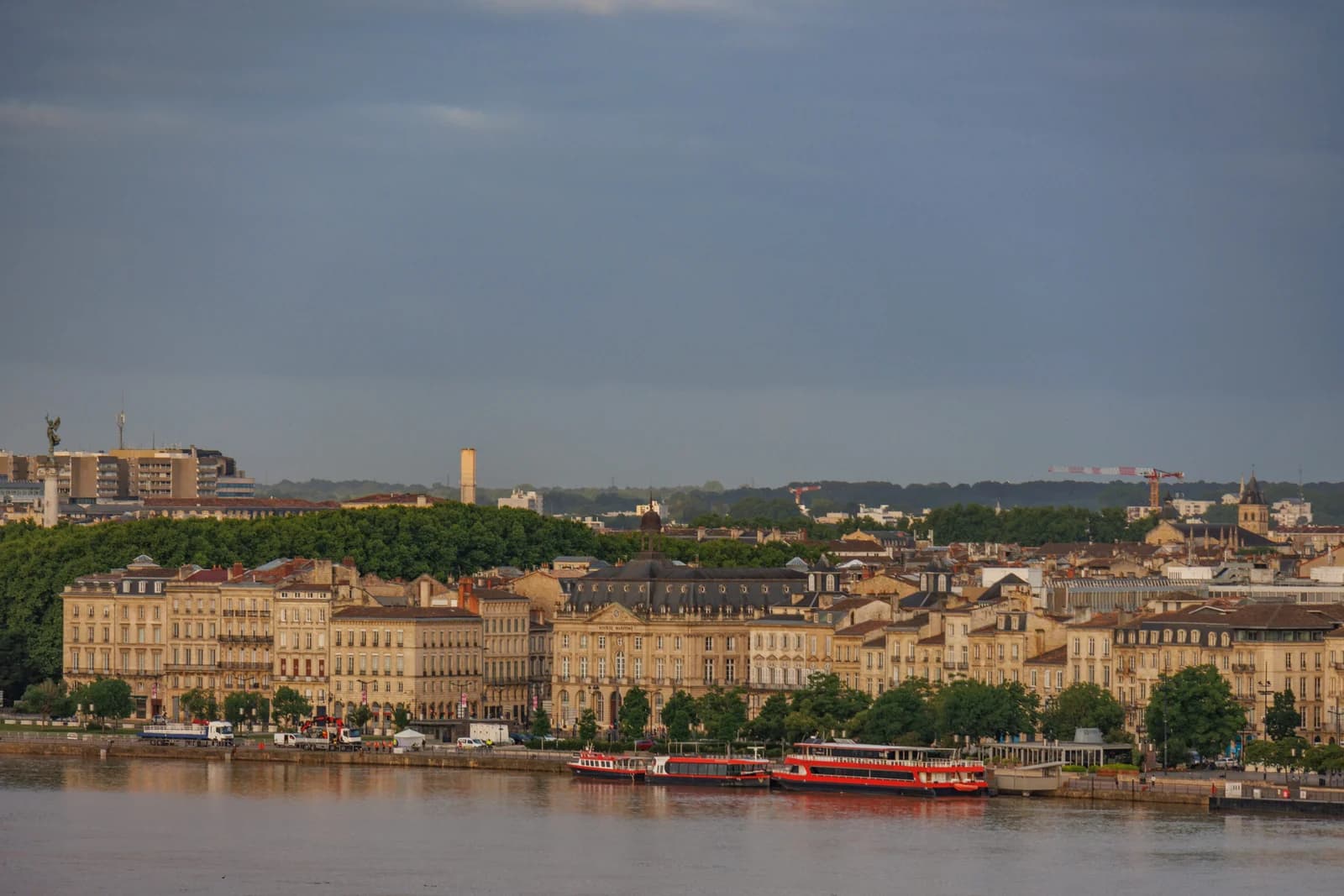
Every visitor to Bordeaux sees the same things. The Miroir d'Eau, the grand facades of the Place de la Bourse, and the Rue Sainte-Catherine. These are genuinely beautiful, and seeing them is worth your time.
But Bordeaux contains a parallel city that exists beneath and between the famous landmarks, a city of stories, architectural details, neighbourhood character, and historical layering that most visitors walk past without knowing it's there.
The gap between the Bordeaux that tourists see and the Bordeaux that locals experience is almost entirely bridged by having the right guide.
The Stories That the Buildings Don't Tell Themselves
Bordeaux's architectural grandeur is well documented. The UNESCO recognition of the historic centre as one of Europe's largest urban World Heritage zones is well known. UNESCO describes Bordeaux as "an outstanding urban and architectural ensemble of the Enlightenment age," recognising the city's remarkable 18th-century urban development and the exceptional coherence of its historic landscape.
What's less known is why the city looks the way it does, and the answer involves wine trade wealth, French royal intervention, and an 18th-century urban transformation that was as politically charged as it was aesthetically ambitious.
A guided walking tour fills this context in ways that reading a guidebook doesn't. When you understand the social and political forces that produced the architecture, you see the buildings differently. The Bourse wasn't just built to be beautiful. It was built to communicate something specific about Bordeaux's position in the French economic hierarchy.
This is the most natural placement because the UNESCO content directly supports the statement that precedes it and strengthens the transition into Bordeaux's historical development.
The Streets That Don't Make the Itinerary
The areas around Place du Parlement and the streets running east toward Saint-Pierre are among the most architecturally detailed in the city, but they're also off the main tourist route and frequently missed by visitors who follow the obvious path between the major landmarks.
The narrow streets of the Quartier Saint-Pierre contain 18th-century facades with ironwork balconies and entrance details that reward slow looking. A guide who knows these streets takes you through them with the attention they deserve rather than past them.
The Saint-Michel neighbourhood further south has a different character entirely: more working-class in its origins, more diverse in its current demographics, and home to one of Bordeaux's most interesting weekly markets and one of the best collections of Gothic architecture in the city.
The Wine Heritage That's Written Into the Streets
Bordeaux's identity is inseparable from wine, but the physical traces of the wine trade in the urban fabric of the city centre are subtle and easy to miss without direction.
The Chartrons district, which sits north of the main tourist area along the riverfront, was where the wine merchants, most of them Dutch and Irish protestant families who settled in Bordeaux specifically for the trade, established their warehouses, their trading houses, and their community institutions in the 18th century. Walking through the Chartrons with knowledge of this history transforms what looks like a pleasant residential neighbourhood into a chapter of European commercial history.
The relationship between the wine trade, the city's wealth, the slave trade that partially funded both, and the 18th-century urban transformation is a complex story that Bordeaux is increasingly telling openly. A guide who engages with this complexity rather than presenting only the beautiful surface adds genuine value to the visitor's understanding.
For visitors who want this depth of experience from their first engagement with the city, booking with Bordeaux Free Walking Tours is the practical starting point. The guides understand what makes Bordeaux genuinely interesting beyond its obvious attractions and structure their tours to reveal layers that independent exploration typically misses.
The Architectural Details That Require Local Eyes
Bordeaux's 18th-century architecture is full of detail that's invisible at normal walking pace and normal tourist attention level. The ironwork of the balconies, which varies significantly in quality and design between buildings and contains embedded information about the wealth and pretensions of the original owners. The stone carving above doorways and windows, which in many buildings includes allegorical imagery connected to the specific trade or profession of the original occupant.
The carving on the Bourse itself contains imagery that rewards close inspection. Standing in front of the building with a guide who can point to specific details and explain what they represent is a different experience from photographing the facade and moving on.
Conclusion
The hidden Bordeaux is visible from the same streets as the obvious Bordeaux. The difference is knowing where to look, what to look for, and why it matters. A local walking tour doesn't simply add information to the experience of the city, it provides the context that brings Bordeaux's history, architecture, and culture to life.
By revealing the stories behind the landmarks, highlighting overlooked neighbourhoods, and connecting visitors to the city's rich heritage, a knowledgeable guide helps transform a pleasant visit into a deeper and more memorable experience. For many travellers, that understanding becomes the difference between seeing Bordeaux and truly discovering it.