

Andorra on the map
9 places from this guide. Tap a pin to open the listing.
Andorra sits high in the Pyrenees, wedged between Spain and France in a pocket of mountains that somehow became its own country. It's one of the smallest nations in Europe, roughly 468 square kilometers, yet it holds seven parishes, a dozen ski areas, Romanesque churches older than most European cathedrals, and a reputation for tax-free shopping that pulls in day-trippers from both Barcelona and Toulouse. This Andorra travel guide covers when to go, where to base yourself, how to get up into the mountains, and which of the country's small but genuinely worthwhile sights deserve your time.
What makes Andorra odd, in a good way, is how compressed everything is. You can ski in the morning, browse electronics and perfume shops by early afternoon, and stand in a thousand-year-old chapel before dinner. There's no airport and no train line of its own, so getting there takes a bit of planning, but once you're in the country, distances between towns are short enough that nothing feels far.
When to Visit
Andorra really runs on two seasons. Between December and April, the resorts of Grandvalira and Vallnord fill up with skiers and snowboarders, and the country's population visibly swells on weekends with day-trippers from Catalonia and southern France. Snow cover is generally reliable at altitude, though base-town snow can vary year to year, so check conditions close to your trip if skiing is the whole point.
From June through September, the mountains turn green and the hiking trails open up properly. Temperatures in the valleys sit comfortably in the 20s Celsius, dropping fast once you climb. This is also when sights like the Tibetan Bridge Andorra in Canillo and the lakes above Ordino are at their most accessible, with trailheads clear of snow and mountain refuges open.
May and late October tend to be the quiet, in-between months. Some lifts and attractions scale back operations, weather is unpredictable, and a fair number of hotels use this stretch for maintenance. If you want lower prices and don't need snow or peak summer trails, this shoulder season is worth considering, but confirm opening dates for anything specific you want to see before you commit.
Where to stay
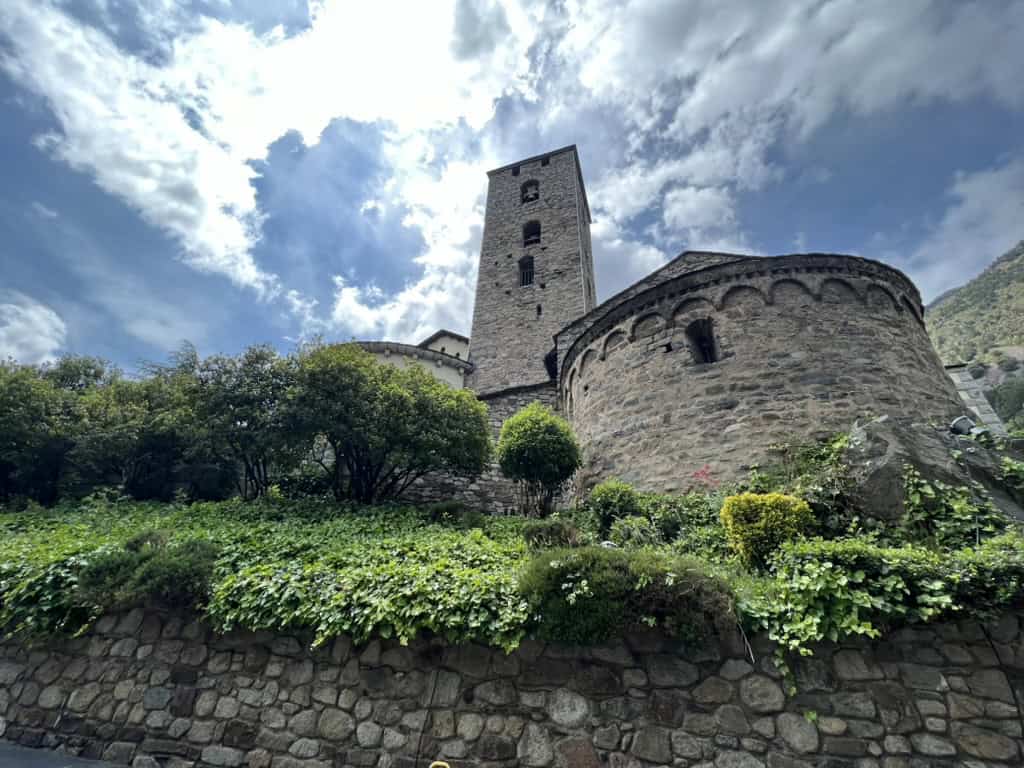
Andorra is organized into seven parishes, and picking one to base yourself in shapes your trip more than in most countries this size. Andorra la Vella, the capital, is the obvious default. It's the commercial core, with the pedestrianized Avinguda Meritxell lined with shops, and it's home to Casa de la Vall, the former seat of Andorra's parliament and one of the few genuinely historic buildings in a town otherwise dominated by retail. Nearby, Sant Esteve Church gives you a quieter, older corner of the capital, a Romanesque structure that predates the shopping strip by centuries.
Escaldes-Engordany, practically fused to the capital, is a good alternative if you want to be close to the action but slightly removed from it. It's known for its thermal spa complex, which makes it a popular pick after a day on the slopes.
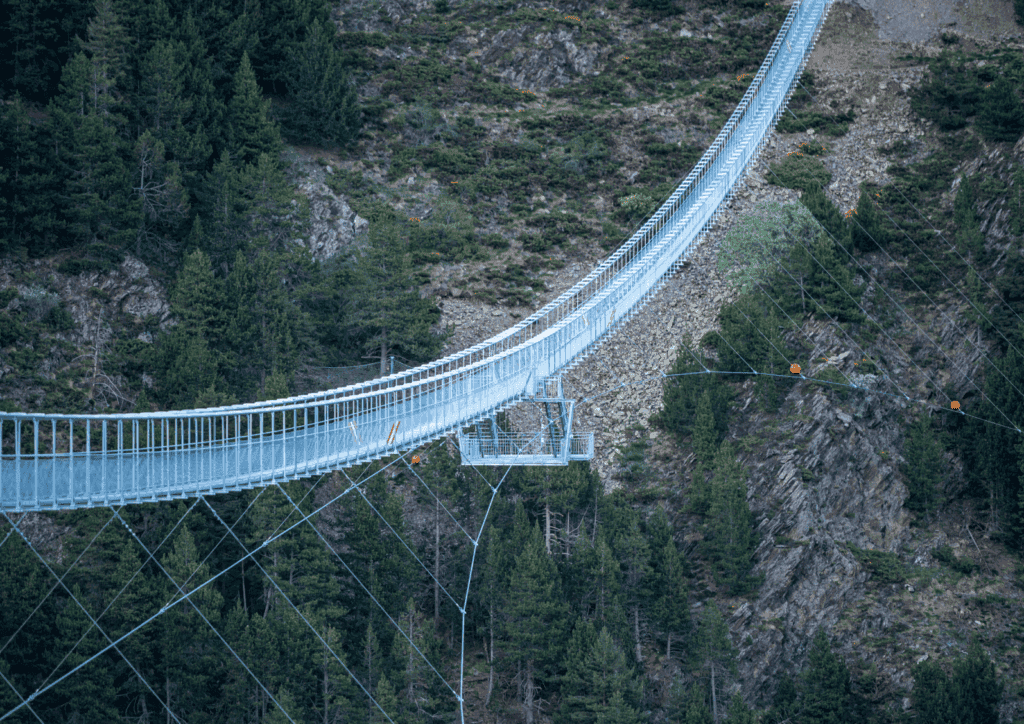
For skiers, Canillo puts you closest to the Grandvalira ski area and also happens to hold two of the country's better non-ski attractions: the Tibetan Bridge Andorra, a suspension bridge strung across a gorge with views back toward the Roc del Quer viewpoint, and the Church of Sant Joan de Caselles, a Romanesque church with a well-preserved apse and bell tower that's often cited as one of the finest in the country.
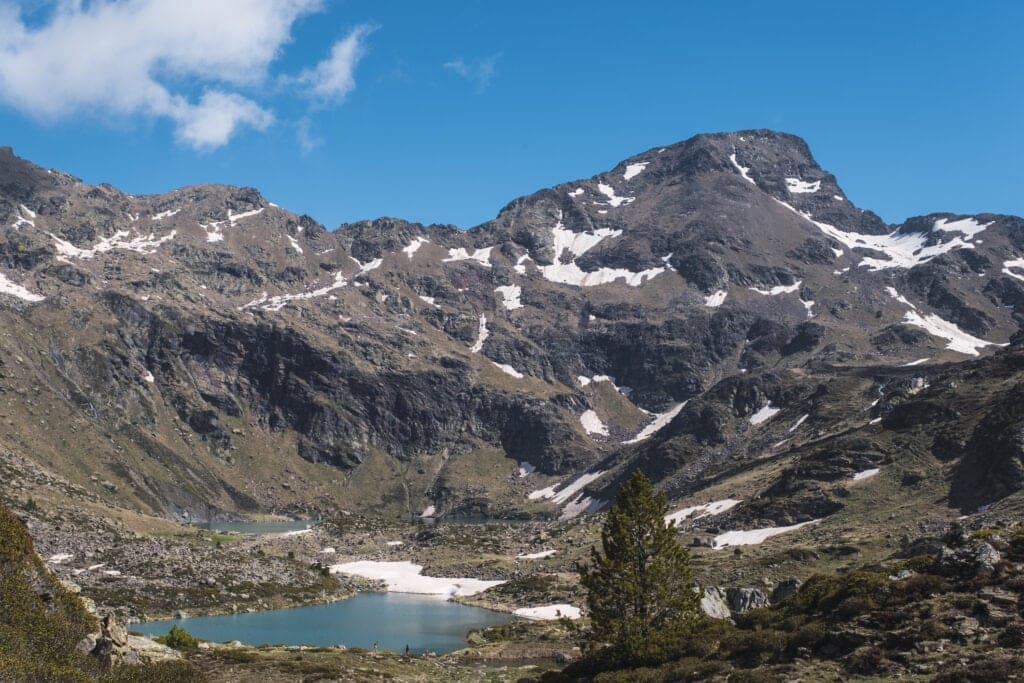
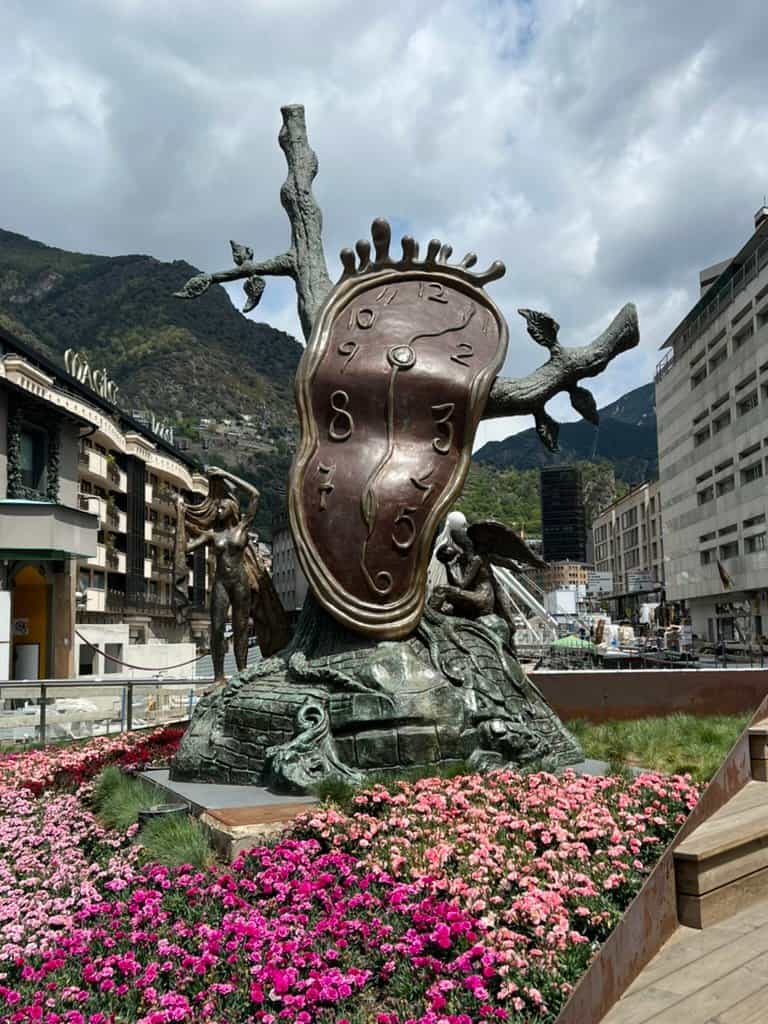
Ordino and La Massana, on the western side, suit travelers who want a quieter base with easy access to Vallnord. Ordino in particular is worth a stop for La Noblesse du Temps, a bronze sculpture by Salvador Dalí that riffs on his signature melting-clock imagery, and for the Lagos de Tristania (the Tristaina lakes), a set of glacial lakes reached by a scenic hike or, in winter, by chairlift partway up.
Encamp, between the capital and Canillo, is low-key but worth knowing for the Museu Nacional de l'Automobil, a car museum with a collection that traces the history of motoring and makes for a solid rainy-day stop. Further south, Sant Julià de Lòria is the least touristy of the parishes, home to the Rec del Sola, a walking path that follows a centuries-old irrigation channel, and close to Santa Coloma Church, often described as the oldest church in Andorra, notable for its round bell tower unusual for the region.
How to reach the destination
Andorra has no airport and no railway station of its own, so you'll be arriving overland. The two nearest airports are Barcelona-El Prat in Spain and Toulouse-Blagnac in France, both roughly three hours away by road.
From Barcelona, Andorra Direct Bus runs several direct services a day from the airport straight to Andorra, which is the simplest option if you don't want to deal with a rental car. Renting from the airport is also easy, with Europcar, Hertz, and Avis all operating there, though be ready for mountain driving on the final stretch, especially with winter tires in season. A private transfer is another option, and if you book one with a company like RideAndY, it's worth asking the driver to take the mountain pass route rather than the motorway. It adds a little time but it's a genuinely scenic drive.
From Toulouse, Andbus covers the route from the airport in about three hours, and the same international rental agencies operate there if you'd rather drive yourself.
There's no direct train into Andorra, but you can get close. Trains run by Renfe from Spain or SNCF from France can take you to L'Hospitalet-près-l'Andorre, a small town just over the French border, from where a connecting bus operated by Montmantell finishes the journey into the country.
Getting around the destination
Once you're in Andorra, the bus network run by Cooperativa Interurbana Andorrana is the backbone of public transport, linking all the main towns with frequent services. A single journey within one parish typically costs around 1.85 euros, while trips crossing into another parish run closer to 2.75 euros. It's a cheap and reliable way to move between Andorra la Vella, Escaldes-Engordany, Encamp, Canillo, and the rest.
Taxis are easy to find in the towns and can be flagged down or pre-booked, though fares climb at night and on holidays. If you want to set your own pace, car rental agencies, both international names and local operators, are widely available, but be prepared for narrow, winding roads that can turn snowy fast in winter.
Within towns, walking or cycling works well, and Andorra la Vella's old quarter is genuinely pleasant on foot. Just know that Andorra is hilly almost everywhere, so even short strolls tend to involve a climb. In winter, cable cars become a transport mode in their own right, carrying skiers up to the Grandvalira and Vallnord resorts with views that are worth the ride on their own.
Top destination travel tips
- Pack layers no matter the season. Mountain weather shifts quickly, and a sunny valley morning can turn cold and windy once you gain altitude.
- Catalan is the official language, but Spanish, French, and English are all widely understood, especially in shops and hotels.
- Bring proper footwear if you plan to hike. Trails around the Lagos de Tristania and other alpine routes get rocky and uneven fast.
- Take your first day easy. Andorra la Vella sits around 1,000 meters above sea level and resort towns go higher still, so mild altitude effects like fatigue aren't unusual.
- Andorra's tax-free status makes it a genuine draw for electronics, perfume, and alcohol, but compare prices before you buy since the gap isn't always as large as reputation suggests.
- Carry a bit of cash. Cards are accepted almost everywhere, but small cafes and rural stops sometimes prefer cash.
- Churches and museums here keep modest hours and some close for lunch, so check ahead rather than assuming.
Typical costs in the destination
Andorra uses the euro, which keeps budgeting simple if you're arriving from Spain or France. Overall, prices sit in the mid-range for Western Europe, a bit cheaper than Barcelona for dining but with ski passes and resort accommodation pushing costs up sharply in peak winter weeks.
- Budget meals: casual lunches, bakery items, and simple tapas-style dishes fall in the lower end of the mid-range bracket.
- Mid-range dining: a sit-down dinner with wine at a local restaurant will cost noticeably more during ski season than in summer.
- Accommodation: budget guesthouses and mid-range hotels are reasonable outside peak winter dates, while ski-in properties near Grandvalira or Vallnord command a premium in January and February.
- Transport: local buses are inexpensive, with single fares in the low single-digit euros, while ski lift passes and equipment rental are the biggest line item for winter visitors.
- Shopping: the tax-free appeal is real for electronics, spirits, and tobacco, though it's worth price-checking against home before assuming a bargain.
Must try food and drinks
- Escudella: a slow-cooked meat and vegetable stew, traditionally served as a winter dish and something close to a national comfort food.
- Trinxat: mashed potato and cabbage pan-fried with bits of bacon, a simple mountain dish that shows up on menus across the Pyrenees.
- Truita de carreroles: a wild mushroom omelet made with carreroles, a local variety foraged in the hills around Andorra.
- Cunillo a la Andorrana: rabbit cooked in a rich sauce, a dish you'll find on traditional menus in smaller, family-run restaurants.
- Formatge d'Ordino and other local cheeses: produced in the high valleys and worth seeking out at markets or farmhouse restaurants.
- Coca de Canillo: a sweet, flat bread often eaten at local festivals, worth trying if you time your visit right.
- Local wine and spirits: Andorra isn't a major wine region itself, but its tax-free status means Spanish and French wines are often priced well if you want to bring a bottle home.
FAQ
How many days do you need in Andorra?
Three to four days is enough for most visitors to see the main sights. That covers Andorra la Vella, the Romanesque churches, Casa de la Vall, the Tibetan Bridge in Canillo and some shopping. Skiers or hikers will want longer, and with roughly three hours of travel from Barcelona or Toulouse, avoid squeezing it into a day trip.
Do you need a car in Andorra?
No, you can see the main towns without a car thanks to the frequent bus network linking them. A car helps if you want to reach remote trailheads or explore on your own schedule. Mountain roads are winding and can be snowy in winter, so nervous drivers should rely on buses, taxis and cable cars instead.
Is Andorra safe for tourists?
Yes, Andorra is widely regarded as a very safe country with low crime, and visitors rarely have problems. The bigger risks are environmental: changeable mountain weather, icy roads and steep trails. Pack layers, check conditions before hiking or driving, and use normal precautions with valuables in busy shopping areas. Check your government's current travel advice before you go.
Is Andorra worth visiting in summer?
Yes, summer is a good time for hiking, with warm weather and clear trails from June to September. Beyond the trails, you can visit Romanesque churches like Sant Joan de Caselles, walk the Tibetan Bridge in Canillo, tour the Museu Nacional de l'Automobil and shop tax-free. Bring layers because mountain weather can change quickly.
What currency is used in Andorra?
Andorra uses the euro, even though it is not a member of the European Union. That makes budgeting simple if you arrive from Spain or France. Carry a little cash for small purchases, and check with your bank about card fees abroad.
Is Andorra walkable?
Andorra's main towns, including Andorra la Vella, are pleasant to explore on foot or by bike, but the country is quite hilly. Expect climbs even on short walks. Distances between villages are better covered by bus, while cable cars take you up to the ski resorts in winter. Wear sturdy shoes and take it easy on the first day because of the altitude.
Is Andorra expensive to visit?
It's moderate overall, cheaper than major Western European capitals for food and casual accommodation, but winter ski season pushes costs up considerably. The tax-free shopping can offset some of that if electronics, alcohol, or perfume are on your list. This Andorra travel guide's cost section gives a rough sense of what to expect by category.
Top Places to Visit in Andorra
View all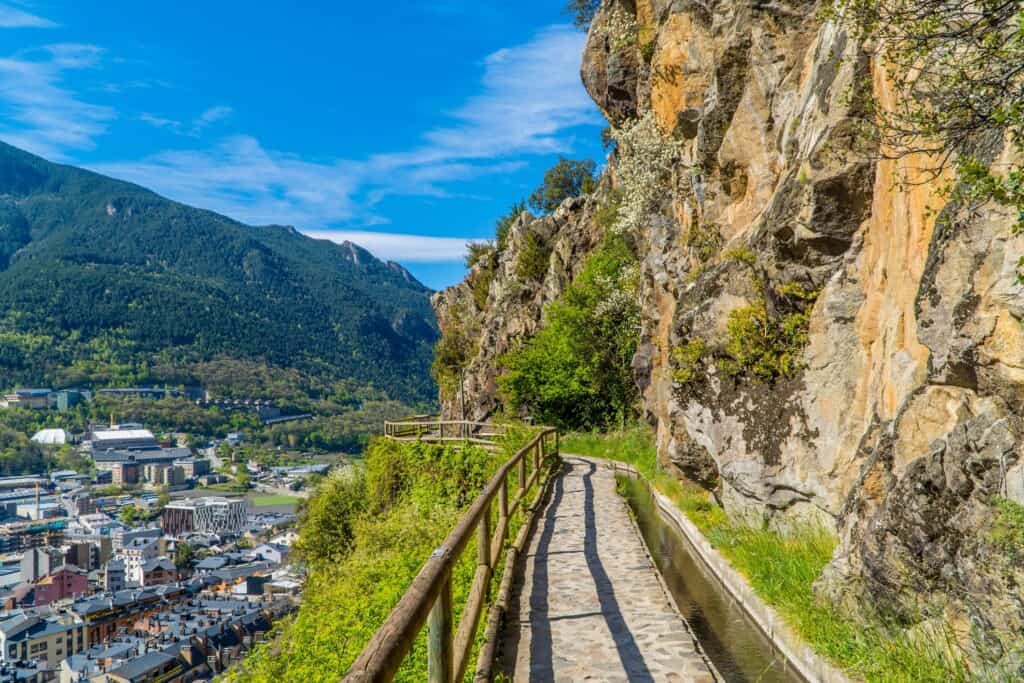 See & Do
 See & Do
 See & Do
La Noblesse du Temps
 See & Do
Museu Nacional de l’Automobil
 See & Do
Church of Sant Joan de Caselles
 See & Do
Sant Esteve Church
 See & Do
Santa Coloma Church
 See & Do