
Costa Rica on the map
56 places from this guide. Tap a pin to open the listing.
Overview
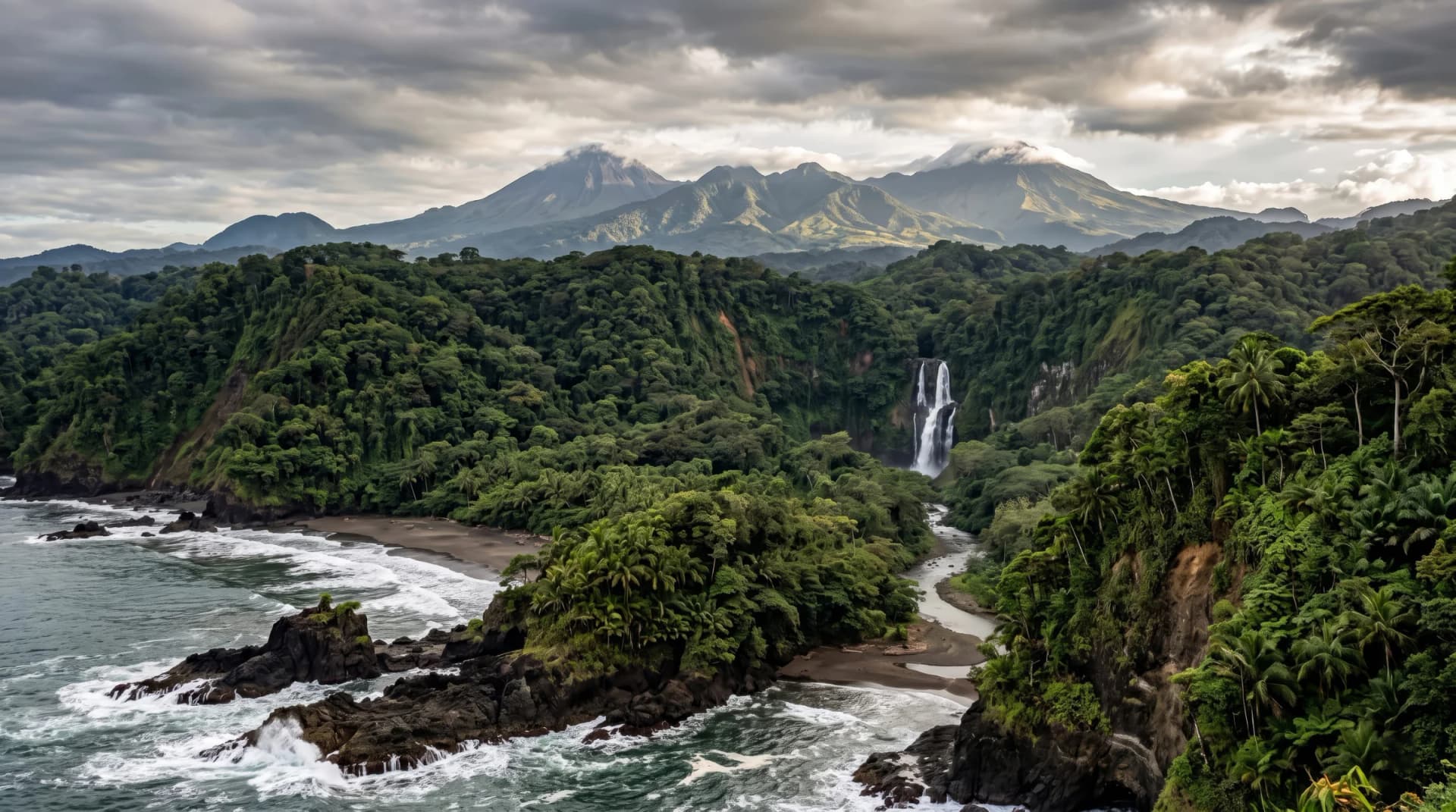
Costa Rica packs volcanoes, cloud forest, and two very different coastlines into a country roughly the size of West Virginia. This Costa Rica travel guide exists because "pura vida" isn't just a slogan here, it's closer to an operating instruction, and the country backs it up with one of the highest shares of protected land anywhere on earth, somewhere around a quarter of the national territory held as parks and reserves.
The geography does the heavy lifting. A volcanic spine runs down the center of the country, with peaks like Arenal Volcano and Poás Volcano National Park visible from towns that sit an hour or two outside San José. Drop down either side of that spine and the climate and culture shift fast: the Pacific coast runs dry and beach-driven from Guanacaste down through the Nicoya Peninsula, while the Caribbean side around Puerto Viejo de Talamanca feels slower, more Afro-Caribbean in food and music, and noticeably wetter. Then there's the Osa Peninsula in the deep south, home to Corcovado National Park, which biologists have called one of the most biologically intense places on the planet. You won't see all of it in one trip, and trying to is usually the first mistake first-time visitors make.
When to Visit
The dry season, roughly late November through April, is when most people come. Skies stay clear, trails are firm, and the beaches fill up, especially around Christmas and Easter week when Costa Rican families travel too. Book lodges near Manuel Antonio or Santa Teresa well ahead if you're traveling in this window.
The rest of the year, May through November, is what locals call green season. Rain tends to arrive in a predictable afternoon burst rather than an all-day washout, mornings are usually clear, and the forest canopy turns noticeably more green and active. Cloud forest spots like Monte Verde Cloud Forest Reserve and Curi-Cancha Reserve actually suit this season well, since mist and drizzle are part of the ecosystem's character anyway. Accommodation prices drop and crowds thin out, which makes green season the better call for budget-conscious travelers willing to pack a rain shell.
Timing matters for wildlife too. If sea turtle nesting is on your list, Tortoguero National Park sees activity across the wetter months, and local operators there can tell you what's nesting on a given week far better than any guide written months in advance. The Caribbean coast also has its own rhythm, often drying out briefly in September and October when the rest of the country is at its wettest, a quirk worth knowing if you're building a two-coast itinerary.
How to reach the destination
Most international flights land at Juan Santamaría International Airport, just outside San José. If your trip is built around the beaches and volcanoes of Guanacaste, flying directly into Daniel Oduber International Airport in Liberia saves you a long drive across the country and is worth the slightly higher fare.
Overland travel is also common from neighboring countries. Buses run from Panama (figure on a journey of around 20 hours depending on your starting point) and from Nicaragua (closer to 11 hours), crossing at land borders that can be slow-moving, especially midday. Build in buffer time and expect some queuing at immigration.
Getting around the destination
Costa Rica is small on a map and slow in practice. Roads twist through mountains, many aren't paved past the main highways, and a route that looks like 90 minutes on your phone can easily take three hours. Budget travel time generously, especially heading to the Osa Peninsula or anywhere near Drake Bay.
Shared shuttle vans connect all the major tourist stops and are the default choice for budget travelers, since they're cheap relative to private transport and a decent way to meet other travelers doing the same loop. Public buses are even cheaper, a one-way ticket from San José to Manuel Antonio runs only a few dollars, but schedules aren't always posted clearly and routes require some advance research. For groups, a private van splits down to a reasonable per-person cost and removes a lot of the guesswork.
Renting a car gives you the most freedom and is genuinely useful if you're chaining together inland stops like La Fortuna Waterfall, Catarata del Toro, and San Gerardo de Dota. Get a 4x4 if you're heading anywhere unpaved, which includes most routes to Monteverde and much of the Nicoya Peninsula. Domestic flights on small regional carriers connect San José with Drake Bay, Tortuguero, and a handful of other spots that would otherwise eat a full day of driving, and they're worth considering if your trip is under ten days.
Top destination travel tips
- Eat at sodas, the small family-run restaurants found in nearly every town. A plate of gallo pinto or a casado here is cheap, fast, and usually better than anything aimed at tourists down the street.
- Carry some colones alongside your card. US dollars are accepted at most hotels and tour desks, but smaller sodas, local buses, and market stalls often expect colones, and you'll get a better rate paying in local currency anyway.
- Book Corcovado and Tortuguero in advance. Both require a licensed guide or boat transport to enter properly, and last-minute arrivals in high season sometimes get turned away or stuck waiting a day.
- Pack for both rain and sun regardless of season. A sudden downpour at Rincón de la Vieja National Park or the Mistico Arenal Hanging Bridges is normal even in dry season.
- Respect ocean conditions. Rip currents are a real hazard on Pacific beaches, including popular ones, and lifeguards aren't guaranteed. Ask locally before swimming somewhere new.
- Leave wildlife alone. Don't feed monkeys, don't approach sloths for a photo, and keep a distance from nesting turtles at Tortuguero. Guides enforce this for good reason.
- Tipping isn't as baked into the culture as in the US. Many restaurants already add a service charge to the bill, so check before tipping twice.
Typical costs in the destination
The currency is the Costa Rican colón, though US dollars circulate freely in tourist areas and most hotels and tour operators price in dollars. Card payment is widely accepted outside rural areas, but carry some cash for sodas, small buses, and park entrance fees.
- Accommodation: hostel dorms sit at the budget end, basic private rooms in town are mid-budget, and beachside lodges or boutique hotels climb into mid-range and upscale territory. Full luxury lodges, especially near Manuel Antonio or the Osa Peninsula, push into the top tier.
- Meals: a plate at a soda is budget-friendly, sit-down restaurants in tourist zones land in the mid-range, and international or fine-dining spots in San José or beach towns run upscale.
- Transport: public buses are the cheapest way to move between towns, shared shuttles cost more but save time, and car rental plus insurance adds up fast if you're driving for a week or more.
- Tours and park fees: entrance to national parks is usually a modest fixed fee, but guided excursions, like white-water rafting on the Río Pacuare or a boat tour through Tortuguero's canals, cost considerably more and vary by operator and group size.
Must try food and drinks
- Gallo pinto: rice and beans cooked together with onion, pepper, and cilantro, served at breakfast with eggs and usually a splash of Lizano sauce.
- Casado: the standard lunch plate, rice, beans, salad, plantain, and a choice of meat or fish, found at nearly every soda in the country.
- Olla de carne: a hearty beef and root vegetable soup, common comfort food especially in the cooler mountain towns.
- Chifrijo: a bar snack of rice, beans, fried pork, and pico de gallo, usually eaten with tortilla chips alongside a cold Imperial beer.
- Ceviche: Pacific-caught fish or shrimp cured in lime with onion, cilantro, and chili, especially good near the coast around Playa Carrillo or Playa Conchal.
- Rice and beans, Caribbean style: cooked in coconut milk rather than plain water, a distinct dish from its Pacific-side cousin and a staple around Puerto Viejo de Talamanca and Cahuita National Park.
- Café de altura: high-altitude Costa Rican coffee, grown in the central valley highlands and worth seeking out black, without the usual flood of sugar.
- Agua dulce: a simple hot drink made from unrefined cane sugar, still served in rural sodas and worth trying once for the history in the cup.
- For a more composed take on local ingredients, restaurants like Sikwa, Silvestre, and Conservatorium build full tasting menus around Costa Rican produce and traditional techniques, a good contrast to a week of soda meals.
FAQ
How many days do you need in Costa Rica?
Plan at least a week, and ten days to two weeks works better if you want to cover more than one region. Roads are slow and distances deceptive, so trying to see the volcanoes, a cloud forest, and both coasts in under a week usually means a lot of time in transit and not much time anywhere.
Is Costa Rica expensive?
It's pricier than most of its Central American neighbors, closer to Western pricing for tours, lodges, and rental cars, though sodas and public buses keep daily costs manageable for budget travelers. Costs swing a lot by season and region, with the Nicoya Peninsula and Manuel Antonio generally costing more than inland towns.
Do you need a car in Costa Rica?
Not necessarily, shuttles and buses reach most major destinations, but a rental car (ideally 4x4) gives you real flexibility if you're chaining together inland stops like Arenal, Monteverde, and the Central Valley. For coastal-only trips or if you're sticking to one or two regions, shuttles are usually simpler and cheaper.
Is Costa Rica safe for travelers?
Generally yes, Costa Rica is one of the more stable and tourism-friendly countries in the region, though petty theft from cars and beaches does happen in tourist areas. Use normal precautions, don't leave valuables visible in a parked car, and ask locally about ocean conditions before swimming.
Is English widely spoken?
English is common in tourist zones, hotels, and tour operations, less so in smaller inland towns and rural sodas. Learning a handful of basic Spanish phrases goes a long way and tends to get a warmer response from locals.
What's the best month to visit Costa Rica?
February and March tend to offer the most reliable dry weather, though they're also peak season with higher prices and bigger crowds. If you'd rather trade a bit of rain for lower costs and fewer people, aim for May, June, or November.
Can you combine Costa Rica with Panama or Nicaragua?
Yes, overland buses connect both countries, with the Nicaragua crossing taking around 11 hours and Panama closer to 20, though border crossings can run slow. It's a realistic add-on if you have more than two weeks, less practical as a quick side trip within a single Costa Rica travel guide itinerary.
Top Places to Visit in Costa Rica
View all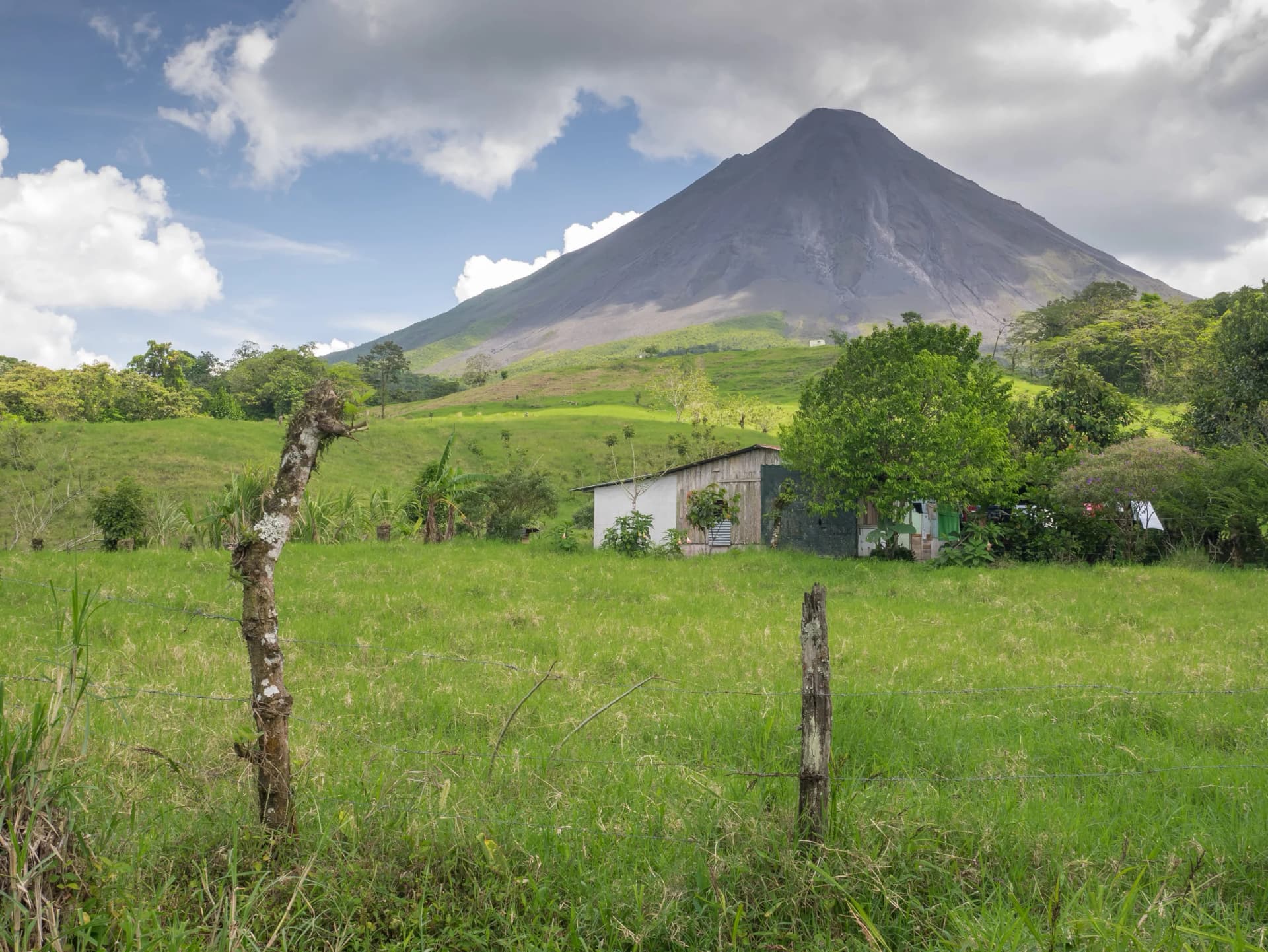 See & Do
 See & Do
 See & Do
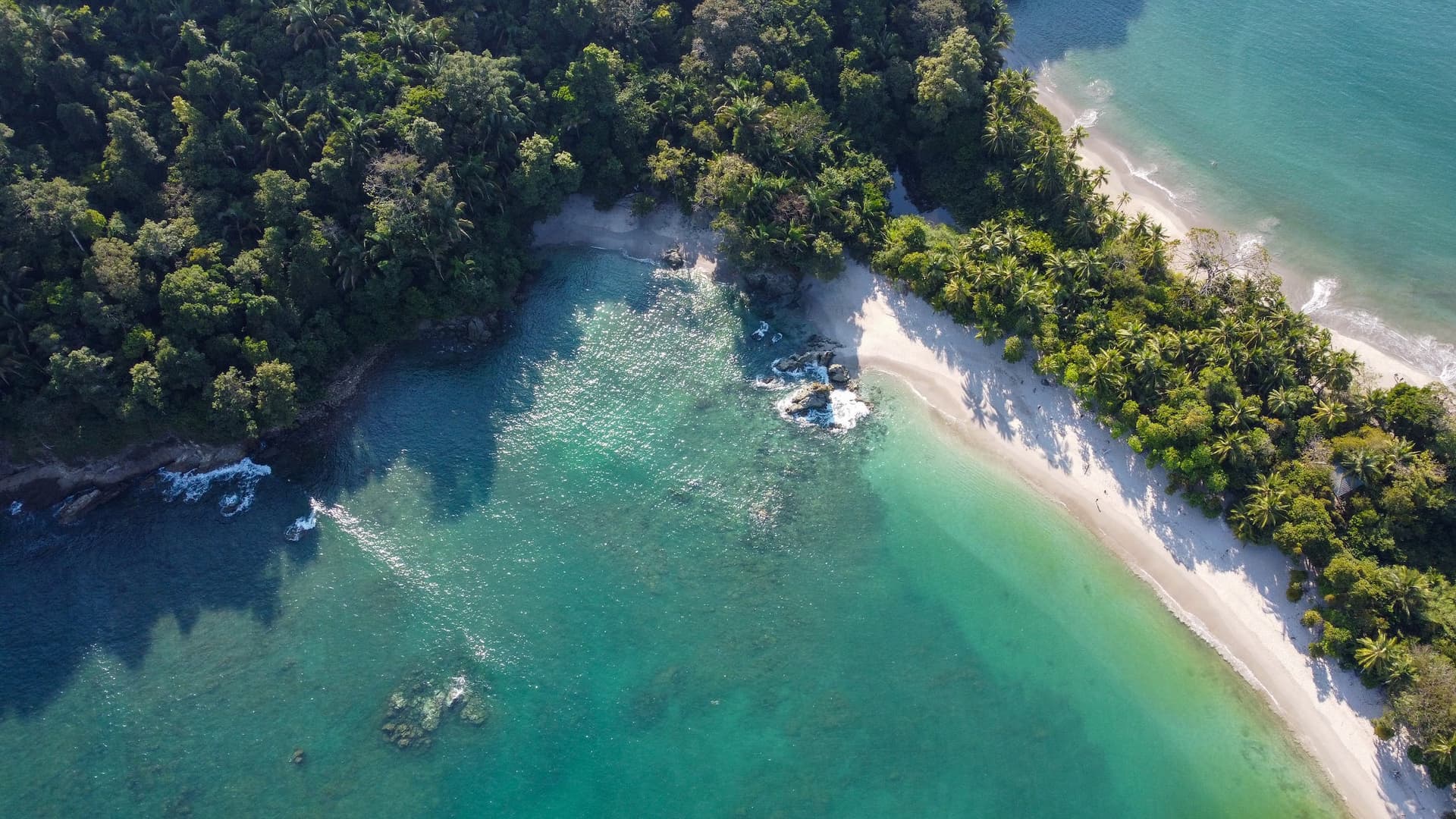
Parque Nacional Manuel Antonio
 See & Do
Tortoguero National Park
 See & Do
Corcovado National Park
The last great lowland rainforest on the Pacific coast.
 See & Do
Tenorio Volcano National Park
Where two clear rivers meet and turn opaque blue.
 See & Do
La Fortuna Waterfall
Seventy metres down a gorge you can swim at the bottom of.
 See & Do
Santa Teresa, Costa Rica
A dirt main road, a long beach break and the country's best sunsets.
Top Places to Eat in Costa Rica
View all Eat & Drink
Sikwa
Indigenous Costa Rican ingredients, cooked seriously.
 Eat & Drink
Conservatorium
A fermentation-driven tasting menu outside the city.
 Eat & Drink
Silvestre
Costa Rican home cooking, rebuilt in a historic house.
 Eat & Drink
Restaurante Grano de Oro
Courtyard dining in a Victorian mansion hotel.
 Eat & Drink
Koji's
Day-boat sushi at the end of a dirt road.
 Eat & Drink
Product C
A fish counter that doubles as a restaurant.
 Eat & Drink
Bernina Artisan Food
A small artisan kitchen in the Nicoya blue zone.
 Eat & Drink
Ram Luna
Casado and marimba above the lights of the valley.