
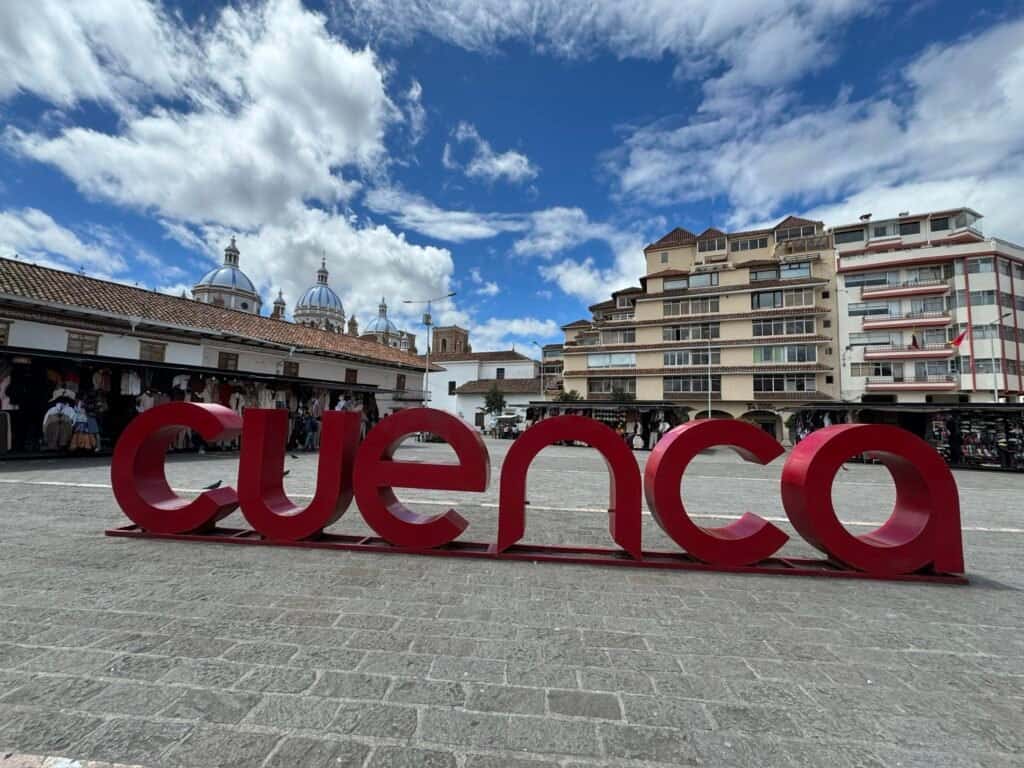
Cuenca Ecuador Travel Guide
Overview
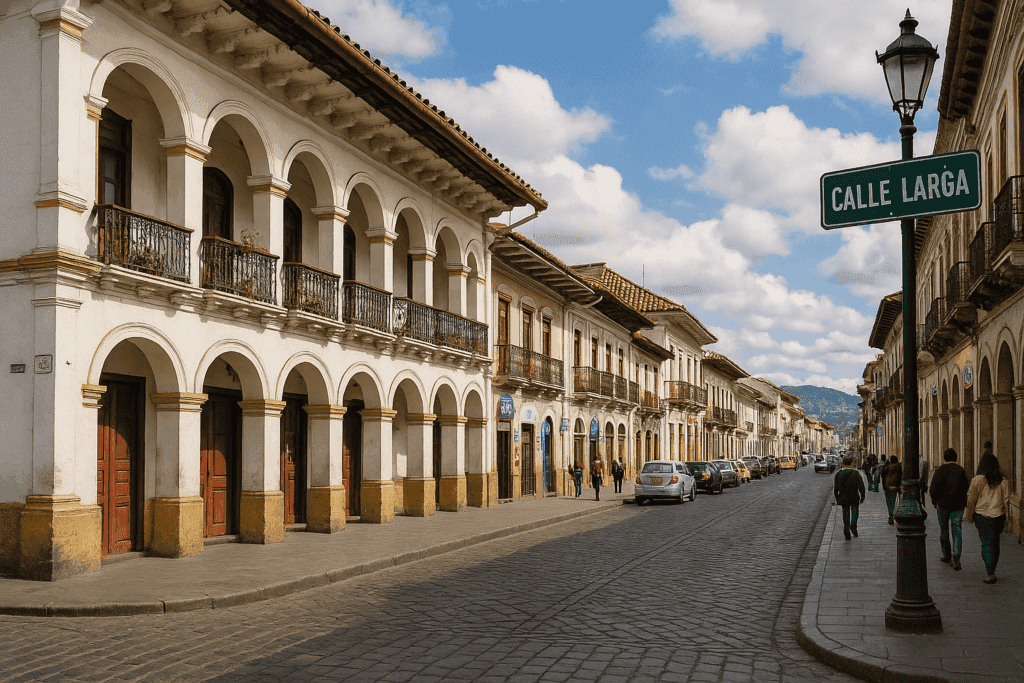
If you're putting together a Cuenca Ecuador travel guide, start here: Cuenca is Ecuador's third-largest city, sitting at roughly 2,550 meters above sea level in the southern Andes. It's the kind of place that rewards slow travel. The old city, known as El Centro Histórico, was declared a UNESCO World Heritage Site in 1999, and walking through it on a weekday morning, past colonial churches and whitewashed facades, you start to understand why.
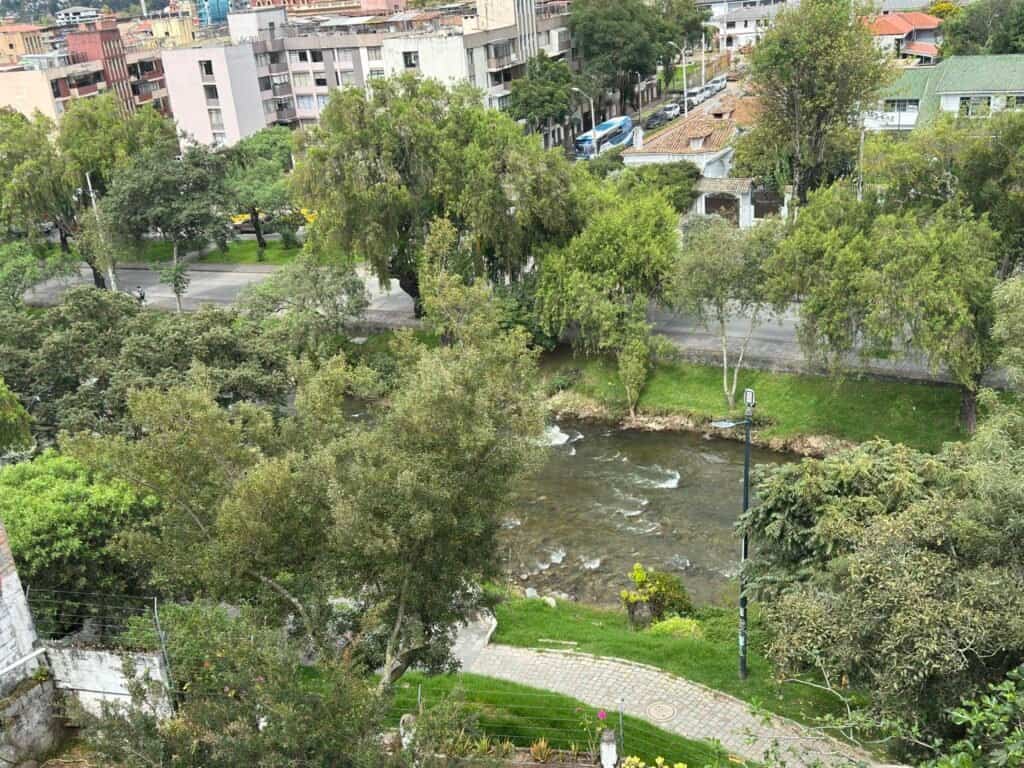
The city sits at the confluence of four rivers, the Tomebamba being the most prominent, and the riverbanks have been turned into walking paths that locals use daily for everything from jogging to letting kids run loose on weekends. The surrounding countryside is part of what makes Cuenca's geography so compelling. Within an hour or two by road, you can reach páramo highlands, the ruins of Ingapirca (Ecuador's best-preserved Inca site), and the artisan villages of the Azuay province.
Cuenca has a well-established expat community, which means services are relatively easy to navigate for English speakers. But the city hasn't turned into a tourist-only bubble. Markets, neighborhood bakeries, and local lunch spots still run on their own rhythms, largely for the people who actually live here.
When to Visit
Cuenca doesn't have dramatic seasonal swings the way coastal Ecuador does, but the pattern still matters. The driest months tend to fall between June and September, which is also when temperatures are slightly cooler and days are often bright and clear. This is peak season, and accommodation fills up faster, particularly around Corpus Christi celebrations in June and the city's Independence Day festivities on November 3rd.
February through April brings the rainy season, which in practice often means afternoon showers rather than all-day downpours. Mornings are frequently clear, and the countryside turns intensely green. Shoulder travelers who don't mind carrying a rain layer will find fewer crowds and often better deals on accommodation.
December has its own appeal. The Pase del Niño Viajero, a large Christmas procession, draws enormous crowds through the streets of El Centro and is one of the most visually striking local traditions in the southern Andes. If you're visiting in late December, book accommodation well in advance.
August tends to bring strong winds, which locals call the viracochas. The wind can make the evenings feel sharper than the temperature suggests, so pack accordingly regardless of when you arrive.
Where to Stay
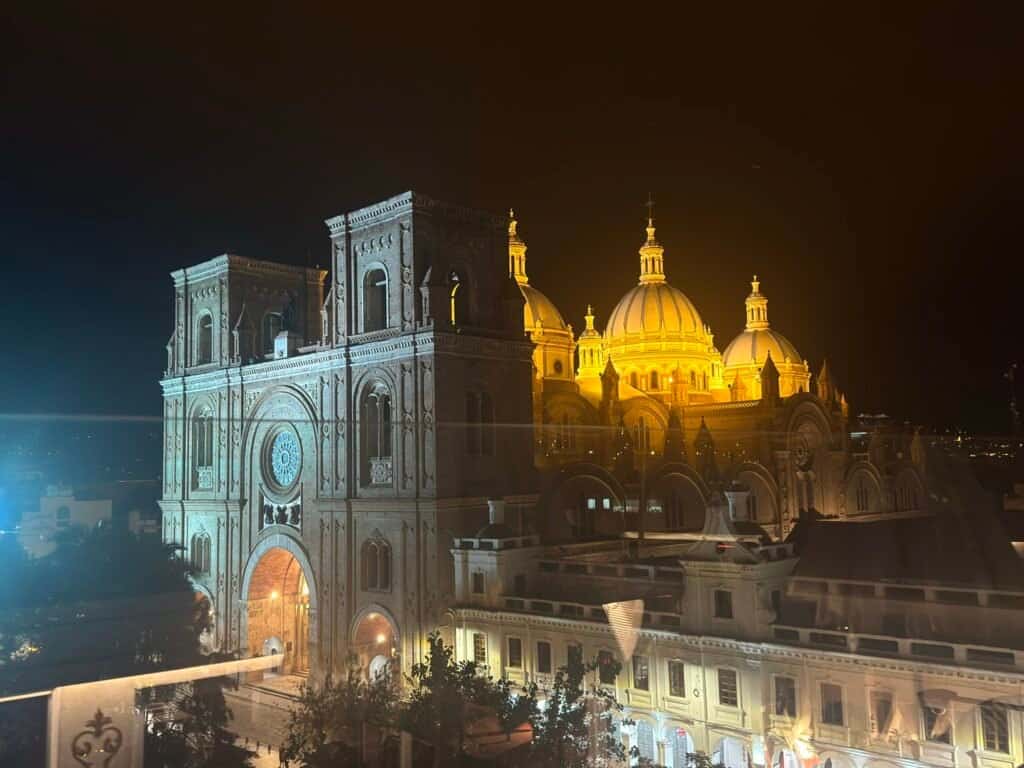
Most first-time visitors base themselves in or immediately around El Centro Histórico. The logic is straightforward: you can walk to the main markets, the Catedral de la Inmaculada Concepción (known locally as the New Cathedral), and the Tomebamba riverfront in under 15 minutes from almost anywhere in the old center. The streets here are cobbled and sometimes steep, which matters if you're hauling luggage.
El Ejido sits just south of El Centro, across the river, and has a more residential feel. It's quieter at night, and the Sunday artisan market in Parque El Ejido draws locals as much as visitors. Staying here puts you a short walk from the riverbank paths and about 10 to 15 minutes on foot from the historic core.
San Sebastián, in the western part of El Centro, has become a concentration point for boutique hotels and small restaurants over the past decade. The plaza at San Sebastián is one of the more relaxed corners of the old city, and the neighborhood tends to attract a slightly younger, design-conscious crowd.
If you prefer modern amenities and don't mind being further from the cobblestones, the area around Avenida Ordóñez Lasso to the west has larger hotels and shopping centers, though you'll need a taxi or bus to reach the historic center from there.
How to Reach the Destination
Cuenca is served by Aeropuerto Mariscal Lamar, which sits remarkably close to the city, less than 2 kilometers from El Centro. The short runway means only smaller regional aircraft operate here. Most international travelers fly into Quito (UIO) or Guayaquil (GYE) and connect. Flights from Quito and Guayaquil to Cuenca run multiple times daily and take roughly 30 to 45 minutes.
The overland option from Guayaquil takes around 3.5 to 4 hours by bus through the Cajas highlands. The scenery on this route is exceptional, particularly as the road climbs through Parque Nacional Cajas. Several bus companies run this route from Guayaquil's main terminal. From Quito, the bus journey is considerably longer, around 8 to 9 hours, and most travelers heading from Quito prefer to fly.
Ecuador uses the US dollar, so there are no currency complications at the border or on arrival. Citizens of many countries can enter Ecuador without a visa for stays up to 90 days, but entry requirements do shift, so check with your country's foreign affairs office before you travel.
Getting Around the Destination
El Centro Histórico is genuinely walkable. If you're staying in the old city, you can cover most of the main sights, markets, and restaurants on foot. The terrain is hilly in places, and the altitude catches some visitors off guard in the first day or two, so take it easy until your body adjusts.
Cuenca has a tram line, the Tranvía 4 Ríos, which runs roughly east to west through the city and passes through El Centro. It's cheap, reliable most days, and connects several neighborhoods that would otherwise require a taxi. Locals use it constantly.
Taxis are inexpensive by most international standards and widely available. Within the city center, most trips cost just a few dollars. There are both metered taxis and app-based options. InDriver operates in Cuenca and tends to be a practical choice for longer rides or trips to the airport.
For day trips to Parque Nacional Cajas (about 30 minutes west of the city) or the artisan village of Chordeleg, you can take local buses from the Terminal Terrestre or hire a taxi for a half-day. Renting a car is possible but not necessary for most visits unless you're planning an extended independent exploration of the Azuay province.
Top Destination Travel Tips
- Give yourself a full day to acclimatize. At 2,550 meters, Cuenca's altitude is enough to cause headaches and fatigue in people who arrive from sea level. Drink water, skip the alcohol on day one, and don't plan anything strenuous for your first afternoon.
- Carry small bills and coins. Many markets, bakeries, and local lunch spots struggle to break large notes. ATMs are available throughout the city, but withdraw modest amounts and keep change on hand.
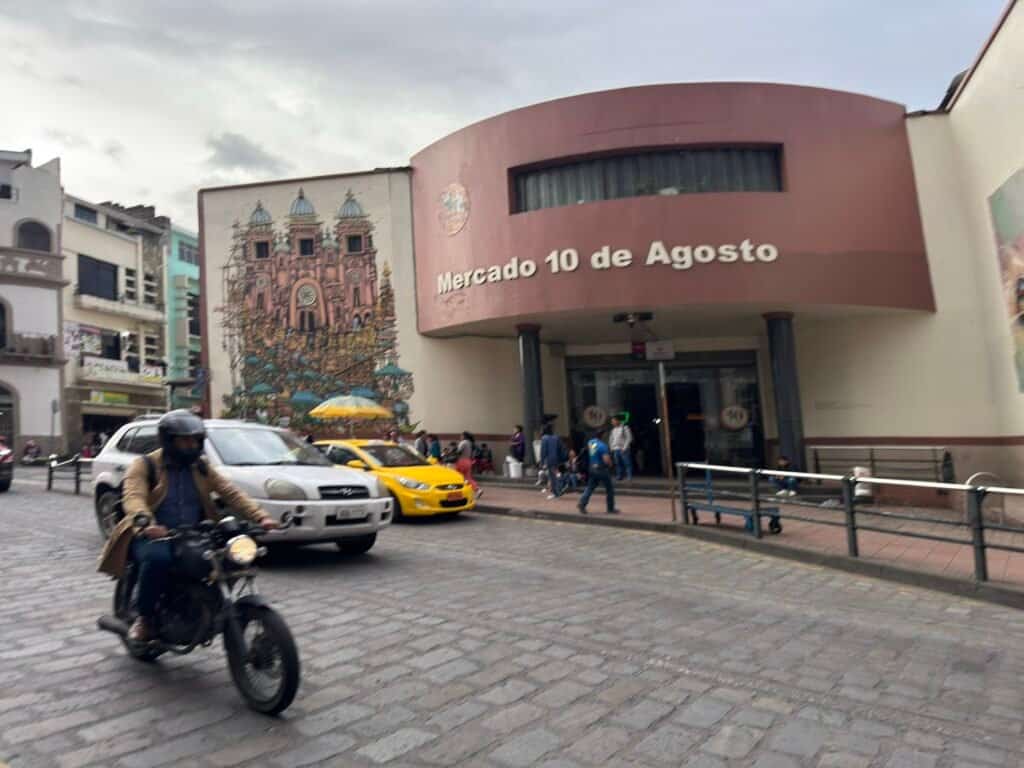
- The Mercado 10 de Agosto and Mercado 9 de Octubre are working food markets, not tourist attractions. Treat them accordingly: don't photograph people without asking, and don't haggle aggressively over food prices.
- Sunday is a good day to visit the artisan market in Parque El Ejido and a bad day to try to get much done elsewhere. Many shops and some restaurants in El Centro close on Sunday mornings.
- Cuenca's tap water is treated, but stomach sensitivity varies. Many travelers stick to bottled or filtered water for the first few days as their system adjusts to local conditions.
- Bring layers. The city sits in the Andes, and temperatures can drop sharply after sunset even in the dry season. A light jacket is useful almost every evening of the year.
- If you're visiting in early November, book accommodation at least a few weeks ahead. The Independence Day celebrations on November 3rd draw visitors from across the country and fill hotels quickly.
Typical Costs in the Destination
Ecuador uses the US dollar, which makes budgeting straightforward. Cuenca is generally more affordable than Quito and considerably cheaper than European or North American cities of comparable cultural weight.
A set lunch, called an almuerzo, at a local restaurant typically runs budget-friendly and includes soup, a main course, juice, and sometimes dessert. These are genuinely good meals and the way most locals eat on weekday afternoons. Dinner at a mid-range restaurant with a full menu runs higher, and upscale spots in El Centro or the San Sebastián area can reach fine dining territory depending on the wine list.
Accommodation ranges from budget hostels in El Centro to boutique hotels converted from colonial mansions. The latter tend to be mid-range to upscale by local standards, though they would often qualify as mid-range by North American or European pricing. Longer stays often attract discounts worth negotiating directly with the property.
Museum entry fees are modest across the board. The Museo del Sombrero (dedicated to the Panama hat, which is actually made here, not in Panama) and the Museo de las Culturas Aborígenes both charge small entry fees. Transportation within the city, whether by tram or taxi, adds up slowly. Most visitors find Cuenca a noticeably easy place to travel on a moderate daily budget.
Must Try Food and Drinks
Cuenca has a strong regional food identity within Ecuador, and the local cuisine differs meaningfully from what you'll find on the coast or in Quito. Eating well here is not difficult.
- Cuy: Roasted guinea pig, the most iconic dish of the Andean highlands. It's served whole, typically with potatoes and salsa, and has a flavor closer to rabbit than chicken. Several restaurants in El Centro specialize in it.
- Hornado: Slow-roasted pork, usually sold by weight at market stalls, served with llapingachos (pan-fried potato cakes), mote (hominy corn), and curtido (a pickled vegetable relish). A market lunch staple.
- Mote pillo: Scrambled eggs cooked with mote, often eaten for breakfast. Simple, filling, and deeply local.
- Seco de pollo or seco de chivo: A slow-cooked stew, made with chicken or goat, often cooked with chicha de jora (fermented corn beer). The goat version is more typical of the southern highlands.
- Caldo de res: A hearty beef broth with vegetables and potato, often eaten as a restorative lunch on cold or rainy days.
- Llapingachos: Worth mentioning on their own because you'll encounter them constantly. Potato cakes fried until the outside is slightly crisp, served alongside almost everything.
- Chicha de jora: The fermented corn drink used in cooking also appears as a beverage, particularly in market settings and during festivals. It's mildly alcoholic and tastes earthy and slightly sour.
- Canelazo: A warm drink made with aguardiente (sugarcane liquor), cinnamon, and fruit juice. It appears everywhere in the evenings, especially in the cooler months, and is the kind of thing you order when you realize the Andes night has arrived faster than expected.
This Cuenca Ecuador travel guide only scratches the surface of a city that genuinely rewards time. The food markets, the Cajas lakes, the Panama hat workshops, and the colonial architecture all deserve unhurried attention. Come with a loose itinerary, and you'll leave with a longer list of reasons to return.
FAQ
How many days do you need in Cuenca?
Plan on three days in Cuenca if you want the historic center, the markets and one outing to Cajas without rushing. Add a gentle first day to adjust to the altitude. Two days covers the highlights in a pinch, while a week suits slow travelers who want day trips to Ingapirca or the artisan villages.
Is Cuenca safe for tourists?
Cuenca is generally regarded as one of Ecuador's calmer, more comfortable cities for visitors, but petty theft can happen in any city. Keep phones and bags close in crowded markets, use licensed taxis or a ride app after dark, and carry only the cash you need. Check your government's current travel advisory before you book.
Is Cuenca expensive?
No, Cuenca is one of the more affordable places to visit in Ecuador and costs well below comparable cities in Europe or North America. It is generally cheaper than Quito. The weekday set lunch is the best value, while boutique hotels and upscale restaurants in El Centro cost more. Prices change, so check current rates before budgeting.
Do you need to speak Spanish in Cuenca?
You can manage in Cuenca with little Spanish, but learning the basics helps a lot. The large expat community means English is easier to find in hotels and visitor-facing services in the old center. Markets, bakeries and neighborhood lunch spots mostly run in Spanish, so greetings, numbers and food words go a long way.
Is Cajas National Park worth a day trip from Cuenca?
Yes, Cajas National Park is an easy and rewarding day trip, about 30 minutes west of Cuenca. Local buses leave from the Terminal Terrestre, or you can hire a taxi for a half day. The park sits higher than the city and the weather turns quickly, so bring warm layers and a rain jacket.
Are Panama hats really made in Cuenca?
Panama hats are made in Ecuador, not Panama, and Cuenca is one of the places most associated with them. The Museo del Sombrero is dedicated to the hat, and the city has hat workshops you can visit. Entry fees at the museum are modest, but confirm opening hours locally before you go.
Cuenca on the map
26 places from this guide. Tap a pin to open the listing.
Top Places to Visit in Cuenca
View all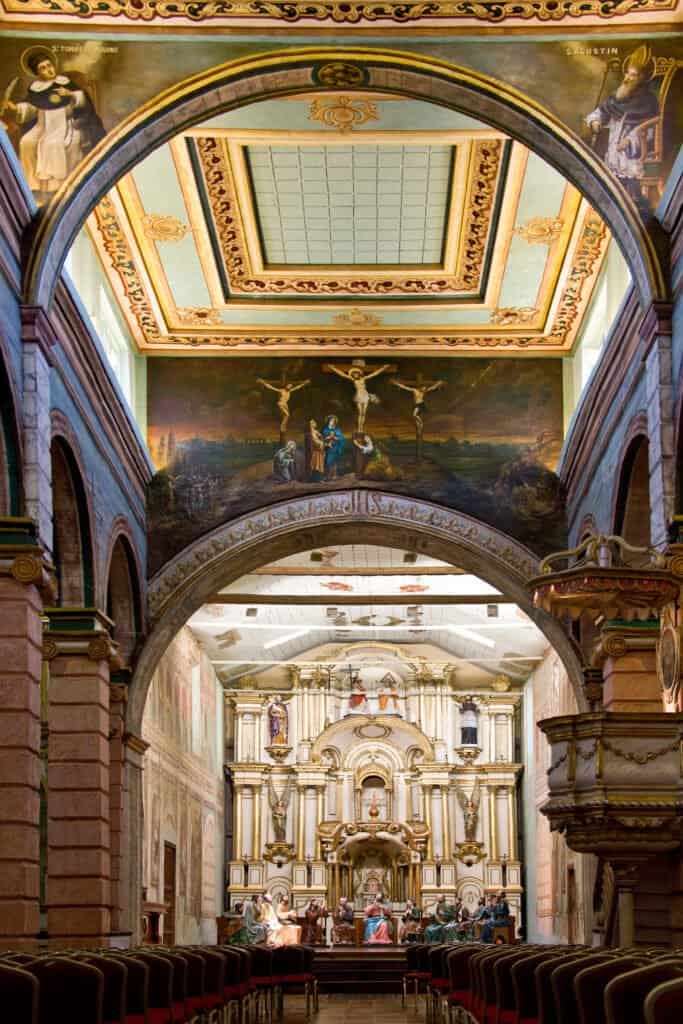 See & Do
Old Cathedral of Cuenca
 See & DoBudget · $
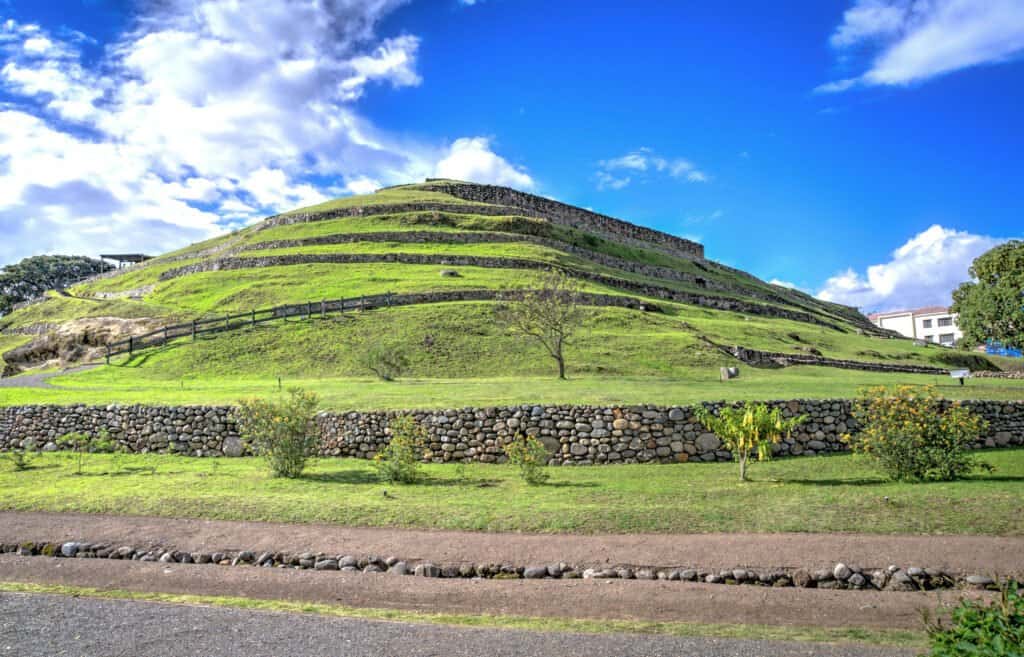
Pumapungo Museum & Archaeological Park
 See & Do
 Eat & Drink
 See & DoExpensive · $$$
Piedra de Agua, Fuente Termal & Spa
 See & DoFree
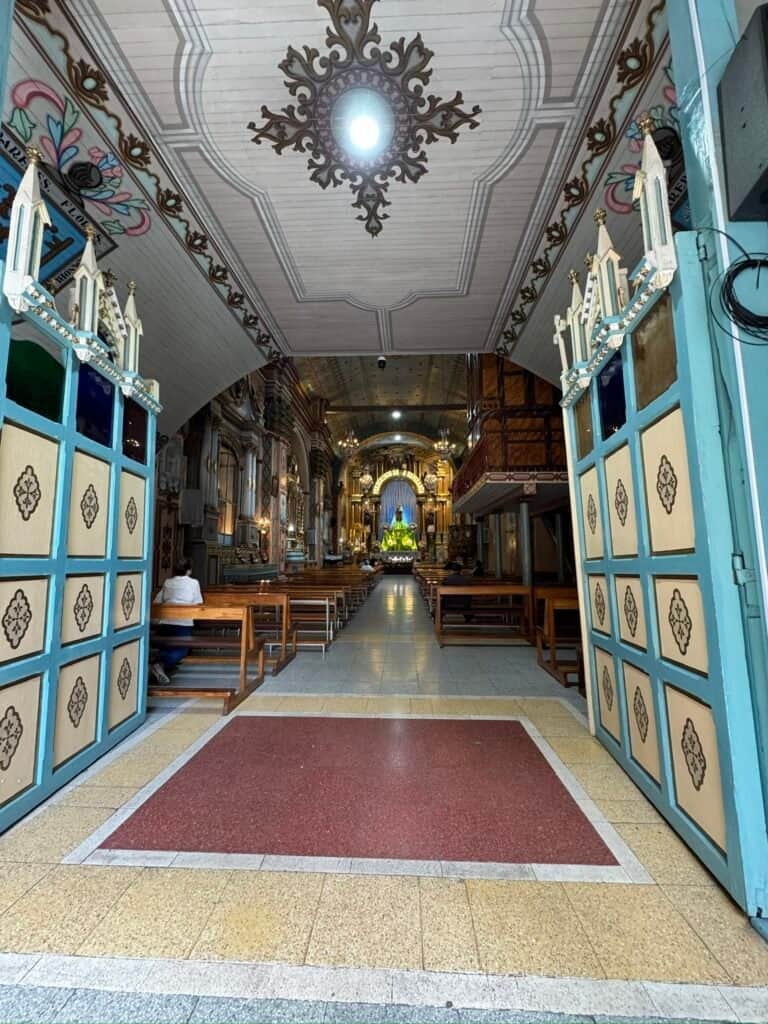
Santuario Mariano del Carmen de la Asunción
 See & Do
 See & DoBudget · $
Museo Del Sombrero De Paja Toquilla
Top Places to Eat in Cuenca
View allEat & Drink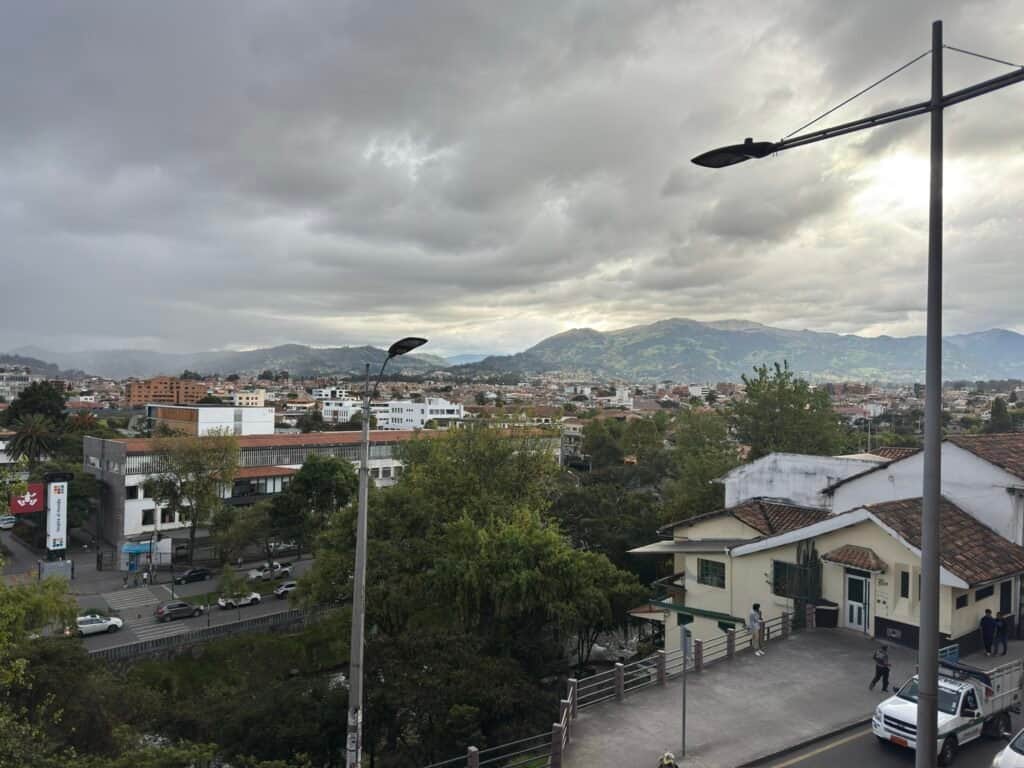 Eat & DrinkModerate · $$
 Eat & DrinkExpensive · $$$
NEGRONI Cuenca
 Eat & DrinkModerate · $$
 Eat & DrinkModerate · $$
Cuenca View 360 – Puente de Cristal
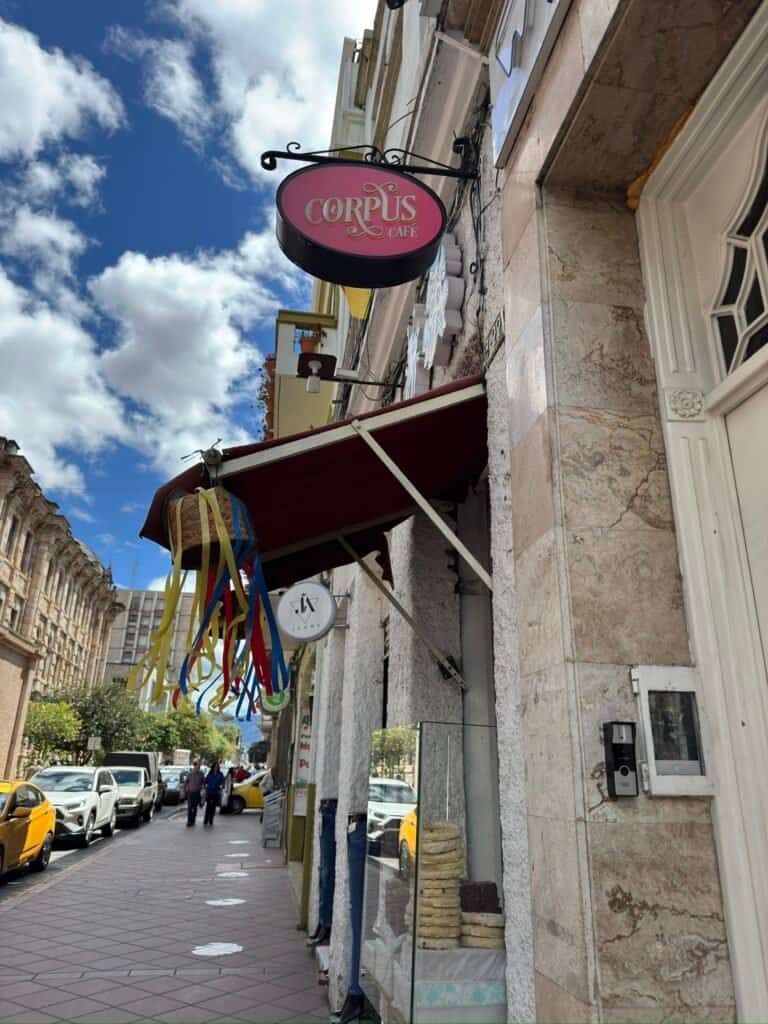 Eat & DrinkBudget · $
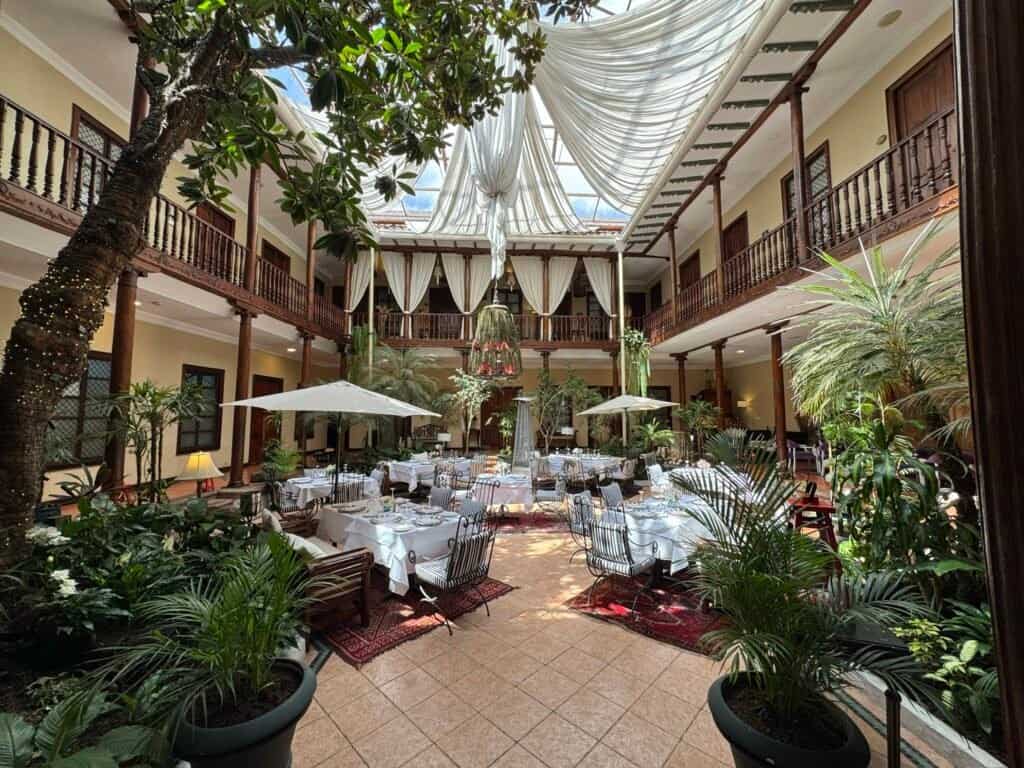 Eat & DrinkModerate · $$