

Denver on the map
17 places from this guide. Tap a pin to open the listing.
Overview
This Denver travel guide is built around one plain fact: the city sits at exactly 5,280 feet, which is why locals call it the Mile High City and why the 13th step of the State Capitol building is marked to prove it. That elevation shapes everything from the intensity of the sun to the way a beer hits you faster than it would at sea level. Downtown mixes Victorian-era brick with glass towers, and you can walk from the gold-domed Capitol past Larimer Square's string-lit facades to a light-rail platform in under twenty minutes.
Denver's appeal isn't really about one landmark. It's the combination of a walkable, compact core and the fact that the Rockies are visible from most rooftop patios on a clear day. You get the Denver Art Museum's angular titanium-clad addition a few blocks from Union Station's restored 1914 Beaux-Arts hall, and a short drive gets you to actual mountain trailheads. Add a dense cluster of craft breweries, a growing food scene in neighborhoods like RiNo, and city parks that turn gold every October, and you have a place that rewards a few unhurried days rather than a single checklist afternoon.
When to Visit
Denver gets roughly 300 days of sunshine a year on average, which makes "best time to visit" more about what you want to do than about dodging bad weather.
Spring, March through May, is unpredictable. You can get a 70-degree afternoon followed by a wet, heavy snowstorm two days later. It's a decent time for lower prices and fewer crowds, and baseball season kicks off at Coors Field in early April.
Summer, June through August, is peak season. Days run warm, sometimes into the 90s, and evenings cool off fast once the sun drops. This is when outdoor concerts, food festivals, and patio culture take over, and it's also when the Rockies are most accessible for day trips, camping, or fishing.
Fall, September through November, is the quieter favorite among people who've been a few times already. Aspen groves in the foothills turn gold by late September, hiking trails thin out, and the city's food and wine festival calendar picks up. Many Denver regulars rank this as the best stretch of the year, weather and crowds both working in your favor.
Winter, December through February, is ski season. Denver sits within a two to three hour drive of several major resorts, so plenty of visitors use the city as a base rather than a destination. Even if you skip the slopes, downtown gets genuinely pretty with holiday lighting, and a cold afternoon is a good excuse to duck into a bookstore like Tattered Cover Book Store & Café on Colfax Avenue for a few hours.
Where to stay
Downtown Denver works well if it's your first trip and you want everything within walking distance. You're close to the Denver Art Museum, the 16th Street Mall, and Coors Field, with a dense mix of hotels, chain restaurants, and a few standout independents.
LoDo (Lower Downtown) is the restored Victorian-warehouse district just west of downtown proper. This is where Larimer Square sits, along with Union Station, which has become a destination in its own right with its food hall and the small, dimly lit Terminal Bar tucked inside. LoDo is also walkable to Coors Field, so expect a different energy on game days.
Capitol Hill suits travelers drawn to architecture and history. The Molly Brown House is here, along with blocks of restored mansions, independent coffee shops, and a more residential pace once you're a few streets off the main corridors.
Cherry Creek is Denver's upscale option, built around the Cherry Creek Shopping Center and the boutique-lined Cherry Creek North district. It's a good base if shopping and higher-end dining matter more to you than nightlife density.
RiNo, the River North Art District, has become one of the city's most talked-about neighborhoods over the past decade, known for warehouse murals, converted food halls, and a concentration of breweries within a few blocks of each other. Restaurants like Acorn anchor the area's reputation for serious, unpretentious cooking.
Highlands, just northwest of downtown across the river, is quieter and more residential, with bungalow-lined streets, independent boutiques, and a handful of viewpoints looking back across the skyline toward the mountains.
How to reach the destination
Denver International Airport (DEN) handles the vast majority of arrivals and is one of the busiest airports in the country by passenger volume. It sits about 25 miles from downtown, and the University of Colorado A Line train connects the airport directly to Union Station in roughly 35 to 40 minutes, which is usually faster and cheaper than a cab once you factor in traffic. Centennial Airport (APA) and Rocky Mountain Metropolitan Airport (BJC) handle private and corporate traffic but aren't realistic options for most visitors.
By road, Denver sits at the junction of Interstates 25 and 70, making it a natural stop for cross-country road trips in either direction. Greyhound and Megabus both run regular routes into the city.
By rail, Amtrak's California Zephyr line runs between Chicago and Emeryville, California, stopping at Union Station in Denver. It's a scenic but slow option, better suited to travelers who want the journey itself rather than a quick connection. Winter weather can affect both road and rail schedules through the mountain passes, so check conditions if you're traveling in from the west in January or February.
Getting around the destination
Denver's core is walkable in a way a lot of Western US cities aren't. Downtown, LoDo, and RiNo are close enough together that you can cover them on foot over a couple of days, with Confluence Park, where Cherry Creek meets the South Platte River, serving as a natural pivot point and a good spot to watch kayakers and tubers in summer.
RTD runs the region's light rail and bus network, useful for reaching Coors Field, the airport, or outlying suburbs without a car. Ride-hailing apps are widely available and reasonably priced for cross-town trips. If you're planning day trips into the mountains, a rental car becomes worth it, since transit thins out fast once you leave the metro area. Parking downtown can be tight and metered, so budget extra time if you're driving in for dinner or a game.
Top destination travel tips
- Altitude catches people off guard. Drink more water than usual for your first day or two, and go easy on alcohol until you know how your body handles 5,280 feet.
- The sun is stronger here than the temperature suggests. Sunscreen matters even on a cool, overcast day.
- Recreational marijuana is legal in Colorado for adults 21 and over, but public consumption is not, and most hotels prohibit smoking indoors. Rules and taxes change, so confirm current details before you buy.
- Weather swings fast. A sunny 60-degree morning in November can turn into a snow squall by afternoon, so layer up regardless of season.
- Tipping follows standard US norms, generally 18 to 20 percent at sit-down restaurants and a dollar or two per drink at bars.
- Game days around Coors Field bring heavier foot traffic and pricier parking in LoDo, worth knowing if you're booking a hotel nearby in baseball season.
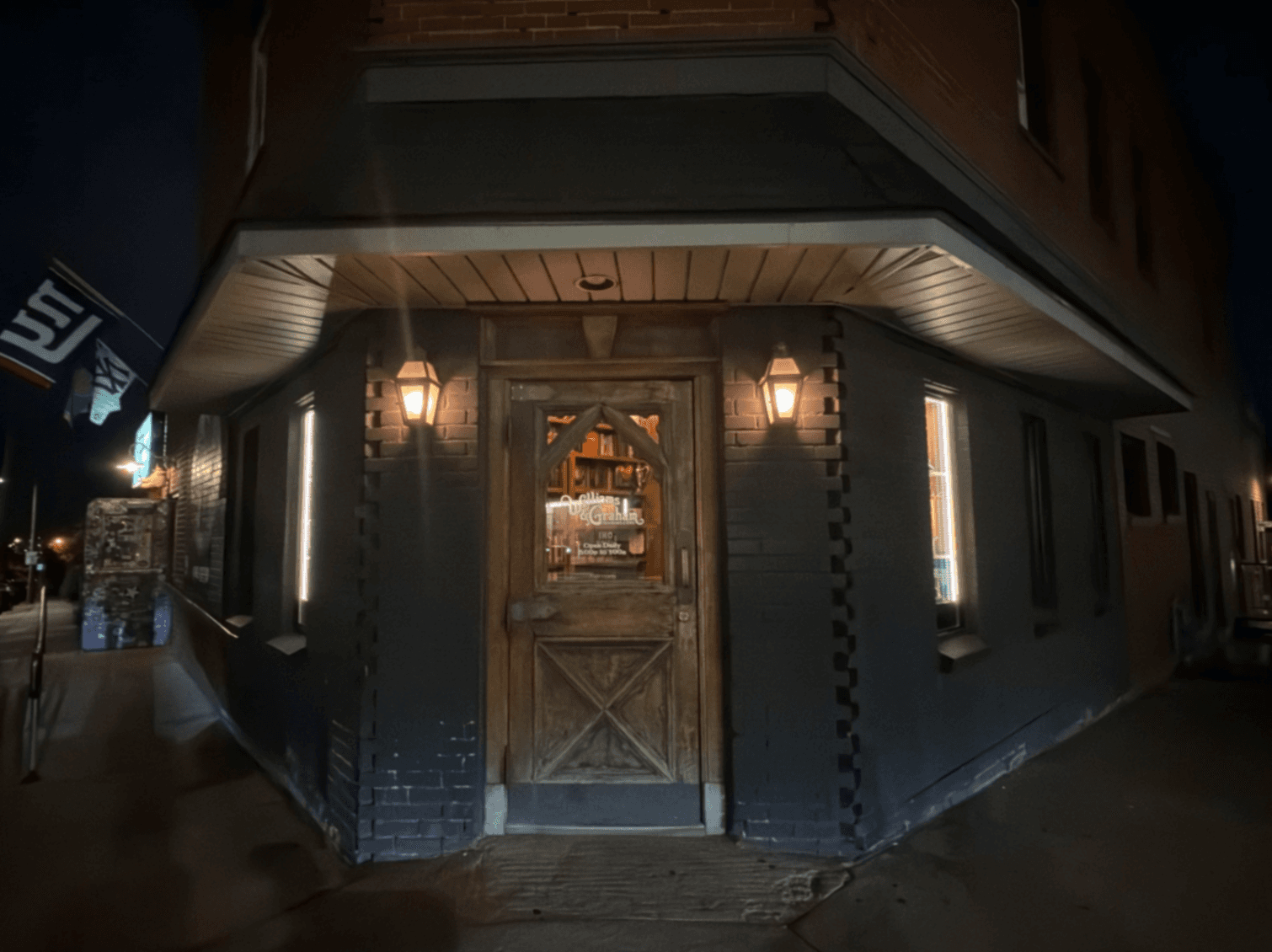
- Many of the best cocktail spots, including Williams & Graham, operate behind unmarked or disguised entrances in the speakeasy style, so look twice at storefronts that seem closed.
Typical costs in the destination
Prices in Denver (US dollars) sit in the mid-range by national standards, cheaper than New York or San Francisco but no longer the bargain it was a decade ago.
- Budget travelers can expect hostel dorms and basic motels, with casual meals like a burrito or food-hall plate landing in the lower end of the scale.
- Mid-range hotels downtown or in LoDo, paired with sit-down dinners and a few brewery stops, cover most visitors comfortably.
- Upscale stays in Cherry Creek or tasting menus at destination restaurants push into the higher tier, especially during peak summer or ski season weekends.
- Craft beer is reasonably priced across the city's many breweries, generally cheaper than cocktails at a place like Williams & Graham or Corridor 44.
Must try food and drinks
- Green chile: a Colorado staple, often pork-based and ladled over everything from burritos to fries, a good gauge of a local kitchen's confidence.
- Rocky Mountain oysters: breaded, fried bull testicles, a regional novelty more than a daily food, but worth trying once if you're curious.
- Farm-to-table plates at Root Down, which built its reputation on reworking a former gas station into a seasonal, ingredient-driven menu.
- Seasonal, locally sourced cooking at Acorn in RiNo, known for wood-fired dishes and a lively dining-room energy.
- French bistro cooking at La Forêt, a steadier, more classic counterpoint to Denver's newer wave of restaurants.
- Craft cocktails at Williams & Graham, a hidden-entrance bar built around pre-Prohibition style drinks.
- Sparkling wine and small plates at Corridor 44, a bright, modern space that stands out from the city's beer-heavy bar scene.
- Whiskey and elevated comfort food at Urban Cowboy Public House, which leans into Denver's Old West identity without playing it for kitsch.
- Craft beer generally, given Denver's dense concentration of breweries, many clustered in RiNo and LoDo within walking distance of each other.
- A drink at Terminal Bar inside Union Station, a compact, old-school spot that captures the building's early-20th-century character.
FAQ
How many days do you need in Denver?
Three to four days covers the main sights, neighborhoods, and a brewery or two without rushing. Add extra nights if you plan to use Denver as a base for mountain day trips or ski weekends, since those can easily eat a full day each.
Is Denver walkable?
Yes, within the core. Downtown, LoDo, Capitol Hill, and RiNo are close enough to connect on foot, and RTD's light rail fills in the gaps. You'll want a car or rideshare mainly for mountain trips or outlying neighborhoods.
Do you need a car in Denver?
Not for the city itself, but yes if the Rockies are part of your plan. Transit coverage drops off fast outside the metro area, and ski resorts, hiking trailheads, and scenic drives generally require your own wheels or a tour.
Does the altitude actually affect visitors?
It can, especially if you fly in from near sea level. Mild headaches, faster fatigue, and quicker intoxication from alcohol are common in the first day or two. Drinking extra water and pacing your first day help most people adjust.
What's the best month to visit Denver?
September and early October tend to get the most votes, combining mild weather, thinner crowds, and fall color in the foothills. June through August is busier and warmer, while December through February suits anyone building a ski trip around the visit.
Is marijuana legal to buy and use in Denver?
Recreational cannabis is legal in Colorado for adults 21 and older, but public use is restricted and most accommodations ban indoor smoking. Rules shift occasionally, so check current regulations before purchasing.
Is Denver worth visiting if you're not into skiing?
Yes. This Denver travel guide covers museums, historic neighborhoods, a strong restaurant and brewery scene, and city parks that work well in any season, with the mountains as an optional add-on rather than the whole point of the trip.
Top Places to Visit in Denver
View all See & Do
 See & Do
 See & Do
Denver Botanic Gardens
 See & Do
Denver Museum of Nature & Science
 See & Do
 See & Do
 See & Do
River North Art District
 See & Do
Top Places to Eat in Denver
View all Eat & DrinkExpensive · $$$
 Eat & DrinkModerate · $$
 Eat & DrinkModerate · $$
 Eat & DrinkModerate · $$
 Eat & DrinkModerate · $$
Urban Cowboy Public House Denver
 Eat & Drink
Tattered Cover Book Store & Café Colfax
 Eat & Drink
 Eat & DrinkBudget · $
Bookable experiences
Top experiences in Denver

Rocky Mountain National Park - Private Sightseeing Tour

Mile High Hauntings: Guided Ghost Tour in Downtown Denver

Guided Hiking Tour in the Beautiful Rocky Mountains

RiNo Street Art Stroll - Tour of Denvers Famous Murals & Graffiti

Guided Llama Hike in the Rocky Mountains

Candle Pouring Workshop at Paddywax Candle Bar Denver
Bookings made via these links may earn Bazar Travels a small commission, at no extra cost to you. Tours are provided by Viator, a Tripadvisor company.