
Japan on the map
80 places from this guide. Tap a pin to open the listing.
Overview
This Japan travel guide is built for travelers who want specifics, not vague enthusiasm. Japan rewards people who plan a little and then let the country surprise them anyway. In Tokyo alone you can stand under the red lantern at Senso-ji Temple in the morning, cross the scramble at Shibuya Crossing by afternoon, and watch the city light up from Tokyo Skytree or Shibuya Sky by night. The country runs on contrast like this everywhere you go.
Kyoto, Nara, and Kamakura hold the temple circuit most visitors come for, while Himeji Castle and Matsumoto Castle give you a sense of the feudal architecture that survived fire, earthquake, and war. Tokyo itself has its own layered history. Meiji Jingu Shrine, tucked into a forest planted a century ago, sits a short walk from the crowds of Harajuku. The Imperial Palace grounds mark the old center of power, and museums like the Tokyo National Museum in Ueno Park or the smaller, garden-wrapped Nezu Museum fill in what the temples don't explain.
Nature is never far away either. Mount Fuji dominates the horizon on a clear day from parts of Tokyo and much of the Fuji Five Lakes region. Zen gardens, hot spring towns, and the beaches of Okinawa give the country a different rhythm than its train-packed cities. Food ties it all together, from Tsukiji Outer Market stalls selling grilled scallops at 9am to a quiet seven-seat counter serving tasting menus that took years to get a reservation for.
When to Visit
Spring, from March to May, is when cherry blossoms take over the conversation. Peak bloom in Tokyo and Kyoto usually lands in late March to early April, though it shifts year to year and is worth checking closer to your trip. Ueno Park and Yoyogi Park turn into informal picnic grounds under the trees, and Shinjuku Gyoen National Garden offers a calmer, ticketed alternative if you want blossoms without quite as many people.
Summer, June through August, is warm, humid, and prone to sudden rain. It's also festival season: Gion Matsuri in Kyoto and Tanabata in Sendai are worth building a trip around if the dates line up. Okinawa's beaches make more sense in this heat than the cities do, and mountain towns offer a break from Tokyo's muggier months.
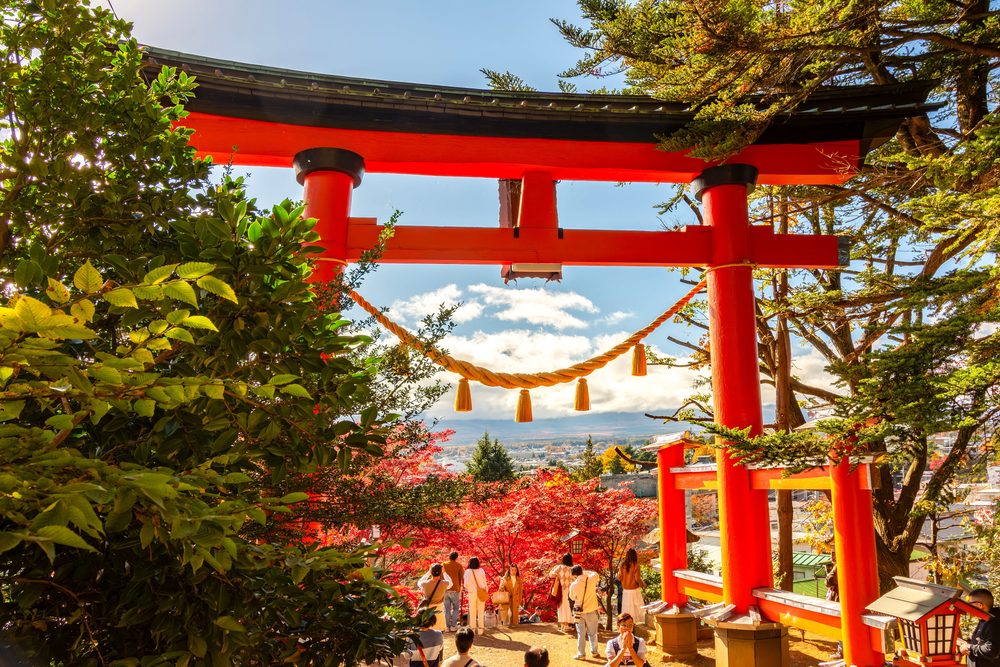
Autumn, September to November, might be the best all-around season to visit. Temperatures settle, crowds thin slightly after summer, and the foliage turns Kyoto's Arashiyama Bamboo Grove and Nikko's Toshogu Shrine into something close to a postcard by mid-to-late November. Kyoto's Jidai Matsuri festival in October adds a dose of costumed history to the trip.
Winter, December to February, is cold but manageable in most cities, with occasional snow in Tokyo and heavy, reliable snowfall in Hokkaido. It's the season for ramen and hot pot, for winter illuminations in the Tohoku region, and for onsen trips where the appeal of a hot spring only grows as the air gets colder.
How to reach the destination
Most international travelers fly in. Narita International Airport (NRT), out in Chiba, and Haneda Airport (HND), closer to central Tokyo, both handle international arrivals, with Haneda generally cutting your commute into the city by half or more. Kansai International Airport (KIX) on its artificial island in Osaka Bay is the main gateway for the Kansai region, putting Osaka, Kyoto, and Nara all within reach. Chubu Centrair International Airport (NGO) serves Nagoya and the Chubu region, and Fukuoka Airport (FUK) is the practical entry point if Kyushu is your starting region.
Ferry connections exist from South Korea, China, Russia, and Taiwan, with routes like Busan to Fukuoka, Busan to Shimonoseki, and Incheon to Osaka. These tend to appeal more to overland travelers already in the region than to first-time visitors, but they're a real option if you're coming from Korea or want to avoid flying. Visa requirements vary by nationality and do change, so confirm the current rules for your passport before booking anything.
Getting around the destination
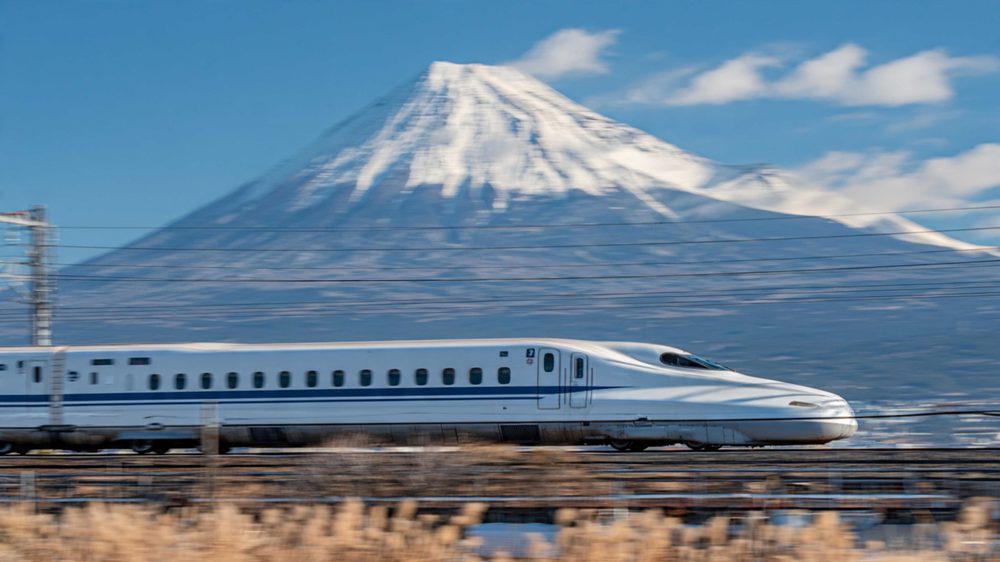
Japan's rail network is the backbone of getting around, and it's as reliable as its reputation suggests. The Shinkansen bullet train connects most major cities, cutting a Tokyo to Kyoto trip down to around two and a half hours. Within cities, Tokyo Metro and the JR Yamanote loop line cover almost everywhere you'll want to go, and a Suica or Pasmo IC card lets you tap through ticket gates on trains, subways, and buses without buying individual tickets each time.
Neighborhoods like Kanda, with its secondhand bookshops and curry shops clustered near the train station, are easy to reach on foot once you're in the area, and that's true of most of central Tokyo. Walking is often faster than it looks on a map. Taxis exist but add up quickly compared to trains, so they're best saved for late nights after the trains stop running, usually around midnight. Car rental makes more sense in rural Japan or Hokkaido than in cities, where parking is expensive and the trains do the job better.
Top destination travel tips
- Carry cash. Many smaller restaurants, shrines, and even some train stations outside major cities still don't take cards.
- Tipping is not expected anywhere in Japan, including restaurants and taxis, and trying to leave one can cause confusion.
- Pick up a pocket wifi device or a local SIM at the airport if you need constant data. Free public wifi is patchy outside train stations and convenience stores.
- Convenience stores (konbini) like 7-Eleven and Lawson are genuinely useful for meals, ATMs, and bill payment, not just snacks.
- If you have visible tattoos, check an onsen's policy before you go. Some ban them outright, others allow small cover-up patches.
- Stand to one side on escalators (left in Tokyo, right in Osaka) and don't talk on the phone on trains. People notice.
- Learn a handful of basic phrases. English signage is common in big cities but thins out fast once you leave them.
Typical costs in the destination
Japan has a reputation for being expensive that doesn't quite hold up anymore, especially for food and transit. Prices below are in Japanese yen (JPY) and should be treated as rough tiers rather than fixed numbers.
- Budget meals: a bowl of ramen, a conveyor-belt sushi lunch, or a konbini meal typically falls in the 500 to 1,200 yen range.
- Mid-range dining: a sit-down dinner with a few dishes and a drink generally runs 2,500 to 5,000 yen per person.
- Upscale and fine dining: tasting menus at places like NARISAWA or Den sit well above that, and reservations often need to be made months ahead.
- Accommodation: budget hostels and capsule hotels start low, mid-range business hotels are the most common choice for visitors, and ryokan stays with kaiseki dinners included push into the upscale tier.
- Transit: a single subway ride in Tokyo is usually a few hundred yen, while a Tokyo to Kyoto Shinkansen ticket costs considerably more. A Japan Rail Pass can be worth it if you're covering long distances across multiple cities, but run the numbers for your specific itinerary first since pricing and coverage have changed in recent years.
Must try food and drinks
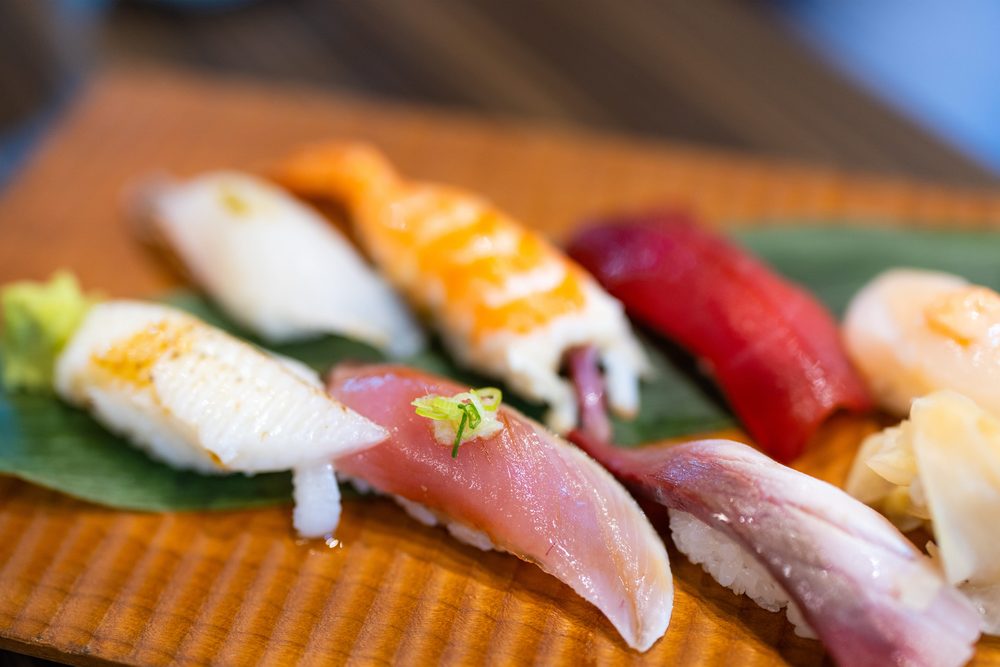
- Sushi: beyond the famous tuna auctions once held at Tsukiji, the outer market area, Tsukiji Outer Market, still serves some of the freshest sushi and seafood breakfasts in the city.
- Tempura: a counter seat at Tempura Kondo shows what the dish looks like when it's treated as a craft rather than a side dish.
- Ramen: regional styles vary wildly, from Hakata's tonkotsu to Tokyo's shoyu-based bowls, and a shop like Tsuta has shown that ramen can hold its own against far fancier food.
- Kaiseki and tasting menus: multi-course meals built around seasonal ingredients are where Japanese fine dining shows its range, and restaurants like NARISAWA and Den are part of why Tokyo has as many internationally recognized tables as it does.
- Street food: takoyaki (grilled octopus balls) and okonomiyaki (savory cabbage pancakes) are festival and street-stall staples worth eating standing up.
- Age.3 GINZA, a small fried bread cafe, is a good example of how a simple snack gets elevated into its own specialty in Tokyo.
- Sake and matcha: a proper sake tasting and a bowl of whisked matcha, ideally at a traditional teahouse, are both worth building time for.
- Wagyu and hot pot: in colder months, a steaming nabe hot pot or a plate of seared wagyu beef is the kind of meal that makes winter travel worth it.
FAQ
How many days do you need in Japan?
Ten to fourteen days lets you cover Tokyo, Kyoto, and one or two side trips like Nara or Hakone without rushing. A week is workable if you stick to Tokyo and Kyoto, but Japan rewards slower travel more than most countries, so add days where you can.
Is Japan expensive to visit?
It's moderate overall, cheaper than many travelers expect for food and transit, with accommodation and long-distance train tickets being the biggest costs. You can eat extremely well on a modest daily budget if you mix konbini meals with the occasional sit-down restaurant.
Is Japan safe for travelers?
Yes, Japan is consistently one of the safer countries to travel in, with low rates of violent crime and a culture of returned lost items. Normal city precautions still apply, and natural events like earthquakes and typhoons are worth knowing basic protocol for.
Do you need to speak Japanese to get around?
No, but it helps. English signage is common on trains and in major tourist areas, and apps handle most translation needs, though smaller towns and local restaurants outside the big cities often require some patience and pointing at a menu.
Is a Japan Rail Pass worth buying?
It depends on your route. If you're taking multiple long-distance Shinkansen trips across different regions, it often pays for itself, but if you're mostly staying in one or two cities, individual tickets can work out cheaper. Compare the current pass pricing against your planned route before deciding.
What is the best month to visit Japan?
Early April for cherry blossoms and November for autumn foliage are the two months most people aim for, and both come with bigger crowds and higher hotel prices as a result. Late spring or early autumn shoulder weeks offer a decent compromise between good weather and fewer people.
Is Tokyo worth more time than Kyoto?
They serve different purposes rather than competing directly. Tokyo gives you scale, food, and modern culture through places like Shibuya Sky and the Mori Art Museum, while Kyoto gives you the temple and garden density that this Japan travel guide and most others point travelers toward. Most itineraries split time between both rather than choosing one.
Top Places to Visit in Japan
View all See & Do
Tokyo Tower
 See & Do
Meiji Jingu Shrine
 See & Do
Shibuya Crossing
 See & Do
Tsukiji Outer Market
 See & Do
 See & DoBudget · $
SHARE LOUNGE Shibuya Sakura Stage
 See & DoBudget · $
teamLab Nagai Botanical Garden Osaka
 See & Do
Kotoku-in
Top Places to Eat in Japan
View all Eat & Drink
 Eat & DrinkModerate · $$
Dekasan Osaka
 Eat & Drink
The Front Room Deli Restaurant Marunouchi
 Eat & DrinkBudget · $
Age.3 GINZA (Fried Bread Cafe)
 Eat & Drink
Gion Kappa Kyoto
 Eat & DrinkModerate · $$
sequence SUIDOBASHI
 Eat & Drink
 Eat & Drink
Bookable experiences
Top experiences in Japan

Samurai Training Experience KENDO in Osaka

Tokyo Private Discovery Tour | Unique Insights & Must Sees

Pixel Lab Tokyo: Gameboy Mod Workshop (Classic/Advance/SP)

Private Tea Ceremony and Sake Tasting in Kyoto Samurai House
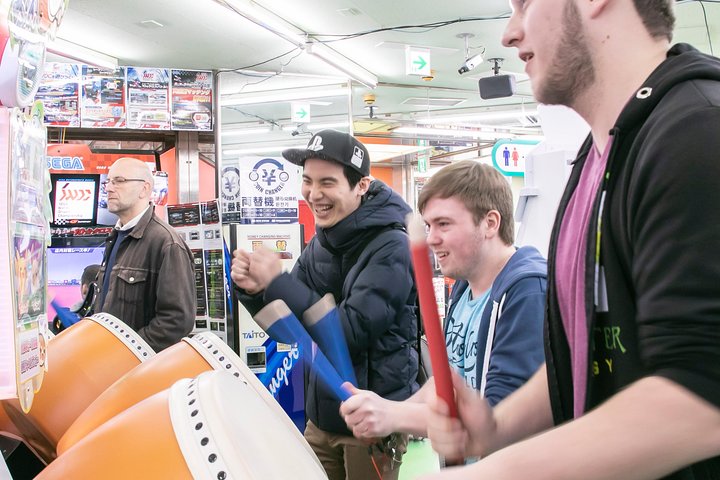
Private Tailor-made Akihabara Anime Tour with a Local Otaku Guide

Osaka Sake Tasting & Takoyaki Cooking Experience
Bookings made via these links may earn Bazar Travels a small commission, at no extra cost to you. Tours are provided by Viator, a Tripadvisor company.