
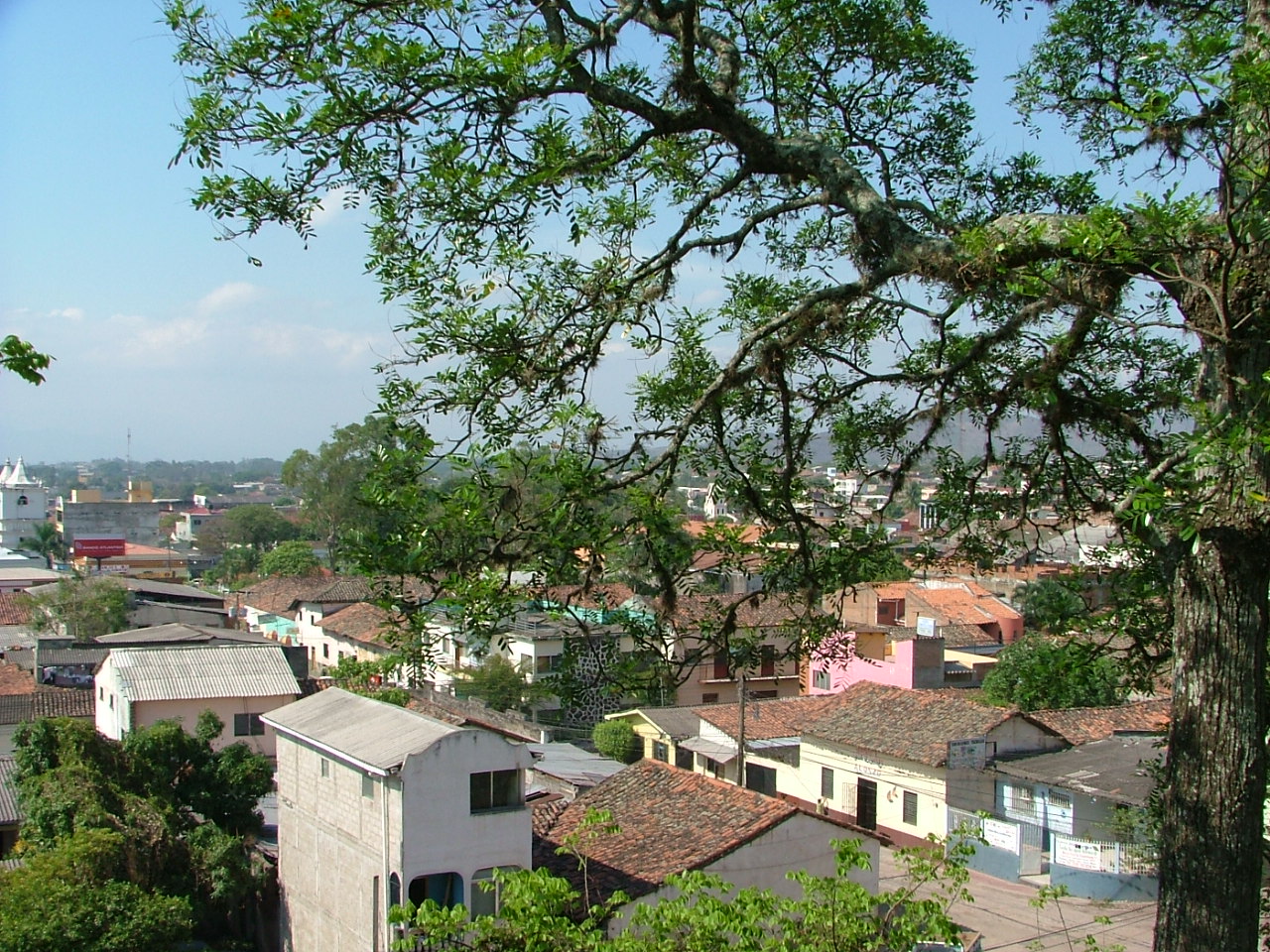
Juticalpa Travel Guide
Juticalpa on the map
6 places from this guide. Tap a pin to open the listing.
Juticalpa, the lively capital of Olancho in Honduras, is a charming colonial city with a rich cultural tapestry and stunning landscapes. Known for its warm-hearted locals, mouthwatering food, and a variety of activities, Juticalpa is a great spot for history buffs, nature lovers, and culture enthusiasts alike.
History
Juticalpa’s roots trace back to the 16th century when Spanish settlers established it on the site of an ancient indigenous village. By 1774, during the Spanish colonial era, the city had begun to take shape. The central park is a testament to its Spanish influence, surrounded by a beautiful colonial church, the municipal building, and the Casa de La Cultura. These historic structures offer a fascinating peek into Juticalpa’s past.
How to Get There
Reaching Juticalpa is pretty straightforward by road from major Honduran cities. The most popular route is a 4-hour drive from Tegucigalpa. Buses and taxis are also available from nearby towns like Catacamas. If you’re flying in from abroad, the closest international airport is Toncontín International Airport in Tegucigalpa. From there, you can catch a connecting flight or hop on a bus to Juticalpa.
Things to See
- Central Park: This is the heart of Juticalpa, featuring a colonial church and other historic buildings.
- Casa de La Cultura: A public library and museum offering insights into Olancho and Juticalpa’s history.
- Iglesia del Calvario: A stunning church that highlights the city’s religious heritage.
- Iglesia San Sebastian: Another important church worth visiting.
- Monumento Natural El Boquerón: A natural monument with breathtaking views and outdoor activities.
- Parque Nacional Sierra de Agalta: A national park with hiking trails and waterfalls.
- Talgua Caves: An eco-archaeological site perfect for bird watching and exploring impressive caves.
Ticket Information
Most attractions in Juticalpa don’t have entrance fees, but some places like Parque Nacional Sierra de Agalta might charge a small fee. It’s wise to check with local authorities or tour operators for the latest details.
Tips for Visiting
1. Currency: The local currency is the Honduran lempira, but US dollars are widely accepted. It’s handy to have small bills, especially in villages.
2. Safety: Stay aware of your surroundings, particularly at night. Avoid being alone and don’t resist if faced with a robbery.
3. Internet: Internet access is available, with many hotels offering free Wi-Fi. You can also find internet services at Central Park.
4. Health: Drink only sealed bottled water, as the local infrastructure may not ensure water purity.
5. Cultural Sensitivity: Respect local customs and try learning a few basic Spanish phrases to connect with the locals.
6. Natural Attractions: Be ready for outdoor adventures like hiking and bird watching.
7. Local Cuisine: Don’t miss out on local treats like Cuajada (a salty cheese) and Coyol wine (fermented sap of the Coyol palm).
Exploring Juticalpa’s rich history and natural beauty is sure to leave you with unforgettable memories. Whether you’re wandering through its historic streets or venturing into its natural wonders, this enchanting destination in Honduras has something special for everyone.
Where to Go in Juticalpa
Most of these places sit in or just above the town center, so you can see them on foot in a relaxed half day. Start at the main plaza when the heat breaks in the late afternoon, then fold in the cultural stops and a coffee or meal around it. Save the hill for a clear morning.
Plaza Francisco de Paula Flores is the town's social and civic center, and the best time to come is late afternoon when locals gather as the heat eases. Start here to get your bearings and see everyday Juticalpa before moving on to anything else.
House of Culture keeps its colonial bones visible in the way the rooms connect, and it is the easiest way to get a sense of Olancho's history indoors. It is a short stop rather than a full outing, so pair it with the plaza.
Catedral de Juticalpa is a modest, working church on the main plaza rather than a showpiece. Step in if you are already passing through, and treat it as a look at daily local life more than a sight to plan around.
Cerrito de la Cruz is the hill above town topped by a white cross, the most recognizable landmark in Juticalpa. Climb the path on a clear morning for the view back over the town.
Espresso Americano Los Poetas on Boulevard Los Poetas is the place for strong coffee and fresh pastries in the commercial part of town. It works well as a morning start before you head to the plaza or the hill.
Los Portales Restaurante is built for families and groups, with wide tables and an efficient kitchen. Come here for a longer sit-down meal, especially if you are traveling with several people.
FAQ
How many days do you need in Juticalpa?
Two to three days is enough for Juticalpa itself plus one or two excursions. The central park and its colonial buildings can be seen in a few hours, so extra time is mainly for the Talgua Caves, El Boquerón or Sierra de Agalta. Allow more if you want to hike in the national park.
Is Juticalpa worth visiting?
Yes, Juticalpa is worth visiting if you prefer colonial history, local food and outdoor options to big tourist crowds. The central park, churches and Casa de La Cultura cover the city's past, while the Talgua Caves, El Boquerón and Sierra de Agalta add nature. It suits a relaxed, culture-focused trip rather than a resort stay.
Do you need a car in Juticalpa?
You can get by without a car, but one makes the outlying sights easier. The historic core is centered on the central park, and buses and taxis link nearby towns such as Catacamas. For the caves, El Boquerón and Sierra de Agalta, ask a local tour operator about transport or guided trips.
Is Juticalpa expensive?
Juticalpa is generally budget-friendly as a provincial Honduran city, though prices change over time. Most attractions in the city have no entrance fee, so costs mostly come from lodging, food and transport. Parks such as Sierra de Agalta may charge a small fee. Confirm current hotel, entry and tour rates locally before you go.
Do people speak English in Juticalpa?
Spanish is the main language in Juticalpa, and English is likely to be limited outside hotels and tour operators. Learning a few basic Spanish phrases will help a lot and is appreciated by locals. A translation app is worth downloading before you arrive, especially if you plan to visit villages or take local buses.
What is the best time to visit Juticalpa?
The drier months are generally the best time to visit Juticalpa, particularly for hiking and cave visits. Heavy rain can make trails and rural roads harder going. Conditions vary year to year, so check the forecast and ask local operators about conditions before booking outdoor trips.
Top Places to Visit in Juticalpa
View all See & Do
Plaza Francisco de Paula Flores
 See & Do
 See & Do
 See & Do
Top Places to Eat in Juticalpa
View all Eat & Drink
Espresso Americano Los Poetas
 Eat & DrinkModerate · $$