
Portland on the map
21 places from this guide. Tap a pin to open the listing.
Overview
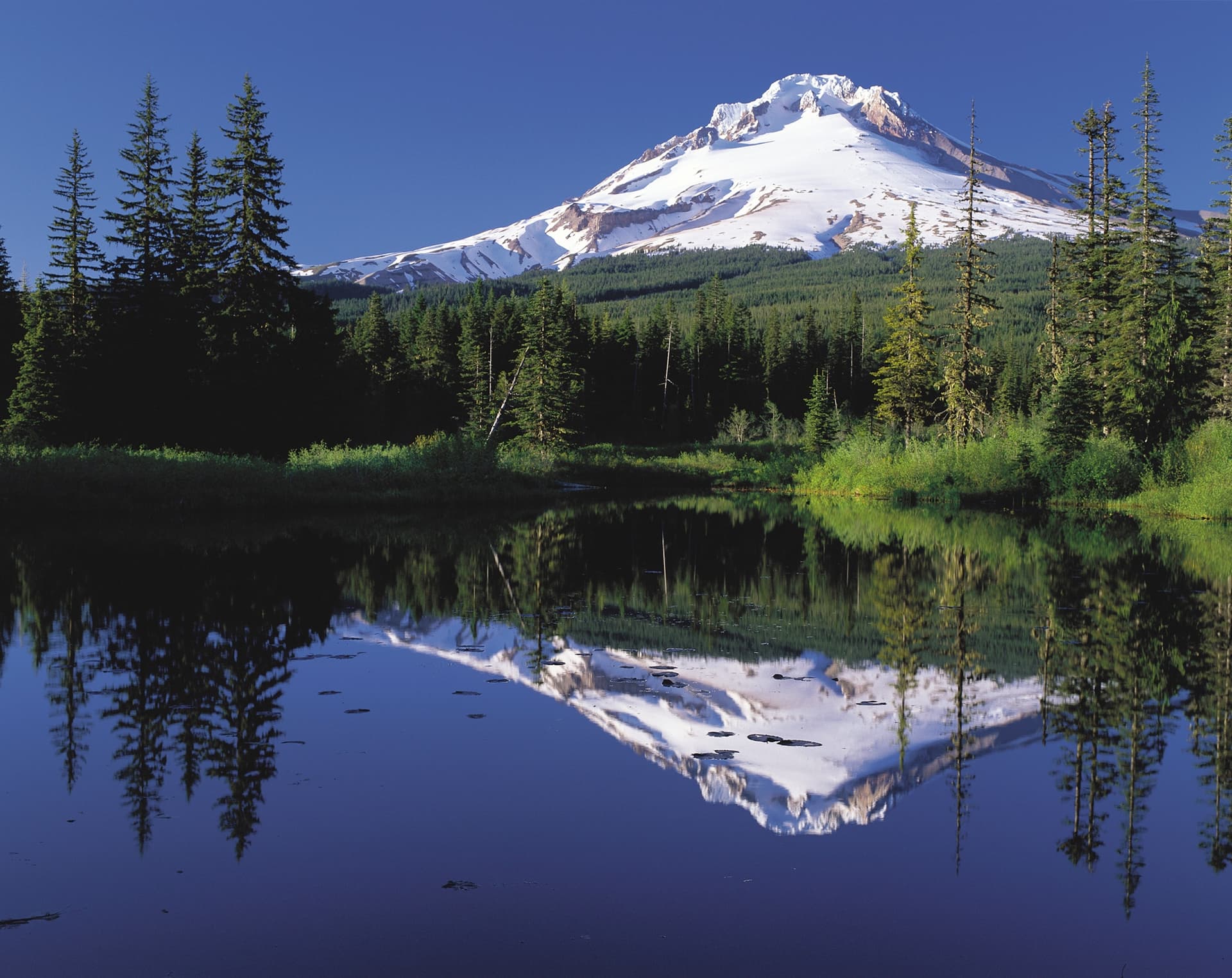
This Portland Oregon travel guide starts with the basics: Portland is the largest city in Oregon, sitting roughly three hours south of Seattle and about ten hours north of San Francisco by car. The Willamette River splits the city in two, the Columbia River marks the border with Washington state, and Mount Hood's snowy cone shows up on clear days from downtown sidewalks and bridge crossings alike. The city mixes cast-iron warehouse blocks from the 1890s with glass office towers and a lot of single-family bungalow neighborhoods, all stitched together by more parks per capita than most American cities bother with.
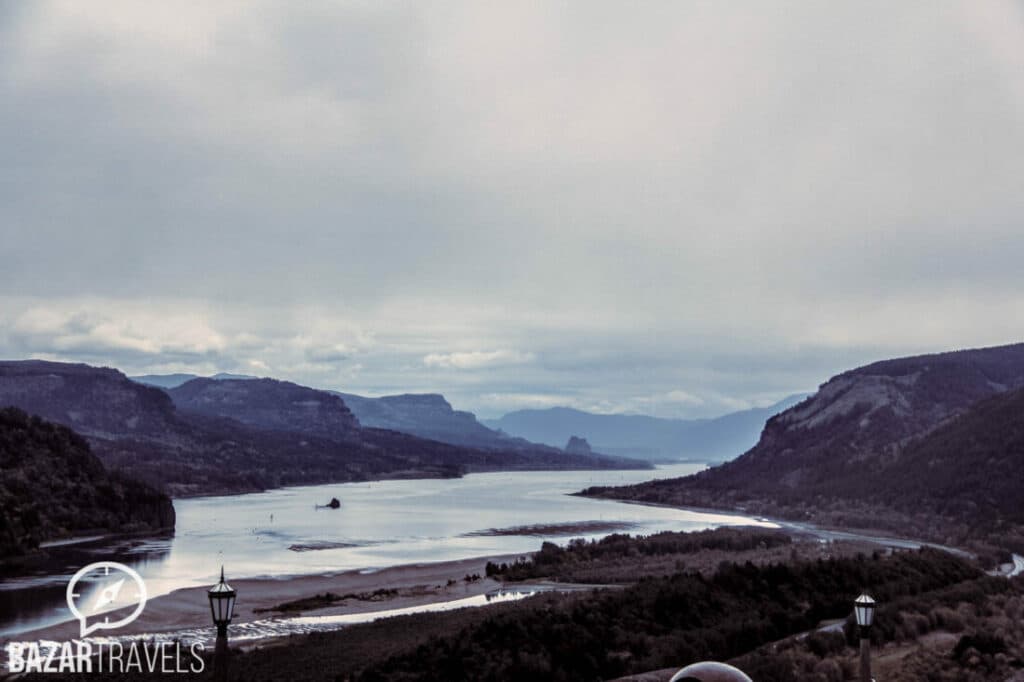
What sets Portland apart is how fast the city disappears behind you. Drive twenty minutes in almost any direction and you're in farmland, forest, or river gorge. Inside the city limits, Forest Park gives you the Wildwood Trail, a wooded path running over 30 miles through old-growth stands without ever quite leaving town. Beyond city limits, Mount Hood, the Columbia River Gorge, and the Willamette Valley wine country are all close enough for a half-day trip.
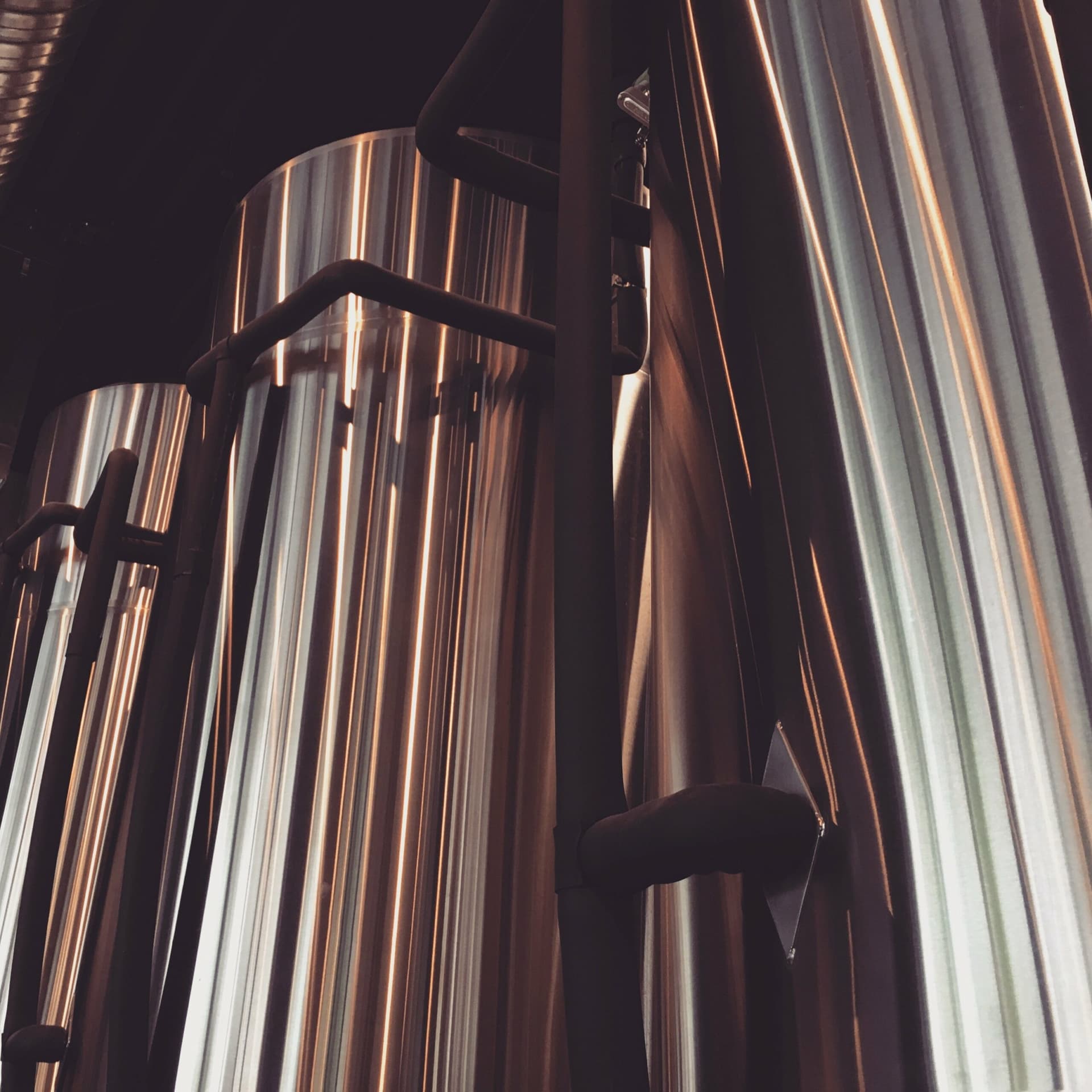
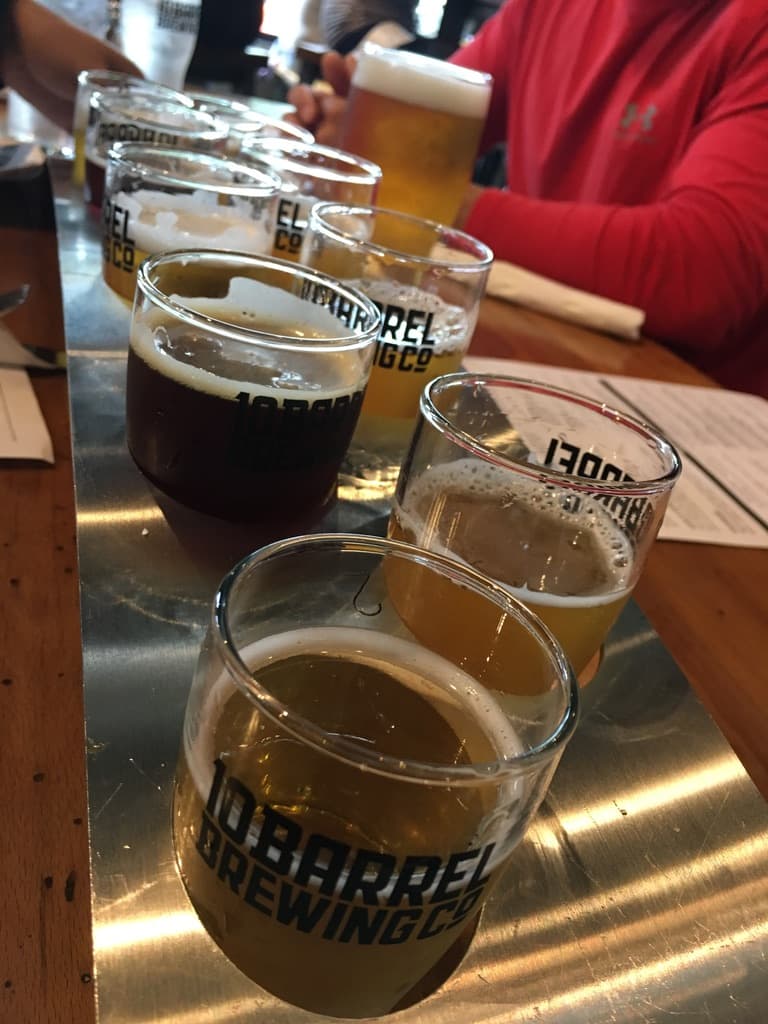
Beer is the other thing people come for. Portland has somewhere north of 50 breweries within city limits and closer to 80 across the metro area, more taprooms per resident than nearly anywhere in the country. You could spend a week doing nothing but brewery hopping in Portland and not repeat a style. Beyond the city, Oregon City, Vancouver (Washington), and the small river town of St. Helens all carry pieces of the region's early history if you want context beyond the beer.
When to Visit
Portland runs on two seasons more than four. Late June through September is dry, warm, and the version of Portland that shows up on postcards, with long evenings good for patio drinking and hiking. July and August are the busiest tourist months and also the driest, so book accommodations early if you're coming for the Portland Rose Festival in June or any of the summer food and music festivals.
October through May leans gray and wet, with rain arriving as a steady drizzle rather than dramatic downpours. Locals don't carry umbrellas so much as good rain shells. Winter does have its upside: Mount Hood's ski resorts open, and the city's indoor scene, from the Portland International Film Festival to museum season, picks up the slack. Shoulder months like May and September often give you the best ratio of good weather to thinner crowds.
Where to stay
Downtown Portland is the default choice for first-time visitors. It's walkable, close to Waterfront Park, and within easy reach of the MAX light rail and streetcar lines, though it quiets down noticeably after dark away from the main streets.
- Pearl District: former industrial warehouses turned into galleries, boutiques, and apartments, with Powell's City of Books anchoring its southern edge. Good for travelers who want walkability without downtown's office-district feel.
- Nob Hill (Northwest): leafy, Victorian-era streets with a slower, more residential pace, good for boutique hotels and a quieter base near the west hills.
- Division Street (Southeast): the city's modern restaurant row, worth staying near if eating well matters more to you than sightseeing distance.
- Central Eastside: industrial-turned-creative district with the city's strongest coffee roasting culture, a short bridge walk from downtown.
How to reach the destination
Portland International Airport (PDX) handles the vast majority of visitors and sits about 25 minutes from downtown by car or a direct MAX Red Line ride. If you're already on the West Coast, Amtrak serves Union Station with routes running north to Seattle and south through the Willamette Valley to Eugene. Greyhound and several regional bus lines also stop in the city, often at or near Union Station. There's no regular passenger boat service into Portland, though tourist cruises run seasonally on the Willamette River if you want a water-level look at the bridges.
Getting around the destination
Portland's grid makes sense once you learn it: the city splits into five sectors built around Burnside Street and the Willamette River. Southwest (downtown and the west hills) and Southeast sit south of Burnside, Northwest and North sit north of it on the west side of the river, and Northeast covers the territory east of Williams Avenue. Street numbers and quadrant letters on every address tell you exactly where you are.
Driving downtown is more trouble than it's worth. Parking runs expensive and scarce, and most of what visitors want to see clusters near transit lines anyway. TriMet runs the buses, streetcars, and the four-line MAX light rail system (Blue, Red, Yellow, and Green), which together cover most neighborhoods tourists care about. Portland is also a genuinely good biking city, with dedicated lanes on most arterial streets and bike-share stations scattered through downtown and the inner eastside. For day trips to Mount Hood, the Columbia River Gorge, or Willamette Valley wine country, you'll want a rental car or a seat on an organized tour, since transit doesn't reach much past city limits.
Top destination travel tips
- Oregon has no sales tax, so the price on the tag is the price you pay, which makes budgeting easier than in most US cities.
- Tipping follows standard American norms: around 18 to 20 percent at sit-down restaurants and bars, less expected at counter-service spots and food trucks.
- Pack a rain shell no matter the season. Even summer evenings can turn cool and damp without warning.
- Portland pumps its own gas in some counties and requires self-service in others now, a recent change from the old full-service-only law, so don't assume either way.
- Saturdays bring the Portland Saturday Market to Waterfront Park, the largest continually operating open-air arts and crafts market in the country, running alongside food vendors and street performers.
- For a stranger stop, A Roadside Attraction is worth the detour if you like the odder end of Pacific Northwest roadside culture rather than the standard museum circuit.
- Cell coverage and English are universal here, so the usual US travel concerns apply: keep valuables out of sight in parked cars and stay aware after dark in less busy stretches of the Old Town and Central Eastside.
Typical costs in the destination
Costs in Portland land in the middle of the US big-city range, cheaper than San Francisco or Seattle but not budget by national standards. This Portland Oregon travel guide breaks costs into rough tiers rather than fixed numbers, since prices shift year to year. Budget hotels and hostels tend to run affordable, mid-range hotels sit comfortably in the middle tier, and the city's boutique and luxury properties climb into upscale territory, especially downtown and in the Pearl District.
Food follows a similar spread. Counter-service spots and food trucks keep things budget-friendly, with most truck meals landing under ten dollars. Casual sit-down restaurants fall into mid-range territory, and the city's tasting-menu and chef-driven spots push into upscale or fine-dining pricing. Local chains like Burgerville and taco counters like Cha! Cha! Cha! are reliable for a cheap, filling meal between sightseeing stops. A pint at most breweries costs about what you'd pay at any US brewery, and Oregon's wine-by-the-glass pricing in the Willamette Valley varies a lot by winery and vintage.
Must try food and drinks
- Craft beer flight: start at The Thirsty Pig or 10 Barrel Brewing Portland for an easy introduction to the local IPA-heavy style, then branch out through a longer brewery hopping circuit.
- Duckfat fries: Duckfat Frites Shack does Belgian-style fries fried in duck fat with a rotating list of dipping sauces, a Portland food-cart staple.
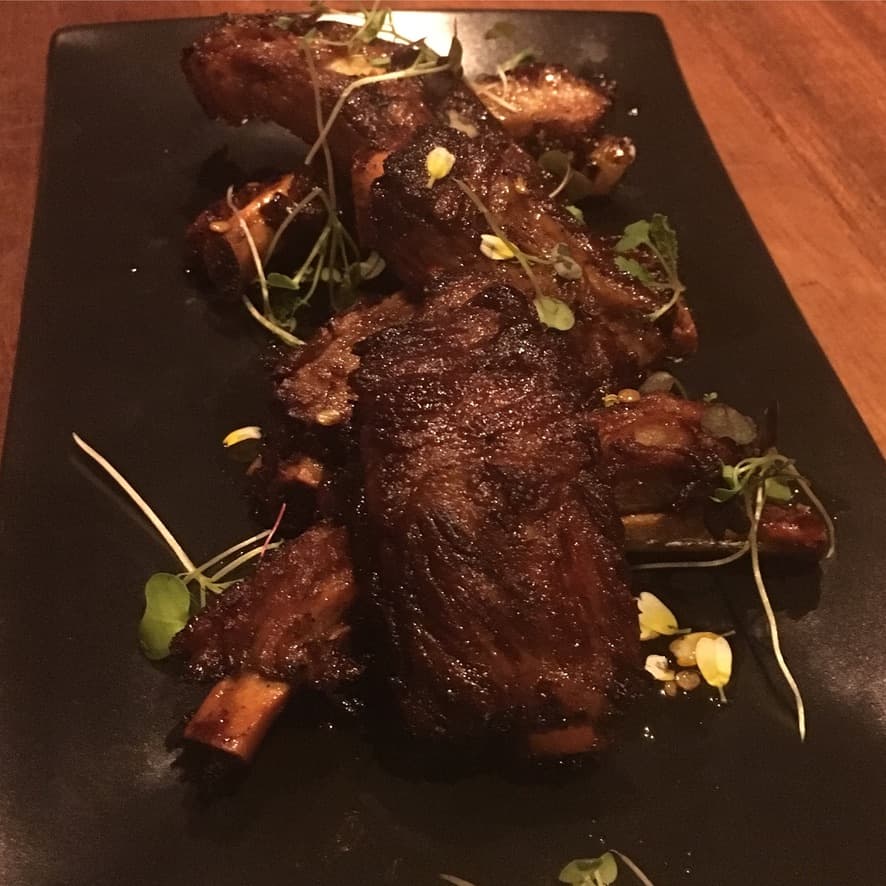
- Korean-American small plates at Han Oak Restaurant, run out of a converted house in the Pearl District's edge, built around shared plates and noodles.
- Russian and Eastern European cooking at Kachka, known for vodka flights and dumplings that go well beyond the usual Portland menu.
- Neapolitan-style pizza by the slice at Pizza Thief, a solid late-night option in the inner eastside.
- German beer and pretzels at Prost! in North Portland, a straightforward beer hall if you want something besides IPA.
- Coffee at Tov Coffee II, part of the city's strong independent roasting scene centered around the Central Eastside.
- Doughnuts and soft serve at Doe Donuts + Ice Cream, and a scoop from Kate's Ice Cream if you're chasing dessert on a warm afternoon.
- Breakfast or brunch at Ruthie's, a reliable neighborhood option without the tourist lines of the city's more famous breakfast spots.
- Modern American plates at DAME on Division Street, one of the restaurants that made that strip worth a special trip.
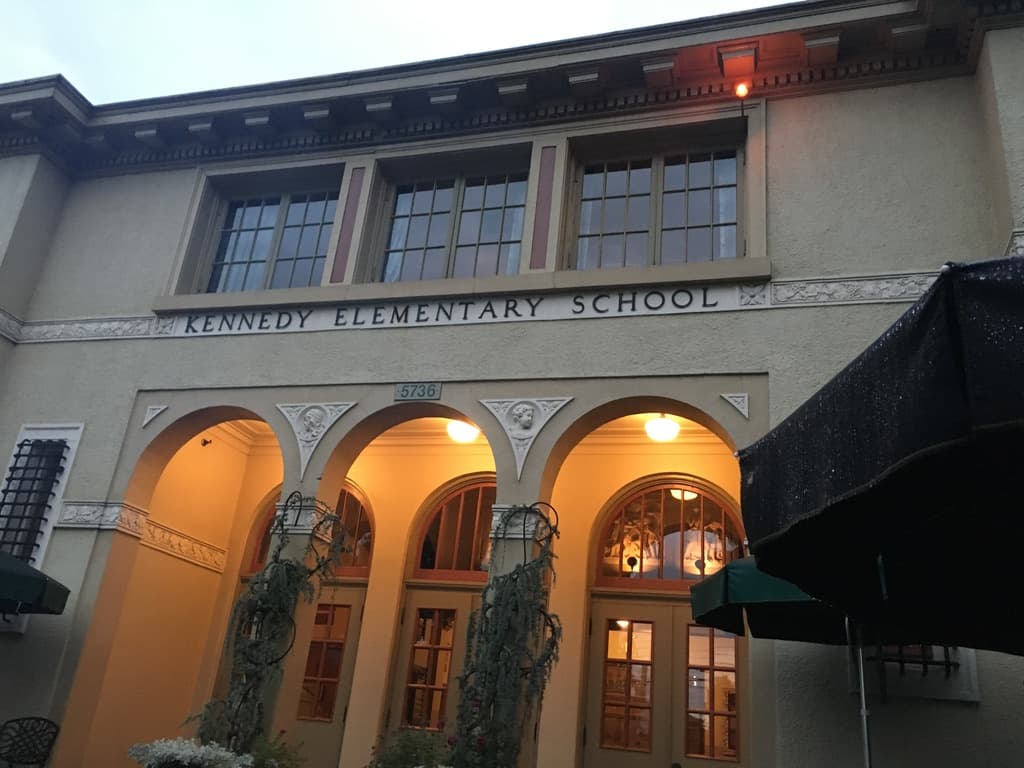
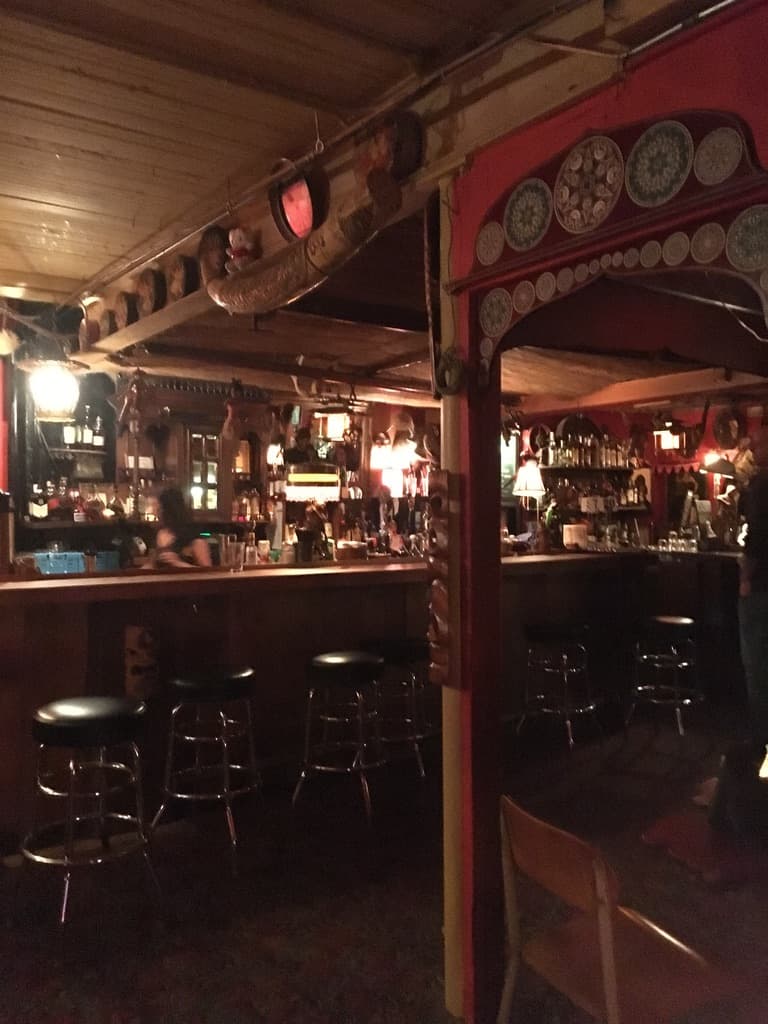
- A pint and a game of bocce at McMenamins Kennedy School, a converted elementary school turned hotel, bar, and movie theater that's worth visiting even if you're not staying the night.
- Finishing salt from Jacobsen Salt Co., Oregon's own sea salt producer, worth picking up at a local market as a souvenir that actually gets used.
FAQ
How many days do you need in Portland?
Three days covers Portland's main sights, with extra days worth adding for day trips. That gives you time for Powell's City of Books, Waterfront Park and the Saturday Market, a museum or two, and a brewery afternoon. Add one or two days if you want Mount Hood, the Columbia River Gorge, or Willamette Valley wine country.
Do you need a car in Portland?
You do not need a car for the city itself, but you will want one for day trips. Buses, streetcars, MAX light rail, and bikes cover most of what visitors do in town, while parking downtown is costly and scarce. Mount Hood, the Gorge, and wine country are easier with a rental car or an organized tour, so confirm tour options before you book.
Is Portland safe for tourists?
Portland is generally fine for visitors, but use the same common sense you would in any large US city. Busy areas such as downtown and the popular neighborhoods are lively during the day and evening. Keep valuables out of parked cars, stay aware of your surroundings late at night, and check recent local advice on specific areas before you choose where to stay.
Does it rain a lot in Portland?
Yes, Portland has a wet, gray winter and a much drier, brighter summer. Rain is common from fall through spring, often as drizzle rather than downpours, so pack a waterproof jacket whatever the season. Summer is the easiest time for hiking, festivals, and outdoor markets, while winter rain in the city often means snow up on Mount Hood.
Can you visit Willamette Valley wineries as a day trip from Portland?
Yes, Willamette Valley wine country works well as a day trip from Portland, since it sits roughly an hour away. The valley has hundreds of wineries known for Oregon pinot noir, so pick a few rather than trying to see many in one day. Plan a designated driver or book a guided tour, and confirm tasting hours and reservations with each winery before you go.
Is English widely spoken and is Portland easy for first-time US visitors?
Yes, English is the default everywhere and Portland is one of the more approachable US cities for a first visit. The grid layout, decent transit, and walkable core make orientation easy, and most of what a visitor needs sits within a few compact neighborhoods. This Portland Oregon travel guide should cover the basics, but check current transit maps and seasonal event calendars before you land.
Top Places to Visit in Portland
View all See & DoFree
 See & Do
 See & Do
 See & Do
 See & Do
 Eat & Drink
McMenamins Kennedy School
 See & Do
Top Places to Eat in Portland
View all Eat & DrinkBudget · $Eat & DrinkModerate · $$
 Eat & DrinkModerate · $$
10 Barrel Brewing Portland
Eat & DrinkMcMenamins Kennedy School
 Eat & DrinkBudget · $
A Roadside Attraction
 Eat & DrinkModerate · $$
 Eat & DrinkModerate · $$Eat & DrinkExpensive · $$$