
Chile on the map
80 places from this guide. Tap a pin to open the listing.
Chile stretches more than 4,300 kilometers from the Atacama Desert in the north to the glaciers of Tierra del Fuego in the south, which makes writing a single Chile travel guide a strange exercise. No other country in South America packs this much climate variation into one long ribbon of land wedged between the Andes and the Pacific. You can stand in the driest desert on earth one week and be hiking past glacial lakes in Patagonia the next, all without leaving the same country.
What sets Chile apart from its neighbors is how functional it is for travelers. Roads are paved, buses run on schedule, ATMs work, and the tourism infrastructure in places like Santiago and Valparaíso rivals anything in Europe. That doesn't mean the country is tame. Climbing Ojos del Salado near the Argentine border, one of the highest volcanoes on earth at nearly 6,900 meters, is still a serious mountaineering undertaking, and Patagonia can humble anyone who underestimates its wind.
Overview
Santiago sits almost exactly in the geographic middle of the country, in a valley ringed by the Andes, and has been the capital since the Spanish founded it in 1541. It's a workable, modern base with a metro system, a growing food scene, and views of snow-capped peaks from office windows downtown. For a sense of the city's layout and neighborhoods before you land, it's worth reading up through Explore Santiago rather than winging it, since the city sprawls more than its skyline suggests.
An hour or so outside the capital, the mountains start doing the talking. Cajon del Maipo is where santiaguinos go to hike or ski without leaving a day trip radius, and in winter Valle Nevado turns into one of the more reliable ski resorts in the southern hemisphere, with a season that runs opposite to North America and Europe.
West of Santiago, Valparaíso climbs its famous hills in a jumble of corrugated metal houses painted every color available, a UNESCO World Heritage port city since 2003. Pablo Neruda kept a house here, now the La Sebastiana Museo de Pablo Neruda, perched above the bay with the poet's eccentric collections still intact. Nearby, Pichilemu pulls in Chile's surf crowd with some of the most consistent breaks on the Pacific coast.
Head north and the landscape dries out fast. Valle De La Luna, just outside San Pedro de Atacama, earns its name from eroded salt formations that genuinely look lunar at sunset. Further north still, the Humberstone and Santa Laura Saltpeter Works preserve an abandoned nitrate mining town, a strange and quiet UNESCO site that tells the story of the industry that once built Chile's economy. The Elqui Valley, famous for pisco production and unusually clear night skies, is where many travelers base themselves for astronomy tours, and a stay at somewhere like the Elqui Valley b & b puts you close to both vineyards and observatories.
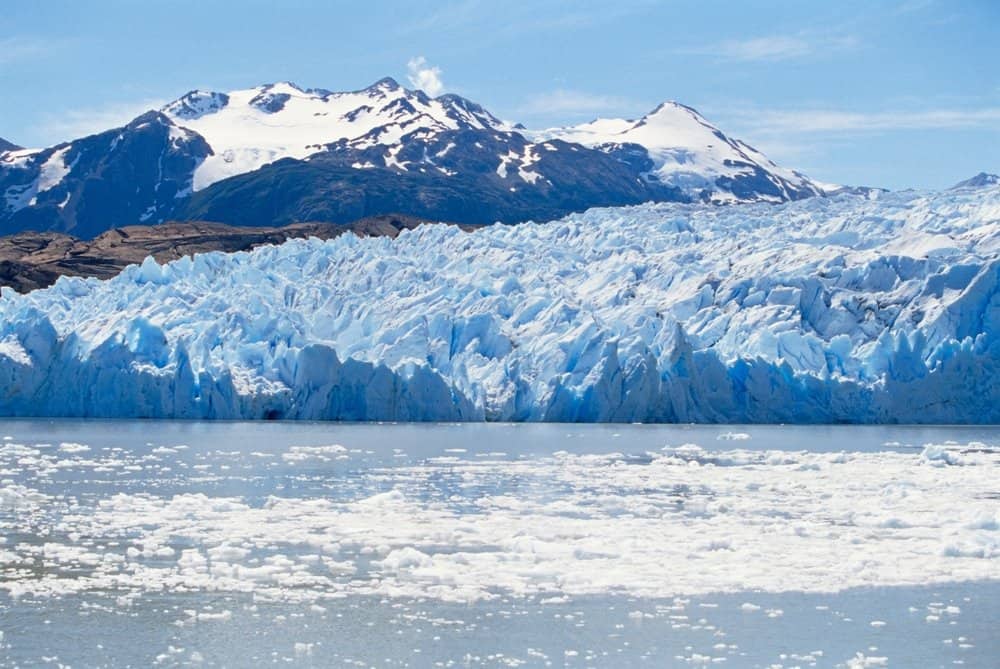
South of Santiago, the Lake District around Villarrica and Osorno delivers volcano views, German-influenced towns, and some of the country's best fly fishing. Keep going south and you reach Chilean Patagonia proper, home to Torres del Paine National Park, the granite towers that appear on half of Chile's tourism posters for good reason, and quieter standouts like Reserva Nacional Cerro Castillo and the Marble Caves, a set of calcite caverns on General Carrera Lake that you reach by boat. At the very bottom of the continent, Tierra del Fuego splits between Chile and Argentina and feels about as remote as travel gets without a passport stamp for Antarctica.
Then there's Easter Island, or Rapa Nui, sitting more than 3,700 kilometers off the mainland coast in the Pacific. The moai at Ahu Tongariki, fifteen statues standing in a row, and the palm-lined beach at Anakena are the two sights most people fly out for, but the island rewards a few extra days for its volcanic craters and Polynesian history.
When to Visit
Santiago, the Atacama Desert, and the central valleys are workable year-round, though summer (December to February) brings heat and dust to the north and the best weather to the capital. If Chilean Patagonia and Torres del Paine are the goal, January and February are peak season, with long daylight hours and the most reliable (if still unpredictable) weather. It's also when South American families take their own holidays, so trails and refugios book up and prices climb.
Shoulder season, roughly March to June or September to November, tends to be the smarter call if your schedule allows it. Crowds thin out, accommodation gets cheaper, and the weather in central Chile is often genuinely pleasant. June through August flips the script for ski season, when Valle Nevado and the resorts around Santiago fill up with visitors chasing southern hemisphere snow while the northern hemisphere is in summer.
Easter Island has its own calendar. February brings the Tapati Rapa Nui festival, a two-week celebration of Polynesian culture with competitions, dance, and body paint that's worth timing a trip around if it fits.
How to reach the destination
Almost everyone arrives through Arturo Merino Benítez International Airport in Santiago, Chile's main gateway for long-haul flights from North America, Europe, and other parts of South America. From there, domestic connections fan out to the rest of the country, including the long haul out to Easter Island.
Overland entry is straightforward if you're coming from a neighboring country. Buses cross regularly from Argentina (including routes through the Lake District and down into Patagonia), Peru, Bolivia, and Brazil, though some of the high-altitude Bolivian crossings involve long, cold waits at the border. Check current entry requirements before you travel, since rules and reciprocity fees shift from time to time.
Getting around the destination
Domestic flights are the only realistic way to cover Chile's length without burning your whole trip on buses. LATAM (formerly LAN) operates the bulk of the domestic network and is the main carrier flying from Santiago out to Easter Island, a flight of around five hours over open ocean.
Buses remain the backbone of ground travel and are genuinely comfortable on long routes, often with reclining seats and onboard service on overnight journeys between cities. Booking ahead saves money and guarantees a seat during busy periods. Within Santiago, the metro and bus network is efficient and cheap, and a rechargeable Bip! card covers both.
A rental car starts to make sense once you're chasing something specific, like a self-paced wine and pisco route through the Elqui Valley, a slow loop through the Lake District past Lago Ranco and Osorno, or backroad access around Reserva Nacional Cerro Castillo and Parque Nacional Vicente Pérez Rosales, where public transport thins out fast. In Patagonia proper, many travelers still rely on a mix of buses, organized transfers, and hiking rather than driving themselves, given gravel roads and long distances between fuel stops.
Top destination travel tips
- Learn a handful of Spanish phrases before you go. English is spoken in tourist-heavy spots but drops off fast outside them, and a simple "¿Cómo está?" goes a long way.
- Shake hands or offer a light cheek kiss when meeting locals. It's the standard greeting and skipping it can read as cold.
- Pack for extremes, not one climate. A desert hat and sun protection for the Atacama, layered hiking gear for Patagonia or Cerro Castillo, and something presentable if you plan to visit churches or museums.
- Tipping runs about 10 to 15 percent in restaurants and is often added automatically to the bill as "propina sugerida," which you can decline if service was poor.
- Don't take offense at being called "gringo." It's used casually for foreigners and isn't meant as an insult.
- Pack out your trash in national parks. Torres del Paine, the Marble Caves, and Tolhuaca National Park all depend on visitors treating fragile landscapes with care.
- Book Patagonia accommodation and park permits well ahead of a December to February trip. Refugios and campsites inside Torres del Paine fill months in advance during peak summer.
- Carry small bills and coins outside major cities. Rural buses, markets, and smaller eateries often can't break large notes.
Typical costs in the destination
Chile uses the Chilean peso (CLP), and prices run noticeably higher than in Peru or Bolivia, closer to Argentina or parts of Europe in the cities. Treat the figures below as rough order-of-magnitude guidance and confirm current rates before you budget seriously.
- Dorm beds in hostels tend to fall in a budget range, with private rooms with a bathroom moving into mid-range territory, higher in Santiago, Valparaíso, and Patagonia gateway towns like Puerto Natales.
- A casual lunch at a local spot is inexpensive and often includes a set menu (menu del día) with soup, a main, and a drink. Dinner at a proper restaurant pushes into mid-range pricing, more if you're drinking Chilean wine by the glass.
- Santiago has genuine upscale and fine dining options, including internationally rated hotels, while self-catering from a supermarket keeps daily food costs low if you're traveling on a tight budget.
- Domestic flights and long-distance buses vary a lot by route and how far ahead you book, with earlier bookings consistently cheaper on both.
- Entry to national parks like Torres del Paine involves a separate park fee, generally higher for foreign visitors than Chilean nationals, so budget for that on top of transport and lodging.
Must try food and drinks
- Empanadas de pino – baked pastries filled with minced beef, onion, a hard-boiled egg quarter, and an olive, sold everywhere from bus stations to bakeries.
- Pastel de choclo – a baked corn and beef casserole with a slightly sweet, custardy corn topping, classic home-style Chilean cooking.
- Curanto – a Chiloé and southern Chile specialty of shellfish, meat, and potato dumplings traditionally cooked in a pit over hot stones.
- Ceviche and fresh seafood – Chile's long coastline means excellent fish and shellfish, particularly in Valparaíso's port markets and northern coastal towns.
- Pisco sour – Chile's claim on the pisco grape brandy, mixed with lime, sugar, and egg white, best sampled near its source in the Elqui Valley.
- Chilean wine – the Central Valley produces serious Carmenère, Cabernet Sauvignon, and Sauvignon Blanc, with vineyards easily visited as day trips from Santiago.
- Completos – Chile's loaded hot dog, piled with avocado, tomato, and mayonnaise, a street food staple you'll see at every corner kiosk.
- For a sit-down meal in Santiago, Liguria is a long-running bar and restaurant known for hearty Chilean plates and a lively, old-school atmosphere, while spots like La Picada De Jaime and La Calma by Fredes offer a more local, unfussy take on regional cooking outside the capital.
FAQ
How many days do you need in Chile?
Plan at least two weeks to see more than one region properly. The country is long and thin, with desert in the north, Santiago and the central valleys in the middle, and Patagonia far to the south, so distances between highlights are large. With less time, pick one region, such as Santiago, Valparaíso, and Cajon del Maipo, and use domestic flights to reach anything farther afield.
Do you need a car in Chile?
No, buses and domestic flights cover most of the country without one. Buses between cities are cheap and comfortable, and Santiago's public transport is reliable on its own. A rental car earns its cost in specific places, like the Elqui Valley or the backroads around Lago Ranco and Cerro Castillo, where you want flexibility that public transport doesn't offer.
Is Chile safe for tourists?
Chile is generally considered one of the safer, more developed countries in South America. The main risk for visitors is petty theft in crowded city areas and on public transport, so keep bags zipped and valuables out of sight. Check your government's current travel advisories before you go, since conditions can shift.
Is Chile expensive?
By South American standards, yes, Chile runs closer to mid-range international pricing, especially in Santiago, Patagonia, and Easter Island. You can still travel on a modest budget by eating at local spots, taking buses over flights where feasible, and booking Patagonia lodging early to avoid peak-season markups.
Do I need Spanish to get by in Chile?
Basic Spanish helps enormously outside tourist zones. Santiago, Valparaíso, and major Patagonian gateway towns have enough English for travelers to manage, but rural buses, local markets, and smaller towns often don't, so a phrasebook or translation app is worth having.
Is Easter Island worth the trip from mainland Chile?
Yes, if you have the extra days and budget, since there's nowhere else like it. The flight from Santiago runs around five hours each way, so most visitors spend at least three or four days on the island to see sites like Ahu Tongariki and Anakena without rushing.
What's the best single trip to combine with Santiago if I only have a few extra days?
Valparaíso and the nearby coast pair naturally with Santiago, reachable in about ninety minutes by bus, letting you cover the capital, the hills of Valparaíso, and a coastal day trip without touching a domestic flight. This is also the easiest entry point into the rest of this Chile travel guide if you want to extend the trip toward the Atacama or Patagonia later.
Top Places to Visit in Chile
View all See & DoModerate · $$
 See & Do
Cenco Costanera
 See & Do
Elqui Valley b & b
 See & Do
Rapa Nui National Park
 See & Do
Torres del Paine National Park
 See & Do
La Sebastiana Museo de Pablo Neruda
 See & Do
Chilean Museum of Pre-Columbian Art
 See & Do
Parque Bicentenario
Top Places to Eat in Chile
View all Eat & Drink
Restaurante Giratório
 Eat & Drink
Clos Apalta
 Eat & DrinkExpensive · $$$
La Calma by Fredes
 Eat & DrinkBudget · $
La Picada De Jaime
 Eat & DrinkModerate · $$
Liguria
 Eat & DrinkLuxury · $$$$
Boragó
 Eat & Drink
María María - Restaurante
 Eat & DrinkLuxury · $$$$